The Foundations of Royal Portraiture: Ancient Origins & Early Dynasties
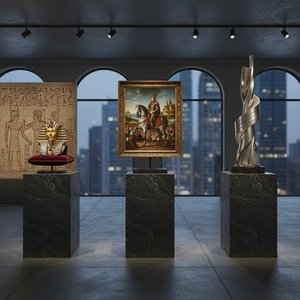 The Embodiment of Power: Exploring Representations of Status in Art History
Explore the fascinating history of status symbols in art! Discover how Renaissance portraits conveyed wealth, power & legacy. Expert insights for discerning collectors at ArtsDot.
The impulse to capture the likeness of rulers is as old as civilization itself, born from a desire not merely to record appearance but to solidify power and project an image of enduring authority. Long before oil paints and canvas, ancient Egypt witnessed the earliest expressions of royal portraiture – stylized depictions carved into stone or painted onto tomb walls. These weren’t attempts at photographic realism; rather, they were carefully constructed representations designed to embody the divine status of the pharaohs. The rigid poses, idealized features, and symbolic regalia—the nemes headdress, the false beard—all served to reinforce the ruler's connection to the gods and their right to govern. Similarly, in ancient Greece and Rome, portrait sculpture evolved as a means of commemorating emperors and prominent citizens, often emphasizing strength, wisdom, and civic virtue. The bust of Augustus Caesar, for example, isn’t simply a likeness; it’s a carefully crafted statement about his leadership and the Pax Romana he established. These early examples laid the groundwork for centuries of artistic tradition, establishing portraiture as an essential tool for legitimizing power and shaping public perception.
Iconography of Power: Symbols, Attributes, and Visual Language in Regal Art
Iconography, as a branch of art history, studies the identification, description and interpretation of the content of images: the subjects depicted, the particular compositions and details used to do so, and other elements that are distinct from arti...
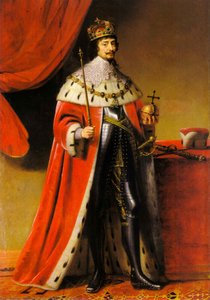
Beyond mere physical resemblance, royal portraits have always been laden with iconography – a complex visual language designed to communicate status, authority, and divine right. The objects surrounding the ruler—the scepter representing power, the orb symbolizing dominion over the world, the crown signifying sovereignty—are not accidental details but carefully chosen emblems of their position. Clothing also played a crucial role; rich fabrics like velvet and silk, adorned with jewels and gold embroidery, conveyed wealth and prestige. Consider the portraits of Queen Elizabeth I of England. Her elaborate gowns, pearl-encrusted jewelry, and imposing ruffs weren’t simply fashionable statements but deliberate displays of her power and authority. Even posture and gesture were significant; a regal stance, a direct gaze, or a hand resting on a symbol of power all contributed to the overall impression of majesty. The study of iconography reveals that royal portraits are rarely neutral representations; they are carefully constructed narratives designed to reinforce the ruler’s image and legitimacy.
Renaissance Courts & the Rise of Individualized Portraiture
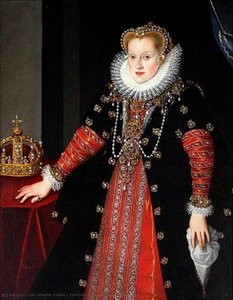 Portrait of Queen Anne of Austria
Witness the regal beauty of Queen Anne of Austria in Marcin Kober's masterful 1595 portrait! A stunning example of Renaissance court art, showcasing intricate detail and rich colors.
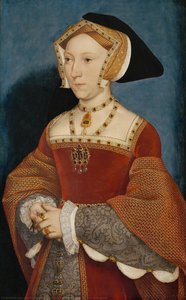
The Renaissance marked a turning point in the history of royal portraiture, as artists began to move beyond stylized depictions towards more individualized representations. While symbolism remained important, there was a growing emphasis on capturing the unique personality and character of the sitter. Artists like Hans Holbein the Younger revolutionized court portraiture with his meticulous attention to detail and psychological insight. His portraits of Henry VIII are not merely images of power but compelling studies of a complex and often ruthless ruler. Similarly, artists in Italy—Raphael, Titian, and Leonardo da Vinci—created portraits that celebrated the wealth, intellect, and sophistication of their patrons. The development of oil painting techniques allowed for greater realism and subtlety, enabling artists to capture nuances of expression and texture with unprecedented accuracy. This period also saw the rise of portrait galleries within royal courts, showcasing collections of rulers and ancestors as a visual testament to dynastic power.
Baroque Spectacle: Shaping Identity Through Grandeur and Artistic Innovation
 Sir Anthony van Dyck: Courtly Portraiture & the Shaping of Baroque Identity
Explore the life & legacy of Sir Anthony van Dyck, the leading court painter of his era. Discover his innovative portraiture, Baroque masterpieces, and investment potential for discerning collectors. Learn more at ArtsDot.
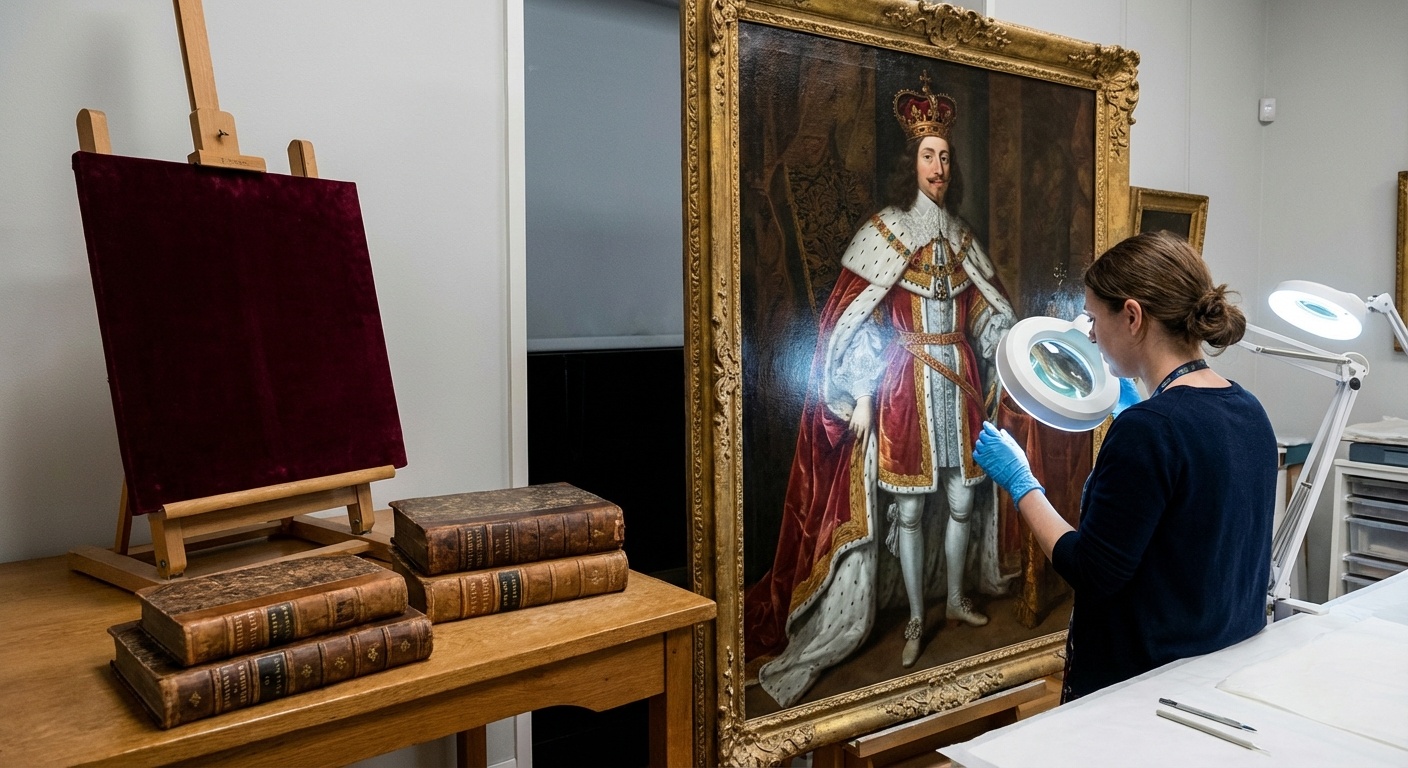
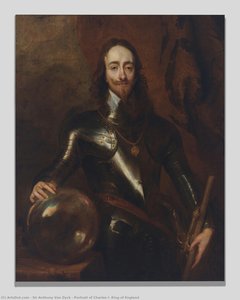
The Baroque era took royal portraiture to new heights of grandeur and spectacle. Artists like Anthony van Dyck, employed by Charles I of England, masterfully crafted images that projected an image of aristocratic elegance and power. Van Dyck’s portraits weren't simply likenesses; they were carefully staged performances designed to enhance the king’s prestige and cultivate a sense of loyalty among his subjects. He often depicted Charles I in dramatic settings—riding horses, surrounded by courtiers, or engaged in noble pursuits—creating an aura of authority and sophistication. The use of rich colors, dynamic compositions, and elaborate drapery further enhanced the overall impression of majesty. Sir Anthony van Dyck understood that portraiture was not merely about recording appearance but about constructing a carefully curated image of power and identity. His influence extended far beyond England, shaping the style of court portraiture across Europe.
Beyond Likeness: The Psychological Depth of Royal Representation
As portraiture evolved, artists increasingly sought to capture not just the physical likeness of rulers but also their inner character and psychological state. While earlier portraits often emphasized idealized features and symbolic attributes, later works began to reveal more nuanced expressions and emotional depth. Artists like Élisabeth Vigée Le Brun, a favorite painter of Marie Antoinette, captured the queen’s charm, intelligence, and vulnerability in her portraits. These weren't simply images of power but compelling studies of a complex individual caught in the tumultuous events of the French Revolution. The ability to convey psychological depth required not only technical skill but also a deep understanding of human nature. Artists often spent considerable time observing their sitters, studying their mannerisms and expressions to capture their unique personality. This shift towards psychological realism marked a significant development in the history of portraiture.
The Enduring Legacy: How Royal Portraits Continue to Influence Contemporary Art
Even in the age of photography and digital media, royal portraits continue to hold a powerful fascination for artists and audiences alike. While the traditional forms of portraiture may have evolved, the underlying impulse—to capture the likeness of rulers and project an image of authority—remains strong. Contemporary artists often engage with the legacy of royal portraiture in innovative ways, challenging conventional notions of power and representation. From Andy Warhol’s iconic silkscreen portraits to Kehinde Wiley’s vibrant depictions of contemporary figures in the style of Old Masters, artists continue to explore the themes of identity, status, and authority through the medium of portraiture. At ArtsDot.com, we celebrate this rich artistic tradition by offering high-quality reproductions of masterpieces from throughout history, allowing you to bring the majesty of royal portraiture into your own home. Whether you’re a seasoned collector or simply an art enthusiast, exploring the world of royal portraits offers a fascinating glimpse into the lives and legacies of rulers who have shaped our world. We provide custom reproduction services, enabling you to create unique artworks from personal photos in the style of your favorite masters, ensuring that the legacy of portraiture continues for generations to come.