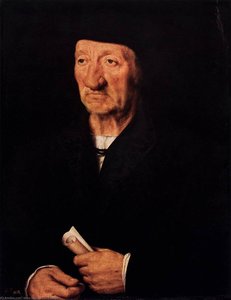



The Renaissance Rediscovery: From Civic Duty to Individual Likeness
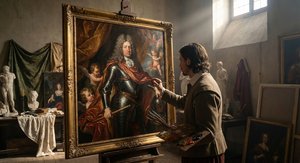
For centuries, the human face held little individual significance within the broader tapestry of religious iconography. Portraits existed primarily as donor figures within larger narratives – pious individuals rendered in a standardized manner, their value residing not in their likeness but in their devotion. The Renaissance, however, witnessed a profound shift. Driven by Humanist ideals and a renewed fascination with classical antiquity, portraiture began to emerge as an independent genre, celebrating the unique identity of its sitters. This wasn’t merely about recording features; it was about capturing *presence*. Early examples, like Robert Campin’s depiction within the Annunciation Triptych (Merode Altarpiece), hint at this burgeoning interest in specificity, but it was artists such as Hans Memling who truly began to isolate and elevate the individual. The shift reflected a growing societal emphasis on personal achievement, civic responsibility, and the inherent dignity of humankind – qualities that demanded visual representation beyond simple religious affiliation.
The Language of Status: Costume, Props, and Symbolic Attributes in Portraiture
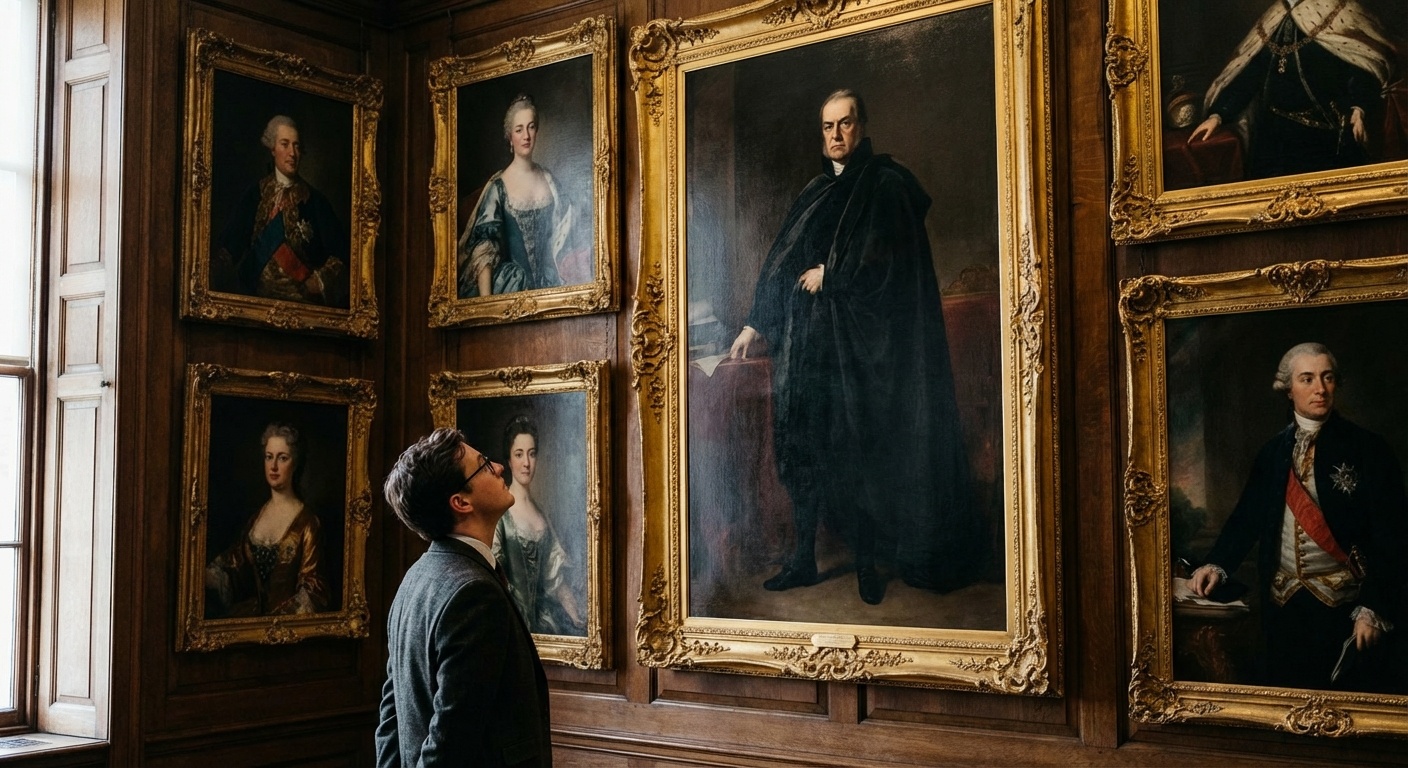
To understand a Renaissance portrait is to decipher a complex language of status. Every detail—the cut of a garment, the texture of fabric, the inclusion of specific objects—communicated volumes about the sitter’s wealth, social standing, and aspirations. Sumptuous velvets and silks signaled affluence, while elaborate jewelry denoted lineage and power. Props were rarely arbitrary; a book might indicate learning and intellectual pursuits, a musical instrument refined taste and leisure, or a dog loyalty and fidelity. Consider Titian's Portrait of Ariosto: the contemplative pose, the richly adorned clothing, and the subtle inclusion of classical elements all contribute to an image of a cultivated humanist scholar. Artists weren’t simply painters; they were visual storytellers, meticulously crafting narratives that reinforced their patrons’ desired self-image. The profile view, echoing ancient Roman coins, lent an air of nobility and gravitas, while three-quarter views fostered a more intimate connection with the viewer.
Mastering the Gaze: Techniques for Conveying Character and Authority
Beyond material possessions, Renaissance artists sought to capture something far more elusive: the inner character of their sitters. This required mastery of technique – not just anatomical accuracy but also an understanding of light, shadow, and psychological nuance. Leonardo da Vinci’s Mona Lisa remains a testament to this pursuit; her enigmatic smile, achieved through subtle sfumato techniques, continues to captivate audiences centuries later. Raphael, in his portrait of Baldassare Castiglione, employed similar methods, focusing on the sitter's lively face and engaging gaze to convey intelligence and charisma. The use of chiaroscuro – the dramatic interplay of light and dark – added depth and dimensionality, drawing attention to key features and creating a sense of realism. Artists like Petrus Christus skillfully used interior settings and window light to create atmosphere and highlight their subjects’ presence, while Giovanni Cariani blended religious and secular themes with an intimate focus on portraiture.
Courts and Commissions: Patronage and the Shaping of Royal Portraits
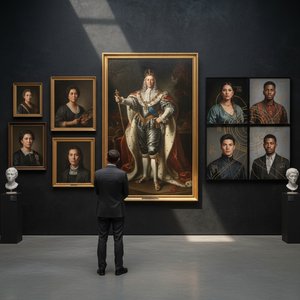
The courts of Europe were fertile ground for portraiture. Royal families and noble houses commissioned portraits not only to commemorate their likenesses but also to project power, legitimacy, and dynastic continuity. These weren’t simply personal images; they were instruments of statecraft. Artists like Bronzino became renowned for their ability to capture the aloof dignity and refined elegance of aristocratic subjects. The formality of these portraits often outweighed individual expression, prioritizing instead a carefully constructed image of authority and control. The patronage system itself profoundly influenced artistic style; artists adapted their techniques and compositions to meet the specific demands of their powerful clients. A portrait commissioned by Henry VIII would differ significantly from one created for Francis I of France, reflecting the distinct political and cultural contexts of each court.
Beyond Realism: Psychological Depth and the Inner Life of Sitters
While realism was a hallmark of Renaissance portraiture, artists increasingly sought to move beyond mere physical representation. They aimed to capture not just *what* their sitters looked like but also *who* they were – their thoughts, emotions, and aspirations. This pursuit led to a greater emphasis on psychological depth and the exploration of inner life. Sebastiano del Piombo’s Portrait of a Girl exemplifies this trend; her melancholic expression and introspective gaze suggest a complex emotional world beneath the surface. Mannerist artists experimented with elongated forms and unconventional poses, often creating portraits that were more suggestive than literal. This focus on psychological nuance foreshadowed later developments in portraiture, paving the way for artists to explore the complexities of human character with greater sensitivity.
The Enduring Legacy: How Renaissance Portraiture Continues to Inspire
The innovations of Renaissance portraiture continue to resonate today. The techniques developed during this period – the mastery of light and shadow, the attention to detail, the exploration of psychological depth – remain fundamental principles for artists working in all media. Moreover, the enduring fascination with capturing individual likeness reflects a timeless human desire to preserve memory and celebrate identity. From family portraits reimagined in the style of Old Masters to contemporary explorations of self-representation, the legacy of Renaissance portraiture is undeniable. At ArtsDot.com, we are dedicated to making these masterpieces accessible, offering handmade oil paintings and museum-quality prints that allow you to experience the grandeur and beauty of this transformative era firsthand. Explore our collection today and discover the power of presence in Western art.