 Preview
 Send
Send Share
Share
 Details

 Download
 Similars
 X-Ray
X-Ray Diaporama
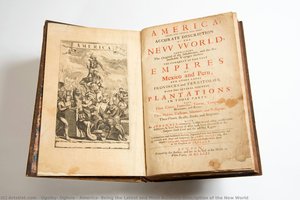
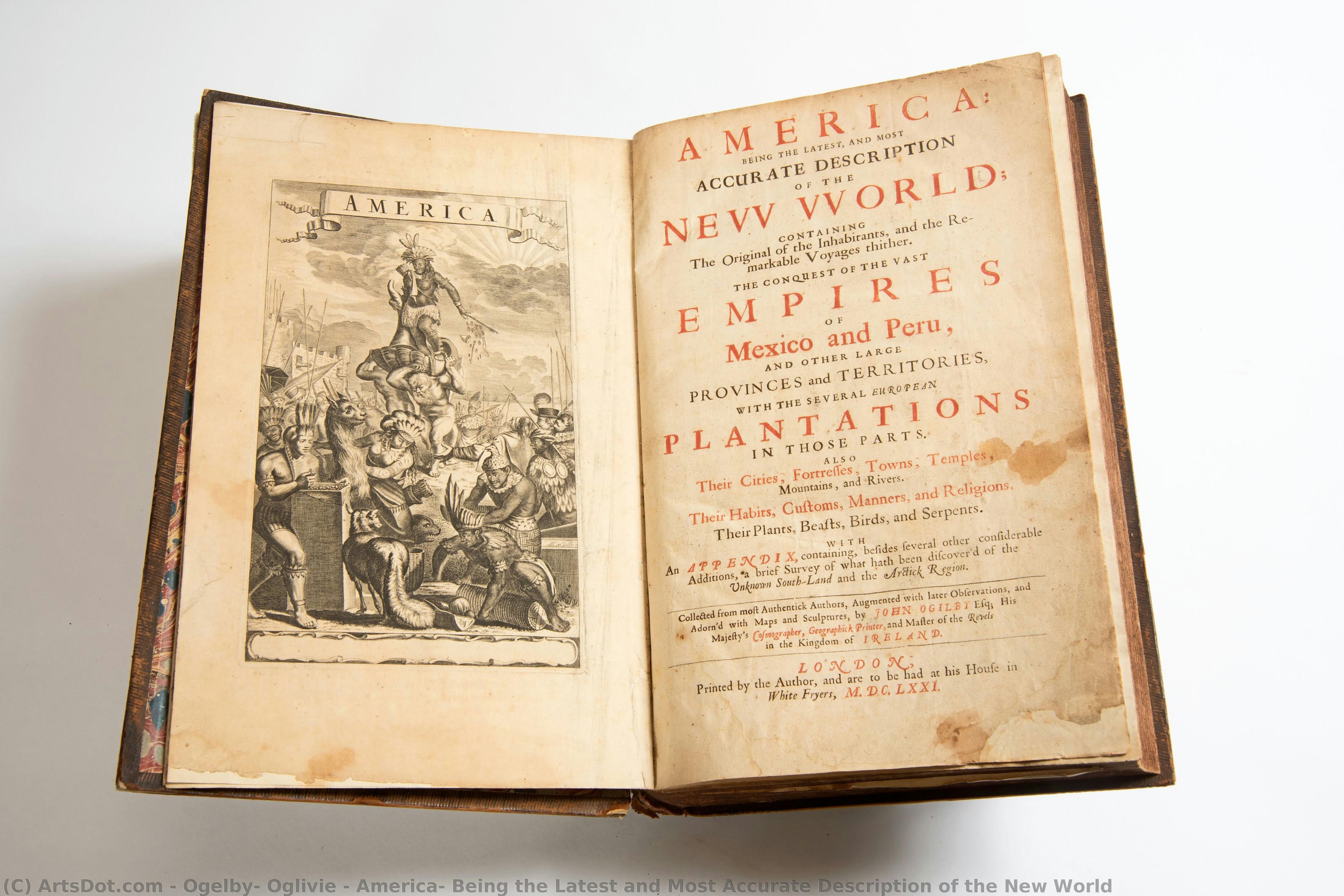
America, Being the Latest and Most Accurate Description of the New World


 Read More
Hand Made Oil Reproduction
Hand-painted oil on canvas in your size and frame, made to order by our artists. ( Buy Print Buy Image)




P118B $10

P118H $10

P118W $10

P438Z $10

P508JH $12

P508YH $12

P805H $10

P805Z $10

P919BZ $10

P919G $10

P919XJ $10

P959ZH $10

P968JZ $12

W106C $8

W218G $10

W218JH $8

W218Y $10

W307PJ $10

W316G $10

W316PJ $8

W316Y $10

W398PJ $8

W4111J $10

W500HY $15

W500JH $15

W692G $12

W849H $8

W940BG $15

W953PJ $8




Pick from our preset sizes that match the artwork's original proportions.

You may enter your own dimensions to fit a specific frame or space. If your selected size does not match the original image's proportions, we will either crop the artwork or extend the painting with additional hand-painted elements. A digital mockup will be sent for your approval before production begins.
Please note that the on-screen preview does not reflect the actual cropping or extension. Only the mockup will accurately show the final composition.
While custom sizes are available, we recommend selecting a dimension from the predefined list to preserve the original proportions.
After order, ArtsDot.com team will email client for instructions and provide a mockup preview
Worldwide Delivery () in 3/4 weeks instead of standard 5 weeks. (30 August). No compromise on quality.

Free Worldwide Express Shipping

High-Quality Linen Canvas

Full Shipping Insurance

Customs Tax Refund Guarantee

True Color Matching Guarantee

60-Day Return Policy (Defects Only)

100% Money-Back Guarantee

Bulk Discount Offer
 Glass option is only available in size under 110 CM

America, Being the Latest and Most Accurate Description of the New World
Reproduction Medium
Reproduction Size
-


Total Price
$ 263
A Window into the Uncharted: The Majesty of Ogilby’s New World
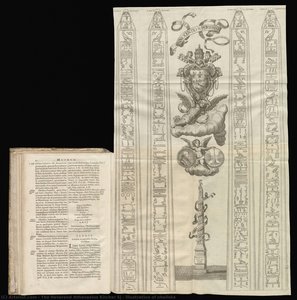
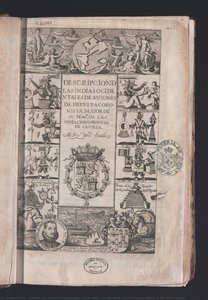
To gaze upon "America, Being the Latest and Most Accurate Description of the New World" is to embark on a voyage through time, stepping back into the seventeenth-century imagination where the boundaries of the known world were still being etched onto parchment. This exquisite work, stemming from the profound cartographic and editorial genius of Ogilby, Oglivie, serves as much more than a mere historical record; it is a breathtaking visual tapestry that captures the raw, untamed essence of a continent in flux. The painting, evocative of the era's finest engravings, presents a sweeping vista where the rugged grandeur of mountain ranges meets the rhythmic movement of human exploration. At its heart, a man on horseback leads a procession, a symbol of the relentless human drive to traverse, document, and claim the unknown.
The composition breathes with a sense of epic scale, utilizing a style that mirrors the dramatic tension found in the early Baroque period. There is a palpable weight to the landscape, where the interplay of light and shadow suggests the dense, mysterious foliage of a land untouched by the Old World. The technique, reminiscent of the meticulous detail found in 1671's finest printmaking, allows the viewer to discern the subtle textures of the horses' coats, the weathered clothing of the travelers, and the formidable silhouettes of the distant peaks. This mastery of detail does not merely inform the eye; it invites the soul to wander through the valleys and across the plains depicted within this storied volume.
Beyond its topographical significance, the artwork functions as a profound study of encounter and discovery. The presence of horses and travelers set against the vast, indifferent beauty of the mountains symbolizes the intersection of civilization and wilderness. For the discerning collector or interior designer, this piece offers an unparalleled opportunity to introduce a sense of historical gravity and intellectual depth into a space. It is a conversation starter that evokes themes of adventure, resilience, and the eternal human quest for knowledge.
Integrating a high-quality reproduction of this masterpiece into a curated collection or a sophisticated interior provides more than just decoration; it offers an emotional anchor. Whether placed in a library lined with leather-bound volumes or as a focal point in a contemporary study, the painting radiates an aura of timelessness. It serves as a reminder of a period when every horizon held a secret and every map was a promise of discovery. Owning such a piece is an invitation to hold a fragment of history, capturing the very moment when the world began to truly understand its own vastness.
Related Artworks
Artist Biography
The Shadowed Genius: Caravaggio and the Dawn of Baroque
Michelangelo Merisi da Caravaggio, a name synonymous with drama, intensity, and revolutionary technique, remains one of the most compelling figures in art history. Born in Milan in 1571, his life was tragically short – he died at the young age of thirty-eight – yet within that brief span, he irrevocably altered the course of painting, ushering in the Baroque era with a style both intensely personal and profoundly influential. Caravaggio’s legacy isn't simply about beautiful paintings; it’s about a radical shift in how artists approached light, emotion, and the very relationship between subject and viewer. Caravaggio’s early life remains shrouded in some mystery, though he likely received a basic artistic education from his father, a draper. He apprenticed under the painter Simone Peterzano in Milan before moving to Rome around 1592, a city teeming with patronage and opportunity. It was in Rome that Caravaggio truly exploded onto the scene, quickly establishing himself as a sought-after portraitist and religious painter. His early commissions were largely for private clients – wealthy merchants and nobles eager to adorn their homes with striking images of saints and biblical scenes. However, it wasn’t long before his distinctive style began to dominate. The core of Caravaggio's innovation lay in his masterful manipulation of *chiaroscuro*—the dramatic contrast between light and dark. He didn’t simply use light to illuminate a scene; he used it to sculpt figures, to create an atmosphere of intense drama, and to draw the viewer directly into the heart of the action. Unlike earlier artists who employed subtle gradations of light, Caravaggio favored stark contrasts, plunging his subjects into deep shadow while highlighting key features with pools of brilliant illumination. This technique wasn’t merely a stylistic choice; it was integral to his expressive aims. He sought to capture not just the likeness of his subjects but also their inner emotions—their faith, fear, and suffering. His religious paintings are particularly renowned for this effect. Works like *The Calling of St. Matthew*, *The Martyrdom of Saint Peter*, and *David and Goliath* are visceral experiences, pulling the viewer into the moment with an almost unbearable intensity. The figures aren’t idealized; they're ordinary people caught in extraordinary circumstances. Matthew is a humble tax collector, Peter is a simple fisherman, and David is a young boy wrestling with a giant—all rendered with unflinching realism and imbued with profound emotion. Caravaggio deliberately avoided the polished elegance of Mannerism, opting instead for a gritty, immediate style that reflected the realities of life in 17th-century Rome.Key Influences and Artistic Development
Caravaggio’s artistic development wasn't solely driven by his own vision. He was deeply influenced by the works of Leonardo da Vinci, particularly his use of *sfumato* (the blurring of outlines), and Michelangelo, whose dynamic compositions and powerful figures provided a model for dramatic intensity. However, Caravaggio forged his own unique path, rejecting the idealized forms and serene expressions favored by many of his contemporaries. He also drew inspiration from contemporary sources, including prints and engravings that depicted biblical scenes. Crucially, Caravaggio’s style evolved rapidly throughout his career. His early works in Rome were characterized by a more restrained palette and a greater emphasis on classical composition. As he matured, however, his use of color became bolder, his compositions more dynamic, and his figures increasingly expressive. The later paintings, such as *The Entombment of Christ* and *The Conversion of Saint Paul*, demonstrate a shift towards a more theatrical style, with heightened drama and an almost overwhelming sense of emotion.A Turbulent Life and Tragic End
Caravaggio’s life was marked by violence and instability. He had several run-ins with the law, including an assault in 1606 that resulted in a lengthy prison sentence. Rumors circulated about his scandalous behavior—allegations of prostitutes and gambling debts—though the extent of these rumors remains debated by historians. These turbulent experiences undoubtedly influenced his art, contributing to its raw emotional intensity and sense of unease. In 1607, Caravaggio was fatally wounded in a street brawl outside a tavern in Porto Ercole, Italy. The circumstances surrounding his death are still unclear, but it’s believed that he was involved in a dispute with a local man. He died shortly after arriving in Malta, leaving behind a legacy of unfinished works and a profound impact on the course of art history.The Legacy of a Revolutionary Artist
Despite his tragically short life, Caravaggio’s influence is immeasurable. His innovations in *chiaroscuro*, dramatic composition, and psychological realism profoundly shaped the development of Baroque painting. Artists throughout Europe—including Rembrandt, Rubens, and Velázquez—studied his techniques and adopted his style. Caravaggisti, artists who imitated his distinctive approach, flourished for decades after his death, spreading his influence across Italy and beyond. Today, Caravaggio’s paintings are among the most celebrated and sought-after works of art in the world. His ability to capture human emotion with such intensity continues to captivate audiences centuries later. He remains a testament to the power of an artist's vision—a revolutionary who dared to challenge artistic conventions and forever changed the way we see the world through paint.
ogelby, oglivie
1600 - 1676 , United Kingdom
Quick Facts
- Artistic Movement Or Style: Baroque
- Artists Or Movements Influenced By This Artist: ['Caravaggisti']
- Artists Who Influenced This Artist:
- Michelangelo
- Leonardo da Vinci
- Date Of Death: 1610
- Full Name: Caravaggio
- Nationality: Italian
- Notable Artworks:
- The Calling of St Matthew
- David and Goliath
- Place Of Birth: Milan, Italy
Related Articles

Romantic Landscapes: 10 Masterpieces for Your Home | ArtsDot
Journey through 10 Romantic landscape masterpieces by Friedrich, Turner & Cole. Explore emotional art, sublime nature scenes & iconic 19th-century paintings. Find museum-quality reproductions for your home at ArtsDot.com – discover the full collection online!

Hokusai's Masterpieces: 25 Iconic Prints & Paintings for Art Lovers | ArtsDot
Journey through Katsushika Hokusai’s 25 most iconic artworks, including *The Great Wave*. Explore the ukiyo-e master's history, style & timeless Japanese woodblock prints. Find museum-quality reproductions for your home at ArtsDot.com.

Evocations of Place: A Historical Journey Through Landscape Art
Explore the rich history of landscape art with ArtsDot. Discover renowned artists, movements like Impressionism & Romanticism, and expert guidance for collecting timeless pieces. Find your perfect serene escape today!

John Constable's Masterpieces: Explore 25 Iconic Landscapes for Your Home
Journey through John Constable's 25 most celebrated landscapes. Explore Romanticism, Dedham Vale & his masterful use of light in iconic paintings like 'Hay Wain'. Find museum-quality art reproductions and elevate your home decor on ArtsDot.com.

Evocations of Place: A Historical Journey Through Landscape Art
Explore the rich history of landscape art with ArtsDot. Discover renowned artists, movements like Impressionism & tonalism, and expert guidance for collecting timeless pieces. Find your perfect serene escape today!