

 Preview
 Send
Send Share
Share
 Details

 Download
 Similars
 X-Ray
X-Ray Diaporama
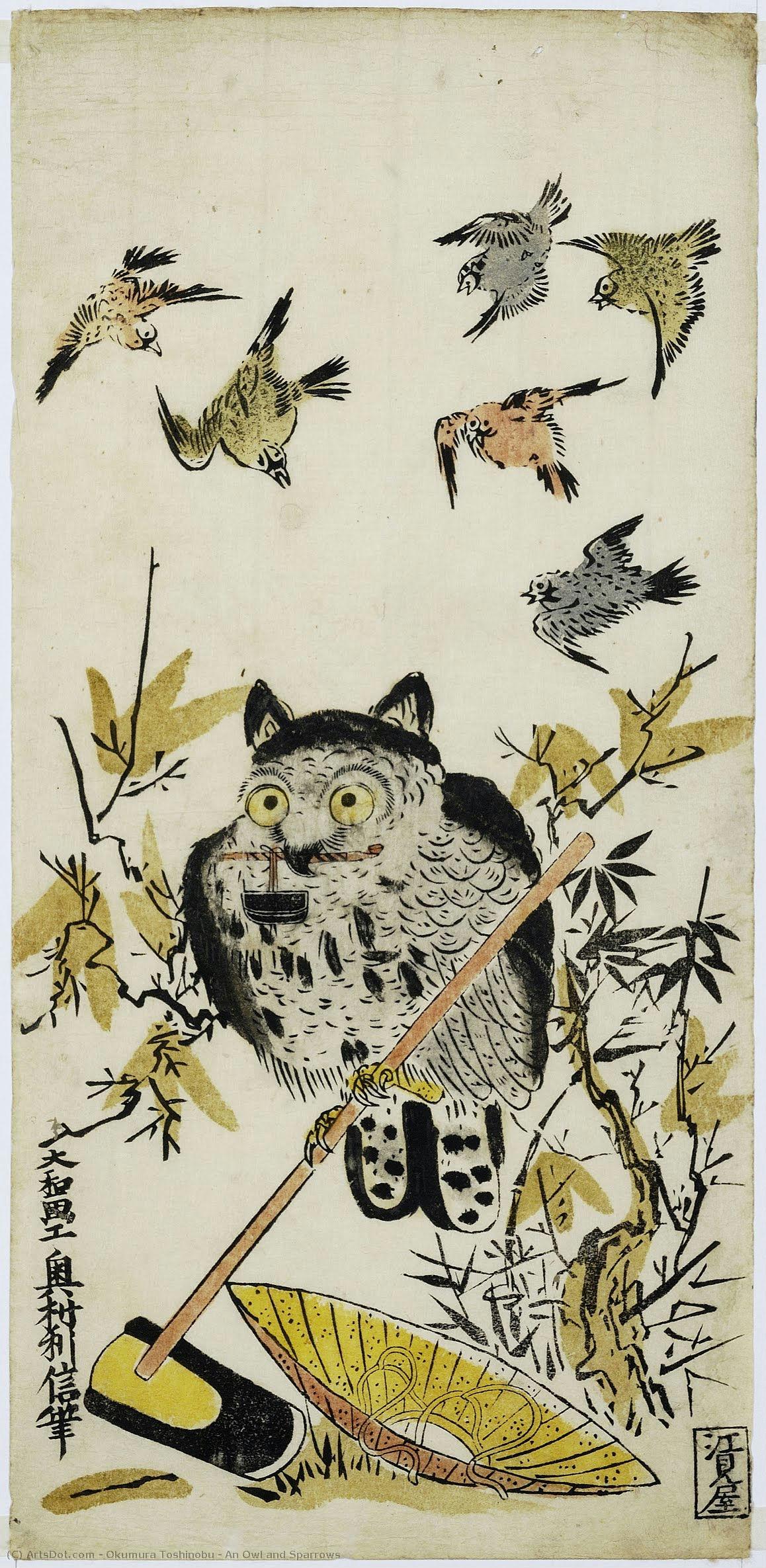
An Owl and Sparrows
 Ukiyo-e
 15.0 x 33.0 cm
 Tobacco and Salt Museum
 Read More
Purchase a high-resolution, enhanced digital image, far superior to the online preview.
Each file is meticulously prepared by our in-house specialists using advanced tools and expert manual retouching. We ensure every image has exceptional clarity, precise color accuracy, and fine detail.
The final file is delivered via email within 72 hours, optimized for immediate use in professional, editorial, and print environments. This is the same quality trusted by top-tier design studios, publishers, and galleries.
Digital Image
Download a high-resolution file for personal display, printing, and creative projects. ( Buy Print Buy Hand Made Painting)
Included in Every Digital Image Order
Expert Digital Delivery, Guaranteed
When you choose ArtsDot.com, you're not just getting an image - you're receiving a professionally enhanced digital artwork, crafted with precision and backed by a satisfaction guarantee. Here's everything that comes with your order, automatically:

Fast Email Delivery
Your high-resolution digital image file will be emailed to you within 72 hours of ordering - ready for immediate use.

AI-Enhanced Digital File
Your artwork is professionally optimized using advanced AI tools and manual editing, ensuring maximum detail, clarity, and color accuracy.

Free Lifetime Re-Delivery
Accidentally deleted or lost your file? No worries - we'll resend it to you anytime, free of charge.

No Import Fees - Ever
Enjoy your artwork instantly with zero customs, duties, or delivery fees - digital downloads are always tax-free.

Color Accuracy Guarantee
We ensure your digital image reflects the original colors as closely as possible using professional tools and color management.

60-Day Satisfaction Guarantee
If you're not satisfied with your digital image, we'll revise it or refund 100% within 60 days - no questions asked.

100% Money-Back Guarantee
Not satisfied? Get a full refund within 60 days of receiving your digital file - no questions asked.

Bulk Order Discounts
Buy 3 images, save 10% - Buy 5, save 15% - Buy 10+, save 20%. Great for creative projects, galleries, and agencies.
Related Artworks
Artist Biography
A Subtle Charm: The World of Okumura Toshinobu
Okumura Toshinobu remains a somewhat enigmatic figure in the vibrant landscape of Edo-period *ukiyo-e*, yet his contributions are undeniably significant. Active primarily during the Genbun era (1716–1741), he stands as the sole documented pupil of Okumura Masanobu, a pivotal artist who helped establish the early conventions of woodblock printmaking. While overshadowed by his teacher and later masters like Torii Kiyonobu, Toshinobu carved out a unique space for himself with prints characterized by their delicate detail, soft forms, and an emphasis on intimate scenes of everyday life and romantic portrayals within the *kabuki* theater. His birth and death dates remain unknown, adding to the mystique surrounding this talented artist whose work offers a fascinating glimpse into the evolving sensibilities of 18th-century Japan.The Apprentice’s Path and Early Style
Toshinobu's artistic journey began under the tutelage of Okumura Masanobu, a figure central to the development of *ukiyo-e*. Masanobu pioneered techniques that moved away from earlier hand-painted styles toward reproducible prints, catering to the growing merchant class’s desire for affordable art. Toshinobu absorbed these foundational skills but quickly developed his own distinct voice. Initially working within the established frameworks of *beni-e* (red picture prints) and *urushi-e* (lacquer prints), he demonstrated a remarkable aptitude for capturing subtle nuances in expression and form. Unlike Masanobu’s more formal approach, Toshinobu's early works exhibit a gentle animation and a particular charm that often surpassed his teacher’s precision. He wasn’t merely replicating; he was refining, imbuing his prints with a softer, more approachable aesthetic. Many of his early prints were published independently, suggesting an eagerness to establish his own artistic identity even while learning from Masanobu.Scenes of Daily Life and the World of Kabuki
The majority of Toshinobu’s oeuvre focuses on two primary subjects: scenes of everyday life in Edo and portraits of *kabuki* actors (*yakusha-e*). His depictions of daily life are particularly captivating, showcasing vendors selling their wares, people engaged in various occupations, and glimpses into the bustling urban environment. These prints weren't simply documentary; they were imbued with a sense of warmth and humanity, capturing the energy and vibrancy of Edo society. He excelled at portraying these scenes with meticulous detail, rendering textures, fabrics, and facial expressions with remarkable accuracy. His *yakusha-e* portraits offer an interesting contrast to those produced by the Torii school, which often emphasized heroic or dramatic poses. Toshinobu instead favored depictions of romance and intimacy, capturing actors in moments of quiet contemplation or tender interaction. This focus on emotional nuance set his work apart and appealed to a different sensibility within the *ukiyo-e* market. He captured not just the likeness of the actor but also the essence of the character they portrayed, often highlighting their beauty and grace.Technical Mastery and Artistic Legacy
Toshinobu’s technical skill was evident in his masterful use of color and line. While working within the limitations of *beni-e* and *urushi-e*, he achieved a remarkable range of tones and textures through careful layering and precise carving techniques. His prints are characterized by their delicate gradations of color, soft outlines, and attention to detail. He was particularly adept at rendering fabrics and patterns, adding depth and realism to his compositions. Although not as widely celebrated as some of his contemporaries, Toshinobu’s influence can be seen in the work of later *ukiyo-e* artists who followed in his footsteps. His emphasis on emotional nuance, intimate scenes, and refined color application helped pave the way for new developments within the genre. He demonstrated a sensitivity to human emotion and a keen eye for detail that continues to resonate with viewers today.Historical Significance
Okumura Toshinobu’s work provides valuable insight into the social and cultural landscape of Edo-period Japan. His prints offer a glimpse into the lives of ordinary people, the vibrant world of *kabuki* theater, and the evolving tastes of the merchant class. He was part of a generation of artists who transformed *ukiyo-e* from a niche craft into a popular art form, accessible to a wider audience. While his name may not be as instantly recognizable as some of the more famous *ukiyo-e* masters, Toshinobu’s contributions were essential in shaping the development of this iconic Japanese art form and continue to be appreciated for their subtle charm and artistic merit.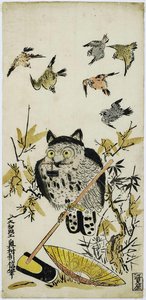
okumura toshinobu
Japan
Quick Facts
- Artistic Movement Or Style: Ukiyo-e
- Artists Or Movements Influenced By This Artist: ['Torii School']
- Artists Who Influenced This Artist: ['Okumura Masanobu']
- Full Name: Okumura Toshinobu
- Nationality: Japanese
- Notable Artworks:
- An Owl and Sparrows
- Okumura Toshinobu - Actor (unidentified) as a Peddler of Dry Goods
- Place Of Birth: Japan

