 Preview
 Send
Send Share
Share
 Details

 Download
 Similars
 X-Ray
X-Ray Diaporama
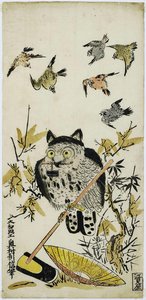
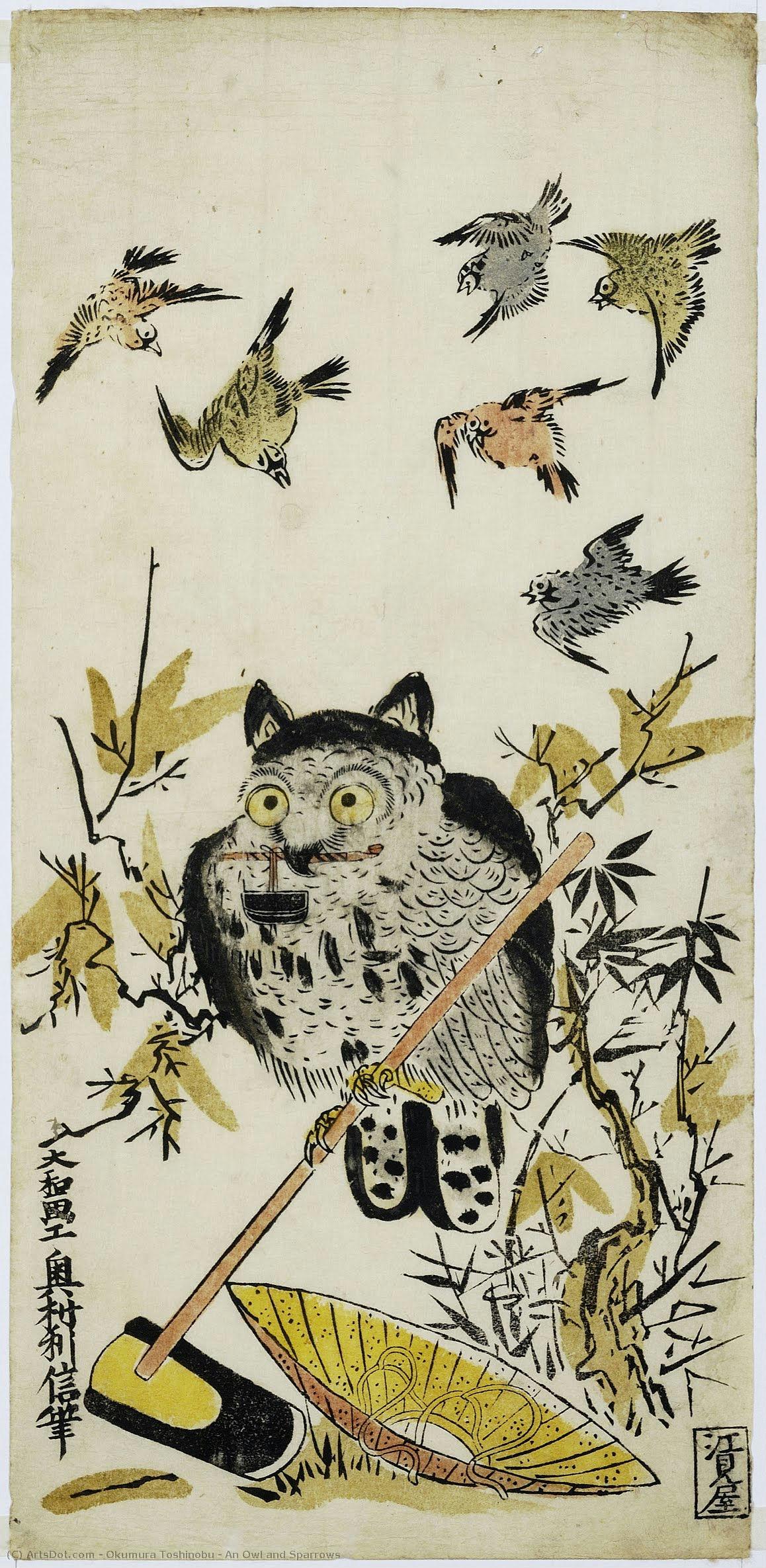
An Owl and Sparrows
 Ukiyo-e
 15.0 x 33.0 cm
 Tobacco and Salt Museum
 Read More
Hand Made Oil Reproduction
Hand-painted oil on canvas in your size and frame, made to order by our artists. ( Buy Print Buy Image)




































Pick from our preset sizes that match the artwork's original proportions.

You may enter your own dimensions to fit a specific frame or space. If your selected size does not match the original image's proportions, we will either crop the artwork or extend the painting with additional hand-painted elements. A digital mockup will be sent for your approval before production begins.
Please note that the on-screen preview does not reflect the actual cropping or extension. Only the mockup will accurately show the final composition.
While custom sizes are available, we recommend selecting a dimension from the predefined list to preserve the original proportions.
After order, ArtsDot.com team will email client for instructions and provide a mockup preview
Worldwide Delivery () in 3/4 weeks instead of standard 5 weeks. (24 August). No compromise on quality.

Free Worldwide Express Shipping

High-Quality Linen Canvas

Full Shipping Insurance

Customs Tax Refund Guarantee

True Color Matching Guarantee

60-Day Return Policy (Defects Only)

100% Money-Back Guarantee

Bulk Discount Offer
 Glass option is only available in size under 110 CM

An Owl and Sparrows
Reproduction Medium
Reproduction Size
-


Total Price
$ 263
Related Artworks
Artist Biography
A Subtle Charm: The World of Okumura Toshinobu
Okumura Toshinobu remains a somewhat enigmatic figure in the vibrant landscape of Edo-period *ukiyo-e*, yet his contributions are undeniably significant. Active primarily during the Genbun era (1716–1741), he stands as the sole documented pupil of Okumura Masanobu, a pivotal artist who helped establish the early conventions of woodblock printmaking. While overshadowed by his teacher and later masters like Torii Kiyonobu, Toshinobu carved out a unique space for himself with prints characterized by their delicate detail, soft forms, and an emphasis on intimate scenes of everyday life and romantic portrayals within the *kabuki* theater. His birth and death dates remain unknown, adding to the mystique surrounding this talented artist whose work offers a fascinating glimpse into the evolving sensibilities of 18th-century Japan.The Apprentice’s Path and Early Style
Toshinobu's artistic journey began under the tutelage of Okumura Masanobu, a figure central to the development of *ukiyo-e*. Masanobu pioneered techniques that moved away from earlier hand-painted styles toward reproducible prints, catering to the growing merchant class’s desire for affordable art. Toshinobu absorbed these foundational skills but quickly developed his own distinct voice. Initially working within the established frameworks of *beni-e* (red picture prints) and *urushi-e* (lacquer prints), he demonstrated a remarkable aptitude for capturing subtle nuances in expression and form. Unlike Masanobu’s more formal approach, Toshinobu's early works exhibit a gentle animation and a particular charm that often surpassed his teacher’s precision. He wasn’t merely replicating; he was refining, imbuing his prints with a softer, more approachable aesthetic. Many of his early prints were published independently, suggesting an eagerness to establish his own artistic identity even while learning from Masanobu.Scenes of Daily Life and the World of Kabuki
The majority of Toshinobu’s oeuvre focuses on two primary subjects: scenes of everyday life in Edo and portraits of *kabuki* actors (*yakusha-e*). His depictions of daily life are particularly captivating, showcasing vendors selling their wares, people engaged in various occupations, and glimpses into the bustling urban environment. These prints weren't simply documentary; they were imbued with a sense of warmth and humanity, capturing the energy and vibrancy of Edo society. He excelled at portraying these scenes with meticulous detail, rendering textures, fabrics, and facial expressions with remarkable accuracy. His *yakusha-e* portraits offer an interesting contrast to those produced by the Torii school, which often emphasized heroic or dramatic poses. Toshinobu instead favored depictions of romance and intimacy, capturing actors in moments of quiet contemplation or tender interaction. This focus on emotional nuance set his work apart and appealed to a different sensibility within the *ukiyo-e* market. He captured not just the likeness of the actor but also the essence of the character they portrayed, often highlighting their beauty and grace.Technical Mastery and Artistic Legacy
Toshinobu’s technical skill was evident in his masterful use of color and line. While working within the limitations of *beni-e* and *urushi-e*, he achieved a remarkable range of tones and textures through careful layering and precise carving techniques. His prints are characterized by their delicate gradations of color, soft outlines, and attention to detail. He was particularly adept at rendering fabrics and patterns, adding depth and realism to his compositions. Although not as widely celebrated as some of his contemporaries, Toshinobu’s influence can be seen in the work of later *ukiyo-e* artists who followed in his footsteps. His emphasis on emotional nuance, intimate scenes, and refined color application helped pave the way for new developments within the genre. He demonstrated a sensitivity to human emotion and a keen eye for detail that continues to resonate with viewers today.Historical Significance
Okumura Toshinobu’s work provides valuable insight into the social and cultural landscape of Edo-period Japan. His prints offer a glimpse into the lives of ordinary people, the vibrant world of *kabuki* theater, and the evolving tastes of the merchant class. He was part of a generation of artists who transformed *ukiyo-e* from a niche craft into a popular art form, accessible to a wider audience. While his name may not be as instantly recognizable as some of the more famous *ukiyo-e* masters, Toshinobu’s contributions were essential in shaping the development of this iconic Japanese art form and continue to be appreciated for their subtle charm and artistic merit.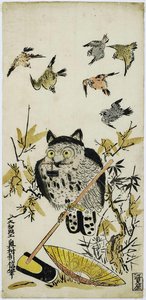
okumura toshinobu
Japan
Quick Facts
- Artistic Movement Or Style: Ukiyo-e
- Artists Or Movements Influenced By This Artist: ['Torii School']
- Artists Who Influenced This Artist: ['Okumura Masanobu']
- Full Name: Okumura Toshinobu
- Nationality: Japanese
- Notable Artworks:
- An Owl and Sparrows
- Okumura Toshinobu - Actor (unidentified) as a Peddler of Dry Goods
- Place Of Birth: Japan
Related Articles

Hokusai's Masterpieces: 25 Iconic Prints & Paintings for Art Lovers | ArtsDot
Journey through Katsushika Hokusai’s 25 most iconic artworks, including *The Great Wave*. Explore the ukiyo-e master's history, style & timeless Japanese woodblock prints. Find museum-quality reproductions for your home at ArtsDot.com.
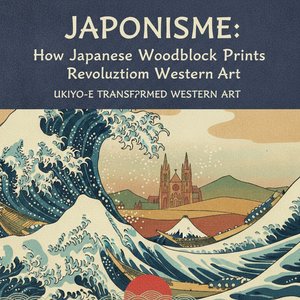
Japonisme: How Japanese Woodblock Prints Revolutionized Western Art
Explore the profound impact of Japonisme on Western art. Discover how Japanese ukiyo-e woodblock prints revolutionized perspective, color, and composition for masters like Monet and Van Gogh, forever changing the course of modern art history.
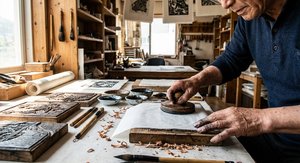
The Enduring Legacy of Woodblock Printmaking: Technique, History & Artistic Expression
Explore the rich history of woodblock printmaking – from ancient techniques to Ukiyo-e masterpieces. Discover expert insights on collecting, preserving & appreciating this enduring art form.
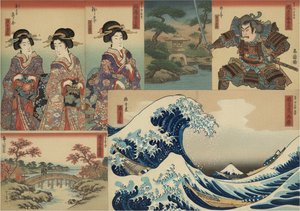
Ukiyo-e: Exploring Japan's Floating World & Enduring Artistic Legacy
Explore the captivating world of Ukiyo-e – Japan's iconic woodblock prints! Discover masters like Hokusai & Hiroshige, learn about Edo period culture, and find expert art collecting guidance at ArtsDot.
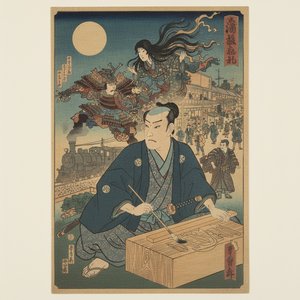
Tsukioka Yoshitoshi: A Master of Ukiyo-e's Final Flourish – Narrative, Innovation, and the Meiji Transition
Explore the life & art of Tsukioka Yoshitoshi, the last great master of ukiyo-e woodblock printing. Discover his dramatic warrior prints, innovative series like 'One Hundred Aspects of the Moon,' and legacy reflecting Japan's Meiji transition.