 Preview
 Send
Send Share
Share
 Details

 Download
 Similars
 X-Ray
X-Ray Diaporama
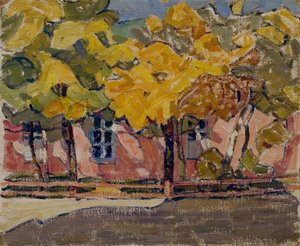
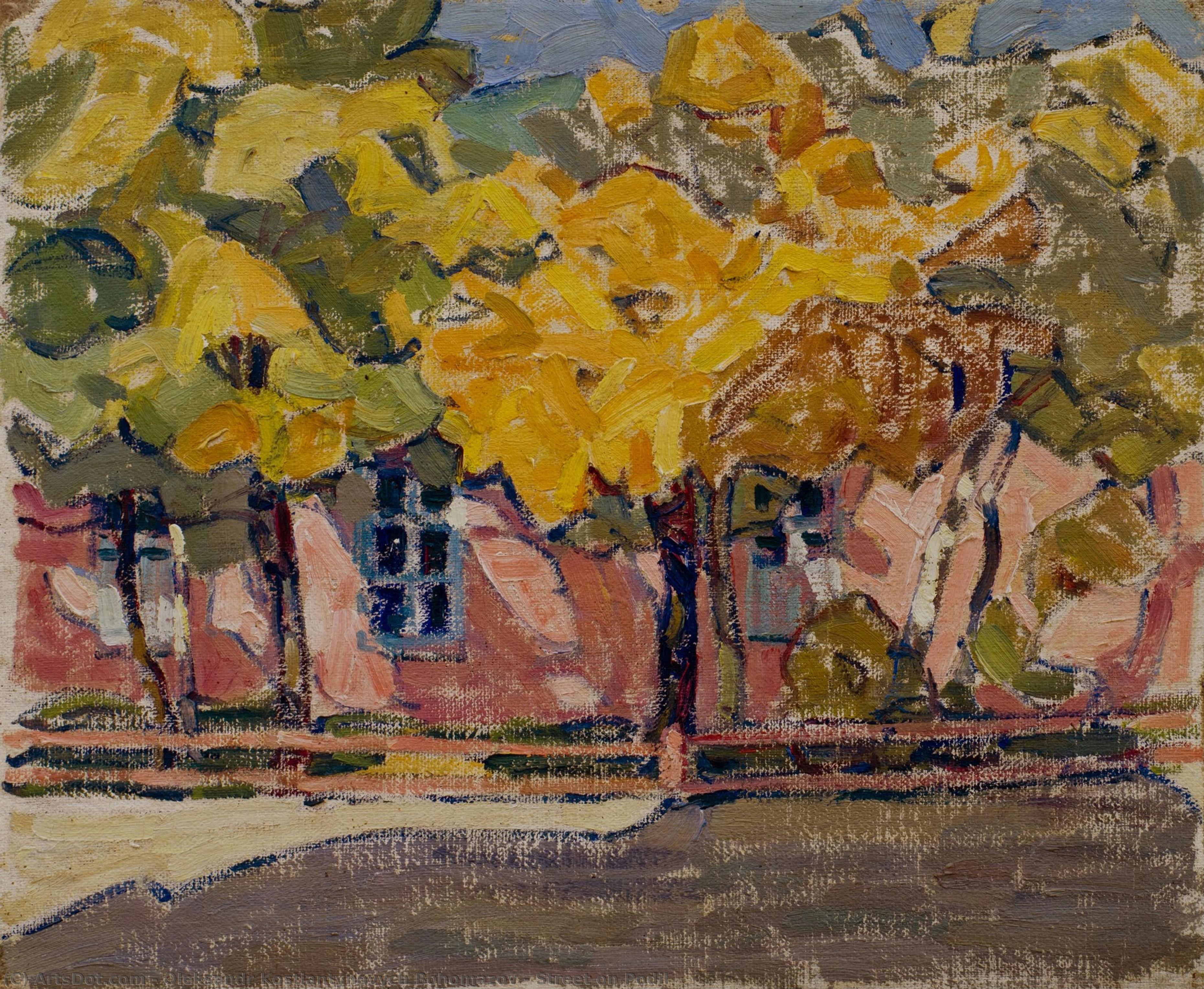
Street on Podil


 Read More
Hand Made Oil Reproduction
Hand-painted oil on canvas in your size and frame, made to order by our artists. ( Buy Print Buy Image)




P118B $10

P118H $10

P118W $10

P438Z $10

P508JH $12

P508YH $12

P805H $10

P805Z $10

P919BZ $10

P919G $10

P919XJ $10

P959ZH $10

P968JZ $12

W106C $8

W218G $10

W218JH $8

W218Y $10

W307PJ $10

W316G $10

W316PJ $8

W316Y $10

W398PJ $8

W4111J $10

W500HY $15

W500JH $15

W692G $12

W849H $8

W940BG $15

W953PJ $8




Pick from our preset sizes that match the artwork's original proportions.

You may enter your own dimensions to fit a specific frame or space. If your selected size does not match the original image's proportions, we will either crop the artwork or extend the painting with additional hand-painted elements. A digital mockup will be sent for your approval before production begins.
Please note that the on-screen preview does not reflect the actual cropping or extension. Only the mockup will accurately show the final composition.
While custom sizes are available, we recommend selecting a dimension from the predefined list to preserve the original proportions.
After order, ArtsDot.com team will email client for instructions and provide a mockup preview
Worldwide Delivery () in 3/4 weeks instead of standard 5 weeks. (24 August). No compromise on quality.

Free Worldwide Express Shipping

High-Quality Linen Canvas

Full Shipping Insurance

Customs Tax Refund Guarantee

True Color Matching Guarantee

60-Day Return Policy (Defects Only)

100% Money-Back Guarantee

Bulk Discount Offer
 Glass option is only available in size under 110 CM

Street on Podil
Reproduction Medium
Reproduction Size
-


Total Price
$ 263
Artwork Description
A Golden Afternoon in Kyiv: The Vibrancy of Street on Podil
In the heart of 1912, the bustling streets of Podil were captured not merely as a geographical location, but as a living, breathing organism through the visionary eyes of Oleksandr Kostiantynovych Bohomazov. Street on Podil serves as a breathtaking window into a bygone era, where the rhythmic pulse of urban life meets the quiet majesty of nature. The canvas is bathed in the warm, amber glow of autumn, with trees adorned in brilliant yellow leaves that seem to flicker like candlelight against the sky. This interplay of light and color creates a sense of temporal magic, inviting the viewer to step into a moment where time feels suspended amidst the gentle movement of passersby and the playful presence of dogs wandering the sidewalk.
The composition is a masterclass in creating depth and dimension. Bohomazov utilizes the natural architecture of the tree-lined street to guide the eye through the scene, leading the observer from the immediate foreground into the hazy, atmospheric distance. This technique does more than just replicate a physical space; it builds an immersive environment where the viewer feels the cool autumn air and hears the distant murmur of the city. The figures scattered along the path—some solitary, some in small groups—provide a human scale to the grandeur of the landscape, grounding the avant-garde sensibilities of the artist in the relatable, everyday beauty of communal life.
The Avant-Garde Spirit: Technique and Emotional Resonance
As a pioneer of the Ukrainian avant-garde, Bohomazov brings a sophisticated level of theoretical depth to this work. While the subject matter appears tranquil, the brushwork hints at the emerging Cubo-Futurist and Spectralist influences that would define his career. There is a deliberate energy in how the colors are applied, creating a texture that feels both tactile and ethereal. The vibrant yellows and earthy tones are not merely descriptive; they are emotive, designed to evoke the bittersweet nostalgia of a changing season. For the collector or interior designer, this piece offers a profound emotional anchor, providing a sophisticated palette of gold and ochre that can breathe warmth and historical character into any curated space.
To possess a reproduction of Street on Podil is to hold a fragment of art history’s most transformative period. It is an invitation to celebrate the intersection of urban progress and natural splendor. Whether placed in a sunlit gallery or as a focal point in a modern living room, the painting acts as a conversation starter—a testament to the enduring power of light, movement, and the human spirit captured in a single, golden moment of 1912.
Related Artworks
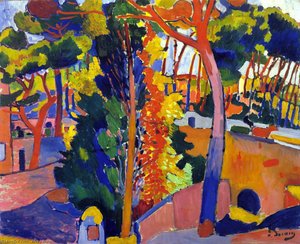
Artist Biography
Vincent van Gogh: A Life Painted in Bold Emotion
Vincent van Gogh, a name synonymous with passionate brushstrokes and intensely colored landscapes, remains one of the most recognizable figures in art history. Born in 1853 in Groot-Zundert, Netherlands, his life was tragically short – just seventeen years – yet within that brief span, he produced over two thousand works, leaving behind an extraordinary legacy that continues to resonate with audiences worldwide. More than simply a painter, Van Gogh was a man consumed by his art, driven by a profound need to capture the world around him and, perhaps more importantly, the turbulent emotions within himself.
Van Gogh’s early life offered little indication of the artistic genius he would become. He worked as an art dealer, a missionary, and even briefly as a teacher – roles that provided limited fulfillment. It wasn't until his late twenties, however, that he finally dedicated himself to painting, initially influenced by the Barbizon School artists who favored depicting rural life with earthy tones and realistic detail. His early works, particularly those created in Nuenen (1883-1885), such as *The Potato Eaters*, demonstrate this influence – a gritty portrayal of peasant farmers reflecting Van Gogh’s desire to connect with the working class and capture their honest existence. These paintings, characterized by dark palettes and thick impasto, foreshadowed his later stylistic developments.
Parisian Transformation: Embracing Impressionism and Beyond
A pivotal moment in Van Gogh's artistic journey arrived in 1886 when he moved to Paris. This relocation proved transformative, exposing him to the vibrant world of Parisian art and dramatically altering his style. He encountered the works of Impressionists like Claude Monet and Pierre-Auguste Renoir, absorbing their techniques of capturing fleeting moments of light and color. However, Van Gogh didn’t simply imitate; he pushed these influences further, experimenting with brighter palettes, looser brushstrokes, and a greater emphasis on subjective perception. The influence of Neo-Impressionism, particularly the pointillist technique championed by Georges Seurat and Paul Signac, is also evident in his Parisian paintings, such as *Self-Portrait with a Straw Hat*, where he employed small dots of color to create shimmering effects.
He began to explore complementary colors – juxtaposing hues like blue and orange or red and green – to intensify the visual impact of his work. This bold approach, combined with his expressive brushwork, created a sense of dynamism and emotional intensity that would become hallmarks of his style. The Parisian period was also marked by intense personal struggles, contributing to the psychological depth evident in many of his self-portraits.
Southern France: The Yellow Years
In 1888, Van Gogh moved to Arles in southern France, seeking a haven for artistic creation and hoping to establish an artist’s colony. This period, often referred to as the “yellow years,” is characterized by a particularly vibrant use of yellow – a color he associated with sunlight, optimism, and hope. He painted numerous scenes of sunflowers, wheatfields, and landscapes bathed in golden light, capturing the beauty and intensity of the Provençal countryside. Notable works from this time include *Sunflowers* (a series of paintings), *The Yellow House*, and *Wheatfield with Crows*.
Despite his artistic successes, Van Gogh’s mental health deteriorated during this period. He suffered from episodes of intense anxiety and depression, exacerbated by the isolation and challenges of establishing his artistic community. His strained relationship with fellow artist Paul Gauguin ultimately led to a dramatic breakdown in July 1888, culminating in Van Gogh's self-inflicted mutilation of his ear.
Late Works & Legacy
Following his hospitalization in Arles, Van Gogh moved to Saint-Rémy and later Auvers-sur-Oise, where he continued to paint prolifically. His late works are characterized by a heightened sense of emotional intensity and experimentation with form and color. *The Starry Night*, painted while residing at the Saint-Paul-de-Mausole asylum, is perhaps his most iconic work – a swirling, dreamlike depiction of the night sky filled with turbulent energy. Other significant paintings from this period include *Wheatfield with Crows* and *At Eternity’s Gate*.
Van Gogh died on July 29, 1890, at the age of 37, leaving behind a body of work that was largely unrecognized during his lifetime. It wasn't until after his death, through the efforts of his brother Theo and later art critics, that Van Gogh’s genius began to be appreciated. Today, he is celebrated as a pioneer of modern art, whose expressive use of color, dynamic brushwork, and deeply personal vision profoundly influenced generations of artists – from Expressionists like Edvard Munch to Abstract Expressionists like Jackson Pollock. His work continues to captivate viewers with its raw emotion, vibrant colors, and enduring power.
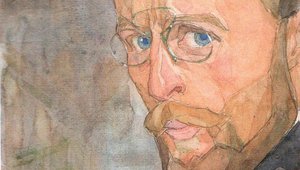
oleksandr kostiantynovych bohomazov
1880 - 1930 , Ukraine
Quick Facts
- Artistic Movement Or Style: Post-Impressionism
- Artists Or Movements Influenced By This Artist:
- Fauves
- Expressionism
- Artists Who Influenced This Artist:
- Jean-François Millet
- Theo van Gogh
- Date Of Birth: March 30, 1853
- Date Of Death: July 29, 1890
- Full Name: Vincent Willem van Gogh
- Nationality: Dutch
- Notable Artworks:
- Sunflowers
- Bedroom in Arles
- The Starry Night
- Wheatfield with Crows
- Place Of Birth: Ghent, Belgium
Related Articles
Golden Hues: Top 10 Paintings Dominated by Yellow Ochre |
Explore 10 iconic paintings bathed in golden yellow ochre! From Van Gogh's sunflowers to Monet’s haystacks, discover the stories behind these masterpieces. Find museum-quality art reproductions & elevate your home decor on .
Golden Hues: 10 Masterpieces Dominated by Chrome Yellow | ArtsDot
Immerse yourself in golden light! Explore 10 famous paintings dominated by 'Chrome Yellow', from Van Gogh’s Sunflowers to Monet's Haystacks. Discover the stories behind these iconic Impressionist & Post-Impressionist masterpieces and find museum-quality art reproductions at ArtsDot.com.
Beyond Graffiti: Exploring the Evolution & Cultural Impact of Street Art for Collectors
Explore the evolution of street art from rebellious origins to a respected fine art form. Discover key artists like Banksy & learn how to collect urban art with confidence. Expert insights for discerning investors.
Beyond the Gallery Walls: The Rise of Contemporary Street Art
Explore the captivating world of contemporary street art! Discover its history, influential artists like Banksy, and evolving role in urban culture. Expert insights & analysis.
The Golden Hue: Exploring Symbolism & Emotion in Yellow Art
Explore the rich symbolism & emotional power of yellow in art history! From Van Gogh to Kandinsky, discover how artists used this vibrant hue. Expert analysis & high-quality reproductions at ArtsDot.