 Preview
 Send
Send Share
Share
 Details

 Download
 Similars
 X-Ray
X-Ray Diaporama
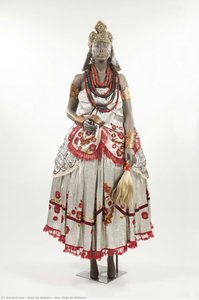
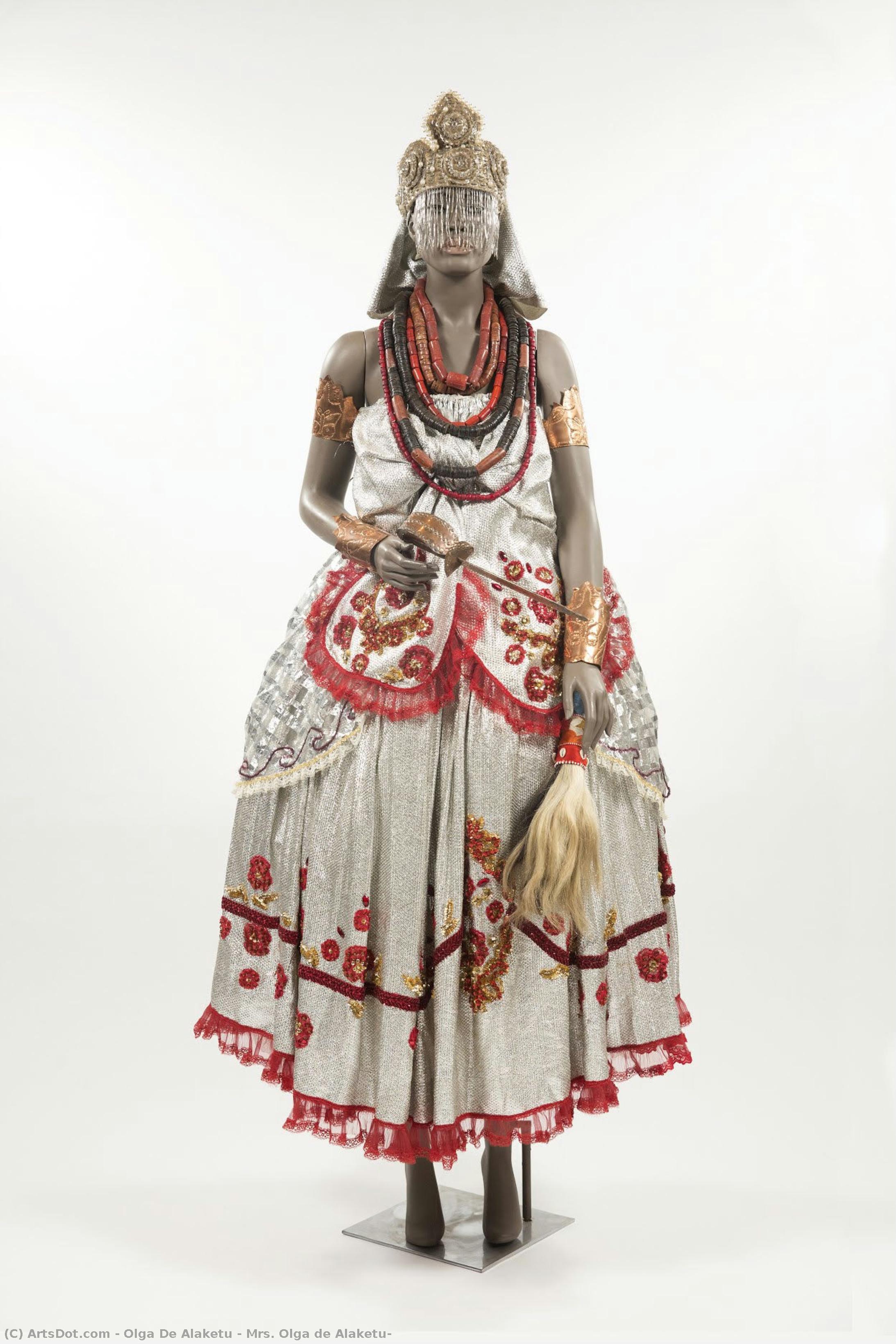
Mrs. Olga de Alaketu
 5.0 x 55.0 cm
 Afro Brasil Emanoel Araujo Museum
 Read More
Hand Made Oil Reproduction
Hand-painted oil on canvas in your size and frame, made to order by our artists. ( Buy Print Buy Image)




































Pick from our preset sizes that match the artwork's original proportions.

You may enter your own dimensions to fit a specific frame or space. If your selected size does not match the original image's proportions, we will either crop the artwork or extend the painting with additional hand-painted elements. A digital mockup will be sent for your approval before production begins.
Please note that the on-screen preview does not reflect the actual cropping or extension. Only the mockup will accurately show the final composition.
While custom sizes are available, we recommend selecting a dimension from the predefined list to preserve the original proportions.
After order, ArtsDot.com team will email client for instructions and provide a mockup preview
Worldwide Delivery () in 3/4 weeks instead of standard 5 weeks. (23 August). No compromise on quality.

Free Worldwide Express Shipping

High-Quality Linen Canvas

Full Shipping Insurance

Customs Tax Refund Guarantee

True Color Matching Guarantee

60-Day Return Policy (Defects Only)

100% Money-Back Guarantee

Bulk Discount Offer
 Glass option is only available in size under 110 CM

Mrs. Olga de Alaketu
Reproduction Medium
Reproduction Size
-


Total Price
$ 263
Artwork Description
Related Artworks


![[indian Woman And Child] — Charles Marion Russell, Folk Art](/media/artworks/images-thumb/f7/b5/f7b5e9cfd7a06e70bccf9f5bda620235.jpg)
Artist Biography
Olga de Alaketu: Guardian of Yoruba Tradition
Olga de Alaketu, también conocida como madre olga, fue una prominente sumo sacerdote candomblé nacido en ketu (actual benin) alrededor de 1925. Ella fue llevada a brasil por los portugueses y fue obligada a esclavitud. Olga de alaketu utilizó las costumbres y tradiciones de su patria para establecerse en la sociedad afrobrasileña y diferenciarse de su identidad de esclavo. Ella jugó un papel central en muchas iniciativas espirituales dentro de su comunidad y fue influyente en la promoción de la religión diáspora africana candomblé y la distancia del catolicismo. Olga de alaketu murió en salvador da bahia, brasil, en 2005. Her life began in a region steeped in Yoruba heritage—Ketu, Benin Republic—a place where ancestral traditions held sway long before European colonization. Born into a lineage tracing back to the Aro royal family, Olga’s early years were marked by hardship and displacement as her family endured the trauma of slavery, shaping her worldview and fueling her unwavering devotion to Candomblé. This formative experience instilled in her a profound understanding of resilience and cultural preservation—values that would define her entire life's work.- Early Life & Family: Olga’s upbringing fostered a deep connection to Yoruba spirituality, passed down through generations. Her father, Dionísia Francisca Régis, was descended from Otampê Ojarô, who established Terreiro Alaketu in Bahia during the 18th century—a pivotal moment in Candomblé's history as it separated itself from Catholic influence.
- Becoming Iya Olá: At the age of 24, Olga ascended to the role of Iya Olá (mother priestess) within Ile Maroia Laji temple, a position she held with distinction for decades. This honor signified not only leadership but also responsibility for safeguarding Yoruba traditions and transmitting them to future generations.
The Influence of Yoruba Cosmology on Olga’s Practice
Candomblé's cosmology—centered around Orishás (spirits)—provided the framework for Olga’s spiritual practice. These deities, originating in Nigeria and Benin, are venerated through elaborate rituals involving music, dance, and offerings—practices designed to foster harmony between humans and the divine realm. Olga’s understanding of Yoruba symbolism profoundly impacted her ceremonies and teachings, emphasizing the importance of honoring ancestral spirits and maintaining a connection to the natural world. Her work was recognized by Gilberto Gil who said “In the last forty years, we can consider Mother Olga as the greatest proponent of the religion of the Orishás in all Brazil.”Ile Maroia Laji: A Temple Dedicated to Tradition
Ile Maroia Laji temple stands as a testament to Olga’s legacy—a vibrant center for Candomblé worship and cultural preservation. Founded by Otampê Ojarô, it embodies the spirit of Yoruba diaspora culture, resisting assimilation into Catholicism and upholding the sanctity of ancestral rituals. The temple's significance extends beyond its religious function; it serves as a repository of Yoruba knowledge and artistic expression—a place where traditions continue to thrive despite external pressures. Olga’s unwavering commitment to Ile Maroia Laji cemented her reputation as a guardian of Yoruba heritage and ensured that her teachings would endure for generations to come.Recognition & Legacy
Olga de Alaketu received the Order of Cultural Merit from the Brazilian government in 1997, acknowledging her contribution to Candomblé’s promotion and its distinction from Catholicism. Her influence resonated throughout Salvador da Bahia and beyond—inspiring countless individuals to embrace Yoruba spirituality and celebrate Afro-Brazilian culture. Olga's passing in 2005 marked the end of an era, but her spirit lives on in Ile Maroia Laji temple and in the hearts of those who cherish the traditions she championed. Her story serves as a powerful reminder of the resilience of cultural identity and the enduring power of faith—a legacy that continues to inspire artists and scholars alike.Further Exploration
For more information about Olga de Alaketu’s life and work, consider visiting these resources:- Wikipedia: https://en.wikipedia.org/wiki/Olga_de_Alaketu
- Facebook:
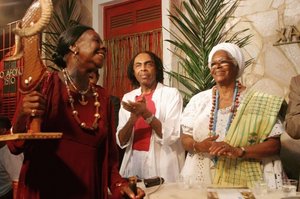
olga de alaketu
2005 , Benin Republic
Quick Facts
- Artistic Movement Or Style: Candomblé
- Artists Or Movements Influenced By This Artist: ['Yoruba Religion']
- Artists Who Influenced This Artist: ['Otampê Ojarô']
- Date Of Birth: Ketu (town), Benin Republic ()
- Date Of Death: 2005
- Full Name: Olga de Alaketu
- Nationality: Beninese
- Notable Artworks: ['Mother Olga']
- Place Of Birth: WahooArt