


A Sanctuary of Memory: The Soul of Afro-Brazilian Heritage
In the verdant expanse of São Paulo’s Ibirapuera Park, where the city's frantic pulse meets the serenity of nature, lies a profound testament to resilience and creative brilliance: the Museu Afro Brasil Emanoel Araujo . This is not merely a repository for artifacts; it is a living, breathing narrative woven from the intricate threads of the African diaspora, Brazilian history, and an unyielding spirit of cultural reclamation. Established in 2004 by the visionary artist and curator Emanoel Araújo, the museum serves as a sacred space where the often-overlooked contributions of Afro-Brazilians are not only preserved but celebrated with unparalleled grandeur. To step inside is to enter a realm where history breathes, inviting visitors to witness the complex forging of a national identity through the lens of art and memory.
The museum’s physical presence is as much a masterpiece as the treasures it holds. Housed within the Manoel da Nóngba Pavilion , the architecture itself pays homage to the legendary modernist Oscar Niemeyer. Designed in 1959, the structure’s fluid, sweeping lines and expansive, light-filled spaces create a harmonious dialogue between form and content. For the art lover or interior designer, the building offers a masterclass in how modernist aesthetics can provide a serene, sculptural backdrop that enhances rather than overshadows the exhibits. Niemeyer’s emphasis on natural light and open circulation mirrors the museum's mission of inclusivity, allowing the diverse collection to glow with an organic, inviting warmth.
A Tapestry of Ancestral Energy and Modern Mastery
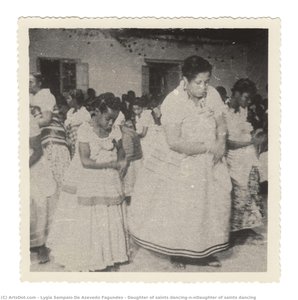
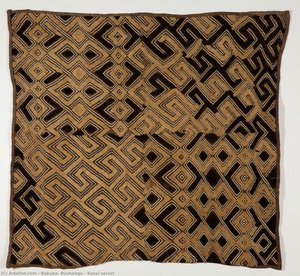
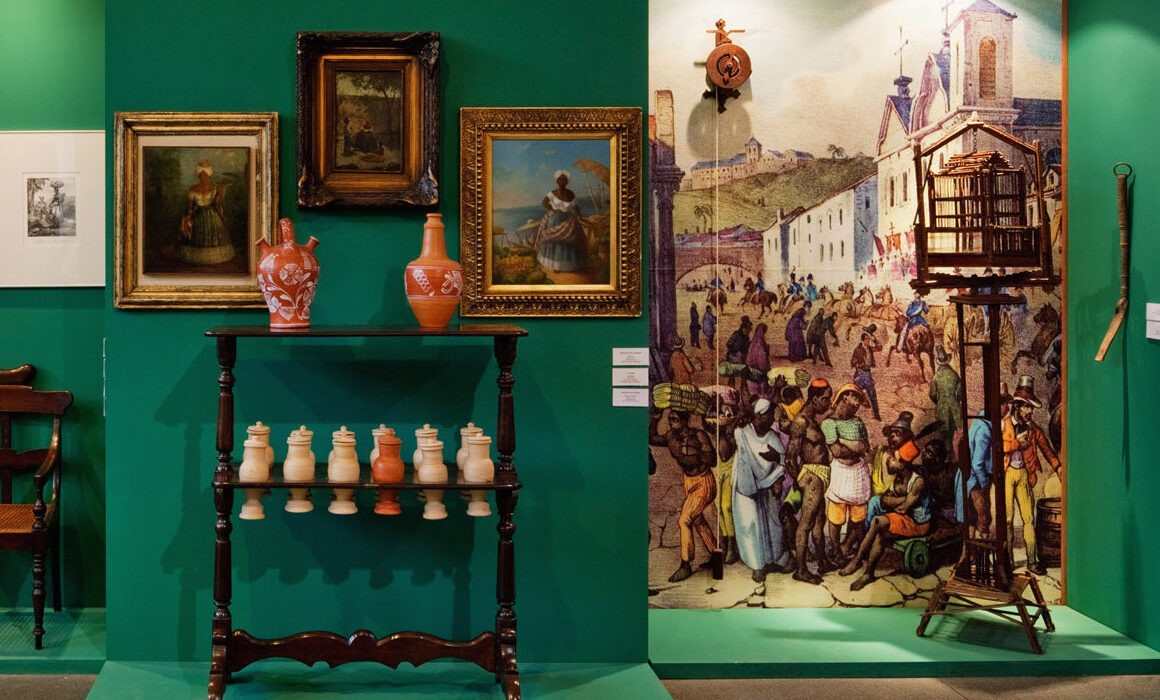
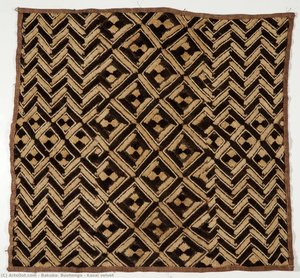
The heart of the museum beats within its extraordinary collection, which exceeds 6,000 items, making it the largest institution of its kind in the Americas. This vast assemblage spans centuries, ranging from 15th-century historical documents to poignant contemporary works. The collection is a carefully curated journey through time, where one might encounter the profound spiritual symbols of Candomblé and Umbanda alongside the stark, moving realities of slavery in Brazil. For collectors of ethnological art, the museum offers an intimate glimpse into the rituals and daily lives of African and Afro-Brazilian communities through artifacts that pulse with ancestral energy.
The 20th-century art section is particularly breathtaking, showcasing masters who transformed their surroundings into canvases of spiritual depth and social commentary. Visitors can find themselves captivated by the geometric precision and symbolic power found in the works of Rubem Valentim , the rhythmic storytelling of Heitor dos Prazes , and the profound sculptural presence of Master Didi . These artists do not merely present objects; they present a visual language of resistance and identity that continues to resonate with contemporary global art movements.
A Dynamic Epicenter for Cultural Discourse
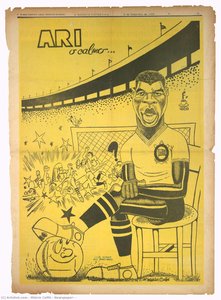
Beyond its permanent galleries, the Museu Afro Brasil functions as a dynamic epicenter for cultural engagement and intellectual discourse. It is a place where the past informs the present through temporary exhibitions that tackle vital social themes, such as the celebrated 2014 exploration of Black athletes in Brazilian football. With its specialized library, on-site theater, and a continuous program of lectures and workshops, the museum fosters a deep connection between scholarly research and public celebration.
Ultimately, the museum remains a beacon of hope and a powerful reminder that art is a vehicle for social change. It ensures that the vibrant legacy of Emanoel Araújo continues to illuminate the path toward a more just and equitable future, inviting every visitor to participate in the ongoing reclamation of a magnificent, multifaceted history.