

 Preview
 Send
Send Share
Share
 Details

 Download
 Similars
 X-Ray
X-Ray Diaporama
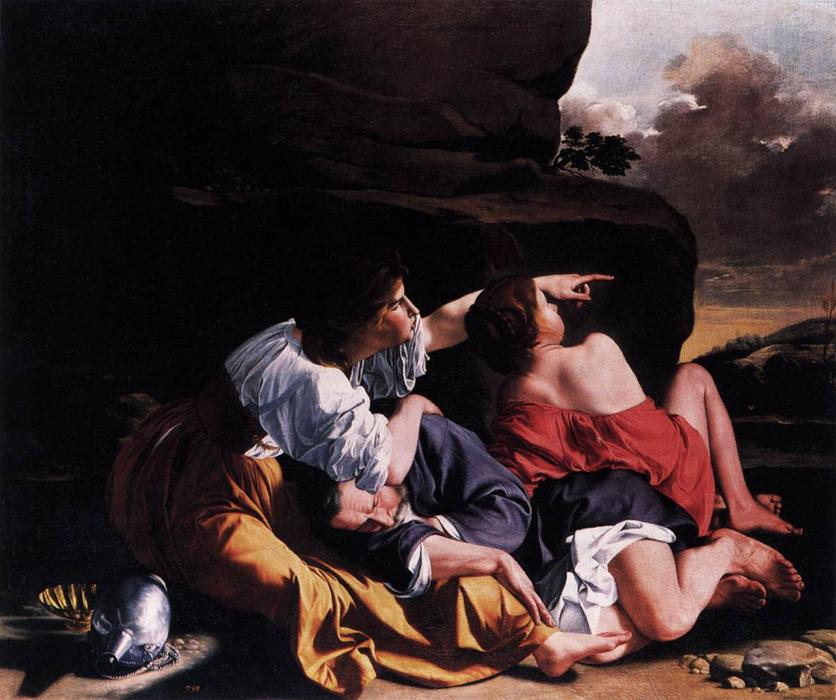
Lot and His Daughters
 Acrylic On Canvas
- WallArt
- Baroque Painting
 1622
1622 164.0 x 193.0 cm
 Staatliche Museen
 Read More
Purchase a high-resolution, enhanced digital image, far superior to the online preview.
Each file is meticulously prepared by our in-house specialists using advanced tools and expert manual retouching. We ensure every image has exceptional clarity, precise color accuracy, and fine detail.
The final file is delivered via email within 72 hours, optimized for immediate use in professional, editorial, and print environments. This is the same quality trusted by top-tier design studios, publishers, and galleries.
Digital Image
Download a high-resolution file for personal display, printing, and creative projects. ( Buy Print Buy Hand Made Painting)
Included in Every Digital Image Order
Expert Digital Delivery, Guaranteed
When you choose ArtsDot.com, you're not just getting an image - you're receiving a professionally enhanced digital artwork, crafted with precision and backed by a satisfaction guarantee. Here's everything that comes with your order, automatically:

Fast Email Delivery
Your high-resolution digital image file will be emailed to you within 72 hours of ordering - ready for immediate use.

AI-Enhanced Digital File
Your artwork is professionally optimized using advanced AI tools and manual editing, ensuring maximum detail, clarity, and color accuracy.

Free Lifetime Re-Delivery
Accidentally deleted or lost your file? No worries - we'll resend it to you anytime, free of charge.

No Import Fees - Ever
Enjoy your artwork instantly with zero customs, duties, or delivery fees - digital downloads are always tax-free.

Color Accuracy Guarantee
We ensure your digital image reflects the original colors as closely as possible using professional tools and color management.

60-Day Satisfaction Guarantee
If you're not satisfied with your digital image, we'll revise it or refund 100% within 60 days - no questions asked.

100% Money-Back Guarantee
Not satisfied? Get a full refund within 60 days of receiving your digital file - no questions asked.

Bulk Order Discounts
Buy 3 images, save 10% - Buy 5, save 15% - Buy 10+, save 20%. Great for creative projects, galleries, and agencies.
Collectible Description
Orazio Gentileschi’s “Lot and His Daughters”: A Descent Into Shadow and Hope
“Lot and His Daughters,” painted in 1622 by the Florentine artist Orazio Gentileschi, is not merely a biblical depiction; it's a profound meditation on survival, transgression, and the unsettling beauty of human resilience. This monumental canvas, now residing within the Getty Museum’s collection in Los Angeles, immediately commands attention with its dramatic chiaroscuro – a masterful deployment of light and shadow that plunges the scene into an atmosphere both terrifying and strangely alluring. The painting captures a pivotal moment from Genesis: Lot, fleeing the destruction of Sodom and Gomorrah, offers his two daughters as a desperate measure to perpetuate their lineage in a world consumed by divine wrath.
Gentileschi’s style at this period represents a fascinating synthesis of influences. He inherited the meticulous detail and compositional rigor from his father, Orazio Lomi, who had been trained under Cola dell'Amata and Francesco da Sangallo. However, Gentileschi embraced the revolutionary naturalism championed by Caravaggio, adopting his penchant for painting directly from life, eschewing idealized forms in favor of a raw, almost brutal realism. This is evident in the faces of Lot’s daughters – not delicate beauties, but young women hardened by circumstance and bearing an unsettling intensity. Their postures are subtly suggestive, hinting at the desperate measures they've undertaken without resorting to overt sensuality.
The Composition: A Dance of Darkness and Revelation
The composition itself is a carefully orchestrated drama. The foreground is dominated by the three women – Lot’s daughters – huddled together on the ground, their backs turned towards the viewer, creating an immediate sense of intimacy and vulnerability. Their shared predicament binds them in a silent pact. Behind them, shrouded in shadow, stands Lot, his face etched with despair and resignation. Crucially, the eye is drawn to the distant horizon where the fiery devastation of Sodom and Gomorrah – rendered in vibrant reds and oranges – serves as a constant, terrifying reminder of their perilous situation. The use of tenebrism, characteristic of Caravaggio’s style, intensifies this sense of drama, highlighting key figures while plunging the rest of the scene into darkness.
The artist skillfully employs atmospheric perspective to create depth and distance. The distant city is rendered in muted tones, emphasizing its remoteness and the overwhelming scale of the impending catastrophe. The subtle variations in color and texture – from the rough earth beneath the women’s feet to the shimmering heat haze above the ruined cities – contribute to a remarkably convincing sense of realism. Gentileschi's attention to detail extends to the smallest elements, such as the folds of their clothing and the expressions on their faces, further enhancing the painting’s emotional impact.
Symbolism and Interpretation: Incest, Survival, and Divine Judgment
“Lot and His Daughters” is laden with symbolic meaning. The offering of the daughters represents a desperate attempt to defy divine judgment – a primal act of survival rooted in the instinct to perpetuate one’s lineage. The subsequent incestuous union, though unsettling, becomes a potent symbol of humanity's tenacity in the face of annihilation. It speaks to the lengths to which people will go to ensure their species continues, even at the cost of violating moral boundaries.
However, the painting is not simply a tale of transgression. The distant flames of Sodom and Gomorrah serve as a constant reminder of divine wrath – a judgment that underscores the wickedness of the cities and highlights the precariousness of human existence. The painting’s enduring power lies in its ability to grapple with complex themes of morality, survival, and the consequences of sin. It's a haunting meditation on humanity's capacity for both destruction and resilience.
A Legacy of Baroque Drama
Orazio Gentileschi’s “Lot and His Daughters” stands as a testament to his artistic skill and his mastery of the Baroque style. It exemplifies the period’s fascination with dramatic lighting, intense emotion, and complex narratives. The painting's influence can be seen in subsequent works by artists such as Artemisia Gentileschi, who further developed the themes of female strength and resilience within the context of biblical stories. Today, “Lot and His Daughters” continues to captivate viewers with its powerful imagery and profound exploration of human nature – a timeless masterpiece that speaks to our deepest fears and aspirations.
Related Artworks
Artist Biography
A Tuscan Dawn: The Life and Art of Orazio Gentileschi
Born in 1563 amidst the rolling hills of Tuscany, Orazio Gentileschi embarked on a journey that would see him become a pivotal figure in the transition from Mannerism to Baroque painting. Initially known as Orazio Lomi, he gravitated towards Rome, then the epicenter of artistic innovation, where he honed his skills within the workshops of Cola dell'Amata and absorbed the architectural sensibilities of Francesco da Sangallo. These early influences instilled in him a meticulous attention to form and composition, characteristics that would remain hallmarks of his style even as it dramatically evolved. Gentileschi’s initial work often involved contributing figures to larger decorative schemes conceived by other artists – a formative experience that taught him collaboration and adaptability, yet also hinted at a burgeoning ambition for independent expression.Embracing the Shadow: Caravaggio's Influence and Artistic Development
The turn of the 17th century marked a turning point in Gentileschi’s artistic trajectory. The revolutionary naturalism of Caravaggio burst onto the Roman art scene, challenging established conventions with its dramatic use of light and shadow – *tenebrism* – and unflinching realism. Gentileschi was profoundly affected by this seismic shift, adopting elements of Caravaggio's style into his own work. However, he wasn’t merely an imitator; rather, he filtered Caravaggio’s innovations through his existing artistic sensibilities. While retaining the dramatic intensity, Gentileschi softened the harshness of Caravaggio’s *tenebrism*, introducing a lighter palette and a more refined approach to detail. This resulted in paintings that possessed both emotional power and elegant grace – a unique synthesis that distinguished him from his contemporaries. Biblical scenes and mythological narratives became frequent subjects, allowing Gentileschi to explore themes of faith, heroism, and human vulnerability with compelling visual storytelling.A Courtly Wanderer: From Paris to London
Gentileschi’s artistic reputation extended beyond Italy's borders. His talent attracted the patronage of powerful figures, leading him on a peripatetic journey through Europe. He spent time at the court of Marie de' Medici in Paris, where his refined style resonated with the Queen’s taste for elegance and sophistication. This period saw a further evolution in his work, characterized by increasingly elaborate compositions and a heightened sense of decorum. However, it was his invitation to England in 1626 that would define the final chapter of his career. Appointed court painter to Charles I, Gentileschi became one of the first major exponents of Caravaggism in Britain, significantly influencing the development of English Baroque painting. He undertook ambitious projects, including a series of ceiling paintings for Greenwich Palace (now Marlborough House), showcasing his mastery of large-scale decorative schemes and solidifying his position as a leading artist of his time.Legacy and Lasting Impact
Orazio Gentileschi’s contributions to the world of art are multifaceted. He bridged the gap between Mannerism and Baroque, absorbing the innovations of Caravaggio while forging his own distinctive style. His use of vibrant colors, dramatic compositions, and refined technique influenced a generation of artists across Europe. He was instrumental in introducing Caravaggism to England, leaving an indelible mark on the artistic landscape there. But perhaps his most enduring legacy lies in his daughter, Artemisia Gentileschi. Trained in her father’s studio, she emerged as one of the most celebrated female painters of the Baroque era, carrying forward the family's artistic tradition and achieving renown in her own right. Today, Gentileschi’s works are held in prestigious museums and galleries worldwide – from the Uffizi Gallery in Florence to the Accademia Gallery in Venice – testaments to his enduring brilliance and lasting impact on the history of art. His paintings continue to captivate viewers with their emotional depth, technical virtuosity, and timeless beauty.- Major Works: “Danae”, "The Annunciation", "The Virgin Mary"
- Key Influences: Mannerism, Caravaggio
- Artistic Style: Baroque, Dramatic compositions, Bright colors.
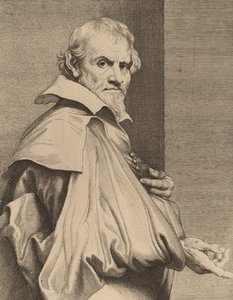
Orazio Gentileschi
1563 - 1639 , Italy
Quick Facts
- Artistic Movement Or Style: Baroque, Caravaggism
- Artists Or Movements Influenced By This Artist:
- Artemisia Gentileschi
- Baroque art
- Artists Who Influenced This Artist:
- Caravaggio
- Francesco da Sangallo
- Date Of Birth: 1563
- Date Of Death: 1639
- Full Name: Orazio Gentileschi
- Nationality: Italian
- Notable Artworks:
- Danae
- The Annunciation
- The Virgin Mary
- Place Of Birth: Tuscany, Italy

