

 Preview
 Send
Send Share
Share
 Details

 Download
 Similars
 X-Ray
X-Ray Diaporama
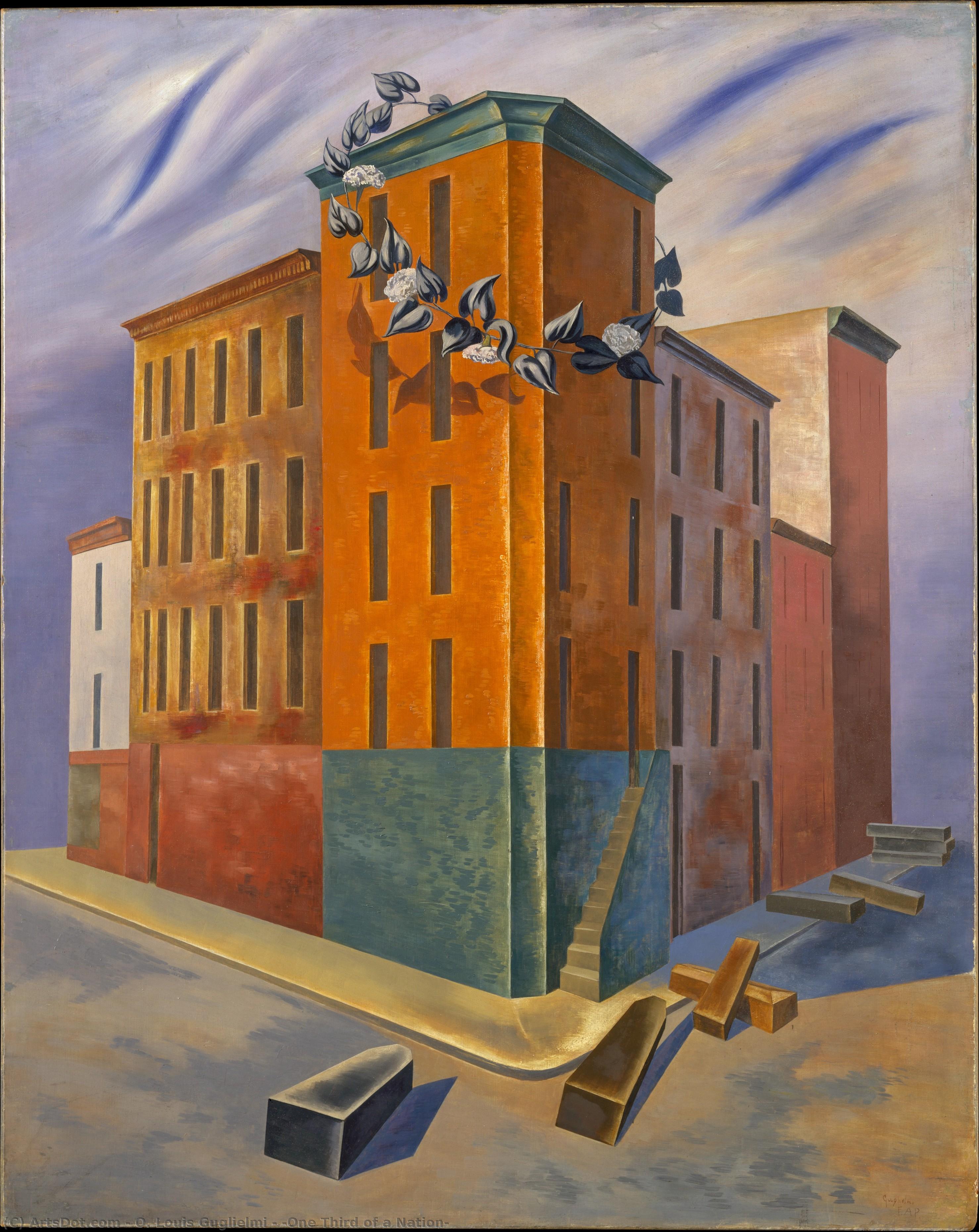
"One Third of a Nation"
 Surrealism
 1939
1939 76.0 x 61.0 cm
 Metropolitan Museum of Art
 Read More
Purchase a high-resolution, enhanced digital image, far superior to the online preview.
Each file is meticulously prepared by our in-house specialists using advanced tools and expert manual retouching. We ensure every image has exceptional clarity, precise color accuracy, and fine detail.
The final file is delivered via email within 72 hours, optimized for immediate use in professional, editorial, and print environments. This is the same quality trusted by top-tier design studios, publishers, and galleries.
Digital Image
Download a high-resolution file for personal display, printing, and creative projects. ( Buy Print Buy Hand Made Painting)
Included in Every Digital Image Order
Expert Digital Delivery, Guaranteed
When you choose ArtsDot.com, you're not just getting an image - you're receiving a professionally enhanced digital artwork, crafted with precision and backed by a satisfaction guarantee. Here's everything that comes with your order, automatically:

Fast Email Delivery
Your high-resolution digital image file will be emailed to you within 72 hours of ordering - ready for immediate use.

AI-Enhanced Digital File
Your artwork is professionally optimized using advanced AI tools and manual editing, ensuring maximum detail, clarity, and color accuracy.

Free Lifetime Re-Delivery
Accidentally deleted or lost your file? No worries - we'll resend it to you anytime, free of charge.

No Import Fees - Ever
Enjoy your artwork instantly with zero customs, duties, or delivery fees - digital downloads are always tax-free.

Color Accuracy Guarantee
We ensure your digital image reflects the original colors as closely as possible using professional tools and color management.

60-Day Satisfaction Guarantee
If you're not satisfied with your digital image, we'll revise it or refund 100% within 60 days - no questions asked.

100% Money-Back Guarantee
Not satisfied? Get a full refund within 60 days of receiving your digital file - no questions asked.

Bulk Order Discounts
Buy 3 images, save 10% - Buy 5, save 15% - Buy 10+, save 20%. Great for creative projects, galleries, and agencies.
Collectible Description
A Fractured Reflection of Resilience: Examining Osvaldo Louis Guglielmi’s “One Third of a Nation”
Osvaldo Louis Guglielmi's "One Third of a Nation," painted in 1939, stands as a haunting testament to the anxieties and aspirations of its time – specifically, the Great Depression era. More than just a depiction of urban decay, this artwork embodies a complex interplay of stylistic influences and symbolic resonance that continues to captivate viewers today. Created during a period marked by profound social upheaval and governmental intervention aimed at alleviating poverty, Guglielmi’s piece transcends mere visual representation; it speaks volumes about the psychological landscape of American society grappling with hardship and striving for hope.Stylistic Fusion: Precisionism Meets Surrealist Undertones
Guglielmi deftly combines elements of Precisionism – characterized by sharp lines, flattened perspective, and meticulous attention to detail – with subtle hints of Surrealism. The dominant geometric structure—a grid-like arrangement of buildings leaning at improbable angles—immediately establishes a sense of artificiality and disrupts the viewer’s expectation of realistic depth. This stylistic choice isn't accidental; it mirrors the fractured reality experienced by individuals during the Depression, where appearances often masked underlying vulnerabilities. The flattened perspective actively denies comfort or reassurance, forcing us to confront the starkness of the environment. Furthermore, the artist’s use of muted colors—primarily warm oranges and reds contrasted against cooler blues and greens—contributes to a melancholic mood, mirroring the pervasive sense of disillusionment felt by many Americans during this period.Technique and Material Considerations: Oil Paint on Canvas – A Textured Dialogue
Executed in oil paint on canvas, “One Third of a Nation” showcases Guglielmi’s mastery of texture. Visible brushstrokes lend an organic quality to the otherwise geometric composition, creating a dialogue between precision and spontaneity. This technique underscores the artist's intention to convey not just what he saw but also how he felt about it—a palpable sense of unease mingled with quiet contemplation. The smooth surface of the canvas allows for subtle tonal variations that heighten the emotional impact of the artwork, emphasizing the pervasive gloom of the cityscape.Symbolism Beyond Representation: Coffins and Floral Crowns – Layers of Meaning
The imagery within “One Third of a Nation” is laden with symbolic significance. The prominent buildings resemble coffins, immediately referencing the title’s reference to Roosevelt's speech and subtly hinting at mortality—a preoccupation common in Surrealist art. Simultaneously, the floral wreath adorning the cornice serves as a counterpoint, representing resilience and rebirth amidst despair. This juxtaposition underscores Guglielmi’s belief that even in the darkest of times, beauty and hope persist. The flock of birds perched atop one of the buildings symbolizes aspiration—a yearning for freedom and escape from the oppressive constraints of the urban environment.Emotional Resonance: Alienation and Quiet Desolation
Ultimately, “One Third of a Nation” evokes a profound emotional response. It captures the pervasive feeling of alienation experienced by individuals confronting economic hardship and social instability. The artwork’s unsettling perspective and unnatural arrangement of elements contribute to a sense of disorientation—a deliberate tactic designed to provoke contemplation about the human condition. Viewing this piece is akin to stepping into a dreamscape, where logic yields to emotion, prompting viewers to confront uncomfortable truths about vulnerability and resilience. It remains a powerful reminder that art can serve as both a mirror reflecting societal anxieties and a beacon illuminating paths toward hope.Related Artworks
Artist Biography
Osvaldo Louis Guglielmi: A Forgotten American Master
Early Life and Education
Osvaldo Louis Guglielmi, an American painter, was born on April 9, 1906, in Cairo, Egypt. His formative years were marked by frequent travel with his Italian father, a professional violinist, to cities like Milan and Geneva. This exposure to different cultures likely influenced his later artistic sensibilities. In 1914, the family settled in Italian Harlem, New York City, providing Guglielmi with a new cultural landscape. He initially pursued sculpture, working at a casting factory before formally studying at the National Academy of Design from 1920 to 1926.Artistic Style and Influences
Guglielmi’s artistic style is remarkably eclectic, drawing from several movements including Precisionism, Surrealism, Geometric Abstraction, Regionalism, and Social Realism. This blending of styles sets him apart and contributes to his unique vision. His work often reflects a keen awareness of social issues, particularly poverty and the struggles of everyday life. Early influences likely included European Modernists and American Regionalist painters. He was also deeply affected by the socio-political climate of the 1930s and 40s.Themes and Subject Matter
A recurring theme in Guglielmi’s work is a commentary on societal inequalities. His pre-war paintings often depict bleakness and death, reflecting the hardships faced by many during the Great Depression. He became a prominent exponent of “Social Surrealism,” using surreal imagery to convey powerful social messages. His art frequently explores urban landscapes, industrial scenes, and portraits that capture the anxieties and uncertainties of his time.Notable Works and Exhibitions
- Mental Geography (1938): This work, featured in his first one-man show, served as a warning about the growing threat of European fascism.
- Participation in the 1943 “American Realists and Magic Realists” exhibition at the Museum of Modern Art (MoMA).
- His works were also exhibited at the Whitney Museum of American Art, further establishing his presence within the American art scene.
- One Third of a Nation (1939): A poignant depiction of the Great Depression through surreal and geometric abstraction.
Artistic Development and Later Years
After World War II, Guglielmi’s painting style evolved towards greater planar abstraction, focusing on what he described as “the exuberance and organic means of life itself.” This shift suggests a move away from the direct social commentary of his earlier work toward a more introspective exploration of form and color. However, this stylistic change may have contributed to his eventual decline in recognition.Legacy and Historical Significance
Despite his initial promise and inclusion in major exhibitions, Guglielmi’s work fell into relative obscurity after his death on September 3, 1956, in Amagansett, New York. His eclectic style, while innovative, may have made it difficult for him to be categorized within a single artistic movement. Today, he is increasingly recognized as a significant, though often overlooked, figure in American art history – a “forgotten master” whose work offers valuable insights into the social and political landscape of the 20th century. His blending of styles continues to intrigue and inspire contemporary viewers.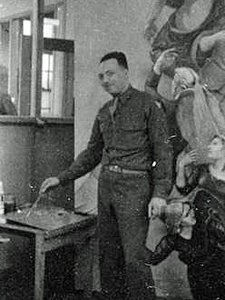
osvaldo louis guglielmi
1906 - 1956 , Egypt
Quick Facts
- Birth Date: April 9, 1906
- Birth Place: Cairo, Egypt
- Death Date: September 3, 1956
- Movement:
- Precisionism
- Surrealism
- Geometric Abstraction
- Regionalism
- Social Realism
- Name: Osvaldo Louis Guglielmi
- Nationality: American
- Notable Works:
- Mental Geography (1938)
- One Third of a Nation (1939)

