 Preview
 Send
Send Share
Share
 Details

 Download
 Similars
 X-Ray
X-Ray Diaporama
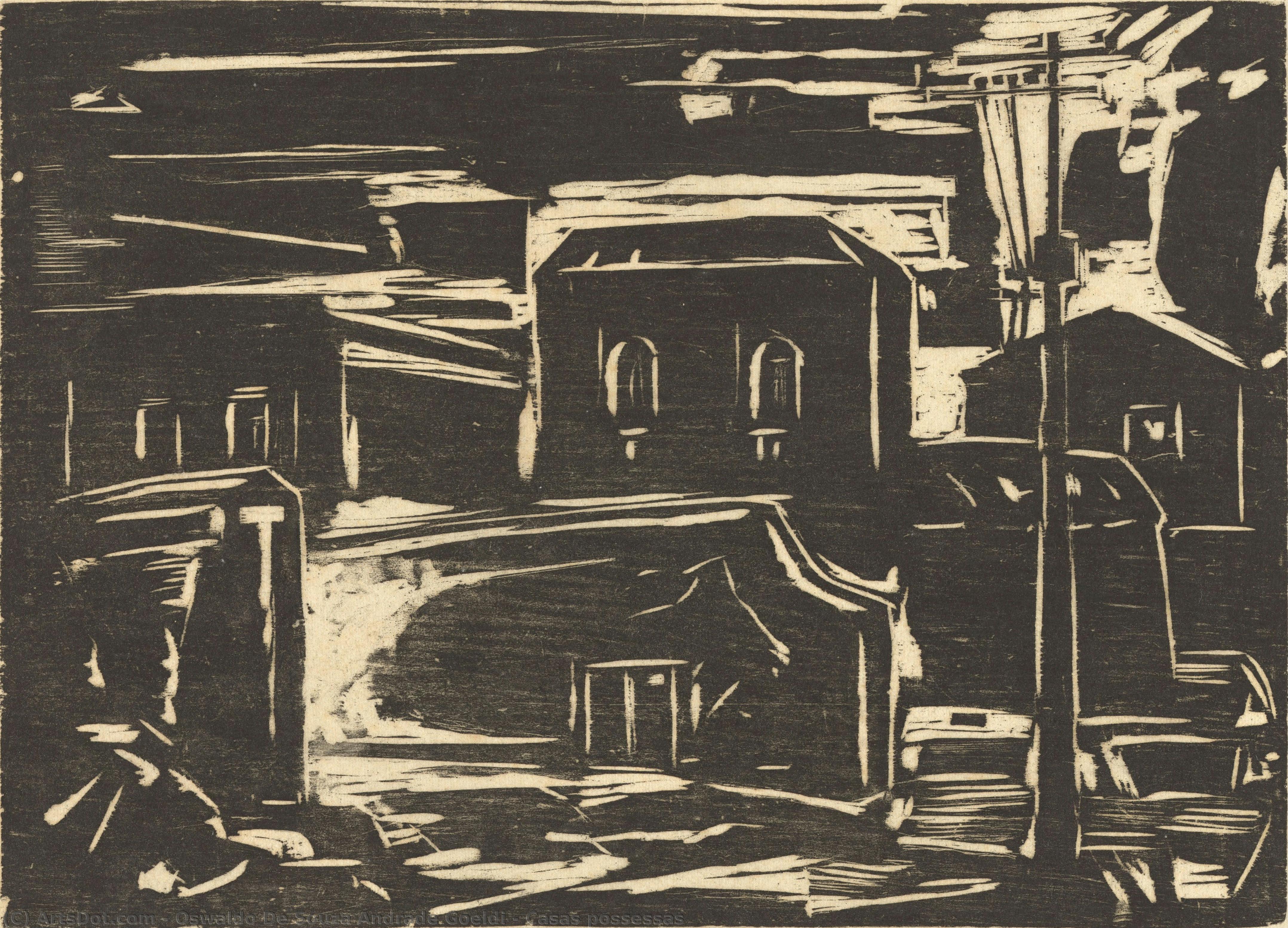
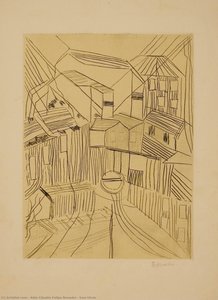
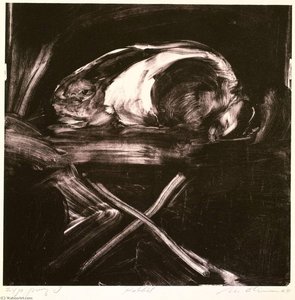
Casas possessas

 Read More
Hand Made Oil Reproduction
Hand-painted oil on canvas in your size and frame, made to order by our artists. ( Buy Print Buy Image)




































Pick from our preset sizes that match the artwork's original proportions.

You may enter your own dimensions to fit a specific frame or space. If your selected size does not match the original image's proportions, we will either crop the artwork or extend the painting with additional hand-painted elements. A digital mockup will be sent for your approval before production begins.
Please note that the on-screen preview does not reflect the actual cropping or extension. Only the mockup will accurately show the final composition.
While custom sizes are available, we recommend selecting a dimension from the predefined list to preserve the original proportions.
After order, ArtsDot.com team will email client for instructions and provide a mockup preview
Worldwide Delivery () in 3/4 weeks instead of standard 5 weeks. (20 August). No compromise on quality.

Free Worldwide Express Shipping

High-Quality Linen Canvas

Full Shipping Insurance

Customs Tax Refund Guarantee

True Color Matching Guarantee

60-Day Return Policy (Defects Only)

100% Money-Back Guarantee

Bulk Discount Offer
 Glass option is only available in size under 110 CM

Casas possessas
Reproduction Medium
Reproduction Size
-


Total Price
$ 263
Related Artworks
Artist Biography
The Wild Heart of the West Coast: Unveiling Gluck’s Vision
Hannah Gluckstein, born in London in 1895, wasn't destined for a conventional life. Raised within a wealthy Jewish family deeply rooted in British commerce – her father, Joseph Gluckstein, was a key figure in J. Lyons & Co., the empire of tea and catering – she possessed an innate rebelliousness and a yearning for something beyond the rigid expectations of Victorian society. This spirit, coupled with a keen eye for observation and a profound connection to the natural world, would ultimately shape her distinctive artistic vision. Her early life was marked by both privilege and emotional distance, experiences that subtly informed her later work, particularly her evocative portraits and depictions of the Cornish landscape. The influence of her father’s desire for a “Canadian education” – manifested in his insistence on a broad upbringing – and the subsequent loss of her mother at a young age created a complex foundation upon which she built her artistic identity. This early experience fostered a sense of independence and a quiet determination to forge her own path, qualities that would prove crucial to her success as an artist.A Cornish Sanctuary: The Lamorna Colony and Artistic Transformation
In 1913, Gluck sought refuge and inspiration in the remote fishing village of Penzance, Cornwall, joining the vibrant artistic community of the Lamorna Colony. This group, centered around artists like Fred Dorrington, Stan Napper, and Laura Knight, provided a stimulating environment for experimentation and collaboration. The colony’s ethos—a blend of bohemianism, social activism, and a deep appreciation for the Cornish landscape—proved transformative for Gluck. She quickly immersed herself in the local culture, forging close relationships with fellow artists and engaging with the rugged beauty of the coastline. The stark contrasts of light and shadow, the weathered faces of the fishermen, and the wildness of the moorland became central themes in her work. Unlike many of her contemporaries who focused on idealized landscapes, Gluck’s paintings captured a raw, unvarnished reality—a testament to her direct engagement with the subject matter. Her portraits, particularly those of women, were notable for their psychological depth and subtle expressions, reflecting her own perceptive nature.Breaking Boundaries: Style and Subject Matter
Gluck’s artistic style was characterized by a distinctive blend of realism and impressionism. She employed loose brushstrokes and vibrant colors to capture the fleeting effects of light and atmosphere, yet retained a meticulous attention to detail in her rendering of form and texture. Her portraits were not merely likenesses; they were explorations of personality and emotion—often imbued with a sense of melancholy or quiet dignity. She was particularly drawn to depicting women – friends, neighbors, and local characters – capturing their strength, resilience, and vulnerability. Beyond portraiture, Gluck’s landscapes reflected her deep connection to the Cornish environment. She eschewed traditional romanticized views, instead presenting scenes of everyday life—fishing boats returning from sea, farmers tending their fields, and children playing on the beach. Her work was often infused with a sense of nostalgia for a disappearing way of life. Notably, Gluck’s self-portrait *Medallion* (with her partner Nesta Obermer) stands as a powerful symbol of lesbian identity in an era when such relationships were largely hidden from public view.A Legacy of Quiet Intensity
Despite facing challenges and limited recognition during her lifetime, Gluck’s work gradually gained appreciation in the decades following her death in 1978. Today, she is recognized as a significant figure in British modern art—a pioneering artist who defied convention and forged her own unique path. Her paintings offer a poignant glimpse into the lives of ordinary people and the beauty of the Cornish landscape, revealing a quiet intensity and profound emotional depth. Gluck’s legacy lies not only in her distinctive artistic style but also in her courage to live authentically and pursue her passions with unwavering determination. Her work continues to resonate with viewers today, inviting us to contemplate the complexities of human relationships and the enduring power of nature.Key Influences and Connections
Gluck’s artistic development was shaped by a confluence of influences. Her early exposure to art through her father's connections and her own independent study provided a foundation in classical techniques, while her time at the Royal Drawing Society introduced her to contemporary trends. The Lamorna Colony fostered a spirit of experimentation and collaboration, exposing her to the work of other talented artists. Her relationships with fellow artists like Laura Knight and Stan Napper were mutually enriching, providing opportunities for critique and inspiration. Beyond the immediate artistic community, Gluck was influenced by the broader cultural currents of her time—the rise of modernism, the growing interest in social realism, and the burgeoning feminist movement. Her work can be seen as a reflection of these shifting values and attitudes, offering a nuanced perspective on gender, identity, and social change.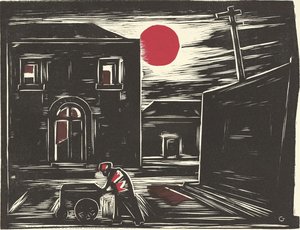
oswaldo de souza andrade goeldi
1895 - 1961 , Brazil
Quick Facts
- Artistic Movement Or Style: Painter (floral, portrait)
- Artists Or Movements Influenced By This Artist: ["Lamorna artists' colony"]
- Artists Who Influenced This Artist:
- Alphonse Mucha
- Paul Gauguin
- Date Of Birth: 13 August 1895
- Full Name: Hannah Gluckstein”
- Nationality: British
- Notable Artworks:
- Medallion
- Venus Between Terminal Gods
- Place Of Birth: London, England