 Preview
 Send
Send Share
Share
 Details

 Download
 Similars
 X-Ray
X-Ray Diaporama
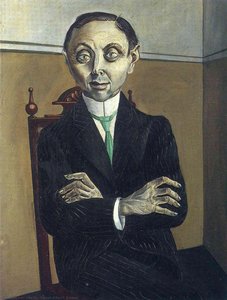
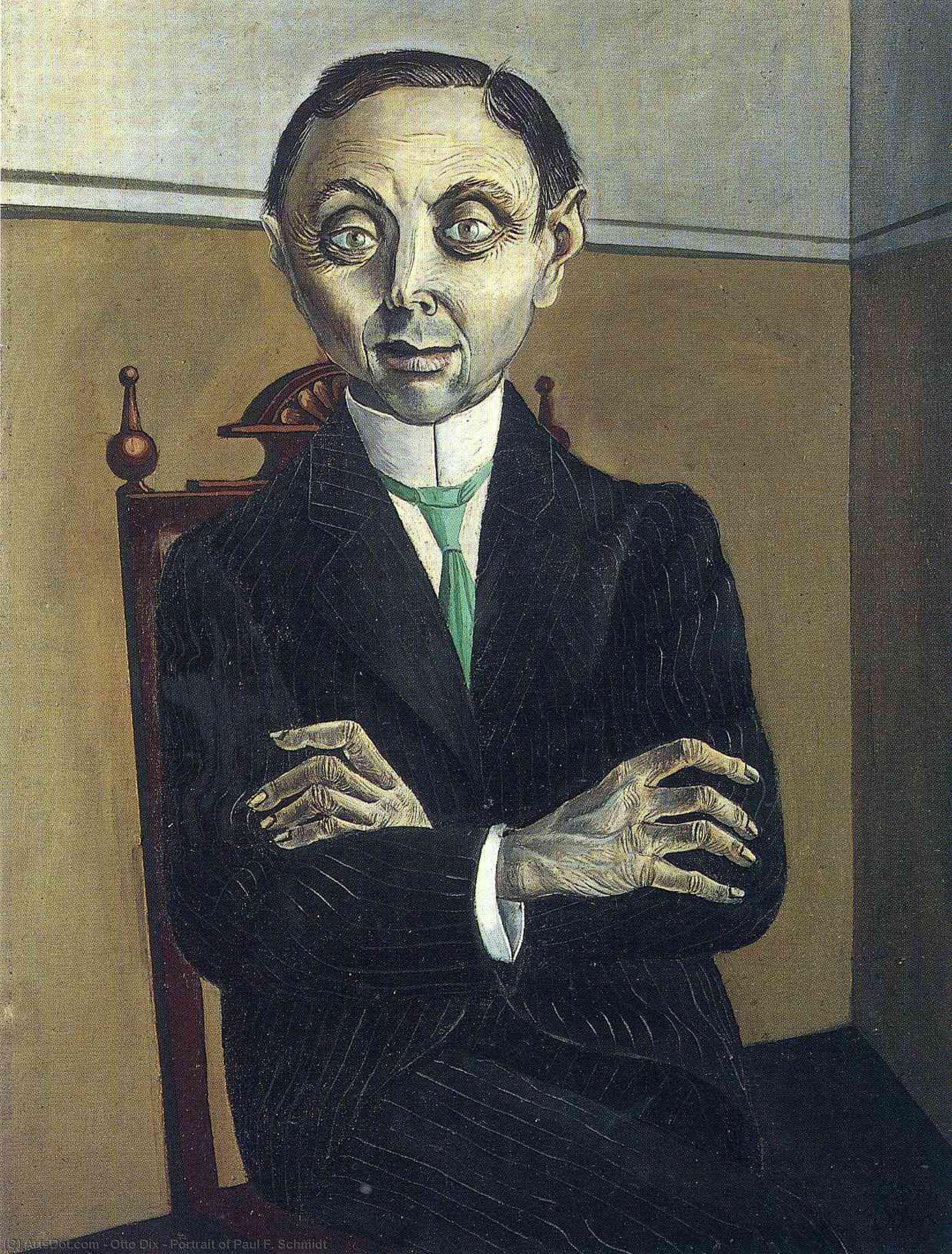
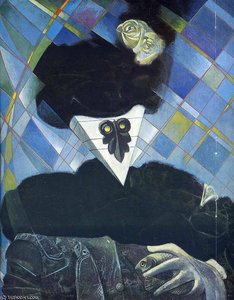
Portrait of Paul F. Schmidt
 Oil
Oil- WallArt
- Neue Sachlichkeit
 1921
1921- Modern
 63.0 x 82.0 cm
 Read More
Giclée / Art Print
Museum-quality giclée or canvas print with fast production and flexible finish options. ( Buy Hand Made Painting Buy Image)




P118B $10

P118H $10

P118W $10

P438Z $10

P508JH $12

P508YH $12

P805H $10

P805Z $10

P919BZ $10

P919G $10

P919XJ $10

P959ZH $10

P968JZ $12

W106C $8

W218G $10

W218JH $8

W218Y $10

W307PJ $10

W316G $10

W316PJ $8

W316Y $10

W398PJ $8

W4111J $10

W500HY $15

W500JH $15

W692G $12

W849H $8

W940BG $15

W953PJ $8




Pick from our preset sizes that match the artwork's original proportions.

You may enter your own dimensions to fit a specific frame or space. If your selected size does not match the original image's proportions, we will either crop the artwork or extend the image with a mirrored or solid-fill edge. A digital mockup will be sent for your approval before production begins.
Please note that the on-screen preview does not reflect the actual cropping or extension. Only the mockup will accurately show the final composition.
While custom sizes are available, we recommend selecting a dimension from the predefined list to preserve the original proportions.
Worldwide Delivery () in 2 weeks instead of standard 4/5 weeks. (23 August)

Free Worldwide Express Shipping

High-Quality Linen Canvas

Full Shipping Insurance

Customs Tax Refund Guarantee

True Color Matching Guarantee

60-Day Return Policy (Defects Only)

100% Money-Back Guarantee

Bulk Discount Offer
 Glass option is only available in size under 110 CM

Portrait of Paul F. Schmidt
Giclée / Art Print
Reproduction Size
-


Total Price
$ 63
Collectible Description
A Moment Frozen in Contemplation
In the quiet depths of Otto Dix’s 1921 masterpiece, Portrait of Paul F. Schmidt, we are invited into a space of profound stillness and psychological weight. The painting presents a man seated with a gravity that seems to anchor the entire composition. Dressed in a formal suit accented by a striking green tie, Schmidt is captured not in a moment of action, but in one of deep, perhaps even somber, introspection. His gaze is cast downward, averted from the viewer, suggesting a mind turned inward, grappling with thoughts that remain hidden from the external world. This downward tilt of the head and the heavy, contemplative expression create an immediate emotional resonance, pulling the observer into the subject's private sphere of reflection.
The setting itself serves as a silent witness to this internal monologue. The arrangement of the room—with chairs positioned behind the subject and a clock suspended on the wall—adds a layer of domestic stillness that borders on the cinematic. There is a palpable sense of time passing, or perhaps time standing still, emphasized by the presence of the clock, which acts as a subtle memento mori, reminding us of the fleeting nature of human existence. The vintage atmosphere of the piece, rendered with an old-fashioned elegance, transports the viewer to the early twentieth century, evoking a sense of nostalgia for a bygone era of formal dignity and quietude.
The Mastery of Neue Sachlichkeit
As a pivotal figure of the Neue Sachlichkeit, or New Objectivity, movement, Otto Dix brings a level of stark, unflinching realism to this portrait that is both captivating and unsettling. Unlike the more fluid movements of previous decades, Dix’s technique here focuses on a precise, almost clinical rendering of form and texture. Every fold in the subject's clothing and every subtle shadow cast by the ambient light is treated with meticulous care. This precision does not merely serve to replicate reality; it serves to heighten the psychological tension within the frame. By stripping away unnecessary ornamentation, Dix forces us to confront the raw, unadorned essence of his subject.
For the discerning collector or interior designer, this painting offers a sophisticated interplay of color and light. The muted palette, punctuated by the singular, verdant note of the green tie, creates a balanced composition that is both visually stimulating and harmoniously calm. The way the light falls across the man's face, highlighting the contours of his features while leaving parts of the background in soft shadow, provides a depth that makes the canvas feel three-dimensional. This mastery of light and shadow ensures that the artwork remains a commanding focal point in any curated space, offering a sense of historical weight and intellectual depth.
An Enduring Legacy for Modern Interiors
Integrating a high-quality reproduction of this work into a contemporary or classic interior allows for a profound dialogue between history and modern aesthetics. The Portrait of Paul F. Schmidt is more than just a depiction of a man; it is an exploration of the human condition, captured through the lens of one of Germany's most significant twentieth-century artists. Its ability to evoke emotion—ranging from melancholy to quiet respect—makes it an ideal choice for those looking to add character and soul to a room.
Whether placed in a study, a library, or a formal living area, the painting serves as a conversation piece that invites lingering observation. It provides a sense of permanence and stability, grounding a modern space with its historical gravity. For lovers of fine art, owning a reproduction of this caliber is an opportunity to possess a fragment of the Weimar Republic's complex artistic soul, bringing the haunting beauty of Otto Dix’s vision into the intimacy of the home.
Related Artworks

Artist Biography
Early Life and the Shadow of War
Wilhelm Heinrich Otto Dix, born in 1891 in Untermhaus, Germany, emerged from a world steeped in industrial labor and quiet artistic yearning. His father toiled as an iron foundry worker, while his mother nurtured a poetic spirit, creating a domestic landscape that subtly fostered young Otto’s creative inclinations. Crucially, it was the influence of his cousin, the painter Fritz Amann, that truly ignited Dix's ambition. Hours spent in Amann’s studio weren’t merely lessons in technique; they were an immersion into a world where artistic expression held tangible power. This early exposure led to an apprenticeship with Carl Senff and subsequent studies at the Kunstgewerbeschule in Dresden, though initially focused on applied arts rather than fine painting. However, it was the cataclysm of World War I that irrevocably shaped Dix’s artistic trajectory. Volunteering for service, he experienced the brutal realities of trench warfare firsthand, a trauma that would haunt his work for decades to come. The horrors witnessed during battles like the Somme and in Flanders left an indelible mark, transforming him from a promising landscape painter into a chronicler of human suffering and societal decay.The Weimar Republic and Neue Sachlichkeit
Returning from the war profoundly changed, Dix channeled his experiences into unflinching depictions of its aftermath. His early post-war work reflected Expressionist tendencies, but he soon gravitated towards a new aesthetic—*Neue Sachlichkeit*, or New Objectivity. This movement rejected emotional abstraction in favor of stark realism and critical social commentary. Dix became one of its leading figures alongside George Grosz and Max Beckmann. Paintings like The Trench (1923) caused public outrage with their graphic portrayal of dismembered bodies, forcing museums to hide the work from view. This wasn’t merely shock value; it was a deliberate attempt to confront viewers with the brutal truth of war, stripping away any romanticized notions of heroism or glory. He didn't shy away from depicting the physical and psychological wounds inflicted upon soldiers, nor did he ignore the societal indifference towards their plight. His series of paintings War Cripples further underscored this theme, portraying veterans marginalized and forgotten by a society eager to move on. Beyond war, Dix turned his gaze toward the excesses and moral bankruptcy of Weimar Germany. Metropolis (1928) is a scathing indictment of urban life, filled with scenes of debauchery, prostitution, and social alienation. His portraits from this period are equally unflinching, capturing the cynicism and decadence of the era’s elite.Political Turmoil and Later Years
As Germany descended into political turmoil in the 1930s, Dix found himself increasingly targeted by the Nazi regime. His art was deemed “degenerate,” and he was dismissed from his teaching position at the Dresden Academy of Fine Arts in 1933. Facing persecution and censorship, Dix gradually shifted away from overtly political themes, turning instead to landscapes and religious subjects—a strategic move for self-preservation. However, even these later works retained a sense of underlying tension and unease. During World War II, he was conscripted into the German army once more, an experience that further solidified his anti-war stance. After the war, Dix found renewed recognition and acclaim, though the trauma of both conflicts continued to resonate in his art. He became a respected figure in post-war Germany, but never fully escaped the shadow of his wartime experiences.Legacy and Artistic Impact
Otto Dix’s artistic legacy is multifaceted and enduring. He remains one of the most important German painters of the 20th century, renowned for his uncompromising realism, scathing social critique, and unflinching portrayal of human suffering. His influence can be seen in the work of subsequent generations of artists who have sought to confront difficult truths and challenge societal norms. Dix’s ability to blend technical skill with emotional intensity sets him apart; he wasn't simply documenting reality, but interpreting it through a lens of profound empathy and moral outrage. His exploration of themes such as war, trauma, social injustice, and the human condition continues to resonate with audiences today. He demonstrated that art could be both aesthetically powerful and politically engaged, serving as a potent force for social change.- Dix’s work is featured in major museums worldwide, including the Museum of Modern Art in New York and the Suermondt-Ludwig-Museum in Germany.
- His etchings, particularly *The War*, are considered masterpieces of graphic art.
- He remains a pivotal figure in understanding the artistic and social landscape of Weimar Germany.
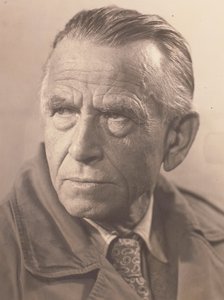
Otto Dix
1891 - 1969 , Germany
Quick Facts
- Artistic Movement Or Style: Neue Sachlichkeit
- Artists Or Movements Influenced By This Artist: ['George Grosz']
- Date Of Birth: December 2, 1891
- Date Of Death: July 25, 1969
- Full Name: Wilhelm Heinrich Otto Dix
- Nationality: German
- Notable Artworks:
- The Trench
- Metropolis
- War Cripples
- The War
- Place Of Birth: Untermhaus, Germany
Related Articles
Paul Klee's Masterpieces: Explore 25 Iconic Paintings & Prints | ArtsDot
Journey through Paul Klee's 25 most iconic paintings & prints. Explore his abstract style, Bauhaus influence, and vibrant color palettes. Find museum-quality art reproductions & decor ideas at ArtsDot.com. Discover all masterpieces online.
Otto Dix: Trauma, Society & Artistic Rebellion in Weimar Germany
Explore the powerful and unsettling art of Otto Dix, a key figure of Neue Sachlichkeit. Discover his unflinching depictions of Weimar Germany's trauma, society, and war through insightful analysis & iconic masterpieces.
Neue Sachlichkeit: Objectivity, Realism & Social Commentary in Interwar German Art
Explore Neue Sachlichkeit – the pivotal German art movement critiquing Weimar society with unflinching realism. Discover key artists like Dix & Grosz, its historical context, and collecting insights for discerning investors.

Cézanne's Masterpieces: 25 Iconic Artworks to Transform Your Space
Journey through 25 iconic artworks by Paul Cézanne – a master of Impressionism and Post-Impressionism. Explore his landscapes, still lifes, and the stories behind these timeless masterpieces. Discover museum-quality reproductions & curated decor at ArtsDot.com.
Paul Klee: A Poetics of Form and Color – Exploring the Inner Landscape of a Modern Master
Explore the captivating world of Paul Klee! Discover his innovative art, Bauhaus influence, & unique symbolic language. Expert analysis & high-quality reproductions at ArtsDot.