 Preview
 Send
Send Share
Share
 Details

 Download
 Similars
 X-Ray
X-Ray Diaporama
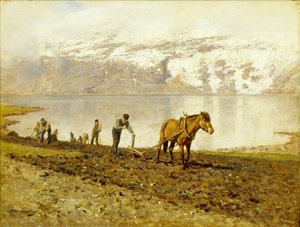
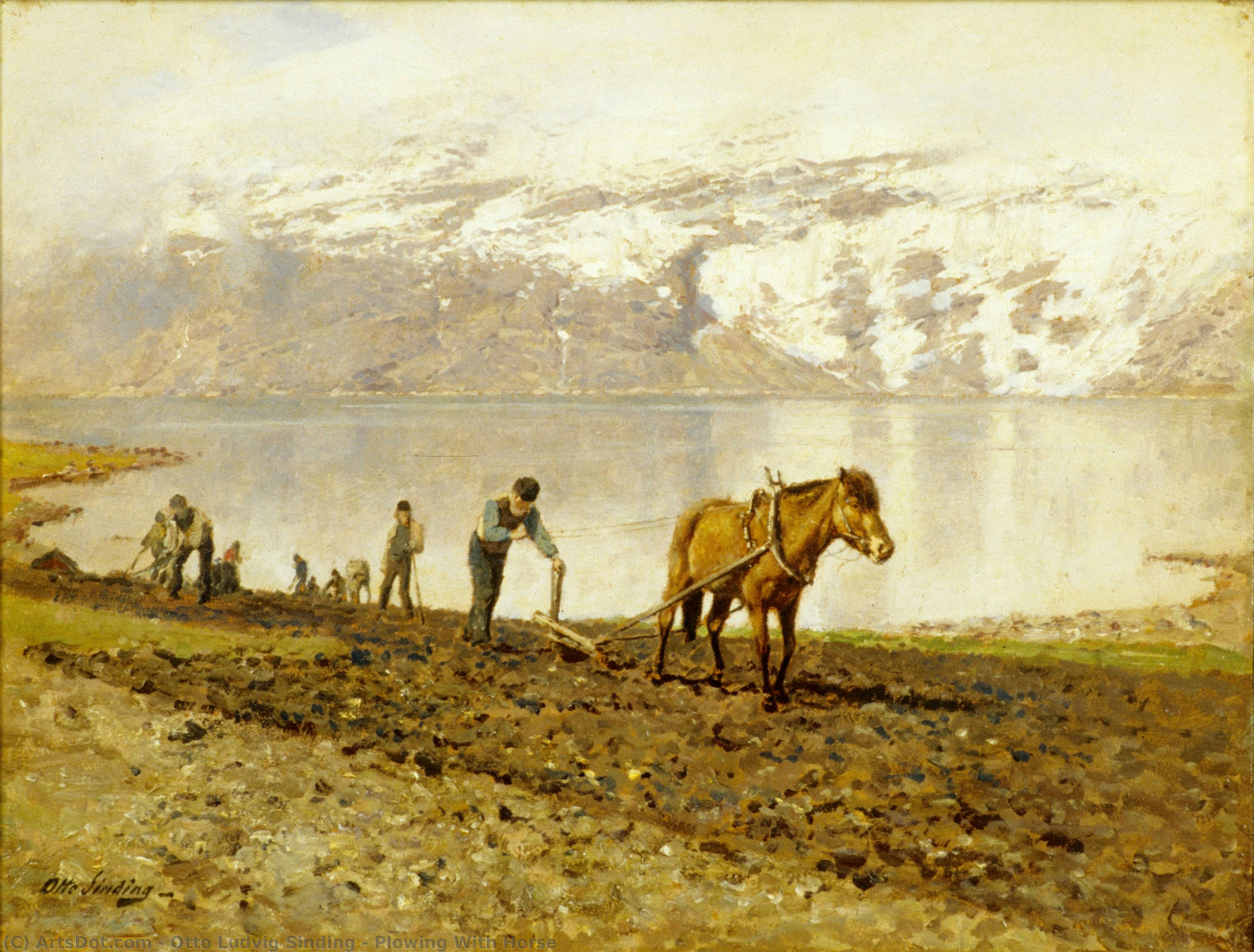
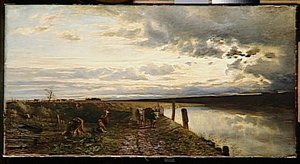
Plowing With Horse
 Oil
Oil- WallArt
- Realism
 1889
1889- 19th Century
 38.0 x 50.0 cm
 Nordnorsk Kunstmuseum
 Read More
Hand Made Oil Reproduction
Hand-painted oil on canvas in your size and frame, made to order by our artists. ( Buy Print Buy Image)




P118B $10

P118H $10

P118W $10

P438Z $10

P508JH $12

P508YH $12

P805H $10

P805Z $10

P919BZ $10

P919G $10

P919XJ $10

P959ZH $10

P968JZ $12

W106C $8

W218G $10

W218JH $8

W218Y $10

W307PJ $10

W316G $10

W316PJ $8

W316Y $10

W398PJ $8

W4111J $10

W500HY $15

W500JH $15

W692G $12

W849H $8

W940BG $15

W953PJ $8




Pick from our preset sizes that match the artwork's original proportions.

You may enter your own dimensions to fit a specific frame or space. If your selected size does not match the original image's proportions, we will either crop the artwork or extend the painting with additional hand-painted elements. A digital mockup will be sent for your approval before production begins.
Please note that the on-screen preview does not reflect the actual cropping or extension. Only the mockup will accurately show the final composition.
While custom sizes are available, we recommend selecting a dimension from the predefined list to preserve the original proportions.
After order, ArtsDot.com team will email client for instructions and provide a mockup preview
Worldwide Delivery () in 3/4 weeks instead of standard 5 weeks. (17 August). No compromise on quality.

Free Worldwide Express Shipping

High-Quality Linen Canvas

Full Shipping Insurance

Customs Tax Refund Guarantee

True Color Matching Guarantee

60-Day Return Policy (Defects Only)

100% Money-Back Guarantee

Bulk Discount Offer
 Glass option is only available in size under 110 CM

Plowing With Horse
Reproduction Medium
Reproduction Size
-


Total Price
$ 263
Artwork Description
Related Artworks
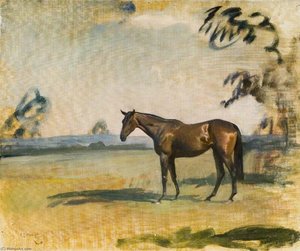
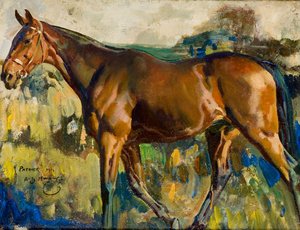
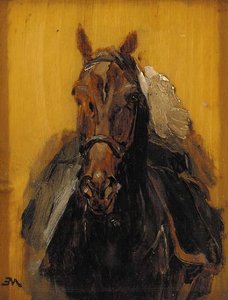
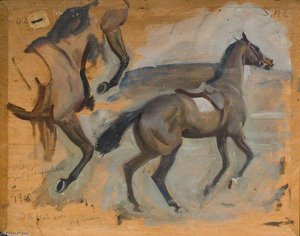
Artist Biography
Élisabeth Vigée Le Brun: A Portraitist of the Ancien Régime
Élisabeth Louise Vigée Le Brun, born in Paris in 1755 and passing away in 1842, stands as a pivotal figure in the history of French art. More than simply a painter, she was a shrewd observer of her time, a master of portraiture, and a woman who navigated the complex social landscape of the late 18th and early 19th centuries with remarkable skill and resilience. Her life story is intertwined with the dramatic shifts occurring in European society – from the opulence of the Ancien Régime to the revolutionary fervor that would ultimately reshape France. Vigée Le Brun’s legacy rests primarily on her captivating portraits, which offer intimate glimpses into the lives of royalty, aristocracy, and prominent figures of her era.
Her early life was marked by a somewhat unconventional education. Sent to boarding school in Paris at the age of twelve, she supplemented her formal schooling with visits to museums, immersing herself in the works of the Old Masters – particularly those of Rembrandt and Velázquez. This exposure proved formative, shaping her understanding of light, composition, and the art of capturing human character. Returning to France after a period spent in Caracas, Venezuela, she began her artistic training under Louis-François Carol, a student of Boucher, laying the foundation for her future success.
The Rise to Prominence: Patronage and Artistic Style
Vigée Le Brun’s career truly took off when she secured the patronage of Marie Antoinette in 1778. This royal commission catapulted her into the highest echelons of Parisian society, providing her with access to a wealthy clientele eager for portraits. She quickly established herself as one of the most sought-after portraitists of the time, catering to a diverse range of subjects – from members of the French court and nobility to actors, writers, and even foreign dignitaries. Her style evolved over time, initially influenced by the Rococo traditions of Boucher and Watteau, but gradually incorporating elements of Neoclassicism as it gained prominence.
Her portraits are characterized by a remarkable ability to capture not only physical likeness but also the personality and inner life of her subjects. She employed subtle gestures, carefully observed expressions, and an exquisite use of color to convey mood and emotion. Notably, she was known for her attention to detail, particularly in rendering fabrics and jewelry – elements that were crucial to conveying status and wealth within the context of the Ancien Régime. Her work is often described as elegant, refined, and imbued with a sense of aristocratic grace.
A Turbulent Era: Revolution and Exile
The French Revolution dramatically altered Vigée Le Brun’s life and career. Following Marie Antoinette's execution in 1793, she faced increasing hostility from the revolutionary government, which viewed her as an emblem of the old order. Despite attempts to maintain her position, she was eventually dismissed from the royal court and forced into exile. Undeterred, she continued to paint, establishing a studio in Caux, Normandy, where she catered to a new clientele – primarily wealthy landowners and merchants.
During this period of upheaval, Vigée Le Brun’s artistic style underwent a subtle transformation. Her portraits became more introspective and melancholic, reflecting the anxieties and uncertainties of the time. She also turned increasingly to landscape painting, capturing the beauty of the Normandy countryside – a refuge from the turmoil of Paris.
Legacy and Influence
Following the restoration of the monarchy in 1814, Vigée Le Brun returned to Paris and regained her position as a respected portraitist. She continued to paint until her death in 1842, leaving behind an impressive body of work that offers invaluable insights into the lives and times of the Ancien Régime and the early years of the monarchy. Her influence on subsequent generations of artists is considerable, particularly for women painters who faced significant obstacles in pursuing a career in the male-dominated art world.
Vigée Le Brun’s story is one of ambition, resilience, and artistic genius. She navigated a period of profound social and political change with remarkable grace and determination, leaving behind a legacy that continues to captivate and inspire today. Her portraits remain treasured works of art, offering intimate glimpses into the lives of those who shaped French history.
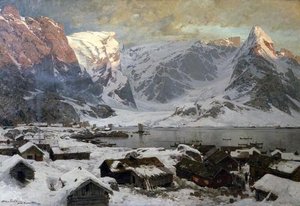
otto ludvig sinding
1842 - 1909 , Norway
Quick Facts
- Artistic Movement Or Style: Portrait painting
- Artists Or Movements Influenced By This Artist:
- Rococo
- Neoclassicism
- Artists Who Influenced This Artist:
- Daubigny
- Reynolds
- Date Of Birth: 16 April 1755
- Date Of Death: 30 March 1842
- Full Name: Élisabeth Vigée Le Brun
- Nationality: French
- Notable Artworks:
- Marie Antoinette
- Self-portrait Straw Hat
- Lady Hamilton
- Place Of Birth: Paris, France
Related Articles
The Noble Steed on Canvas: A Historical & Artistic Exploration of Horse Painting Across Cultures
Explore the rich history of horse painting! Discover masterpieces from Stubbs to Munnings & learn about symbolism, techniques & artists. Find museum-quality reproductions at ArtsDot.
The Equine Muse: A Historical & Artistic Exploration of Horses in Painting
Explore the captivating history of horses in painting! Discover Renaissance masterpieces, Baroque grandeur & expert insights for collecting equestrian art. Learn about symbolism, techniques & lasting value with ArtsDot.
The Noble Steed: A Historical and Artistic Exploration of Horses in Fine Art
Explore the rich history of horses in fine art! From ancient depictions to Renaissance masterpieces & beyond, discover iconic artworks and artists. Learn about symbolism, techniques, and find museum-quality reproductions at ArtsDot.
German Expressionism's 10 Defining Masterpieces | Art for Your Home
Explore 10 defining German Expressionism masterpieces – from Munch's 'The Scream' to Kandinsky’s abstracts. Discover the artists, stories & bold colors behind this powerful art movement. Find museum-quality reproductions at ArtsDot.com.
Johan Christian Dahl: Pioneering Norwegian Romantic Landscape Painting
Explore the life & art of Johan Christian Dahl, Norway's first great Romantic painter. Discover his iconic landscapes, cultural impact, and lasting legacy with ArtsDot.