 Send
Send Share
Share
 Details

 Download
 Similars
 Diaporama
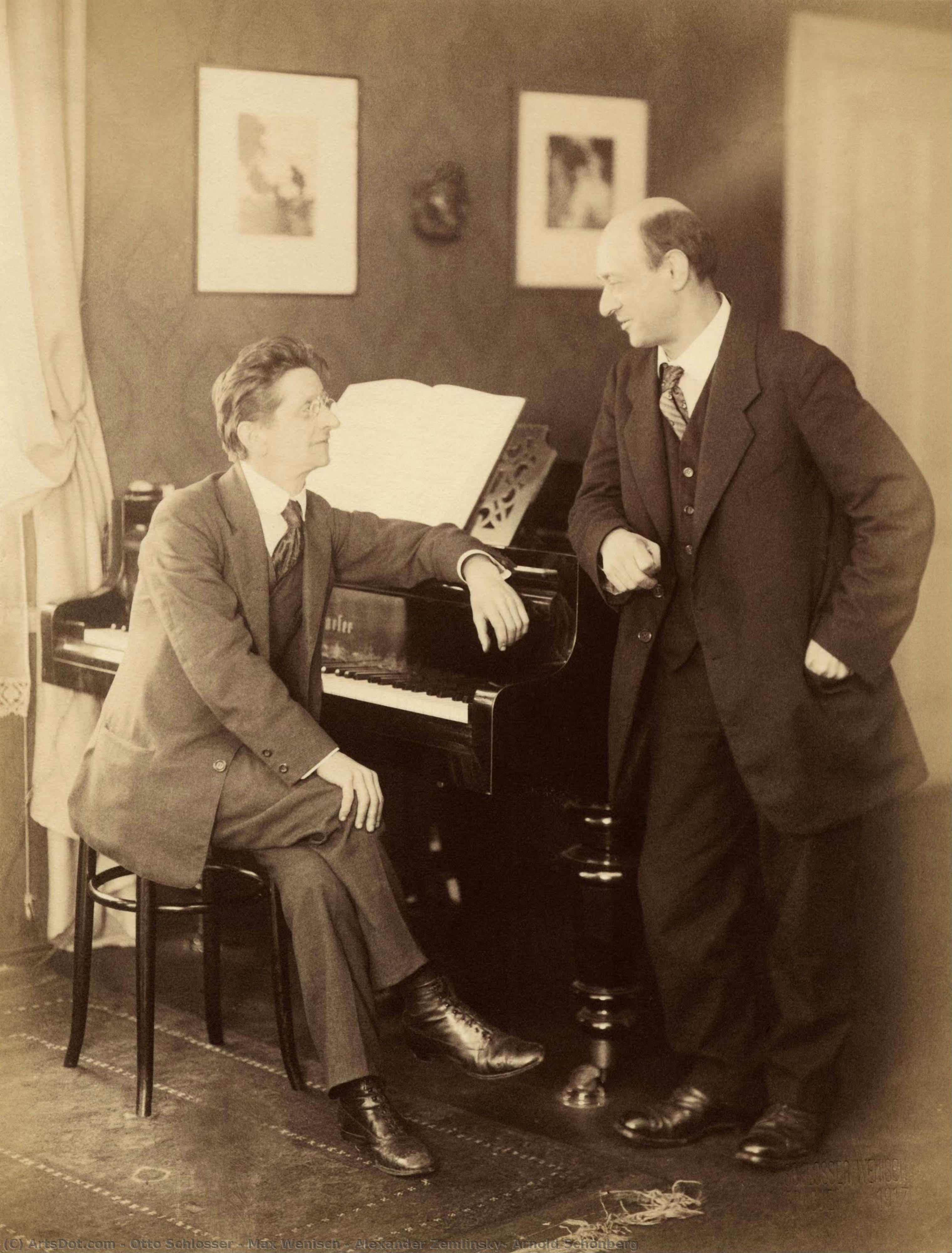
Alexander Zemlinsky, Arnold Schönberg
 Black and White Photography
- Photo
 1917
1917- Modern
 16.0 x 20.0 cm
 Arnold Schönberg Center
 Read More
Hand Made Oil Reproduction
Hand-painted oil on canvas in your size and frame, made to order by our artists. ( Buy Print Buy Image)




































Pick from our preset sizes that match the artwork's original proportions.

You may enter your own dimensions to fit a specific frame or space. If your selected size does not match the original image's proportions, we will either crop the artwork or extend the painting with additional hand-painted elements. A digital mockup will be sent for your approval before production begins.
Please note that the on-screen preview does not reflect the actual cropping or extension. Only the mockup will accurately show the final composition.
While custom sizes are available, we recommend selecting a dimension from the predefined list to preserve the original proportions.
After order, ArtsDot.com team will email client for instructions and provide a mockup preview
Worldwide Delivery () in 3/4 weeks instead of standard 5 weeks. (22 August). No compromise on quality.

Free Worldwide Express Shipping

High-Quality Linen Canvas

Full Shipping Insurance

Customs Tax Refund Guarantee

True Color Matching Guarantee

60-Day Return Policy (Defects Only)

100% Money-Back Guarantee

Bulk Discount Offer
 Glass option is only available in size under 110 CM

Alexander Zemlinsky, Arnold Schönberg
Reproduction Medium
Reproduction Size
-


Total Price
$ 263
Artwork Description
A Moment Frozen in Time: The Musical Legacy of Prague
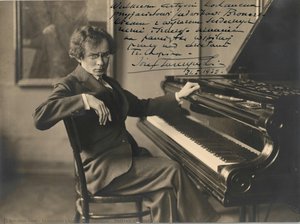
In this evocative black and white photograph from 1917, we are transported to the heart of Prague’s vibrant musical culture. The image captures a profound moment of connection between two titans of the Second Viennese School: Alexander Zemlinsky and Arnold Schönberg. Captured by the skilled lenses of Otto Schlosser and Max Wenisch at their renowned studio, the photograph transcends mere documentation, offering instead a window into an era of intense intellectual and creative ferment. The composition is anchored by a large, old-fashioned piano, its heavy keys and dark wood serving as a silent witness to the melodies that once filled the room. As one man sits poised on the bench while the other stands in contemplative proximity, the photograph breathes with the quiet tension of a shared musical language.
The technical mastery of Schlosser and Wenisch is evident in the delicate interplay of light and shadow that defines this piece. The monochromatic palette strips away the distractions of color, forcing the viewer to focus on the textures of the era—the grain of the wooden piano, the soft fabric of the men's attire, and the subtle depth of the background. This use of chiaroscuro creates a sense of intimacy, pulling the observer into the private sanctuary of these composers. The presence of framed pictures on the wall behind them adds layers of historical depth, suggesting a world surrounded by art and tradition, even as the subjects themselves were pushing the boundaries of musical modernism.
The Soul of Modernism Captured
Beyond its aesthetic beauty, this photograph serves as a vital historical artifact. It documents a period when Prague was a crucible of avant-garde thought. The relationship between Zemlinsky and Schönberg was not merely professional but deeply personal and influential; Zemlinsky’s role as a conductor at the German Theater provided the social fabric that allowed such legendary figures to intersect with the local community, including the Schlosser family. To possess a reproduction of this work is to hold a piece of the very foundation of 20th-century music history.
For the discerning collector or interior designer, this image offers an unparalleled sense of intellectual sophistication. It is a piece that invites conversation, acting as a focal point in a study, a library, or a grand salon. The emotional impact of the photograph lies in its stillness—a quiet, dignified reverence for the masters of composition. It evokes a sense of nostalgia not for a lost time, but for a lost intensity of spirit, making it an ideal acquisition for those who seek to surround themselves with art that possesses both historical weight and timeless elegance.
Related Artworks
Artist Biography
The Silvered Legacy of Atelier Schlosser & Wenisch
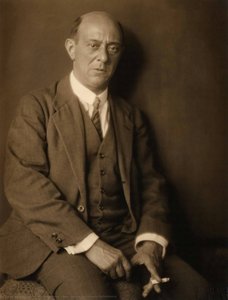
In the heart of early twentieth-century Prague, amidst the bustling streets near Wenzelsplatz, a profound visual history was being etched into silver nitrate. The photography studio Atelier Schlosser & Wenisch, established in 1909 by Otto Schlosser and later joined by Max Wenisch, served as more than just a place of business; it was a sanctuary of light and shadow where the cultural titans of Europe were immortalized. Located at the prestigious Na Příkopě 3, the studio became a vital crossroads for the intellectual and artistic elite of the Czech Republic, capturing the very essence of an era defined by profound musical and theatrical evolution.
The artistry of Schlosser and Wenisch was rooted in a mastery of the black and white medium, a technique that allowed them to transcend mere documentation. Their work possessed a timeless elegance, utilizing subtle gradations of tone to bestow a sense of permanence upon their subjects. By stripping away the distractions of color, they focused the viewer's gaze on the psychological depth and distinctive features of their sitters. This approach transformed simple portraits into profound character studies, where every line of a face or fold of a garment whispered stories of the era's complex social and cultural landscape.
A Pantheon of Musical and Theatrical Icons
The true significance of the studio lies in its unparalleled role as a chronicler of musical genius. The halls of Atelier Schlosser & Wenisch played host to some of the most influential figures in the history of Western classical music. Through their lens, we encounter the intense, cerebral presence of Arnold Schönberg and the profound gravity of Alexander Zemlinsky. One of their most hauntingly beautiful achievements is the 1924 portrait of Anton Webern, a work that exemplifies the studio's ability to capture the stark, precise nature of the subject through masterful use of contrast and composition.
Beyond the realm of music, the studio’s influence extended deeply into the theatrical traditions of Prague. They were instrumental in documenting the visual identity of the Osvobozené divadlo (the Liberated Theatre), creating sets of photographs that captured the avant-garde spirit of the stage. This intersection of portraiture and performance art allowed Schlosser and Wenisch to document not just individuals, but the very movement of a culture in transition.
Historical Significance and Artistic Endurance
The legacy of Otto Schlosser and Max Wenisch is woven into the historical fabric of Prague. Their work provides an invaluable window into the social context of the early 1900s, offering a glimpse into a world that was on the precipice of monumental change. The studio's ability to capture the dignity and intellectual weight of its subjects has ensured that their photographs remain much more than historical artifacts; they are living pieces of art.
Today, the importance of their contribution is recognized by prestigious institutions worldwide:
- The National Gallery in Prague: Where their works are preserved as essential components of Czech photographic heritage.
- Cultural Archives: Serving as a primary source for historians studying the lives of composers like Gustav Mahler and the evolution of modernism.
- Artistic Inspiration: Their mastery of light and shadow continues to influence contemporary photographers seeking to achieve a sense of timelessness and emotional resonance.
Through the enduring power of their black and white imagery, Atelier Schlosser & Wenisch remains a cornerstone of photographic history, reminding us that the most profound truths are often found in the delicate interplay between light and darkness.
otto schlosser & max wenisch
Czech Republic
Quick Facts
- Artistic Movement Or Style: World Goes Pop
- Artists Or Movements Influenced By This Artist: ['Influences include various pop art figures']
- Artists Who Influenced This Artist: ['Influenced by diverse artists within the World Goes Pop movement']
- Date Of Death: Living
- Notable Artworks: ['Various works featured in The World Goes Pop exhibition']
- Place Of Birth: WahooArt
Related Articles

White on Canvas: 10 Masterpieces & Timeless Elegance for Your Home Decor
Explore 10 iconic white paintings by Monet, Whistler & Rothko! Discover the stories behind these serene masterpieces and their impact on art history. Find museum-quality reproductions for your home decor at .

Dark Masterpieces: 10 Iconic Paintings Dominated by Black Tones |
Explore 10 iconic paintings dominated by black tones, from Rembrandt’s chiaroscuro to Goya's dark expressions. Discover the stories behind these masterpieces & find museum-quality art reproductions for your home at .

Monochrome Visions: Exploring the Aesthetic & Historical Significance of Black & White Photography
Explore the rich history & artistic power of black and white photography. From early techniques to iconic masters like Ansel Adams, discover why monochrome continues to captivate art lovers today. Expert insights for collectors.
From Snapshot to Statement: Elevating Personal Photography Through Black & White Fine Art Reproduction
Transform cherished photos into timeless black & white fine art with ArtsDot. Our expert artists create museum-quality reproductions – a lasting legacy for your home and family. Discover the artistry today.
Mars Black Masterpieces: 10 Iconic Paintings & Timeless Art Decor Ideas
Delve into the power of 'Mars Black' with 10 iconic paintings by masters like Rembrandt & Caravaggio. Explore dramatic chiaroscuro, gothic art, and timeless beauty. Find museum-quality reproductions & elevate your home decor on .