

 Send
Send Share
Share
 Details

 Download
 Similars
 Diaporama
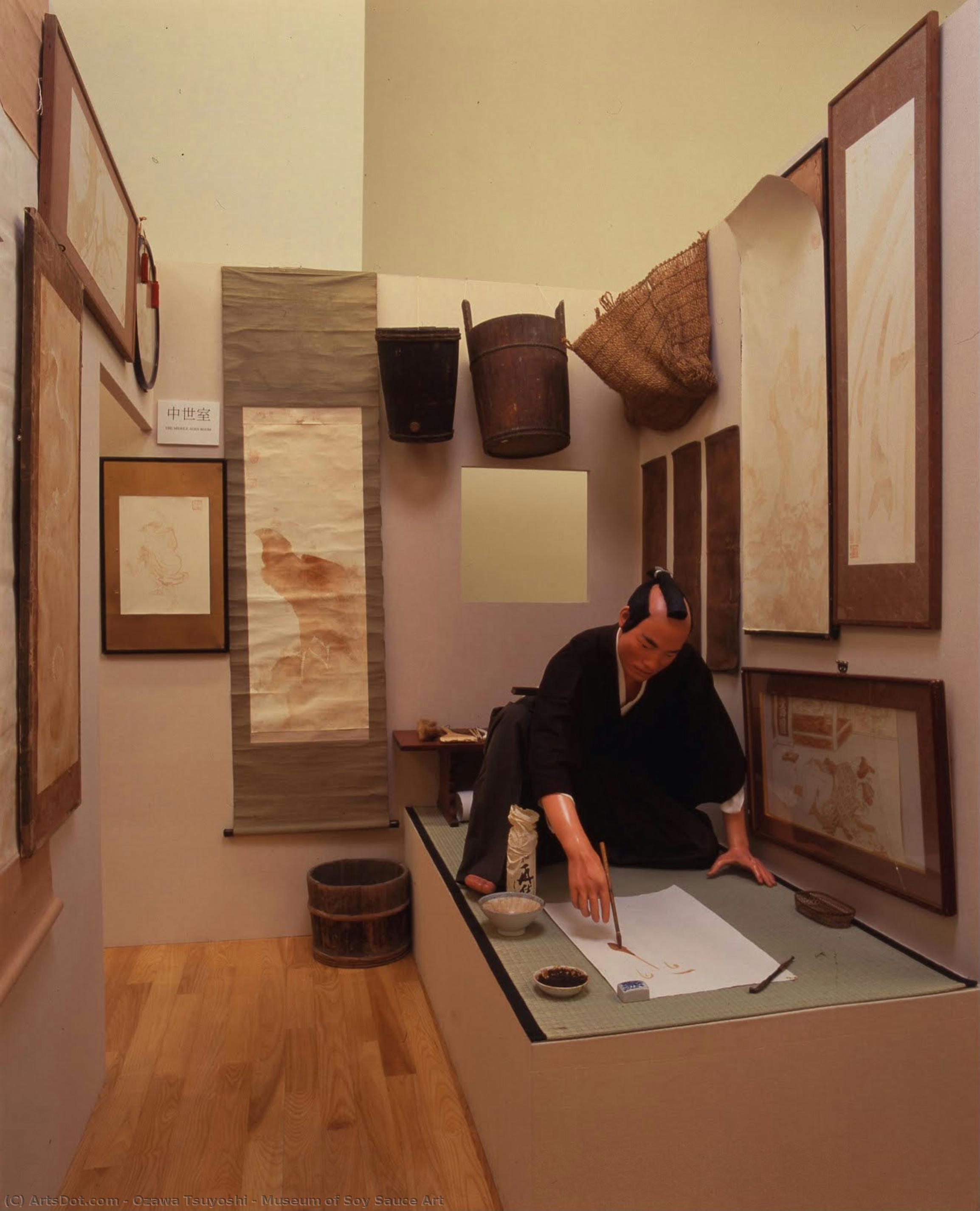
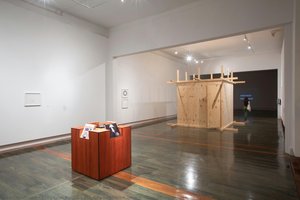
Museum of Soy Sauce Art
 Photography
- Photo
- Contemporary Realism
 Contemporary
 900.0 x 240.0 cm
 Fukuoka Asian Art Museum
 Read More
Purchase a high-resolution, enhanced digital image, far superior to the online preview.
Each file is meticulously prepared by our in-house specialists using advanced tools and expert manual retouching. We ensure every image has exceptional clarity, precise color accuracy, and fine detail.
The final file is delivered via email within 72 hours, optimized for immediate use in professional, editorial, and print environments. This is the same quality trusted by top-tier design studios, publishers, and galleries.
Digital Image
Download a high-resolution file for personal display, printing, and creative projects. ( Buy Print Buy Hand Made Painting)
Included in Every Digital Image Order
Expert Digital Delivery, Guaranteed
When you choose ArtsDot.com, you're not just getting an image - you're receiving a professionally enhanced digital artwork, crafted with precision and backed by a satisfaction guarantee. Here's everything that comes with your order, automatically:

Fast Email Delivery
Your high-resolution digital image file will be emailed to you within 72 hours of ordering - ready for immediate use.

AI-Enhanced Digital File
Your artwork is professionally optimized using advanced AI tools and manual editing, ensuring maximum detail, clarity, and color accuracy.

Free Lifetime Re-Delivery
Accidentally deleted or lost your file? No worries - we'll resend it to you anytime, free of charge.

No Import Fees - Ever
Enjoy your artwork instantly with zero customs, duties, or delivery fees - digital downloads are always tax-free.

Color Accuracy Guarantee
We ensure your digital image reflects the original colors as closely as possible using professional tools and color management.

60-Day Satisfaction Guarantee
If you're not satisfied with your digital image, we'll revise it or refund 100% within 60 days - no questions asked.

100% Money-Back Guarantee
Not satisfied? Get a full refund within 60 days of receiving your digital file - no questions asked.

Bulk Order Discounts
Buy 3 images, save 10% - Buy 5, save 15% - Buy 10+, save 20%. Great for creative projects, galleries, and agencies.
A Sanctuary of Ink and Tradition
In the quietude of the Museum of Soy Sauce Art, time seems to suspend its relentless march, allowing for a profound encounter with the soul of calligraphy. This evocative photographic study by Ozawa Tsutoshi invites the viewer into a sacred space where the boundaries between the artist and their medium dissolve. The scene captures a moment of intense, meditative focus: an artist, draped in traditional attire, meticulously applying ink to paper. It is not merely a documentation of a craft, but a window into a world governed by rhythm, breath, and the delicate dance of the brush. The composition, balanced and serene, leads the eye through a gallery of scrolls that whisper tales of ancestral wisdom, creating an atmosphere that is both deeply personal and universally resonant.
The aesthetic power of this work lies in its masterful use of light and texture. Bathed in soft, diffused illumination, the room glows with warm, muted tones that evoke a sense of groundedness and timelessness. Every element within the frame—from the smooth, receptive surface of the paper to the tactile grain of the wooden floors and the intricate weave of nearby baskets—is rendered with exquisite realism. This attention to detail allows the viewer to almost feel the weight of the silence in the room and the subtle scent of aged ink. The color palette, dominated by earthy beiges and deep, organic shadows, creates a sophisticated backdrop that would serve as a tranquil focal point in any curated interior, offering a sense of calm to the modern observer.
Symbolism and the Continuity of Heritage
Beyond its visual beauty, the artwork serves as a powerful symbol of cultural continuity. The act of calligraphy depicted here is more than a technical skill; it is a ritualistic preservation of heritage. Each stroke of the brush represents a link in an unbroken chain of tradition, connecting the contemporary practitioner to centuries of calligraphic mastery. The museum setting itself acts as a metaphor for the preservation of memory, where art serves as the vessel for history. For the collector, this piece offers more than decoration; it provides a contemplative connection to the concept of artistic dedication and the enduring value of manual precision in an increasingly digital age.
For interior designers and connoisseurs of fine art, Museum of Soy Sauce Art presents a unique opportunity to introduce a narrative of peace and authenticity into a space. Whether placed in a minimalist contemporary setting or a more classical study, the image brings with it an aura of intellectual depth and emotional warmth. It is a piece that rewards prolonged observation, revealing new layers of texture and meaning with every glance, making it an indispensable acquisition for those who seek to surround themselves with art that speaks to the enduring human spirit.
Related Artworks
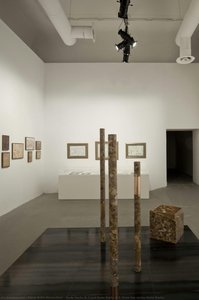
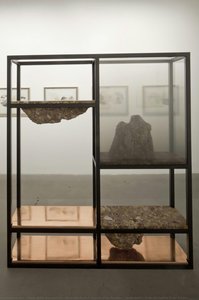
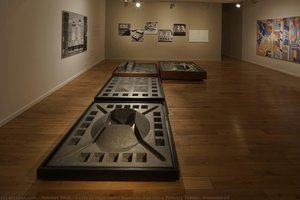
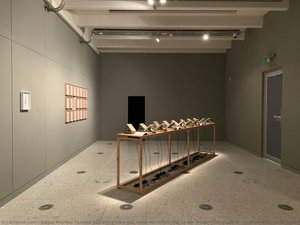
Artist Biography
Damien Hirst: A Provocateur of Mortality and Modernity
Born in Bristol, England, on June 7th, 1965, Damien Hirst is undeniably one of the most controversial and commercially successful artists of his generation. Often dubbed a “pop artist,” Hirst’s work transcends simple categorization, delving into profound themes of life, death, religion, and consumerism with an unsettling directness that has both captivated and provoked audiences worldwide. His career, inextricably linked to the rise of the Young British Artists (YBAs) in the 1990s, represents a radical shift in artistic practice – challenging traditional notions of art’s value, its role, and even what constitutes ‘art’ itself.
Hirst's early influences were remarkably diverse. Growing up in Bristol, he was exposed to a vibrant counter-culture scene, attending the city’s independent schools and developing an interest in punk rock and alternative art. Crucially, his father, a dentist, provided him with access to a vast collection of anatomical models – a resource that would profoundly shape his artistic trajectory. These meticulously detailed representations of human bodies, initially intended for medical education, became the foundation upon which Hirst built his signature installations: formaldehyde-filled vitrines containing preserved animals, insects, and even human body parts. This fascination with mortality began early, fueled by a childhood experience witnessing a traumatic accident.
The 1990s witnessed the explosive emergence of the YBAs, a collective of artists who challenged the established art world through their provocative subject matter and often deliberately confrontational approach. Hirst’s work quickly gained notoriety for its shock value – particularly pieces like *The Physical Impossibility of Death in the Mind of Someone Living* (1994), a shark suspended in formaldehyde, or *Beautiful Inside My Head Forever* (2008), a tiger shark displayed in a glass tank. These works weren’t merely aesthetically striking; they were deliberate attempts to force viewers to confront uncomfortable truths about life and death, pushing the boundaries of what was considered acceptable within the art world.
The Language of Decay: Techniques and Materials
Hirst's artistic process is characterized by a meticulous attention to detail combined with a calculated embrace of decay. He frequently employs formaldehyde – a chemical preservative – as a central element in his work, not just for preservation but also for its symbolic weight. Formaldehyde represents death, yet it’s simultaneously a tool for maintaining life, creating a paradoxical tension that permeates much of his oeuvre. He often utilizes stainless steel vitrines to house his subjects, providing a stark and clinical backdrop against which the organic matter stands in sharp contrast.
Beyond formaldehyde, Hirst has experimented with a wide range of materials, including resin, bronze, diamonds, and even gold. His use of these diverse mediums reflects a broader interest in exploring themes of value, wealth, and consumerism. The incorporation of precious metals, such as the gold horns and hooves in *The Golden Calf*, highlights the commodification of art and the blurring lines between high art and popular culture. Hirst’s approach is often described as ‘direct painting,’ a technique he developed to create large-scale works with a seemingly effortless style, despite the complex layering of colors and textures.
Conceptual Challenges and Critical Reception
Hirst's work has consistently sparked intense debate within the art world. Critics have variously labeled him a genius, a charlatan, a plagiarist, or simply a clever marketer. The controversy surrounding his practice often centers on questions of originality – accusations of copying existing artworks, particularly those by Francis Bacon and other masters, frequently surface. However, Hirst has consistently defended his work as being entirely original, arguing that he is merely exploring fundamental human concerns through a contemporary lens.
Despite the criticism, Hirst’s art has achieved unprecedented commercial success. His works have commanded record-breaking prices at auction, solidifying his position as one of the wealthiest living artists. This success has further fueled the debate surrounding his artistic merit – some argue that his popularity is solely due to his savvy marketing strategies, while others maintain that his work possesses a genuine intellectual and emotional depth.
Legacy and Influence
Damien Hirst’s impact on contemporary art is undeniable. He fundamentally altered the way artists engage with public perception of death, religion, and value. His willingness to challenge established norms and push boundaries has paved the way for subsequent generations of artists to explore increasingly provocative themes. His influence can be seen in a wide range of artistic practices, from installation art to digital media, demonstrating his lasting legacy as a pivotal figure in 21st-century art.
Hirst continues to produce work that is both challenging and captivating, solidifying his position as a significant and enduring force within the global art scene. His exploration of mortality, coupled with his innovative use of materials and techniques, ensures that his legacy will continue to be debated and reinterpreted for years to come.
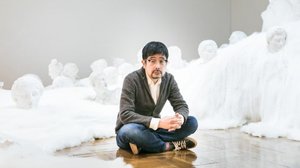
ozawa tsuyoshi
1965 - , Japan
Quick Facts
- Artistic Movement Or Style: Young British Artist (YBA)
- Artists Or Movements Influenced By This Artist:
- Charles Saatchi
- Precisionism
- Artists Who Influenced This Artist:
- John Singer Sargent
- Alphonse Mucha
- Nicolai Fechin
- Date Of Birth: 7 June 1965
- Full Name: Damien Steven Hirst
- Nationality: British
- Notable Artworks:
- The Physical Impossibility...
- Dot Condition
- Blood and Chocolate
- Place Of Birth: Wigan, England

