 Preview
 Send
Send Share
Share
 Details

 Download
 Similars
 X-Ray
X-Ray Diaporama
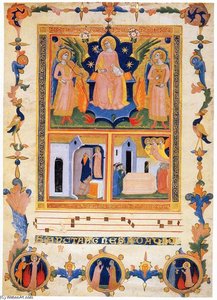
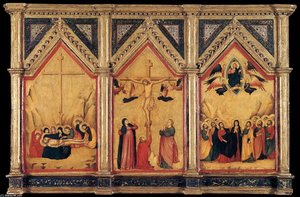
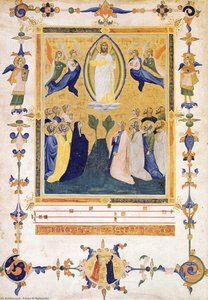
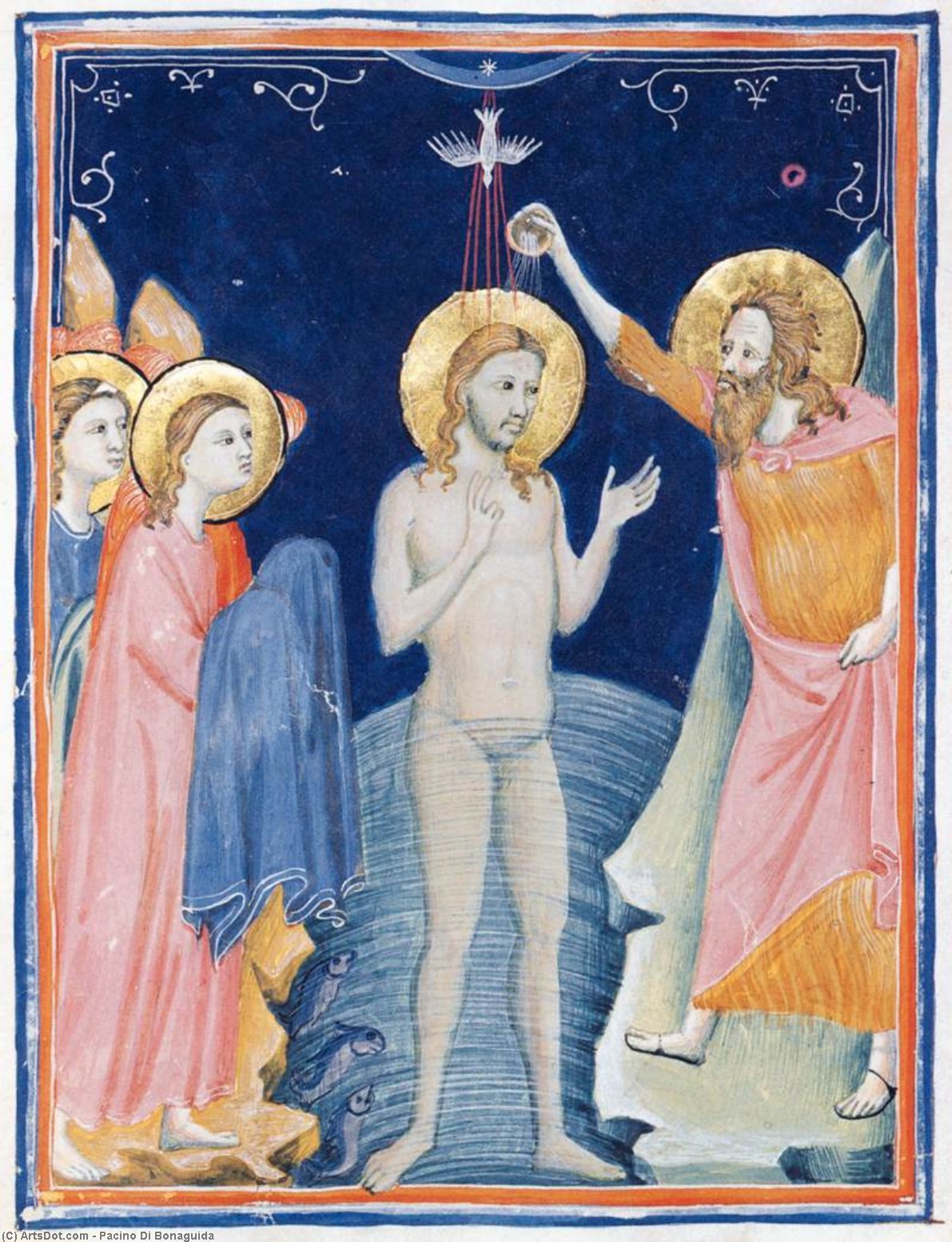
The Morgan Codex (Folio 9)
 Painting
- Gothic Visionary
 1320
1320- Late Medieval
 245.0 x 176.0 cm
 Pierpont Morgan Library
 Read More
Hand Made Oil Reproduction
Hand-painted oil on canvas in your size and frame, made to order by our artists. ( Buy Print Buy Image)




P118B $10

P118H $10

P118W $10

P438Z $10

P508JH $12

P508YH $12

P805H $10

P805Z $10

P919BZ $10

P919G $10

P919XJ $10

P959ZH $10

P968JZ $12

W106C $8

W218G $10

W218JH $8

W218Y $10

W307PJ $10

W316G $10

W316PJ $8

W316Y $10

W398PJ $8

W4111J $10

W500HY $15

W500JH $15

W692G $12

W849H $8

W940BG $15

W953PJ $8




Pick from our preset sizes that match the artwork's original proportions.

You may enter your own dimensions to fit a specific frame or space. If your selected size does not match the original image's proportions, we will either crop the artwork or extend the painting with additional hand-painted elements. A digital mockup will be sent for your approval before production begins.
Please note that the on-screen preview does not reflect the actual cropping or extension. Only the mockup will accurately show the final composition.
While custom sizes are available, we recommend selecting a dimension from the predefined list to preserve the original proportions.
After order, ArtsDot.com team will email client for instructions and provide a mockup preview
Worldwide Delivery () in 3/4 weeks instead of standard 5 weeks. (17 August). No compromise on quality.

Free Worldwide Express Shipping

High-Quality Linen Canvas

Full Shipping Insurance

Customs Tax Refund Guarantee

True Color Matching Guarantee

60-Day Return Policy (Defects Only)

100% Money-Back Guarantee

Bulk Discount Offer
 Glass option is only available in size under 110 CM

The Morgan Codex (Folio 9)
Reproduction Medium
Reproduction Size
-


Total Price
$ 263
Artwork Description
A Vision Etched in Time: Exploring The Morgan Codex (Folio 9)
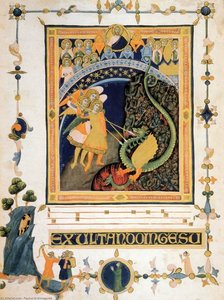
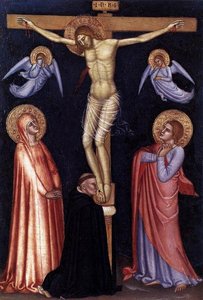
To gaze upon The Morgan Codex, Folio 9, is to step directly into the luminous, deeply symbolic heart of the early Quattrocento. This magnificent piece, dating from 1320, transcends mere depiction; it is a profound theological meditation rendered with breathtaking artistry. At its core lies the dramatic scene of the Crucifixion, yet Pacino di Bonaguida elevates this moment of ultimate sacrifice into an ethereal tableau. The composition immediately draws the eye to the central figure of Jesus, flanked by two attendant angels whose presence suggests both divine witness and celestial comfort. The entire narrative unfolds beneath a vast, impossibly blue sky, a canvas that seems less like pigment and more like captured divinity itself.
The Hand of Pacino: Gothic Grace Meets Emerging Light
The genius of the artist, Pacino di Bonaguida, is palpable in every delicate brushstroke. As a Florentine Gothic Visionary, his work stands at that exquisite precipice where the rigid formality of Byzantine tradition begins to yield to the burgeoning naturalism of the Renaissance. While the subject matter remains steeped in medieval piety, the handling of light and form suggests an imminent breakthrough toward humanistic representation. Observe the figures standing to either side of the cross; they possess a nascent sense of individualized emotion, moving beyond mere symbolic placeholders. The technique employed is masterful, utilizing rich pigments that allow the divine drama to unfold with both solemn weight and delicate grace.
Symbolism Woven into the Celestial Tapestry
The intricacy of this folio invites prolonged contemplation, rewarding the viewer who seeks deeper meaning. Beyond the central narrative, the artist has populated the upper reaches of the sky with potent symbols. The presence of flying birds, alongside the cluster of three distinct stars—one near the top left and two others closer to the center—are not mere decorative flourishes. They are celestial signifiers, guiding the viewer's understanding of the event’s cosmic significance. Each element, from the angels to the scattered starlight, contributes to a dense, jewel-like tapestry of meaning, inviting scholarly study alongside devotional awe.
An Echo for the Modern Collector
For the collector or designer seeking an object imbued with historical gravitas and unparalleled artistic depth, this reproduction offers more than just decoration; it offers a conversation piece steeped in centuries of faith and genius. The emotional impact of the work is one of sublime contemplation—a moment frozen between earthly suffering and heavenly transcendence. Owning a representation of The Morgan Codex allows one to curate an atmosphere of profound thoughtfulness within any space. It speaks to a connoisseur who appreciates not only beauty but also the rich, layered narrative history embedded within the finest works of art.
Related Artworks
![Scrovegni - [35] - Crucifixion — Giotto Di Bondone, Gothic](/media/artworks/images/thumbnails/58/0b/580b829ce2324f8ca044512b2e98f288.jpg)
Artist Biography
A Florentine Gothic Visionary: The Life and Art of Pacino di Bonaguida
Pacino di Bonaguida, a name resonating softly through the annals of 14th-century Italian art, represents a pivotal figure in the transition from the Byzantine-rooted traditions to the burgeoning Renaissance aesthetic. Active primarily in Florence between approximately 1303 and 1347, Pacino’s life remains shrouded in mystery—a common fate for many artists of his era. What we know is gleaned not from extensive biographical accounts but from archival documents detailing partnerships, guild affiliations, and a single, signed altarpiece that serves as the cornerstone of his attributed oeuvre. He first appears in records in 1303 dissolving a partnership with Tambo di Serraglio, being described at the time as a ‘publicus artifex in arte pictorum’ – a public artist in the art of painting. This early designation hints at an already established reputation within the Florentine artistic community. His later enrollment in the Arte dei Medici e Speziali around 1330 further solidifies his position as a respected professional, deeply integrated into the city's economic and social fabric.Illuminated Manuscripts and Altarpieces: A Growing Attribution
Despite the scarcity of concrete biographical details, Pacino’s artistic legacy has expanded considerably over time. Initially recognized for his signed polyptych—the *Crucifixion with Sts Nicholas, Bartholomew, Florentius and Luke* at Florence's Accademia di Belle Arti—scholarly investigation has led to the attribution of over fifty works to his hand or workshop. This expansion is largely due to stylistic consistencies observed in a remarkable body of illuminated manuscripts and altarpieces circulating within Florentine collections. His work embodies the elegance and refinement characteristic of Gothic art, yet it also displays an emerging naturalism that foreshadows the innovations of artists like Giotto. The *Laudario di Sant'Agnese*, a lavishly decorated manuscript created for the Compagnia di Sant’Agnese confraternity in 1340, stands as a prime example of his mastery. Each page is a jewel-toned spectacle, featuring scenes from the life of St. Agnes rendered with delicate precision and an abundance of gold leaf. The compositions are dynamic, filled with expressive figures and symbolic details that reflect the devotional fervor of the period.Workshop Practices and Collaborative Networks
The sheer volume of works attributed to Pacino raises questions about his studio practices. It is widely accepted that he maintained a bustling workshop, employing numerous assistants and collaborators. This was standard practice in 14th-century Florence, where artistic production relied heavily on collective effort. The Getty Museum’s *Chiarito Tabernacle* provides compelling evidence of this collaborative environment. Analysis reveals the involvement of multiple hands, each contributing specialized skills to the overall project. One particularly noteworthy collaborator is known as the “Master of the Dominican Effigies,” named for a panel painting depicting Christ and the Virgin Mary surrounded by Dominican saints. This artist’s style, while distinct from Pacino's, complemented his work beautifully in collaborative commissions, demonstrating a sophisticated network of artistic exchange within Florence. The *Chiarito Tabernacle* exemplifies this teamwork, showcasing a harmonious blend of individual talents focused on creating a visually stunning and spiritually resonant artwork.Influences and Artistic Development
Pinpointing Pacino’s specific influences is a complex undertaking, given the limited documentation surrounding his early career. However, scholars identify clear connections to late 13th-century traditions, particularly in the archaic style of his signed altarpiece. This work reveals an adherence to established Byzantine conventions, characterized by flattened figures and stylized drapery. Yet, even within this framework, Pacino demonstrates a nascent interest in naturalism—a tendency that would become more pronounced throughout his career. The influence of artists like Giotto is also evident, particularly in the dynamic compositions and expressive gestures found in his illuminated manuscripts. He skillfully integrated these emerging trends into his own unique style, creating a synthesis of Gothic elegance and proto-Renaissance innovation. His work reflects a keen awareness of contemporary artistic developments while maintaining a distinct Florentine character.Historical Significance and Lasting Legacy
Pacino di Bonaguida occupies a crucial position in the history of Italian art. He bridged the gap between the medieval past and the Renaissance future, paving the way for artists like Giotto and Maso di Banco to revolutionize painting and sculpture. His workshop dominated Florentine illumination during the first half of the 14th century, shaping the aesthetic landscape of the city. While his name may not be as widely recognized as some of his contemporaries, Pacino’s influence is undeniable. He represents a generation of artists who embraced innovation while remaining deeply rooted in tradition—a delicate balance that ultimately propelled Italian art towards new heights of realism and expressiveness. The rediscovery and continued study of his works offer invaluable insights into the artistic practices, religious beliefs, and cultural values of 14th-century Florence, ensuring his enduring legacy as a visionary artist of the Gothic period. His contribution lies not in radical departures but in the subtle yet significant evolution of style that foreshadowed the Renaissance bloom.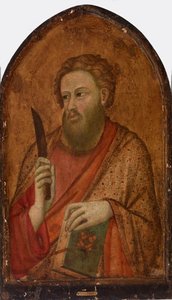
pacino di bonaguida
1280 - 1343 , Italy
Quick Facts
- Artistic Movement Or Style: Gothic Art
- Date Of Birth: 1280
- Date Of Death: 1343
- Full Name: Pacino di Bonaguida
- Nationality: Italian
- Notable Artworks:
- Laudario of Sant'Agnese
- Chiarito Tabernacle
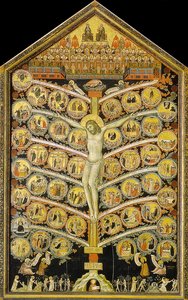
- Tree of Life
- Place Of Birth: Florence, Italy
Related Articles

Giotto's Masterpieces: 25 Renaissance Artworks for Your Home | ArtsDot
Explore 25 breathtaking artworks by Giotto di Bondone, a Renaissance master. Discover the stories behind iconic frescoes & paintings like the Scrovegni Chapel cycle. Find museum-quality Giotto reproductions and elevate your home decor with ArtsDot.com.
High Medieval Art: 10 Masterpieces That Shaped an Era | ArtsDot
Journey through High Medieval Art! Explore 10 iconic masterpieces – from Giotto's frescoes to stunning Gothic cathedrals. Discover the stories behind these timeless paintings, sculptures & illuminated manuscripts. Find museum-quality art reproductions at ArtsDot.com.
Late Medieval Masterpieces: 10 Artworks That Defined an Era | ArtsDot
Journey through 10 defining Late Medieval masterpieces – from Giotto's frescoes to Jan van Eyck’s realism. Explore the stories, techniques & vibrant colors of Gothic art. Find museum-quality reproductions and elevate your home decor with ArtsDot.com! Discover all masterpieces on ArtsDot.com
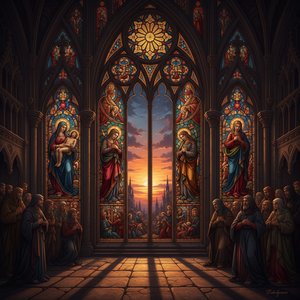
The Radiant Dusk of Medieval Vision: Exploring Late Gothic Art's Synthesis of Faith, Form & Emotionality (c. 1300-1500)
Explore the exquisite beauty & spiritual depth of Late Gothic art (c. 1300-1500). Discover key artists, symbolism, and its lasting influence on the Renaissance. Expert insights at ArtsDot.
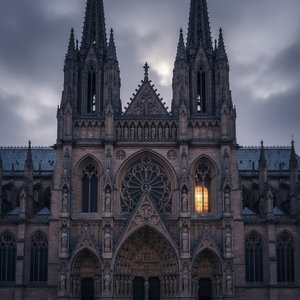
The Shadow of Faith: Exploring Gothic Art's Spiritual Intensity & Architectural Innovation
Explore the spiritual intensity & architectural innovation of Gothic art! Discover the symbolism behind cathedrals, stained glass & master artists like Giotto and Monet. A deep dive into medieval history & artistic expression.