 Preview
 Send
Send Share
Share
 Details

 Download
 Similars
 X-Ray
X-Ray Diaporama
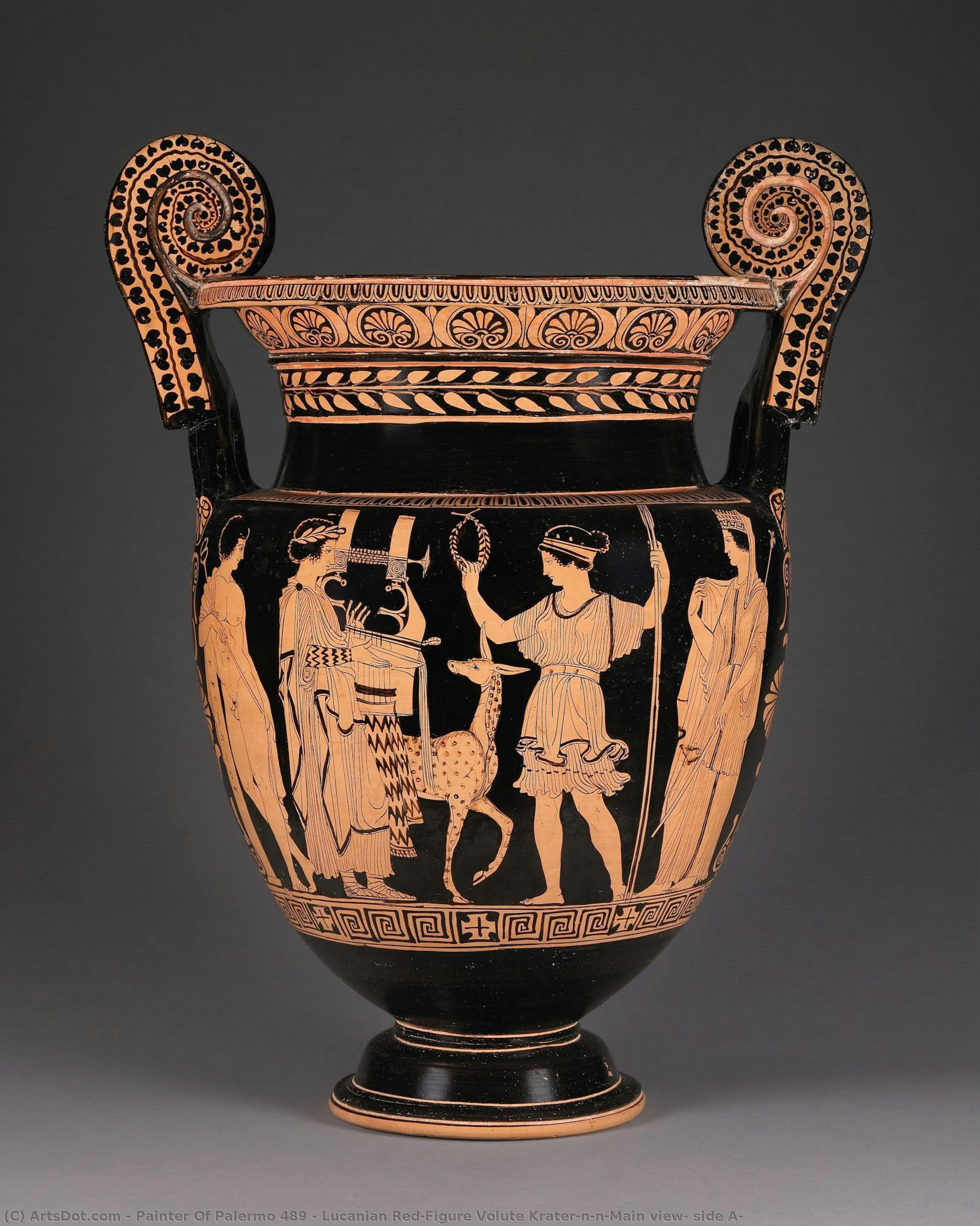
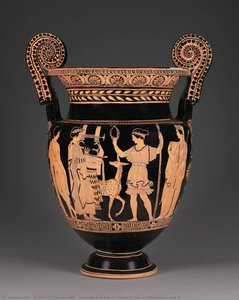
Lucanian Red-Figure Volute Krater\n\n(Main view, side A)
 Acrylic On Canvas
- WallArt
- Early Corinthian Style
 56.0 x 34.0 cm
 J. Paul Getty Museum
 Read More
Giclée / Art Print
Museum-quality giclée or canvas print with fast production and flexible finish options. ( Buy Hand Made Painting Buy Image)




P118B $10

P118H $10

P118W $10

P438Z $10

P508JH $12

P508YH $12

P805H $10

P805Z $10

P919BZ $10

P919G $10

P919XJ $10

P959ZH $10

P968JZ $12

W106C $8

W218G $10

W218JH $8

W218Y $10

W307PJ $10

W316G $10

W316PJ $8

W316Y $10

W398PJ $8

W4111J $10

W500HY $15

W500JH $15

W692G $12

W849H $8

W940BG $15

W953PJ $8




Pick from our preset sizes that match the artwork's original proportions.

You may enter your own dimensions to fit a specific frame or space. If your selected size does not match the original image's proportions, we will either crop the artwork or extend the image with a mirrored or solid-fill edge. A digital mockup will be sent for your approval before production begins.
Please note that the on-screen preview does not reflect the actual cropping or extension. Only the mockup will accurately show the final composition.
While custom sizes are available, we recommend selecting a dimension from the predefined list to preserve the original proportions.
Worldwide Delivery () in 2 weeks instead of standard 4/5 weeks. (26 August)

Free Worldwide Express Shipping

High-Quality Linen Canvas

Full Shipping Insurance

Customs Tax Refund Guarantee

True Color Matching Guarantee

60-Day Return Policy (Defects Only)

100% Money-Back Guarantee

Bulk Discount Offer
 Glass option is only available in size under 110 CM

Lucanian Red-Figure Volute Krater\n\n(Main view, side A)
Giclée / Art Print
Reproduction Size
-


Total Price
$ 63
Collectible Description
Related Artworks
Artist Biography
The Enigmatic Maestro of Corinthian Black Figure
The history of ancient Greek ceramic art is often written through the shadows of anonymous masters, and few figures loom as large yet remain as mysterious as the painter of Palermo 489. Operating in the vibrant, experimental atmosphere of Corinth, Greece, between approximately 640 and 625 BC, this artist existed during a transformative epoch. It was a time when the decorative, exotic flourishes of the Orientalizing period were beginning to coalesce into the disciplined, narrative power of the black-figure technique. While his true name has been lost to the sands of antiquity, his artistic fingerprint is indelibly pressed upon the evolution of Greek pottery, marking him as a pivotal bridge between two eras of classical expression.
To study the work of the painter of Palermo 4 0 is to witness the birth of a new visual language. His primary medium was the aryballos—small, elegant vessels used for storing precious scented oils—which required a delicate yet commanding hand. Through the masterful use of incised lines and carefully applied pigments, he achieved a level of detail that breathed life into the clay. This technique allowed for an expressive dynamism, where the silhouettes of figures were not merely static shapes but participants in unfolding dramas. His ability to manipulate the dark slip against the pale clay surface provided a stark, rhythmic beauty that would become the hallmark of Corinthian excellence.
A Legacy Carved in Clay and Lineage
The true greatness of the painter of Palermo 489 lies not only in his individual hand but in the lineage of talent he nurtured. He was far more than a solitary craftsman; he was a foundational educator whose influence rippled through generations of Greek artists. Most notably, he served as the mentor to the Columbus Painter, an artist who would go on to refine the black-figure style with even greater vigor. This pedagogical connection created a stylistic chain reaction, extending his artistic DNA to the Chimaira Painter and the broader Chimaira Group.
Through this lineage, we can trace the development of several key artistic elements:
- The Mastery of Form: The transition from purely decorative patterns to structured, anatomical figures.
- Narrative Depth: The integration of Homeric myths and epic poetry into the very fabric of functional objects.
- Technical Precision: The refinement of incision techniques that allowed for more complex storytelling on a miniature scale.
The influence of his pupils, such as the Chimaira Painter, brought even stronger Near Eastern motifs—like the powerful, stylized lions of Assyrian art—into the Corinthian repertoire. Yet, the seeds of this complexity were sown in the workshop of the painter of Palermo 489. He provided the technical foundation and the conceptual framework that allowed his students to push the boundaries of what ceramic art could achieve.
Historical Significance and the Eternal Flame of Art
Though the surviving fragments of his work are scarce, the historical weight of his contribution is undeniable. He stood at the crossroads of tradition and innovation, capturing the moment when Greek art moved away from the purely ornamental and toward the profoundly human. His engagement with mythological themes—tales of gods, heroes, and the epic struggles of antiquity—helped establish a visual vocabulary that would define Mediterranean culture for centuries.
In the study of ancient ceramics, he remains a symbol of the anonymous genius. He reminds us that the progress of art is often driven by those whose names we may never know, but whose vision continues to shape the world. The painter of Palermo 489 did not merely decorate vessels; he helped forge the aesthetic soul of the Corinthian black-figure tradition, ensuring that even in the smallest aryballos, the grandeur of the Greek spirit could be preserved and passed down through the ages.
painter of palermo 489
Greece
Quick Facts
- Artistic Movement Or Style: Black-figure style
- Artists Or Movements Influenced By This Artist: ['Columbus painter']
- Date Of Birth: Living
- Nationality: Greek
- Notable Artworks: ['Aryballoi']
- Place Of Birth: Corinth, Greece
Related Articles

Crimson Threads of Narrative: Exploring Symbolism & Representation in Artworks Featuring the Red Dress
Explore the rich symbolism of the red dress in art history! From ancient power displays to iconic portraits like Cézanne’s 'Madame Cezanne', discover the cultural and artistic significance behind this captivating color. Expert analysis & insights.

Mark Rothko's Masterpieces: 25 Paintings That Define Abstract Expressionism | ArtsDot
Explore 25 iconic Mark Rothko paintings that define Abstract Expressionism. Discover the stories, colors & emotions behind these masterpieces. Find museum-quality art reproductions and curated decor ideas at ArtsDot.com.
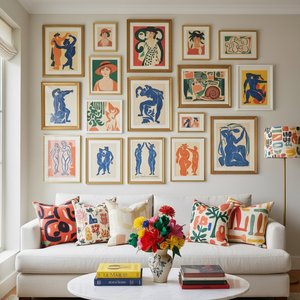
Henri Matisse's Masterpieces: Explore 25 Iconic Paintings & Art Decor Ideas
Journey through Henri Matisse's 25 most iconic paintings! Explore Fauvism, vibrant colors & the stories behind masterpieces like 'The Dance'. Find museum-quality art reproductions and curated decor ideas to elevate your space. Discover all masterpieces on ArtsDot.com.
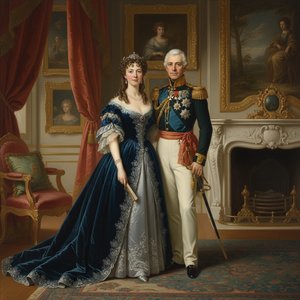
Franz Xaver Winterhalter: Court Painter, Academician & Embodiment of Mid-19th Century Portraiture
Explore the life & art of Franz Xaver Winterhalter, the celebrated court painter of the 19th century. Discover his exquisite portraits of royalty and aristocracy – a symbol of prestige and refined taste.
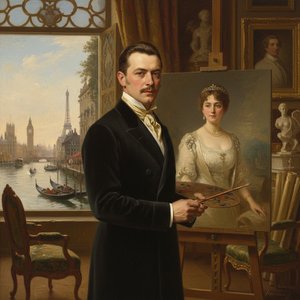
Philip de László: A Portrait of Aristocratic Society & the Cosmopolitan Painter's Evolution
Explore the life & art of Philip de László, master portraitist of European aristocracy. Discover his stunning paintings, royal commissions, and enduring legacy. A guide for discerning collectors.