 Preview
 Send
Send Share
Share
 Details

 Download
 Similars
 X-Ray
X-Ray Diaporama
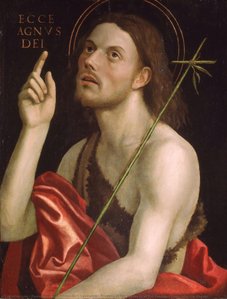
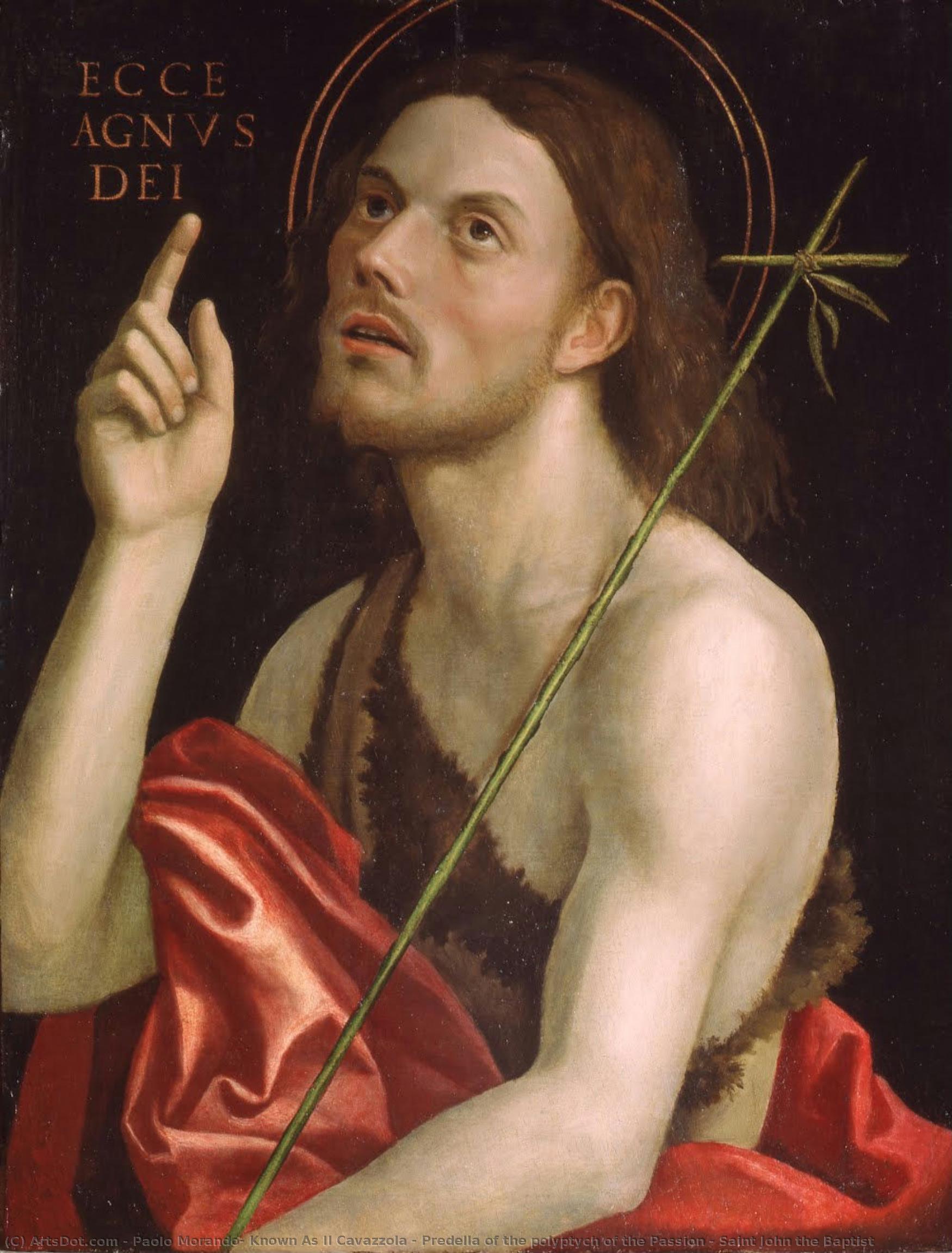
Predella of the polyptych of the Passion - Saint John the Baptist


 Read More
Hand Made Oil Reproduction
Hand-painted oil on canvas in your size and frame, made to order by our artists. ( Buy Print Buy Image)




P118B $10

P118H $10

P118W $10

P438Z $10

P508JH $12

P508YH $12

P805H $10

P805Z $10

P919BZ $10

P919G $10

P919XJ $10

P959ZH $10

P968JZ $12

W106C $8

W218G $10

W218JH $8

W218Y $10

W307PJ $10

W316G $10

W316PJ $8

W316Y $10

W398PJ $8

W4111J $10

W500HY $15

W500JH $15

W692G $12

W849H $8

W940BG $15

W953PJ $8




Pick from our preset sizes that match the artwork's original proportions.

You may enter your own dimensions to fit a specific frame or space. If your selected size does not match the original image's proportions, we will either crop the artwork or extend the painting with additional hand-painted elements. A digital mockup will be sent for your approval before production begins.
Please note that the on-screen preview does not reflect the actual cropping or extension. Only the mockup will accurately show the final composition.
While custom sizes are available, we recommend selecting a dimension from the predefined list to preserve the original proportions.
After order, ArtsDot.com team will email client for instructions and provide a mockup preview
Worldwide Delivery () in 3/4 weeks instead of standard 5 weeks. (6 September). No compromise on quality.

Free Worldwide Express Shipping

High-Quality Linen Canvas

Full Shipping Insurance

Customs Tax Refund Guarantee

True Color Matching Guarantee

100-Day Return Policy (Defects Only)

100% Money-Back Guarantee

Bulk Discount Offer
 Glass option is only available in size under 110 CM

Predella of the polyptych of the Passion - Saint John the Baptist
Reproduction Medium
Reproduction Size
-


Total Price
$ 263
A Vision of Divine Revelation
In the quiet, evocative strokes of Paolo Morando, known to history as Il Cavazzola, we encounter a moment suspended between the earthly and the divine. This particular panel from the predella of the polyptych of the Passion—depicting Saint John the Baptist—serves as more than just a religious portrait; it is a window into the spiritual fervor of the Italian Renaissance. The saint is captured in a state of profound, almost startling realization, his hand raised toward the heavens as if to grasp an unseen celestial truth. Clad in a vibrant red robe that commands the viewer's attention, he holds a green staff, a symbol of his ascetic life in the wilderness, while the ornate background and the presence of the cross suggest a world where the miraculous is ever-present.
The emotional resonance of this piece lies in its ability to convey wonder. There is a palpable sense of surprise etched into the saint's features, inviting the observer to share in his moment of epiphany. For the collector or the interior designer, this painting offers a profound focal point that transcends mere decoration. It brings an atmosphere of contemplation and spiritual depth to any space, acting as a conversation piece that bridges the gap between the sixteenth century and the modern era.
Mastery of Color and Renaissance Grace
Technically, the work is a testament to the rich artistic heritage of Verona. Trained in the workshop of Francesco Morone, Il Cavazzola masterfully blended the structural clarity of the Renaissance with the lingering, lyrical elegance of the Gothic tradition. The use of color in this piece is particularly striking; the deep, saturated crimson of the Saint's garment provides a brilliant contrast to the verdant tones of his staff and the intricate, gilded textures of the background. This interplay of light and pigment creates a sense of three-dimensional presence that makes the figure appear to emerge from the canvas itself.
The composition reflects the influence of Venetian masters like Giorgione, particularly in how the landscape and atmosphere seem to breathe around the central figure. The artist’s ability to balance heavy, symbolic elements with a delicate, emotive facial expression demonstrates a sophisticated command over the medium. When seeking a high-quality reproduction, one looks for this specific ability to capture the luminosity and the subtle gradations of shadow that define Morando's hand. Such a piece does not merely sit upon a wall; it illuminates a room with its historical weight and artistic brilliance.
Historical Legacy and Timeless Appeal
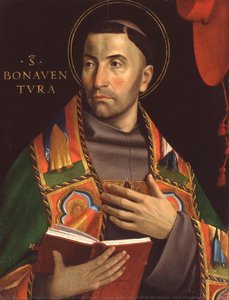
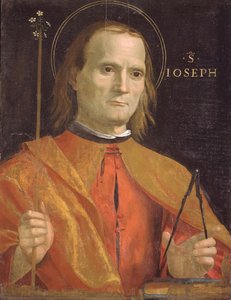
To possess a reproduction of this predella panel is to hold a fragment of the Avanzi chapel's history. Originally part of a monumental iconostasis in San Bernardino, these panels were designed to guide the faithful through the narrative of Christ's Passion. While the larger polyptych told the epic story of sacrifice, these smaller predella portraits—featuring saints like John the Baptist, Joseph, and Bonaventure—offered a more intimate connection to the divine. According to the historian Vasari, these figures were even thought to be portraits of real acquaintances of the era, adding a layer of human intimacy to their sacred roles.
For those looking to curate an environment of sophistication and intellectual depth, this artwork provides an unparalleled opportunity. It embodies the Renaissance ideal of beauty as a reflection of divine order. Whether integrated into a classical gallery setting or used as a bold accent in a contemporary study, the Saint John the Baptist panel remains a timeless masterpiece of devotion, technique, and dramatic storytelling.
Related Artworks
Artist Biography
The Veronese Master: The Life and Legacy of Paolo Morando
In the vibrant heart of the Italian Renaissance, amidst the winding streets of Verona, a painter emerged whose brush captured the profound spiritual intensity of his era. Paolo Morando, more affectionately known to history as Il Cavazzola, was born around 1485, a time when the artistic landscape of Italy was undergoing a breathtaking transformation. His life, though tragically short, was defined by a deep connection to his native soil and a relentless pursuit of the aesthetic harmony that characterized the transition from the late Gothic period to the High Renaissance.
The foundations of Morando’s artistry were laid within the prestigious workshops of his hometown. He underwent rigorous training under the guidance of Francesco Morone, a master whose influence instilled in him a disciplined approach to form and anatomy. However, the soul of Il Cavazzible's work drew much from the broader currents of Northern Italian art, absorbing the delicate sensibilities of Francesco Bonsignori and the structural elegance of Domenico Morone. This lineage of training allowed him to bridge the gap between local Veronese traditions and the burgeoning innovations sweeping through the peninsula.
A Synthesis of Venetian Light and Renaissance Form
What truly distinguishes the work of Il Cavazzola is his ability to weave together disparate stylistic threads into a singular, emotive tapestry. While his training was rooted in the precision of the Veronese school, he looked toward the horizon of Venice with profound admiration. One can observe a palpable Giorgionesque quality in his landscapes—a soft, atmospheric approach to light and shadow that suggests a deep reverence for the Venetian masters. His canvases often breathe with a sense of poetic melancholy, where figures are not merely subjects but inhabitants of a world saturated with color and mood.
His technique was characterized by a masterful command of composition and a vibrant use of pigment. He possessed the rare ability to balance the intricate, almost ornamental details inherited from the Gothic tradition with the monumental, sculptural presence required by the Renaissance. This duality allowed him to create works that were both intellectually stimulating and emotionally accessible, capturing the divine through the lens of human experience.
Sacred Narratives and Lasting Impressions
The zenith of Morando’s career is perhaps best observed in his contributions to large-scale religious commissions, which served as the spiritual anchors of his community. His involvement in complex polyptychs allowed him to demonstrate his skill in narrative storytelling, particularly through his depictions of the Passion of Christ. These works were not merely decorative; they were pedagogical tools designed to evoke empathy and devotion in the faithful.
Among his most significant contributions are the various components of the Polyptych of the Passion, which include:
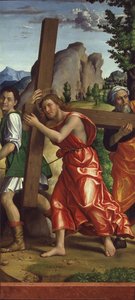
- Procession to Calvary: A sweeping canvas that captures the movement and collective tension of Christ's journey.
- Saint John the Baptist: A poignant predella piece showcasing his ability to render individual sanctity.
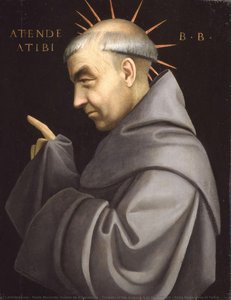
- Saint Bernardino of Feltre: A testament to his talent for portraying the charismatic presence of religious figures.
Tragically, the flame of Il Cavazzola was extinguished far too soon; he passed away in 1522, leaving behind an unfinished altarpiece that stands as a poignant reminder of a life cut short. Despite this, his historical significance remains undiminished. Through the collections of institutions such as the Castelvecchio Museum in Verona, his vision continues to inspire, offering a window into a period where art served as the ultimate bridge between the earthly and the divine.
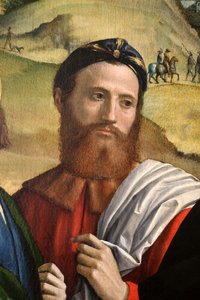
paolo morando, known as il cavazzola
1485 - 1522 , Italy
Quick Facts
- Artistic Movement Or Style: Renaissance
- Artists Who Influenced This Artist:
- Francesco Morone
- Giorgione
- Date Of Birth: Verona, Italy (1485)
- Date Of Death: 1522
- Full Name: Paolo Morando
- Nationality: Italian
- Notable Artworks:
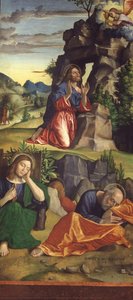
- Polyptych of the Passion - Agony in the Garden
- Polyptych of the Passion - Procession to Calvary
- Predella of the polyptych of the passion - Saint Joseph
- Place Of Birth: Verona
Related Articles

John Singer Sargent's 25 Masterpieces: Portraits & Beyond | ArtsDot
Explore 25 iconic John Singer Sargent paintings – from dazzling portraits to Impressionist landscapes. Discover the stories behind Madame X, El Jaleo & more! Find museum-quality art reproductions and elevate your home decor with ArtsDot.com.

John Constable's Masterpieces: Explore 25 Iconic Landscapes for Your Home
Journey through John Constable's 25 most celebrated landscapes. Explore Romanticism, Dedham Vale & his masterful use of light in iconic paintings like 'Hay Wain'. Find museum-quality art reproductions and elevate your home decor on ArtsDot.com.

Crimson Threads of Narrative: Exploring Symbolism & Representation in Artworks Featuring the Red Dress
Explore the rich symbolism of the red dress in art history! From ancient power displays to iconic portraits like Cézanne’s 'Madame Cezanne', discover the cultural and artistic significance behind this captivating color. Expert analysis & insights.

Fra Angelico's Masterpieces: 25 Renaissance Paintings for Your Home | ArtsDot
Explore 25 breathtaking masterpieces by Fra Angelico, a Renaissance master. Discover the stories behind his iconic frescoes, Annunciations & religious art. Find museum-quality reproductions and elevate your home decor with ArtsDot.com.

Spiritual Art: 10 Masterpieces to Inspire Your Soul |
Explore 10 spiritual art masterpieces – from Da Vinci to Van Gogh – that ignite inner peace & reflection. Discover their stories, techniques & emotional power. Find museum-quality reproductions & curated decor ideas at .