

 Preview
 Send
Send Share
Share
 Details

 Download
 Similars
 X-Ray
X-Ray Diaporama
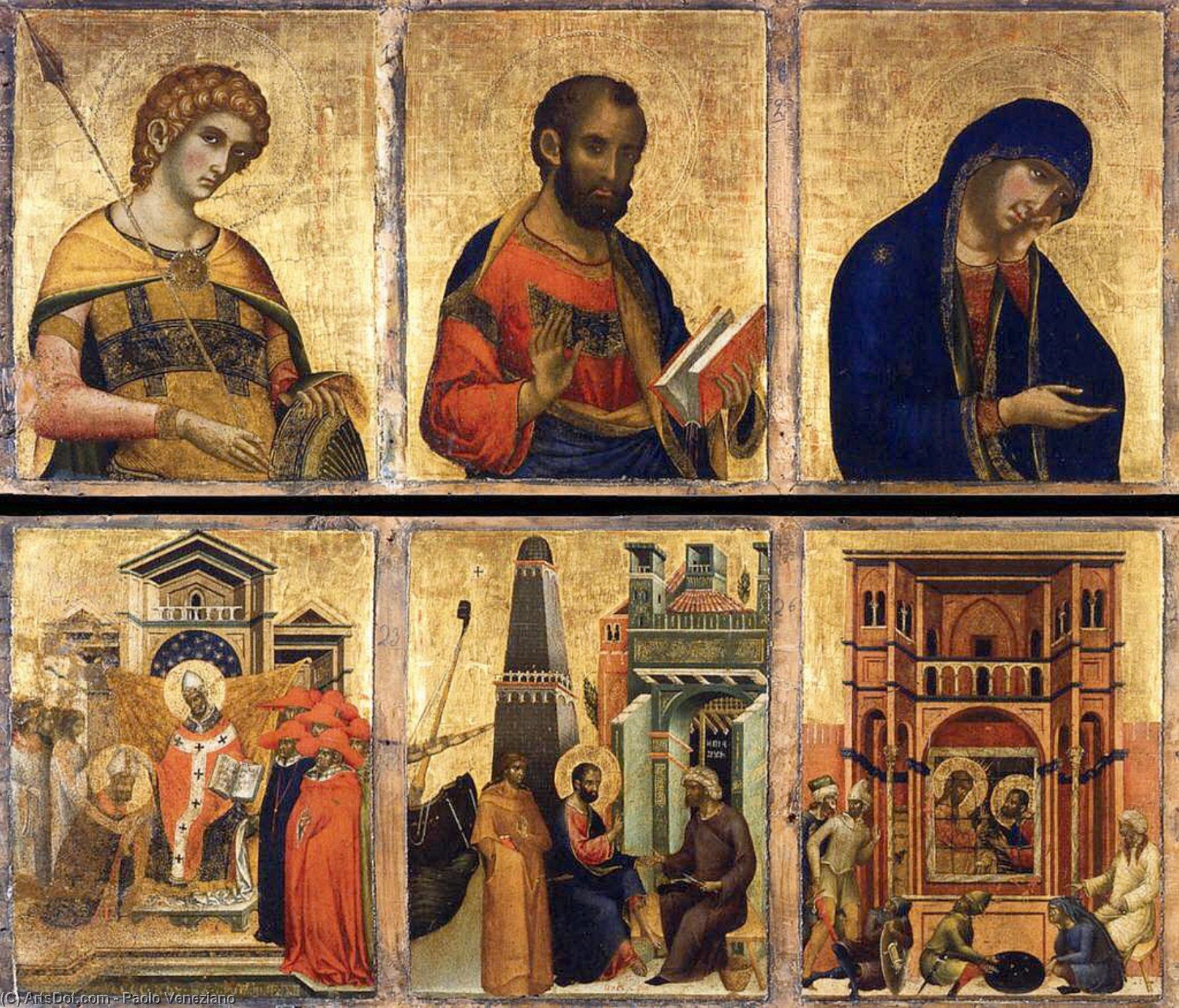
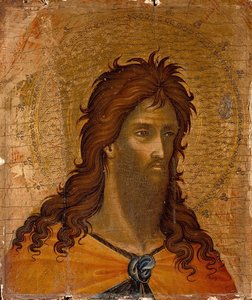
Altarpiece (detail)


 Read More
Purchase a high-resolution, enhanced digital image, far superior to the online preview.
Each file is meticulously prepared by our in-house specialists using advanced tools and expert manual retouching. We ensure every image has exceptional clarity, precise color accuracy, and fine detail.
The final file is delivered via email within 72 hours, optimized for immediate use in professional, editorial, and print environments. This is the same quality trusted by top-tier design studios, publishers, and galleries.
Digital Image
Download a high-resolution file for personal display, printing, and creative projects. ( Buy Print Buy Hand Made Painting)
Included in Every Digital Image Order
Expert Digital Delivery, Guaranteed
When you choose ArtsDot.com, you're not just getting an image - you're receiving a professionally enhanced digital artwork, crafted with precision and backed by a satisfaction guarantee. Here's everything that comes with your order, automatically:

Fast Email Delivery
Your high-resolution digital image file will be emailed to you within 72 hours of ordering - ready for immediate use.

AI-Enhanced Digital File
Your artwork is professionally optimized using advanced AI tools and manual editing, ensuring maximum detail, clarity, and color accuracy.

Free Lifetime Re-Delivery
Accidentally deleted or lost your file? No worries - we'll resend it to you anytime, free of charge.

No Import Fees - Ever
Enjoy your artwork instantly with zero customs, duties, or delivery fees - digital downloads are always tax-free.

Color Accuracy Guarantee
We ensure your digital image reflects the original colors as closely as possible using professional tools and color management.

60-Day Satisfaction Guarantee
If you're not satisfied with your digital image, we'll revise it or refund 100% within 60 days - no questions asked.

100% Money-Back Guarantee
Not satisfied? Get a full refund within 60 days of receiving your digital file - no questions asked.

Bulk Order Discounts
Buy 3 images, save 10% - Buy 5, save 15% - Buy 10+, save 20%. Great for creative projects, galleries, and agencies.
Collectible Description
A Golden Vision of Devotion
In the delicate details of Paolo Veneziano’s Altarpiece (detail), we encounter a breathtaking window into the spiritual heart of the fourteenth century. This exquisite work, dating to approximately 1345, serves as a luminous testament to the transition between the rigid grandeur of Byzantine tradition and the emerging grace of the Gothic style. As one gazes upon this triptych, the immediate sensation is one of celestial light; the liberal application of gold leaf creates an ethereal glow that seems to emanate from within the wood panel itself, transforming the physical object into a sacred vessel of divine presence.
The composition is masterfully structured with a rhythmic symmetry that guides the eye through a series of holy encounters. In the upper register, an angel poised with a musical instrument provides a celestial soundtrack to the silent contemplation of Saint Matthew and the Virgin Mary. The scene is not merely a depiction of figures, but a carefully choreographed dance of piety. Each panel acts as a portal, where the architectural elements—rendered with precise, linear detail—frame the sacred narratives, offering a sense of stability and eternal order that would have deeply resonated with the faithful of the Early Renaissance.
Mastery of Light and Technique
To behold this piece is to appreciate the profound technical skill of Paolo Veneziano, the pioneer of the Venetian school. The artist employed a sophisticated technique of layering thin, translucent glazes of oil paint over the panel, a method that allows light to penetrate the surface and reflect back, creating a depth and luminosity that remains captivating centuries later. This glazing process softens the edges of the figures, imbuing them with an idealized, almost otherworldly beauty, while simultaneously allowing for the sharp, geometric precision required by the period's architectural motifs.
The interplay of light and shadow is nothing short of dramatic. An unseen, divine source of illumination casts strong highlights across the folds of garments and the surfaces of sacred objects, emphasizing the three-dimensional form within a relatively shallow perspective. This deliberate use of chiaroscuro creates a sense of weight and presence, making the saints feel tangibly present within their gilded sanctuary. For the collector or designer, this interplay offers a sophisticated textural richness that brings a sense of historical gravity and quiet luxury to any curated space.
Symbolism and Timeless Elegance
Every element within this altarpiece is steeped in profound symbolism, designed to communicate complex theological truths through visual language. The halos encircling the heads of the saints are not merely decorative; they are radiant markers of sanctity, separating the divine from the earthly. The scrolls held by Saint Matthew and the focused gaze of the Virgin Mary as she reads signify the importance of scripture and the transmission of divine wisdom. Even the architectural flourishes—the squares, rectangles, and structured arches—serve to represent the organized, sacred space of the heavenly kingdom.
For those seeking to integrate art into a contemporary interior, this reproduction offers more than just aesthetic beauty; it provides an emotional anchor. The piece evokes a sense of peace, reverence, and timelessness. Whether placed as a focal point in a formal study or as a sophisticated accent in a gallery-inspired living space, the Altarpiece (detail) invites contemplation. It is a masterpiece of historical synthesis, blending the opulent textures of Venice with a profound spiritual narrative, making it an incomparable choice for anyone looking to surround themselves with the enduring legacy of the Italian Renaissance.
Related Artworks



Artist Biography
The Venetian Pioneer of Byzantine and Gothic Synthesis
Paolo Veneziano (c. 1333 – 1358) stands as a monumental figure in the history of Venetian art, recognized universally as the most important Venetian painter of the fourteenth century. Born into an artistic lineage within the heart of Venice—his father being a renowned artist himself—Veneziano’s brief but brilliant career coincided with a transformative period in European painting. He acted as a vital bridge, spanning the stylistic gap between the rigid, golden grandeur of the Byzantine tradition and the burgeoning, more fluid elegance of the Gothic style. His legacy extends far beyond his short lifetime, establishing him as the true founder of the Venetian school, an artistic movement that would dominate production throughout the century and profoundly influence subsequent masters such as Lorenzo Veneziano.
The essence of Veneziano’s genius lies in his ability to harmonize disparate worlds. While his training was deeply rooted in the Byzantine influences that permeated the Venetian Republic—a style characterized by iconographic stability, preciousness, and a sense of the divine—he possessed an astute awareness of contemporary developments flowing from Rimini and other Italian artistic centers. By incorporating Gothic elements into his compositions, he introduced a new level of sophistication and movement. This dual engagement ensured that his work did not merely echo the glories of the past but actively participated in the evolving, dynamic landscape of the mid-14th century.
A Masterpiece of Devotion and Patronage
The zenith of Veneziano’s artistic achievement is perhaps most vividly captured in his involvement with the Pala Feriale, or weekday altarpiece, commissioned for the prestigious St. Mark’s Basilica in Venice. This monumental project was a collaborative triumph, undertaken alongside his sons, Marco and Luca. The resulting polyptych serves as a breathtaking testament to Venetian patronage and technical prowess. In this work, one can observe the meticulous application of gold leaf and the careful arrangement of sacred figures, creating a celestial vision that reflects both the wealth of the Republic and the deep piety of its citizens.
Through such large-scale commissions, Veneziano demonstrated his ability to manage complex iconographic programs that satisfied both religious requirements and the aesthetic desires of the Venetian state. His technique involved:
- The use of luminous gold grounds to evoke a sense of eternal, divine light.
- Intricate ornamentation that mirrored the luxurious textiles and mosaics found within Venice itself.
- A delicate balance of line and color that allowed for the emergence of more naturalistic, Gothic drapery over the traditional Byzantine forms.
Historical Significance and Lasting Legacy
Though his life was tragically short, ending in 1358, the impact of Paolo Veneziano on the trajectory of Western art is immeasurable. He did not merely paint; he defined a visual language for a maritime empire. By synthesizing the Eastern influence of Byzantium with the Western innovations of the Gothic period, he created a unique "Venetian" style—one that was opulent, international, and deeply evocative. This stylistic synthesis provided the foundation upon which the later, more celebrated Renaissance masters would build.
His importance to art history cannot be overstated, as he transformed Venice from a mere recipient of foreign artistic styles into a primary creator of its own distinct aesthetic identity. The lineage he established through his workshop and his sons ensured that the Venetian school would remain a dominant force in European art for generations, leaving an indelible mark on the history of the Italian Renaissance.
Paolo Veneziano
1333 - 1358 , Italy
Quick Facts
- Artistic Movement Or Style: Byzantine influence & Gothic art
- Artists Or Movements Influenced By This Artist: ['Marco di Paolo Veneziano']
- Artists Who Influenced This Artist: ['Lorenzo Veneziano']
- Date Of Birth: c. 1333
- Date Of Death: 1358
- Full Name: Paolo Veneziano
- Nationality: Italian
- Notable Artworks:
- Pala Feriale
- Panel of a Polyptych
- Place Of Birth: Venice, Italy

