 Preview
 Send
Send Share
Share
 Details

 Download
 Similars
 X-Ray
X-Ray Diaporama
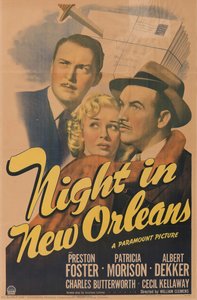
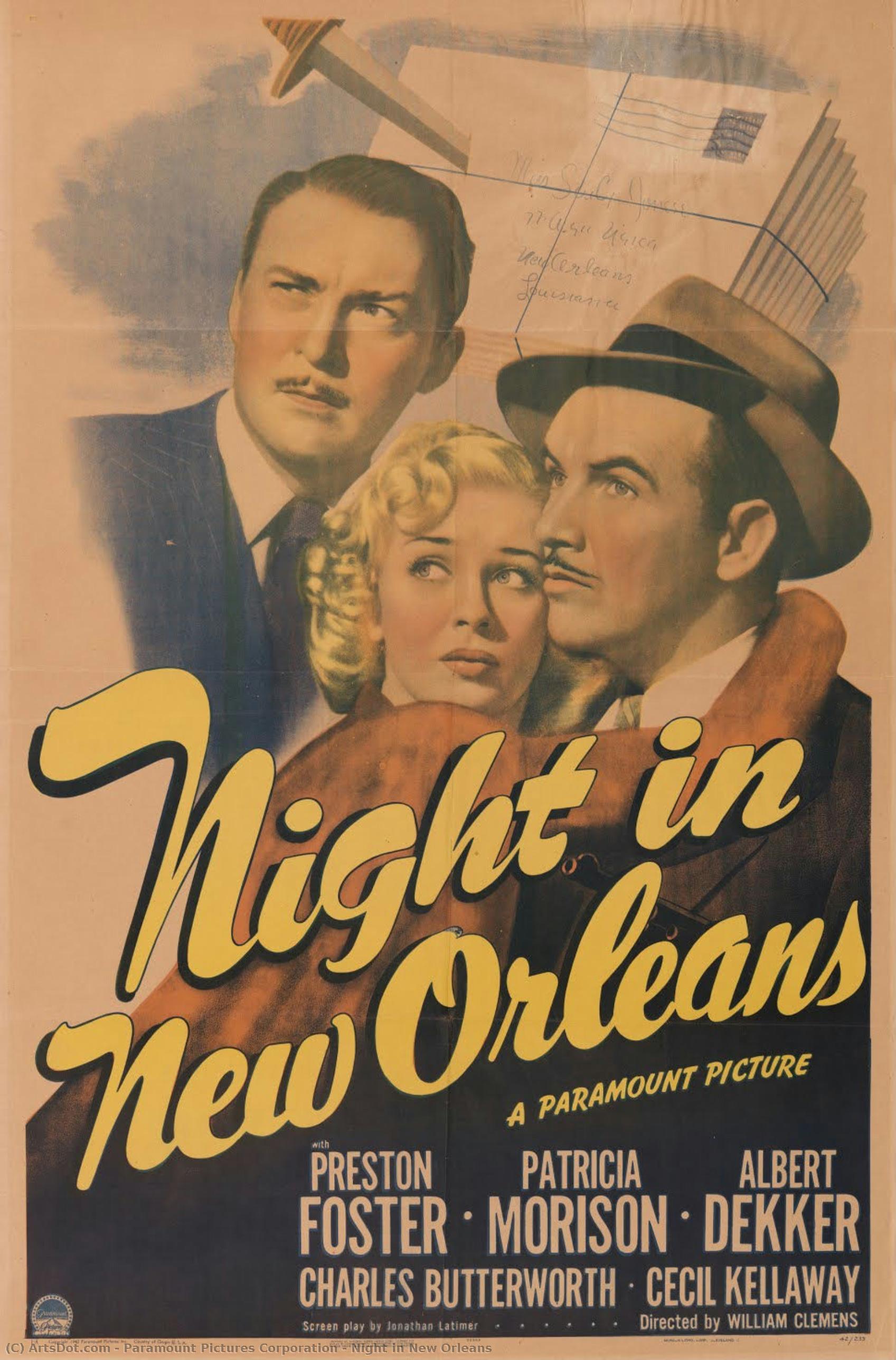
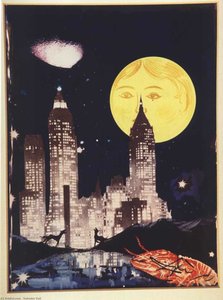
Night in New Orleans


 Read More
Giclée / Art Print
Museum-quality giclée or canvas print with fast production and flexible finish options. ( Buy Hand Made Painting Buy Image)




































Pick from our preset sizes that match the artwork's original proportions.

You may enter your own dimensions to fit a specific frame or space. If your selected size does not match the original image's proportions, we will either crop the artwork or extend the image with a mirrored or solid-fill edge. A digital mockup will be sent for your approval before production begins.
Please note that the on-screen preview does not reflect the actual cropping or extension. Only the mockup will accurately show the final composition.
While custom sizes are available, we recommend selecting a dimension from the predefined list to preserve the original proportions.
Worldwide Delivery () in 2 weeks instead of standard 4/5 weeks. (1 September)

Free Worldwide Express Shipping

High-Quality Linen Canvas

Full Shipping Insurance

Customs Tax Refund Guarantee

True Color Matching Guarantee

60-Day Return Policy (Defects Only)

100% Money-Back Guarantee

Bulk Discount Offer
 Glass option is only available in size under 110 CM

Night in New Orleans
Giclée / Art Print
Reproduction Size
-


Total Price
$ 63
Related Artworks


Artist Biography
The Ever-Evolving Canvas of Paramount Pictures
Paramount Pictures Corporation, a name synonymous with the golden age of Hollywood and beyond, isn't simply a film studio; it’s a dynamic artistic entity whose canvas has been the ever-changing landscape of American culture for over a century. Founded in 1912 as Famous Players Film Company by Adolph Zukor, its early ambition was to elevate motion pictures by featuring established stage stars – a revolutionary concept at the time. This initial focus on quality and recognizable talent quickly distinguished it from the nickelodeon fare prevalent then, laying the groundwork for what would become a global entertainment powerhouse. The merger with Jesse L. Lasky’s Feature Play Company in 1914 birthed Paramount Pictures, solidifying its position as a major player in the burgeoning film industry. From these humble beginnings, Paramount embarked on a journey of innovation and adaptation, constantly reflecting and shaping the societal narratives of its time.A Legacy Forged in Stars and Stories
The studio’s early decades were defined by its stable of iconic performers – Mary Pickford, Douglas Fairbanks, Gloria Swanson, and Rudolph Valentino – whose presence drew audiences to theaters and established the “star system” as a cornerstone of Hollywood marketing. Paramount wasn't merely showcasing these talents; it was *building* them into cultural icons. This period also saw the development of sophisticated production techniques and narrative structures. Directors like Cecil B. DeMille, with his epic historical dramas such as The Ten Commandments, pushed the boundaries of cinematic spectacle, while Ernst Lubitsch pioneered comedic sophistication with films like Trouble in Paradise. These early successes weren’t accidental; they were a deliberate strategy to create a brand associated with prestige and entertainment. The studio's iconic logo – the snow-capped Mount Paramount encircling a ring – became instantly recognizable, symbolizing quality and aspiration. Throughout the 1930s and 40s, Paramount continued to produce films that captured the zeitgeist, from sophisticated comedies like those starring Bing Crosby and Bob Hope to gripping dramas reflecting the anxieties of the Depression era and World War II.Navigating Change: From Studio System to Modern Blockbusters
The post-war period brought significant challenges to the studio system. The Paramount Decree of 1948 forced studios to divest themselves of their theater chains, fundamentally altering the industry’s economic structure. Paramount responded by focusing increasingly on independent production and co-financing ventures. This era saw a shift in genre focus, with an increased emphasis on thrillers and suspense films like Alfred Hitchcock's Rear Window and Vertigo, demonstrating the studio’s willingness to embrace artistic risk. The 1960s and 70s were marked by experimentation and a search for new audiences, with films like The Godfather (1972) becoming cultural touchstones and redefining the gangster genre. Francis Ford Coppola’s masterpiece, in particular, signaled a return to prestige filmmaking and cemented Paramount's reputation for supporting ambitious artistic visions. The studio successfully adapted to the rise of blockbuster cinema in the 1980s with franchises like Star Trek and Indiana Jones, proving its ability to balance commercial appeal with creative storytelling.A Contemporary Colossus: Diversification and Global Reach
Today, Paramount Pictures is a multifaceted entertainment conglomerate encompassing film, television, streaming services (Paramount+), and theme parks. The studio continues to produce a diverse range of content, from high-budget action films like the Mission: Impossible series to critically acclaimed dramas and comedies. The acquisition of DreamWorks Animation in 2016 further expanded its portfolio, solidifying its position as a leader in animated entertainment. Paramount’s success isn't solely defined by box office numbers; it also lies in its ability to cultivate franchises that resonate with global audiences.- The Transformers franchise has become a worldwide phenomenon.
- The Star Trek universe continues to expand through film and television.
- Recent revivals of established properties, such as Top Gun: Maverick, demonstrate the studio’s ability to connect with both long-time fans and new generations.