 Preview
 Send
Send Share
Share
 Details

 Download
 Similars
 X-Ray
X-Ray Diaporama
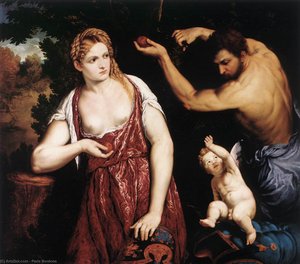
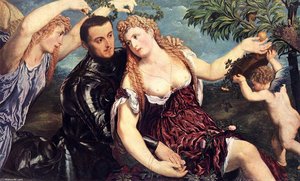
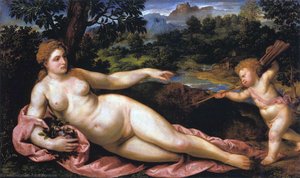
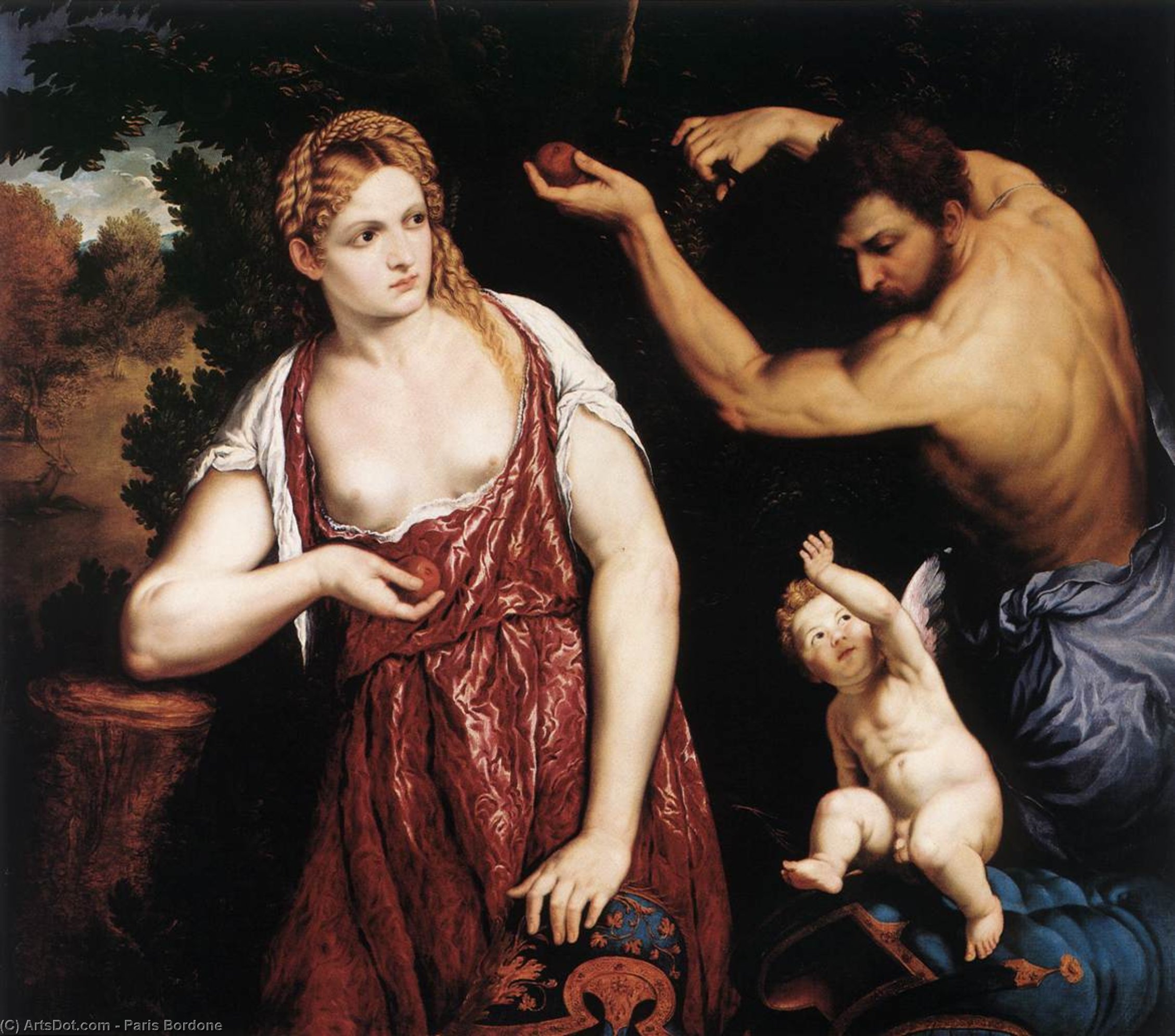
Venus and Mars with Cupid
 Oil On Canvas
- WallArt
- Mannerism
 1559
1559- Renaissance
 118.0 x 130.0 cm
 Galleria Doria Pamphilj
 Read More
Hand Made Oil Reproduction
Hand-painted oil on canvas in your size and frame, made to order by our artists. ( Buy Print Buy Image)




P118B $10

P118H $10

P118W $10

P438Z $10

P508JH $12

P508YH $12

P805H $10

P805Z $10

P919BZ $10

P919G $10

P919XJ $10

P959ZH $10

P968JZ $12

W106C $8

W218G $10

W218JH $8

W218Y $10

W307PJ $10

W316G $10

W316PJ $8

W316Y $10

W398PJ $8

W4111J $10

W500HY $15

W500JH $15

W692G $12

W849H $8

W940BG $15

W953PJ $8




Pick from our preset sizes that match the artwork's original proportions.

You may enter your own dimensions to fit a specific frame or space. If your selected size does not match the original image's proportions, we will either crop the artwork or extend the painting with additional hand-painted elements. A digital mockup will be sent for your approval before production begins.
Please note that the on-screen preview does not reflect the actual cropping or extension. Only the mockup will accurately show the final composition.
While custom sizes are available, we recommend selecting a dimension from the predefined list to preserve the original proportions.
After order, ArtsDot.com team will email client for instructions and provide a mockup preview
Worldwide Delivery () in 3/4 weeks instead of standard 5 weeks. (17 August). No compromise on quality.

Free Worldwide Express Shipping

High-Quality Linen Canvas

Full Shipping Insurance

Customs Tax Refund Guarantee

True Color Matching Guarantee

60-Day Return Policy (Defects Only)

100% Money-Back Guarantee

Bulk Discount Offer
 Glass option is only available in size under 110 CM

Venus and Mars with Cupid
Reproduction Medium
Reproduction Size
-


Total Price
$ 263
Artwork Description
The Allure of Divine Play: Venus and Mars with Cupid
To gaze upon Paris Bordone's depiction of Venus and Mars with Cupid is to step directly into the vibrant, emotionally charged atmosphere of the High Renaissance meeting the burgeoning complexity of Mannerism. This painting captures not merely a mythological tableau, but a moment suspended in time—a playful negotiation between divine love, desire, and youthful energy. The composition itself draws the viewer into its central drama: Venus, embodying supreme beauty, holds an apple, a potent symbol that has echoed through art for centuries. Mars, the god of war, reaches toward this very fruit, suggesting that even martial passion is ultimately drawn to the sweetness of earthly temptation or divine favor.
A Masterpiece of Venetian Mannerism
Paris Bordone, a painter whose career unfolded in the crucible of 16th-century Venice, stands as a testament to artistic individuality. Though he trained under the colossal shadow of Titian, Bordone carved out a style that was uniquely his own—a sophisticated blend of intricate composition and an almost palpable provincial vitality. His handling of form here is characteristic of Mannerism; notice the elegant elongation of the figures and the deliberate complexity in arranging them within the scene. The background, featuring lush natural elements like the depicted tree, does more than simply frame the action; it weaves a tapestry of depth that supports the emotional weight of the central interaction.
Symbolism Woven into Flesh and Fruit
The narrative richness of this work invites deep contemplation. Beyond the primary couple, the presence of two flanking children—Cupid's attendants or perhaps allegorical figures themselves—adds layers to the symbolism. The apple itself is a nexus point: it speaks simultaneously of earthly desire (as in the myth of the Judgment of Paris), forbidden knowledge, and the irresistible nature of beauty. Bordone masterfully uses these symbolic props to elevate what might otherwise be a simple portrait into a profound meditation on love's many facets—the passionate conflict between Venus’s allure and Mars’s forceful yearning.
Creating an Atmosphere for Your Space
For the discerning collector or designer, this reproduction offers more than just decoration; it offers a conversation piece steeped in history and mythology. The rich palette and dynamic energy of Bordone's brushwork bring an air of sophisticated drama to any room. Imagine this scene—the interplay between soft flesh tones, deep greens from the background foliage, and the vibrant gestures of the figures—illuminating your drawing-room or gallery wall. It is a piece that demands attention, whispering tales of gods, desire, and the enduring power of human connection.
Related Artworks
Artist Biography
The Venetian Maverick: The Life and Legacy of Paris Bordone
In the vibrant, sun-drenched landscape of the sixteenth-century Venetian Renaissance, few figures possess a spirit as fiercely independent as Paris Bordone. Born in Treviso around 1500, Bordone emerged from the shadow of the great masters to carve out a reputation defined by a unique tension between classical grace and a restless, Mannerist energy. While his contemporaries often sought the polished perfection of the High Renaissance, Bordone embraced a more complex, sometimes provocative aesthetic that blended the monumental scale of his era with a distinctively provincial vitality. His journey was one of constant negotiation between the established traditions of Venice and an unyielding desire to forge a personal visual language.
The foundation of Bordone’s technical prowess was laid during his formative years in Venice, most notably through his apprenticeship under the legendary Titian. This period was undoubtedly the crucible of his talent, exposing him to the rich textures, dramatic lighting, and atmospheric depth that define the Venetian school. However, the relationship between master and pupil was famously fraught with creative friction. Historical accounts, including those by Vasari, suggest a certain discordance between Bordone’s experimental impulses and Titian’s more refined aesthetic. Rather than being stifled by this tension, Bordone utilized it as a catalyst for growth, developing a style that moved away from pure imitation toward a more intricate and sometimes agitated compositional approach.
A Tapestry of Myth, Devotion, and Portraiture
Bordone’s prolific career is characterized by an extraordinary breadth of subject matter, ranging from the sacred to the profane. His ability to navigate religious iconography with the same vigor as mythological narratives allowed him to capture the diverse interests of the Venetian elite. In his religious works, such as the Pentecost housed in the Hermitage Museum, one observes a masterful command of sfumato and warm, emotive tones that invite deep spiritual contemplation. Yet, even within these devotional settings, a sense of Mannerist complexity often emerges through swirling drapery and crowded, dynamic arrangements.
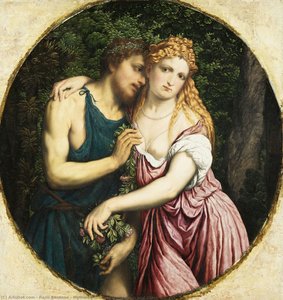
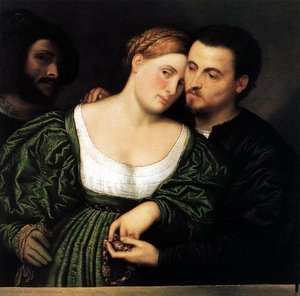
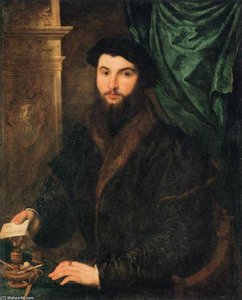
When turning his gaze toward the secular, Bordone achieved a level of narrative drama that remains captivating to modern viewers. His mythological paintings, such as Allegory with Lovers, showcase his talent for using vibrant colors and symbolic depth to weave complex tales of passion and fate. This mastery extended into the realm of portraiture, where he captured the dignity and social standing of his subjects with remarkable precision. A notable example is his 1540 Portrait of Thomas Stachel, currently residing in the Louvre; here, the artist utilizes an intricate composition to highlight the sitter's status, using the fine details of robes and heraldic letters to ground the subject in a tangible historical reality.
Historical Significance and Artistic Endurance
The enduring significance of Paris Bordone lies in his refusal to conform. He stands as a vital bridge between the balanced harmony of the early Renaissance and the more stylized, expressive complexities of the Mannerist period. While he may not have reached the universal heights of Titian, his work offers a necessary counterpoint—a more textured, experimental, and often more humanistic perspective on the Venetian world. His paintings serve as windows into a time of profound transition, where the stability of tradition was being challenged by a new, more restless artistic consciousness.
Today, Bordone’s legacy is preserved in some of the world's most prestigious institutions, inviting scholars and art lovers alike to rediscover his unique vision. His contributions can be summarized through several key artistic pillars:
- Stylistic Innovation: The successful integration of Titian-inspired grandeur with a more complex, Mannerist compositional structure.
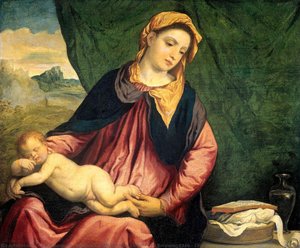
- Versatility of Theme: An unparalleled ability to move seamlessly between the serene beauty of the Madonna with Sleeping Child and the dramatic intensity of historical allegories.
- Technical Mastery: A sophisticated use of light, color, and texture that brought a palpable sense of life and movement to the canvas.
- Cultural Impact: Representing the vibrant, often turbulent spirit of Treviso and Venice during one of the most transformative eras in Western art history.
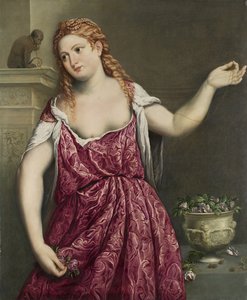
Paris Bordone
1500 - 1570 , Italy
Quick Facts
- Artistic Movement Or Style: Mannerist
- Artists Who Influenced This Artist: Titian
- Date Of Birth: July 5, 1500
- Date Of Death: January 19, 1571
- Full Name: Paris Bordone
- Nationality: Italian
- Notable Artworks:
- Fisherman's Ring
- Pentecost
- Jupiter & Io
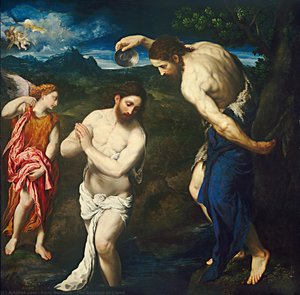
- Baptism of Christ
- Place Of Birth: Treviso, Italy
Related Articles
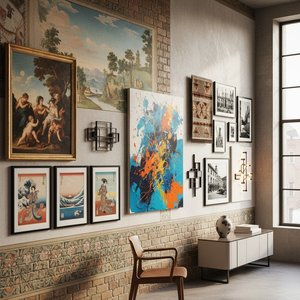
Transforming Spaces: A Comprehensive Exploration of Wall Decor Through Art History & Contemporary Practice
Explore the art of transforming spaces with our comprehensive guide to wall decor. From historical movements to contemporary trends, discover how to curate impactful interiors and commission bespoke artwork for a truly personalized aesthetic.

Jacopo Tintoretto's Masterpieces: 25 Paintings That Define Venetian Drama | ArtsDot
Explore 25 breathtaking masterpieces by Jacopo Tintoretto, the Venetian master of drama and light. Discover the stories behind iconic Renaissance paintings & find museum-quality art reproductions to elevate your home decor on ArtsDot.com.
The Return of the Fresco: Why Wall Murals Are the New Luxury Statement
Elevate your space with bespoke wall murals & frescoes. Explore the resurgence of this luxury art form. Expert design guidance & seamless installation – .
Mars Black Masterpieces: 10 Iconic Paintings & Timeless Art Decor Ideas
Delve into the power of 'Mars Black' with 10 iconic paintings by masters like Rembrandt & Caravaggio. Explore dramatic chiaroscuro, gothic art, and timeless beauty. Find museum-quality reproductions & elevate your home decor on .
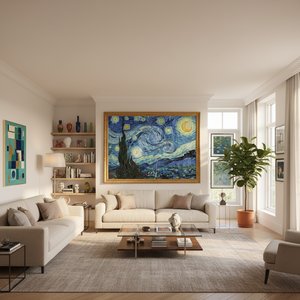
Top 10 Masterpieces for Your Living Room: Iconic Paintings & Art Decor Ideas |
Transform your living room with iconic art! Explore our guide to the Top 10 most famous paintings – from Van Gogh's Starry Night to Mona Lisa. Discover artist stories, techniques & find museum-quality reproductions for timeless decor. Explore the full collection on