 Preview
 Send
Send Share
Share
 Details

 Download
 Similars
 X-Ray
X-Ray Diaporama
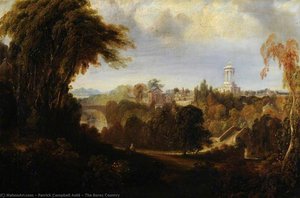
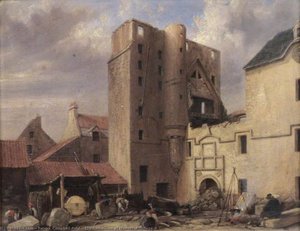
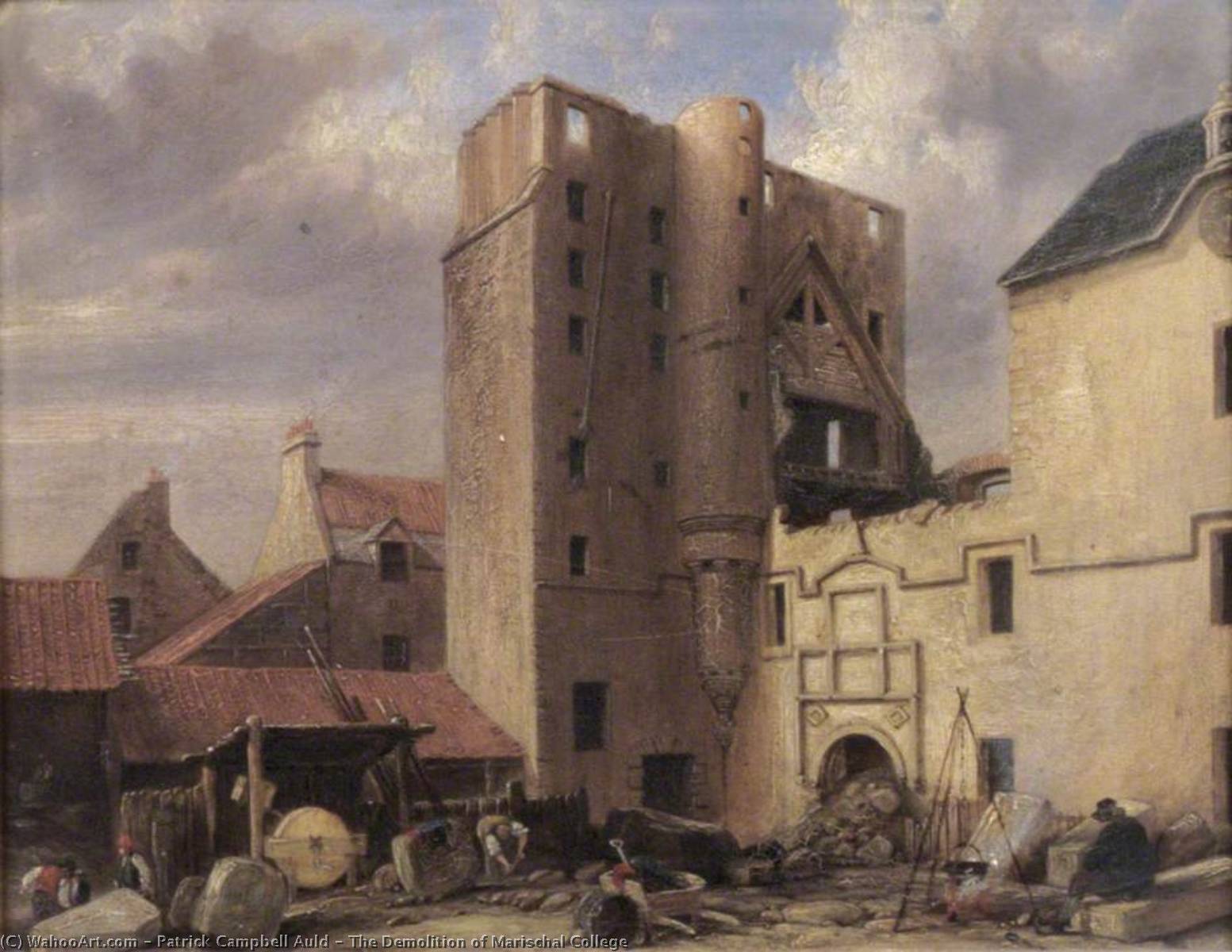
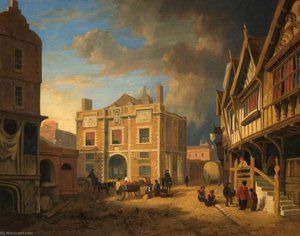
The Demolition of Marischal College
 Romanticism
 1837
1837 35.0 x 44.0 cm
 Read More
Hand Made Oil Reproduction
Hand-painted oil on canvas in your size and frame, made to order by our artists. ( Buy Print Buy Image)




































Pick from our preset sizes that match the artwork's original proportions.

You may enter your own dimensions to fit a specific frame or space. If your selected size does not match the original image's proportions, we will either crop the artwork or extend the painting with additional hand-painted elements. A digital mockup will be sent for your approval before production begins.
Please note that the on-screen preview does not reflect the actual cropping or extension. Only the mockup will accurately show the final composition.
While custom sizes are available, we recommend selecting a dimension from the predefined list to preserve the original proportions.
After order, ArtsDot.com team will email client for instructions and provide a mockup preview
Worldwide Delivery () in 3/4 weeks instead of standard 5 weeks. (21 August). No compromise on quality.

Free Worldwide Express Shipping

High-Quality Linen Canvas

Full Shipping Insurance

Customs Tax Refund Guarantee

True Color Matching Guarantee

60-Day Return Policy (Defects Only)

100% Money-Back Guarantee

Bulk Discount Offer
 Glass option is only available in size under 110 CM

The Demolition of Marischal College
Reproduction Medium
Reproduction Size
-


Total Price
$ 263
Related Artworks


Artist Biography
Patrick Campbell Auld (1813–1866): Bridging Tradition and Innovation in Scottish Shoe Design
Patrick Campbell Auld, born in Edinburgh in 1813, was a Scottish shoe designer and craftsman whose work stands as a testament to the enduring fusion of craftsmanship and artistic vision within Scotland’s cultural heritage. Though his life tragically ended prematurely in 1866 at the age of fifty-three due to tuberculosis, Auld's legacy persists through his meticulously crafted footwear—particularly his distinctive Highland boots—which continue to inspire admiration for their elegance and technical prowess. Auld’s formative years were steeped in the traditions of Edinburgh’s artisan community. He apprenticed under William Weir, a renowned sculptor known for his depictions of Scottish landscapes and folklore, absorbing invaluable knowledge regarding sculptural techniques and an appreciation for capturing the spirit of place. This early influence profoundly shaped Auld's aesthetic sensibilities—a preference for understated beauty combined with meticulous attention to detail—characteristics that would become hallmarks of his own designs. Weir’s emphasis on conveying emotion through form instilled in Auld a belief that art should serve as more than mere decoration; it must communicate something deeper about the human experience and its connection to the natural world. His professional career commenced in Marischal College, Aberdeen—a prestigious institution dedicated to the study of Scottish history and culture—where he served as Professor of Sculpture from 1843 until his untimely death. During this period, Auld honed his skills not only as a sculptor but also as a shoe designer, recognizing the potential for artistic expression within this seemingly practical craft. He established his workshop in Highgate Ponds, Edinburgh, attracting commissions from discerning clients—including members of the Scottish aristocracy—who sought footwear that embodied both comfort and refined style. Auld’s signature achievement lies in his Highland boots—a masterpiece of Scottish shoe design that exemplifies his artistic principles. These boots are distinguished by their elegant silhouette, crafted from supple leather tanned using traditional methods—a process rooted in centuries-old practices passed down through generations of Scottish craftsmen. The intricate stitching and embellishments adorning the boots—often incorporating Celtic motifs—demonstrate Auld’s commitment to preserving cultural heritage while simultaneously elevating footwear into a form of artistic statement. Furthermore, innovative techniques were employed to ensure optimal comfort and stability—a testament to Auld's dedication to blending tradition with modern engineering considerations. The enduring fascination with Auld’s Highland boots speaks volumes about his contribution to Scottish art and culture. They represent not merely functional footwear but also a tangible embodiment of Scotland’s romantic vision of its past—a celebration of Highland identity and the rugged beauty of the Scottish Highlands. His designs continue to resonate with collectors and enthusiasts worldwide, securing his place as one of Scotland's most celebrated shoe designers and cementing his legacy as an artist who successfully bridged the gap between artistic idealism and practical craftsmanship.- Influences: William Weir (Sculptor), Scottish Folklore
- Technique: Traditional Leather Tanning, Intricate Stitching, Celtic Motifs
- Notable Works: Highland Boots, Sculptures at Marischal College
- Historical Significance: Embodiment of Scottish Romanticism; Preservation of Craftsmanship Traditions
Quick Facts
- Artistic Movement Or Style: Japanese footwear
- Artists Or Movements Influenced By This Artist: ['']
- Artists Who Influenced This Artist: ['']
- Date Of Death: 1866
- Full Name: Patrick Campbell Auld
- Nationality: Scottish
- Notable Artworks: ['Burns Country shoes']
- Place Of Birth: Highgate Ponds
Related Articles

The Enduring Legacy of Oil on Canvas: Technique, History & Aesthetic Impact
Explore the rich history & techniques of oil painting – from Renaissance masters to Impressionism. Discover pigments, layering methods, and why this timeless medium endures. Expert insights for artists & art enthusiasts.

Oil on Canvas: A Historical & Technical Exploration of a Timeless Artistic Medium
Explore the rich history & enduring techniques of oil painting on canvas. Discover the science behind its longevity, conservation practices, and contemporary relevance. Expert insights for art enthusiasts.

The Enduring Power of Painting: A Historical & Contemporary Exploration of Form and Emotion
Explore the rich history & enduring techniques of oil painting with ArtsDot. Discover masterpieces, learn about art collecting, and find authentic handmade reproductions crafted by skilled artists.

The Enduring Legacy of Oil on Canvas: Technique, History & Contemporary Practice
Explore the rich history & enduring techniques of oil painting on canvas. Discover the science behind its longevity, conservation practices, and contemporary relevance. Expert insights for art enthusiasts.
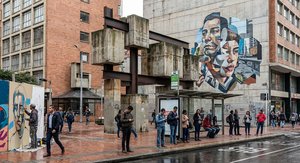
Concrete Narratives: Exploring Urban Life in Modern & Contemporary Art
Explore the evolution of cityscape painting with ArtsDot. Discover key artists from Realism to contemporary movements & invest in timeless urban visions. Expert guidance, museum-quality reproductions.