

 Preview
 Send
Send Share
Share
 Details

 Download
 Similars
 X-Ray
X-Ray Diaporama
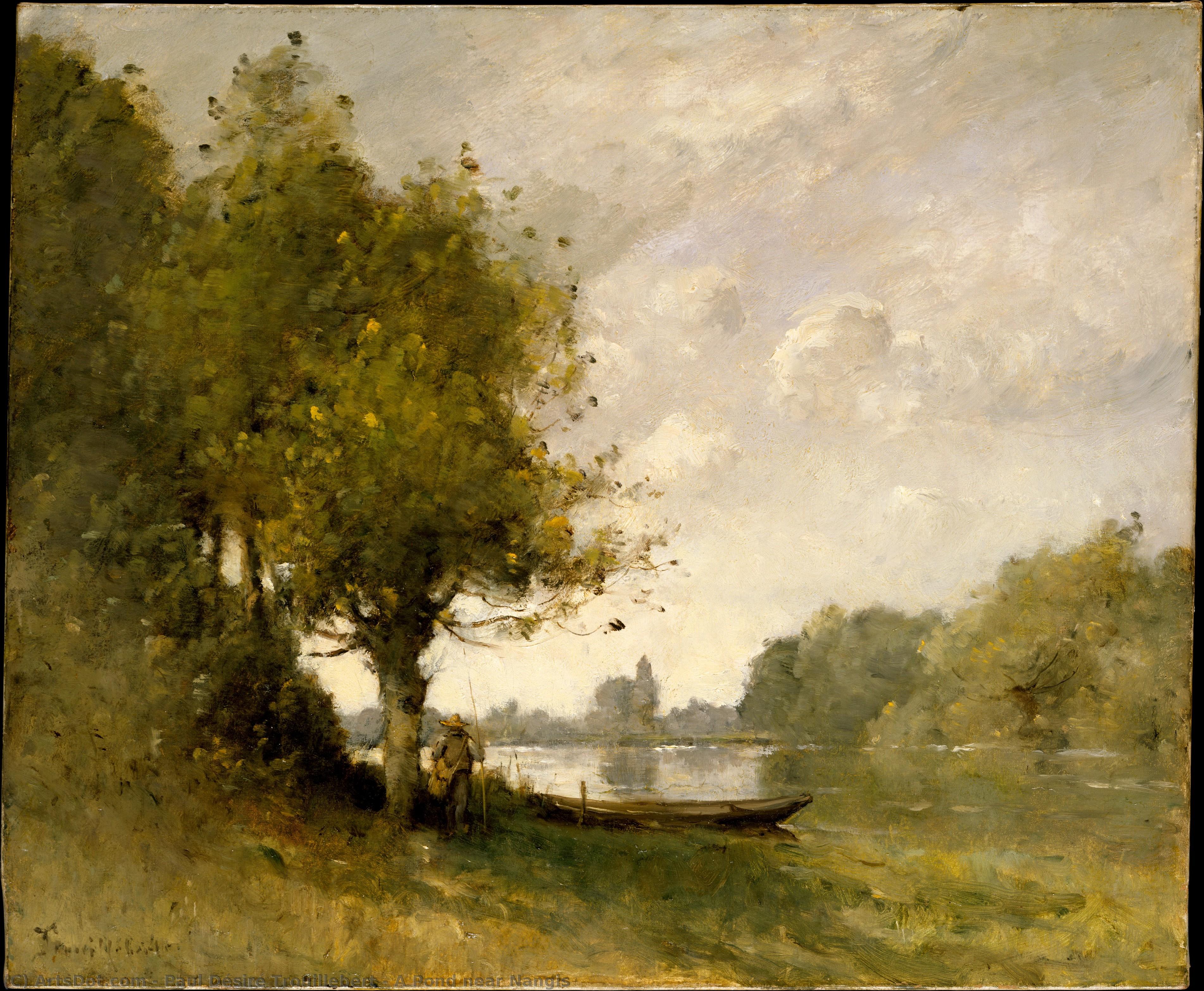
A Pond near Nangis
 Oil On Canvas
- WallArt
- Realism
 1880
1880 55.0 x 66.0 cm
 Metropolitan Museum of Art
 Read More
Purchase a high-resolution, enhanced digital image, far superior to the online preview.
Each file is meticulously prepared by our in-house specialists using advanced tools and expert manual retouching. We ensure every image has exceptional clarity, precise color accuracy, and fine detail.
The final file is delivered via email within 72 hours, optimized for immediate use in professional, editorial, and print environments. This is the same quality trusted by top-tier design studios, publishers, and galleries.
Digital Image
Download a high-resolution file for personal display, printing, and creative projects. ( Buy Print Buy Hand Made Painting)
Included in Every Digital Image Order
Expert Digital Delivery, Guaranteed
When you choose ArtsDot.com, you're not just getting an image - you're receiving a professionally enhanced digital artwork, crafted with precision and backed by a satisfaction guarantee. Here's everything that comes with your order, automatically:

Fast Email Delivery
Your high-resolution digital image file will be emailed to you within 72 hours of ordering - ready for immediate use.

AI-Enhanced Digital File
Your artwork is professionally optimized using advanced AI tools and manual editing, ensuring maximum detail, clarity, and color accuracy.

Free Lifetime Re-Delivery
Accidentally deleted or lost your file? No worries - we'll resend it to you anytime, free of charge.

No Import Fees - Ever
Enjoy your artwork instantly with zero customs, duties, or delivery fees - digital downloads are always tax-free.

Color Accuracy Guarantee
We ensure your digital image reflects the original colors as closely as possible using professional tools and color management.

60-Day Satisfaction Guarantee
If you're not satisfied with your digital image, we'll revise it or refund 100% within 60 days - no questions asked.

100% Money-Back Guarantee
Not satisfied? Get a full refund within 60 days of receiving your digital file - no questions asked.

Bulk Order Discounts
Buy 3 images, save 10% - Buy 5, save 15% - Buy 10+, save 20%. Great for creative projects, galleries, and agencies.
Collectible Description
A Serene Reflection: Paul Désiré Trouillebert’s “A Pond near Nangis”
Paul Désiré Trouillebert's "A Pond near Nangis," painted in 1880, is more than just a landscape; it’s a carefully constructed tableau of tranquility and rustic beauty—a quintessential example of the Barbizon School’s commitment to capturing the essence of rural France. This oil on canvas transports the viewer to a sun-drenched scene, dominated by the gentle curves of a pond reflecting the surrounding trees and sky. The painting immediately evokes a sense of peace, inviting contemplation and offering a momentary escape from the bustle of urban life.
Trouillebert’s artistic lineage is deeply rooted in the Barbizon School, an influential movement that emerged in the mid-19th century. Influenced by artists like Jean-François Millet and Gustave Courbet, the Barbizon painters rejected the academic traditions of the Salon, prioritizing direct observation of nature and a looser, more expressive style. Trouillebert’s work embodies this philosophy perfectly; he eschews meticulous detail in favor of capturing the *feeling* of the landscape—the dappled sunlight filtering through the leaves, the shimmering surface of the water, and the subtle shifts in color that define the afternoon light. His technique is characterized by broad, confident brushstrokes, applied with a visible hand – a deliberate choice designed to convey immediacy and spontaneity.
The Language of Light and Shadow
A key element of “A Pond near Nangis” lies in Trouillebert’s masterful manipulation of light and shadow. He employs a technique known as *plein air* painting, working directly outdoors to capture the nuances of natural illumination. The artist skillfully uses variations in tone—from the deep shadows beneath the trees to the bright highlights on the water—to create a sense of depth and volume. Notice how the reflections dance across the pond’s surface, mirroring the branches and foliage above, blurring the boundaries between sky and water. This careful orchestration of light not only enhances the visual beauty of the scene but also imbues it with an emotional resonance – a feeling of warmth, serenity, and connection to the natural world.
A Glimpse into Barbizon Life
The painting’s subject matter—a simple pond scene—holds deeper significance within the context of the Barbizon School. These artists were fascinated by rural life and sought to portray the dignity and beauty of peasant labor and the landscapes they inhabited. While “A Pond near Nangis” doesn't depict a specific event or narrative, it speaks volumes about the values of the Barbizon painters—their reverence for nature, their commitment to honest representation, and their desire to capture the spirit of everyday life in France. The lone figure in the boat adds a subtle element of human presence, suggesting a quiet moment of leisure amidst the beauty of the countryside.
Symbolism and Emotional Resonance
Beyond its technical brilliance, “A Pond near Nangis” resonates with viewers on an emotional level. The scene evokes feelings of nostalgia, tranquility, and connection to nature—a longing for simpler times and a recognition of the restorative power of the natural world. The pond itself is often associated with introspection and reflection – a space for quiet contemplation. The overall composition invites us to slow down, breathe deeply, and appreciate the beauty that surrounds us. It’s a painting that speaks to our innate desire for peace and connection.
Reproductions and Legacy
ArtsDot offers meticulously crafted hand-painted reproductions of “A Pond near Nangis,” allowing you to bring this timeless masterpiece into your home or office. Each reproduction is created by skilled artists who have studied Trouillebert’s original techniques, ensuring that the painting's beauty and emotional impact are faithfully preserved. Whether you’re an art enthusiast, a collector, or simply seeking to add a touch of serenity to your surroundings, a ArtsDot reproduction of “A Pond near Nangis” is a worthy investment – a testament to the enduring power of landscape painting and the artistic vision of Paul Désiré Trouillebert.
Related Artworks


Artist Biography
Paul Désiré Trouillebert: Bridging Barbizon Tradition and Impressionistic Vision
Paul Désiré Trouillebert (1829 in Paris, France – 28 June 1900 in Paris, France) stands as a pivotal figure within the French Barbizon School, an artistic movement that championed plein air painting and sought to capture the essence of rural landscapes with uncompromising realism. Born into Parisian bourgeois family, Trouillebert’s early life remains relatively obscure, yet his artistic trajectory swiftly established him as a talented observer and interpreter of nature's grandeur. He honed his skills under the tutelage of Ernest Hébert (1817–1908) and Charles Jalabert (1819–1901), absorbing the stylistic precepts of their respective approaches to landscape painting – principles that would profoundly shape Trouillebert’s own distinctive oeuvre.- Early Career & Salon Debut: Trouillebert debuted at the Salon of 1865, marking a significant milestone in his artistic career. At just 36 years old, he presented “A Quiet Backwater,” a landscape painting that immediately garnered critical acclaim and foreshadowed his burgeoning fascination with capturing atmospheric subtleties. Subsequent exhibitions at the Salon solidified his reputation as a respected artist within the Parisian art world.
- The Influence of Corot: Trouillebert’s artistic sensibilities were undeniably influenced by George Caleb Bingham (1817–1893), particularly the late manner of painting championed by Jean-François Millet and, crucially, Gustave Courbet. His landscapes bear a palpable resemblance to Corot's evocative compositions—characterized by diffused light, muted tones, and an emphasis on textural detail—demonstrating Trouillebert’s dedication to preserving the spirit of Barbizon tradition.
Landscape Painting & The Myth of Corot
Trouillebert's landscapes transcended mere topographical representation; they aimed to convey a profound emotional response to the natural world. He meticulously studied Corot’s techniques, adopting his characteristic brushstrokes and color palettes to imbue his canvases with an atmosphere of tranquility and contemplation. Paintings like “Path on the Banks of the Seine” exemplify this stylistic convergence, capturing the shimmering reflections of sunlight on water with remarkable precision—a testament to Trouillebert's unwavering commitment to artistic integrity. The celebrated forgery incident surrounding “Au bois rossignolet,” where one of his landscapes was falsely attributed to Corot and subsequently sold for a considerable sum, underscores the enduring legacy of Trouillebert’s work and its connection to the broader artistic discourse of the era.- Beyond Landscape: Portraits & Orientalist Explorations While landscape painting constituted his primary focus, Trouillebert possessed considerable versatility as an artist. He produced captivating portraits that skillfully captured the psychological nuances of his subjects—often depicting figures in intimate settings—and ventured into Orientalist themes, notably with “The Harem Servant Girl,” a striking depiction of a nude female figure rendered in the style of Greco-Roman antiquity.
- Notable Achievements & Recognition: Trouillebert’s paintings achieved considerable acclaim during his lifetime and continue to resonate with collectors and art historians today. His work was showcased at prestigious exhibitions, including the Paris Salon of 1884, where “The Bathers” garnered favorable reviews.
A Legacy Marked by Authenticity & Artistic Integrity
Despite the controversy surrounding the Corot forgery—a deliberate attempt to inflate the value of Trouillebert’s art—his artistic reputation rests firmly on the foundation of genuine innovation and unwavering adherence to Barbizon principles. Trouillebert's ability to distill the sublime beauty of rural landscapes into powerfully expressive paintings cemented his place as a significant contributor to French Impressionism, albeit one who remained steadfastly rooted in tradition. His enduring influence can be discerned in subsequent generations of landscape artists who sought to emulate his masterful command of color and texture—a testament to Trouillebert’s lasting contribution to the history of art.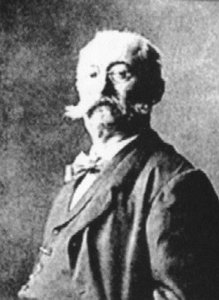
paul désiré trouillebert
1829 - 1900 , France
Quick Facts
- Artistic Movement Or Style: Barbizon School
- Artists Or Movements Influenced By This Artist: Corot
- Artists Who Influenced This Artist: Ernest Hébert
- Date Of Birth: Paris, France (1829)
- Date Of Death: Paris, France (1900)
- Full Name: Paul Désiré Trouillebert
- Nationality: French
- Notable Artworks:
- Road on the Edge of a Village
- Path on the Banks of the Seine
- Fishermen by a Pool
- Place Of Birth: Paris

