 Preview
 Send
Send Share
Share
 Details

 Download
 Similars
 X-Ray
X-Ray Diaporama
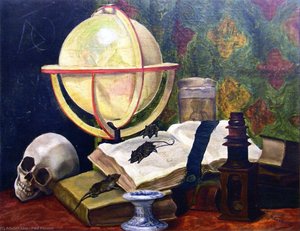
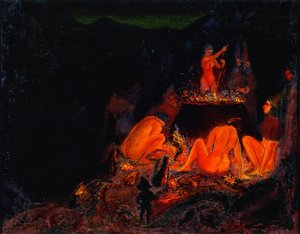
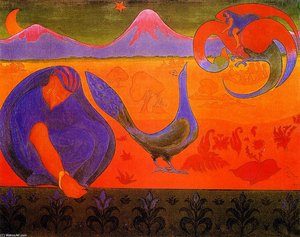
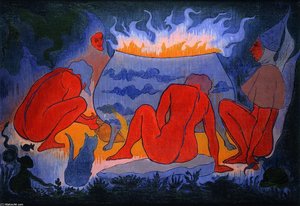
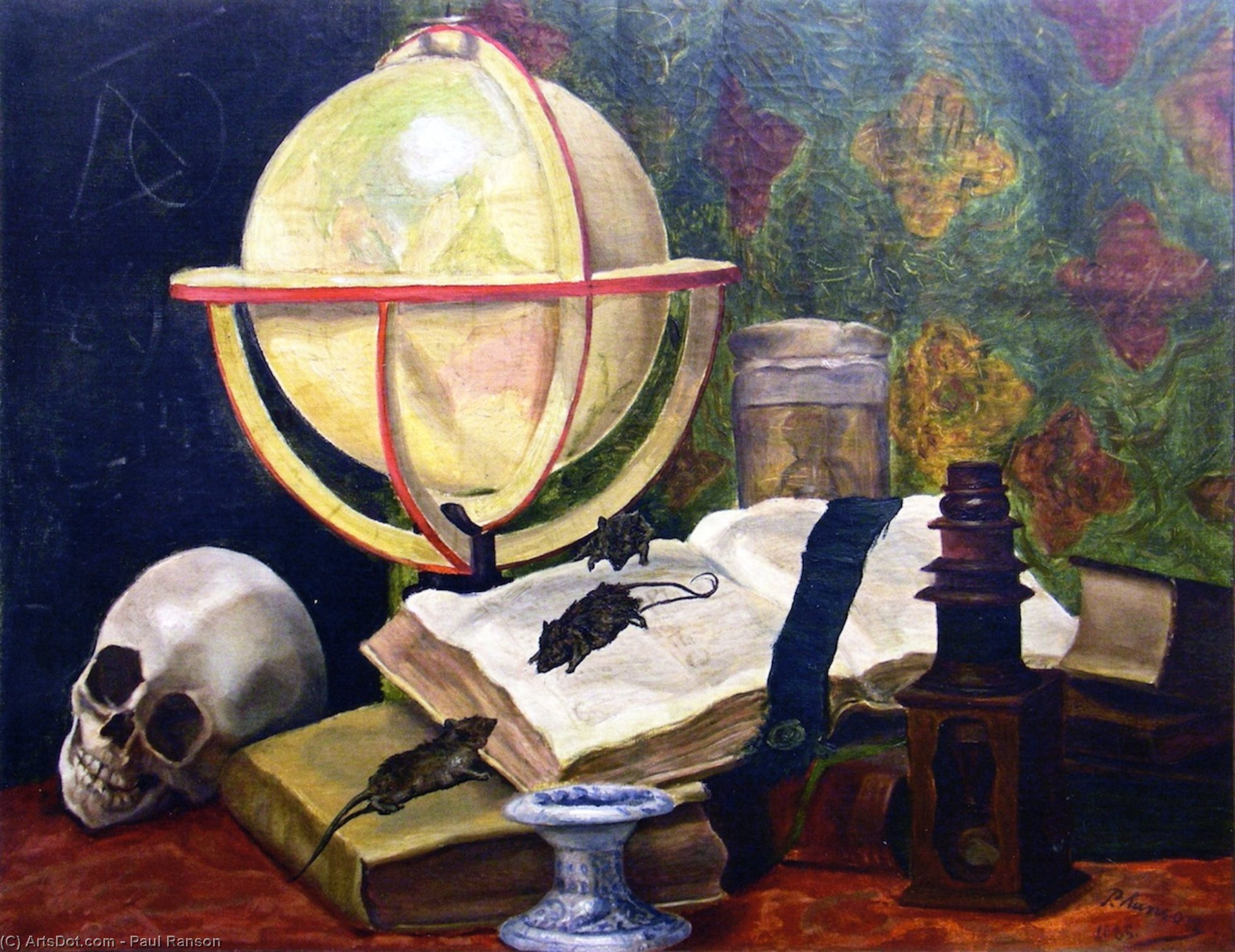
The Vanity of Mice
 Oil On Canvas
- WallArt
- Post-Impressionist Style
 1885
1885- 19th Century
 56.0 x 72.0 cm
 Musee des Beaux-Arts
 Read More
Hand Made Oil Reproduction
Hand-painted oil on canvas in your size and frame, made to order by our artists. ( Buy Print Buy Image)




P118B $10

P118H $10

P118W $10

P438Z $10

P508JH $12

P508YH $12

P805H $10

P805Z $10

P919BZ $10

P919G $10

P919XJ $10

P959ZH $10

P968JZ $12

W106C $8

W218G $10

W218JH $8

W218Y $10

W307PJ $10

W316G $10

W316PJ $8

W316Y $10

W398PJ $8

W4111J $10

W500HY $15

W500JH $15

W692G $12

W849H $8

W940BG $15

W953PJ $8




Pick from our preset sizes that match the artwork's original proportions.

You may enter your own dimensions to fit a specific frame or space. If your selected size does not match the original image's proportions, we will either crop the artwork or extend the painting with additional hand-painted elements. A digital mockup will be sent for your approval before production begins.
Please note that the on-screen preview does not reflect the actual cropping or extension. Only the mockup will accurately show the final composition.
While custom sizes are available, we recommend selecting a dimension from the predefined list to preserve the original proportions.
After order, ArtsDot.com team will email client for instructions and provide a mockup preview
Worldwide Delivery () in 3/4 weeks instead of standard 5 weeks. (22 August). No compromise on quality.

Free Worldwide Express Shipping

High-Quality Linen Canvas

Full Shipping Insurance

Customs Tax Refund Guarantee

True Color Matching Guarantee

60-Day Return Policy (Defects Only)

100% Money-Back Guarantee

Bulk Discount Offer
 Glass option is only available in size under 110 CM

The Vanity of Mice
Reproduction Medium
Reproduction Size
-


Total Price
$ 263
Artwork Description
The Vanity of Mice by Paul Elie Ranson: A Post-Impressionist Meditation on Mortality
Paul Elie Ranson’s “The Vanity of Mice,” painted in 1885, is more than just a still life; it's a hauntingly beautiful and profoundly unsettling exploration of human existence. Created during the height of the Post-Impressionist movement, this work exemplifies the era’s shift away from purely observational art towards one driven by emotion, symbolism, and a deliberate rejection of traditional artistic norms. Ranson, a key figure within the influential Nabi collective, invites us into a carefully constructed tableau that confronts themes of mortality, knowledge, and the fleeting nature of time – all rendered with a masterful command of color and texture.
A Symphony of Symbolism
The painting’s power lies in its layered symbolism. The central elements—a globe resting on a table, surrounded by scattered books, two stark skulls, and a delicate cup – are not presented randomly. The globe represents the ambition of exploration and human endeavor, yet its placement suggests a futile pursuit. The books, symbols of accumulated knowledge, are juxtaposed with the skulls, a potent reminder of mortality and the ultimate fate that awaits all endeavors. The positioning of the skulls, one on either side of the composition, amplifies this sense of inevitable decline. The cup, positioned centrally, may represent the ephemeral nature of human life – a vessel emptied by time.
Post-Impressionist Technique and Vision
Ranson’s technique is deeply rooted in Post-Impressionism, characterized by expressive brushwork and vibrant color. He employs thick impasto—a building up of paint—to create a tactile surface that draws the viewer into the scene. The colors are not merely descriptive; they are emotionally charged – deep blues and browns suggesting melancholy, punctuated by flashes of red and gold that evoke both passion and warning. The oil on canvas allows for rich layering and blending, contributing to the painting’s depth and luminosity. This approach aligns with the broader movement's desire to move beyond the fleeting effects of light and color favored by Impressionism, seeking instead to convey deeper psychological and philosophical ideas.
Historical Context: The Rise of Les Nabis
"The Vanity of Mice" was created during a period of intense artistic experimentation in Paris. Ranson’s work is inextricably linked to the Nabi movement (French for “prophets”), a group of artists who sought to create a new spiritual and aesthetic language through art. Les Nabis, alongside figures like Matisse and Renoir, rejected the bright, sunny landscapes favored by Impressionism, opting instead for darker palettes, muted tones, and symbolic imagery. Their aim was to evoke religious themes and explore the inner lives of their subjects – a reaction against the materialism and secularization of late 19th-century society. The painting’s creation reflects this broader cultural shift towards introspection and questioning.
Bringing “The Vanity of Mice” into Your Space
Handmade oil painting reproductions of Ranson's "The Vanity of Mice" offer a remarkable opportunity to experience the profound beauty and intellectual depth of this Post-Impressionist masterpiece. Available in sizes up to 56 x 72 cm, these meticulously crafted reproductions capture every nuance of Ranson’s original vision – from the expressive brushwork to the evocative color palette. Whether adorning a study, a gallery wall, or a thoughtfully designed interior space, this artwork will undoubtedly spark conversation and contemplation, serving as a timeless reminder of humanity's enduring fascination with mortality and the pursuit of meaning.
Related Artworks



Artist Biography
The Visionary Spirit of Paul Elie Ranson
Born in the historic French city of Limoges in 1861, Paul Elie Ranson emerged as a transformative force within the late nineteenth-century avant-garde. His artistic journey was not merely a pursuit of aesthetic beauty but a profound quest to capture the unseen dimensions of human experience. As a central figure in the Les Nabis movement, Ranson moved beyond the fleeting impressions of light that defined his predecessors, seeking instead to weave a tapestry of symbolism and spiritual depth. His life and work represent a bridge between the observational realism of the past and the expressive abstraction of modernism, marked by an unwavering commitment to the emotive power of color and form.
The foundations of Ranson’s style were laid amidst the intellectual ferment of Paris, where the revolutionary shadows of Cézanne and Gauguin loomed large. From Cézanne, he inherited a respect for geometric simplification and the structural integrity of the canvas; from Gauguin, he drew an inspiration for primal emotion and the use of flattened, decorative planes. These influences coalesced into a unique visual language that rejected the rigid academic conventions of his era. Rather than striving for photographic accuracy, Ranson embraced a deliberate departure from traditional perspective, utilizing flat forms and bold, often muted color palettes to emphasize the surface texture and the symbolic weight of his subjects.
The Mystic Language of Les Nabis
Ranson’s most significant historical contribution lies in his role within the Société Nationale des Beaux-Arts, more famously known as Les Nabis. Alongside contemporaries such as Henri Matisse, Ranson helped cultivate a movement that prioritized the internal landscape of the soul over the external reality of the world. This group of "prophets"—as they were sometimes called—sought to infuse painting with the essence of dreams, myths, and spiritual mysteries. The Nabi aesthetic was characterized by a seamless fusion of Symbolism and Impressionism, where every brushstroke and pattern served as a vessel for deeper meaning.
In his most evocative works, Ranson explored themes that bordered on the occult and the mystical. His fascination with witchcraft and supernatural narratives allowed him to experiment with surreal night scenes and enigmatic figures. This is perhaps most strikingly realized in masterpieces such as:
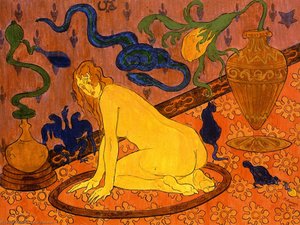
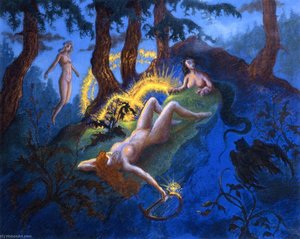
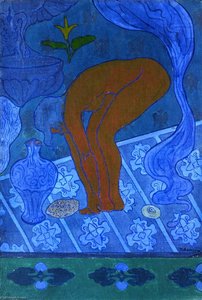
- Lustral: A captivating Post-Impressionist exploration of a nude figure set within a dreamlike, nocturnal atmosphere that challenges the boundaries of reality.
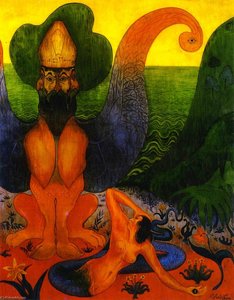
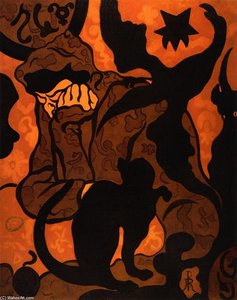
- The Witch in Her Circle: A profound display of his ability to use symbolic imagery and rhythmic patterns to evoke a sense of ritualistic mystery.
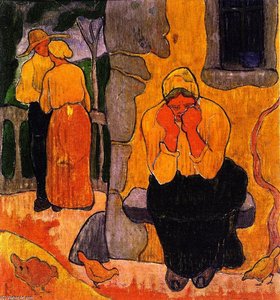
- Woman Crying: A poignant study of human emotion, demonstrating how simplified forms can amplify the psychological impact of a subject.
Legacy and Artistic Significance
The legacy of Paul Elie Ranson extends far beyond the boundaries of the Nabi movement. By championing the idea that art should be an expression of inner truth rather than a mirror of nature, he paved the way for the radical shifts in 20th-century modernism. His ability to blend decorative elegance with profound psychological depth left an indelible mark on the development of Fauvism and much of the subsequent abstraction movement. Even as his work remains rooted in the late nineteenth-century fascination with the mystical, his technical innovations—specifically his use of bold color palettes and expressive, flattened forms—continue to resonate with contemporary viewers seeking the emotional resonance of the symbolic.
Ranson’s death in 1909 marked the end of a transformative era, yet his influence persists in every painting that seeks to find the extraordinary within the ordinary. Through his sensitive depictions of landscapes and still lifes, as well as his hauntingly beautiful explorations of the human psyche, he remains a cornerstone of Post-Impressionist history, reminding us that the true purpose of art is to illuminate the mysteries of the human spirit.
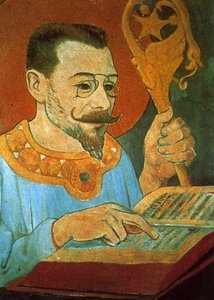
paul elie ranson
1861 - 1909 , France
Quick Facts
- Artistic Movement Or Style: Post-Impressionism
- Artists Or Movements Influenced By This Artist:
- Matisse
- Modern Art
- Artists Who Influenced This Artist:
- Paul Cézanne
- Paul Gauguin
- Date Of Birth: March 29, 1861
- Date Of Death: February 20, 1909
- Full Name: Paul Elie Ranson
- Nationality: French
- Notable Artworks:
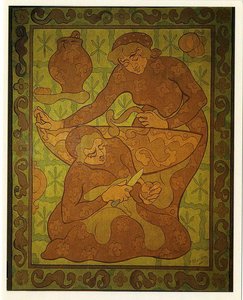
- Les Servantes ou Les Éplucheuses de pommes de terre
- Lustral
- Place Of Birth: Limoges, France
Related Articles

Giclée Prints: Archival Quality & Aesthetic Nuances for the Discerning Collector
Explore the world of giclée prints with ArtsDot. Learn about archival quality, aesthetic nuances & investment potential. Expert guidance for discerning art collectors seeking museum-quality reproductions and lasting value.

The Enduring Legacy of Fine Art Prints: Technique, History & Aesthetic Impact
Explore the rich history & techniques of fine art prints. Discover investment potential, assess authenticity, and learn how to preserve your collection with expert guidance. Trusted insights for discerning collectors.

Echoes of Time: Exploring the Enduring Appeal & Historical Context of Vintage Art Prints
Explore the captivating world of vintage art prints! Discover their history, collecting tips & enduring appeal. Expert insights on chromolithography and building a legacy collection with ArtsDot.
The Enduring Legacy of Printmaking: Techniques, Themes & Artistic Innovation Across Centuries
Explore the rich history of printmaking with ArtsDot. Discover techniques from intaglio to lithography, learn about collecting valuable prints & find museum-quality reproductions. Expert insights for art enthusiasts and collectors.

The Enduring Legacy of Woodblock Printmaking: Technique, History & Artistic Expression
Explore the rich history of woodblock printmaking – from ancient techniques to Ukiyo-e masterpieces. Discover expert insights on collecting, preserving & appreciating this enduring art form.