

 Preview
 Send
Send Share
Share
 Details

 Download
 Similars
 X-Ray
X-Ray Diaporama
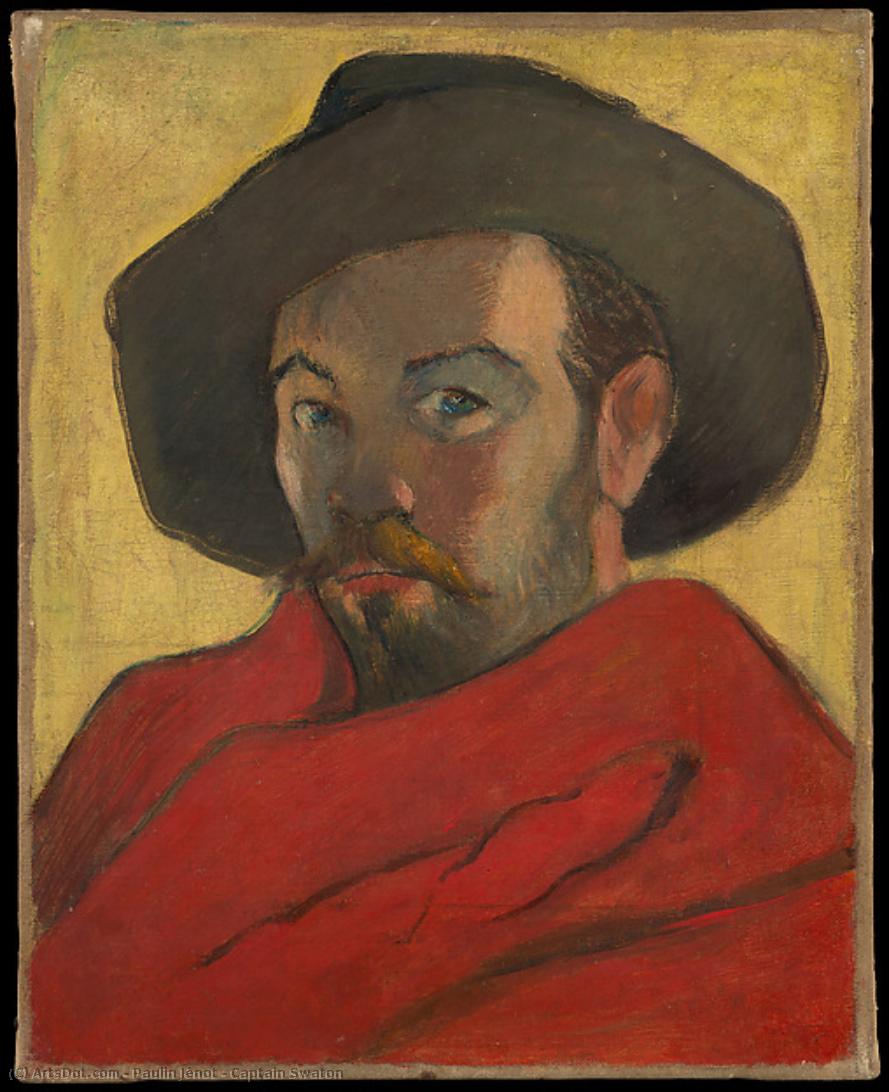
Captain Swaton
 Post-Impressionism
 41.0 x 33.0 cm
 Read More
Giclée / Art Print
Museum-quality giclée or canvas print with fast production and flexible finish options. ( Buy Hand Made Painting Buy Image)




P118B $10

P118H $10

P118W $10

P438Z $10

P508JH $12

P508YH $12

P805H $10

P805Z $10

P919BZ $10

P919G $10

P919XJ $10

P959ZH $10

P968JZ $12

W106C $8

W218G $10

W218JH $8

W218Y $10

W307PJ $10

W316G $10

W316PJ $8

W316Y $10

W398PJ $8

W4111J $10

W500HY $15

W500JH $15

W692G $12

W849H $8

W940BG $15

W953PJ $8




Pick from our preset sizes that match the artwork's original proportions.

You may enter your own dimensions to fit a specific frame or space. If your selected size does not match the original image's proportions, we will either crop the artwork or extend the image with a mirrored or solid-fill edge. A digital mockup will be sent for your approval before production begins.
Please note that the on-screen preview does not reflect the actual cropping or extension. Only the mockup will accurately show the final composition.
While custom sizes are available, we recommend selecting a dimension from the predefined list to preserve the original proportions.
Worldwide Delivery () in 2 weeks instead of standard 4/5 weeks. (18 August)

Free Worldwide Express Shipping

High-Quality Linen Canvas

Full Shipping Insurance

Customs Tax Refund Guarantee

True Color Matching Guarantee

60-Day Return Policy (Defects Only)

100% Money-Back Guarantee

Bulk Discount Offer
 Glass option is only available in size under 110 CM

Captain Swaton
Giclée / Art Print
Reproduction Size
-


Total Price
$ 63
Related Artworks
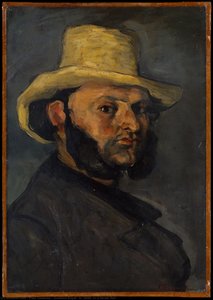
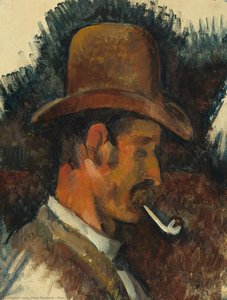
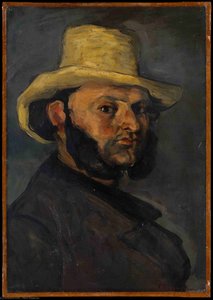
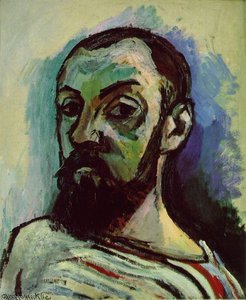
Artist Biography
Paulin Jénot: A Master of Exotic Portraits and Gauguin’s Echo
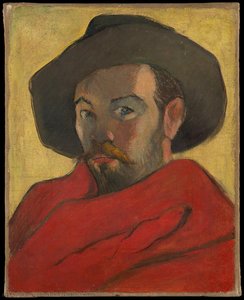
Paulin Jénot (1886-circa 1930) remains a captivating figure in the late 19th and early 20th century French art world, an artist whose evocative portraits, particularly his iconic “Captain Swaton,” continue to draw attention for their exoticism, psychological depth, and subtle yet powerful influence of Paul Gauguin. Born in France, Jénot’s artistic journey was marked by a fascination with the Orient, a deep appreciation for theatricality, and a remarkable ability to capture the essence of his subjects – often individuals from marginalized communities or those embodying a sense of adventure.
Jénot's early life remains somewhat shrouded in mystery. He received formal training at the École des Beaux-Arts in Paris, but it was through independent study and extensive travel that he truly developed his distinctive style. Crucially, Jénot spent considerable time in North Africa, particularly Morocco and Algeria, immersing himself in the local culture and documenting its people. These experiences profoundly shaped his artistic vision, informing his choice of subjects – often individuals with dark skin, exotic clothing, and a palpable sense of mystery—and influencing his palette, favoring rich browns, ochres, and deep blues to evoke the landscapes and atmosphere of these regions.
The influence of Paul Gauguin is undeniable in Jénot’s work. Like Gauguin, Jénot rejected academic painting conventions, opting instead for a more direct and expressive approach. He employed bold brushstrokes, flattened perspectives, and simplified forms to create images that were both visually arresting and emotionally resonant. However, Jénot's style evolved beyond mere imitation; he infused Gauguin’s techniques with his own unique sensibility, adding a layer of psychological complexity rarely found in the artist’s earlier work. His portraits aren’t simply depictions of individuals; they are explorations of character, hinting at hidden stories and unspoken emotions.
Captain Swaton: A Portrait of Intrigue
"Captain Swaton," painted between 1886 and 1930, is undoubtedly Jénot's most famous work. The painting depicts a grizzled, one-eyed sailor, his face etched with the hardships of a life at sea. The figure’s intense gaze, coupled with the dramatic lighting and the carefully rendered details of his weathered clothing, create an image of profound depth and mystery. Many art historians believe that Swaton was based on a real man, a former pirate named Captain Swaton, who had been imprisoned in Algiers.
The painting’s success lies not only in its technical brilliance but also in its ability to evoke a powerful emotional response. Jénot masterfully uses chiaroscuro – the dramatic contrast between light and shadow – to sculpt the sailor's face and create a sense of three-dimensionality. The dark, almost impenetrable background further emphasizes the subject’s isolation and vulnerability. The painting has been interpreted as a meditation on themes of guilt, redemption, and the enduring power of memory.
Technique and Style
Jénot's technique was characterized by a loose, expressive brushwork that prioritized capturing the essence of his subjects over meticulous detail. He often worked *alla prima* – directly onto the canvas without underdrawing—allowing for spontaneity and immediacy in his application of paint. His color palette was rich and earthy, reflecting his experiences in North Africa and his fascination with exotic cultures. Jénot’s portraits are notable for their psychological intensity, achieved through careful observation of his subjects' expressions and a masterful use of light and shadow.
He frequently employed techniques borrowed from Orientalist painting—a genre that depicted scenes from the Middle East and North Africa—but he subverted these conventions by imbuing his portraits with a sense of realism and psychological depth. His figures are not idealized or romanticized; they are presented as complex, flawed individuals grappling with their own inner demons.
Legacy and Historical Significance
Despite his talent and the acclaim he received during his lifetime, Jénot’s work remained relatively obscure for many years after his death. However, in recent decades, there has been a growing appreciation for his unique artistic vision. His portraits are now recognized as important examples of late 19th-century French art, offering a fascinating glimpse into the cultural and psychological landscape of the era.
Jénot’s influence can be seen in the work of later artists, particularly those interested in exploring themes of identity, displacement, and the complexities of human experience. His “Captain Swaton” remains an enduring symbol of mystery and intrigue, a testament to the power of portraiture to capture not just likeness but also the soul.
paulin jénot
France
Quick Facts
- Artistic Movement Or Style: Gauguin-influenced
- Artists Or Movements Influenced By This Artist: ['Art Nouveau']
- Artists Who Influenced This Artist: ['Paul Gauguin']
- Date Of Death: c. 1930
- Full Name: Paulin Jénot
- Nationality: French
- Notable Artworks: ['Captain Swaton']
- Place Of Birth: France
Related Articles

The Enduring Legacy of Oil on Canvas: Technique, History & Aesthetic Impact
Explore the rich history & techniques of oil painting – from Renaissance masters to Impressionism. Discover pigments, layering methods, and why this timeless medium endures. Expert insights for artists & art enthusiasts.

Oil on Canvas: A Historical & Technical Exploration of a Timeless Artistic Medium
Explore the rich history & enduring techniques of oil painting on canvas. Discover the science behind its longevity, conservation practices, and contemporary relevance. Expert insights for art enthusiasts.
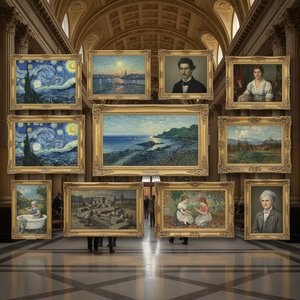
19th Century Masterpieces: 10 Paintings That Defined an Era | ArtsDot
Journey through 19th century art with ArtsDot! Explore 10 iconic paintings – from Monet & Renoir to Courbet – and discover the stories behind Romanticism, Realism & Impressionism. Find museum-quality reproductions for your home decor. Explore the full collection online!

The Enduring Power of Painting: A Historical & Contemporary Exploration of Form and Emotion
Explore the rich history & enduring techniques of oil painting with ArtsDot. Discover masterpieces, learn about art collecting, and find authentic handmade reproductions crafted by skilled artists.

The Enduring Legacy of Oil on Canvas: Technique, History & Contemporary Practice
Explore the rich history & enduring techniques of oil painting on canvas. Discover the science behind its longevity, conservation practices, and contemporary relevance. Expert insights for art enthusiasts.

