 Send
Send Share
Share
 Details

 Download
 Similars
 Diaporama
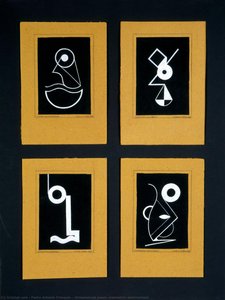
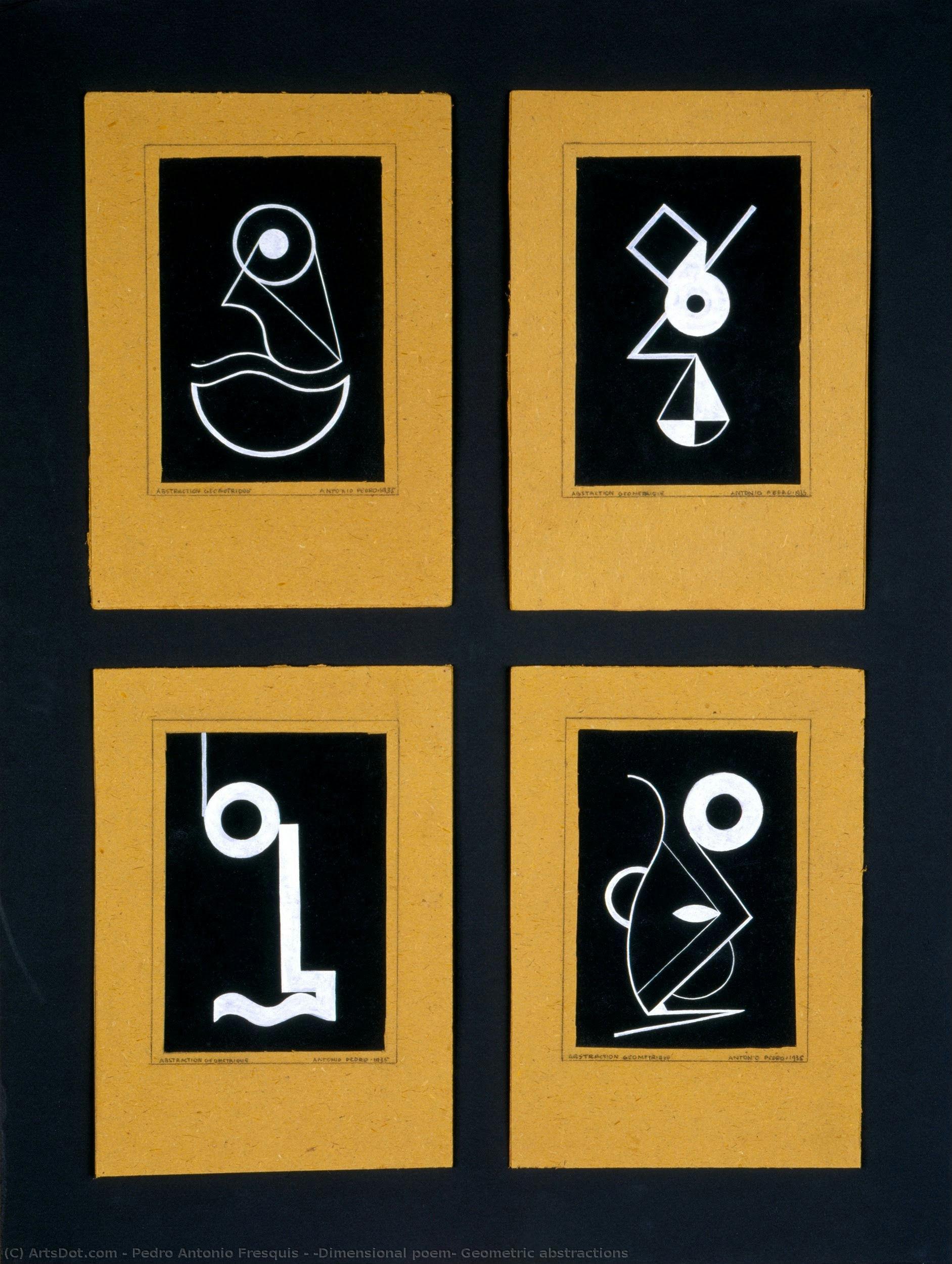
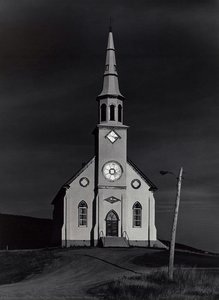
(Dimensional poem) Geometric abstractions
 Black and White Photography
- Photo
- Dimensionalism
 1935
1935- Modern
 National Museum of Contemporary Art - Museu do Chiado
 Read More
Hand Made Oil Reproduction
Hand-painted oil on canvas in your size and frame, made to order by our artists. ( Buy Print Buy Image)




































Pick from our preset sizes that match the artwork's original proportions.

You may enter your own dimensions to fit a specific frame or space. If your selected size does not match the original image's proportions, we will either crop the artwork or extend the painting with additional hand-painted elements. A digital mockup will be sent for your approval before production begins.
Please note that the on-screen preview does not reflect the actual cropping or extension. Only the mockup will accurately show the final composition.
While custom sizes are available, we recommend selecting a dimension from the predefined list to preserve the original proportions.
After order, ArtsDot.com team will email client for instructions and provide a mockup preview
Worldwide Delivery () in 3/4 weeks instead of standard 5 weeks. (31 August). No compromise on quality.

Free Worldwide Express Shipping

High-Quality Linen Canvas

Full Shipping Insurance

Customs Tax Refund Guarantee

True Color Matching Guarantee

60-Day Return Policy (Defects Only)

100% Money-Back Guarantee

Bulk Discount Offer
 Glass option is only available in size under 110 CM

(Dimensional poem) Geometric abstractions
Reproduction Medium
Reproduction Size
-


Total Price
$ 263
Related Artworks
Artist Biography
The Truchas Master: The Soul of New Mexican Devotion
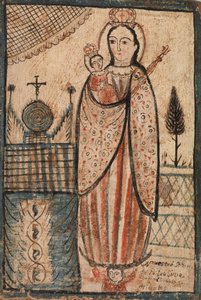
In the rugged, sun-drenched landscapes of colonial New Mexico, a singular artistic voice emerged to bridge the gap between European tradition and the raw, spiritual frontier of the Americas. Pedro Antonio Fresquís, known affectionately to history as the Truchas Master, was not merely a painter but a santero—a sacred image-maker whose hands breathed life into wood and pigment. Born in the late 18th century, likely around 1749 in the parish of Santa Cruz or near the town of Truchas, Fresquís stands as a monumental figure in American folk art. His work represents the very first identifiable movement of indigenous-born fine art in New Mexico, marking a departure from purely imported Spanish aesthetics toward a localized, profound expression of faith.
The lineage of Fresquís is as intriguing as his brushwork. Believed to be descended from Flemish miners who settled in the region, he carried within him a subtle European heritage that likely informed his technical precision. Yet, his soul was deeply rooted in the soil of New Mexico. His life was woven into the fabric of the colonial mission system, and his artistic development was inextricably linked to the religious needs of the local communities. As a master of both retablos (painted wood panels) and bultos (carved sculptures), he mastered the delicate balance of using imported oil paints alongside pigments derived from native plants and minerals—a technique learned through the shared wisdom of Pueblo artisans.
A Symphony of Color and Sacred Geometry
To encounter a work by Fresquís is to enter a world of vibrant, luminous devotion. His style is instantly recognizable for its bold, emotive color palettes that utilize deep reds, celestial blues, and radiant yellows to command the viewer's attention. Unlike the heavy, dramatic shadows of the European Baroque, Fresquís employed a more flattened, graphic approach. His figures are often defined by clean, simple outlines, featuring the characteristic long, narrow noses and hauntingly beautiful oval or crescent-shaped eyes that have become hallmarks of his oeuvre. This simplicity does not diminish the power of his subjects; rather, it strips away the worldly to reveal the divine.
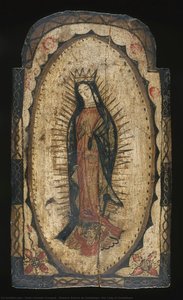
The technical brilliance of the Truchas Master lies in his ability to innovate within a rigid iconographic framework. He was among the first in the region to adapt the international Rococo style—a movement characterized by lightness and grace—into the New Mexican vernacular. This transition is visible in his use of delicate, meandering lines and intricate space-fillers that frame his holy figures, often inspired by European engravings but reimagined through a frontier lens. His compositions, such as the breathtaking Our Lady of Guadalupe or the complex Holy Trinity, demonstrate a sophisticated understanding of balance and symbolic storytelling that transcends simple folk craft.
Legacy of the Frontier Master
The historical significance of Pedro Antonio Fresquís cannot be overstated. He was a pioneer who helped establish a distinct New Mexican visual identity during a period of profound cultural transition. His works served as more than just decorations; they were essential liturgical tools that anchored the spiritual lives of Spanish settlers and Indigenous congregants alike. Through his dedication to the santero tradition, he ensured that the sacred narratives of the Catholic faith were translated into a language that felt local, accessible, and deeply personal.
Even as the centuries passed, the resonance of his artistry remained undiminished. His influence can be traced through generations of New Mexican artists who continued to find beauty in the intersection of the earthly and the divine. Today, the works of the Truchas Master are preserved in the most prestigious institutions, including the Smithsonian American Art Museum and the Denver Art Museum, where they continue to inspire awe. He remains a testament to the enduring power of art to capture the spirit of a people, leaving behind a legacy of color, light, and unshakeable faith that continues to illuminate the history of the American Southwest.
pedro antonio fresquis
1740 - 1809 , United States of America
Quick Facts
- Artistic Movement Or Style: Spanish Colonial Art
- Artists Or Movements Influenced By This Artist: ['']
- Artists Who Influenced This Artist: ['']
- Date Of Birth: 1740
- Date Of Death: 1809
- Full Name: Pedro Antonio Fresquís
- Nationality: American
- Notable Artworks:
- Nuestra Señora de Guadalupe
- (Dimensional poem) Geometric abstractions
- Place Of Birth: Truchas, United States of America
Related Articles

Geometric Abstraction's 10 Defining Masterpieces | Art for Your Home - ArtsDot
Explore 10 defining masterpieces of Geometric Abstraction! Discover Kandinsky, Mondrian & Malevich’s iconic works. Find museum-quality art reproductions and curated decor ideas to elevate your home at ArtsDot.com.

Kazimir Malevich: 25 Masterpieces of Suprematism & Abstract Art | ArtsDot
Explore 25 iconic artworks by Kazimir Malevich, pioneer of Suprematism & abstract art. Discover the stories behind 'Black Square' and more! Find museum-quality prints & elevate your home decor with ArtsDot.com.
Beyond Form & Color: Geometric Abstraction's Evolution in 20th/21st Century Art
Explore the evolution of geometric abstraction from Cubism to contemporary art. Discover key artists like Malevich & Mondrian, investment insights, and expert collecting advice at ArtsDot.

Kandinsky's Masterpieces: 25 Paintings That Define Abstract Art | ArtsDot
Journey through Wassily Kandinsky's 25 most iconic abstract paintings. Explore his revolutionary use of color, form & spiritual expressionism. Find museum-quality Kandinsky reproductions and elevate your home decor with ArtsDot.com. Discover all masterpieces on ArtsDot.com!
Beyond Form & Color: Geometric Abstraction's Enduring Legacy in Art History
Explore the captivating world of geometric abstraction! Discover its origins, key artists like Malevich & Mondrian, and why this movement remains highly valued by art collectors today. Expert insights at ArtsDot.