

 Preview
 Send
Send Share
Share
 Details

 Download
 Similars
 X-Ray
X-Ray Diaporama
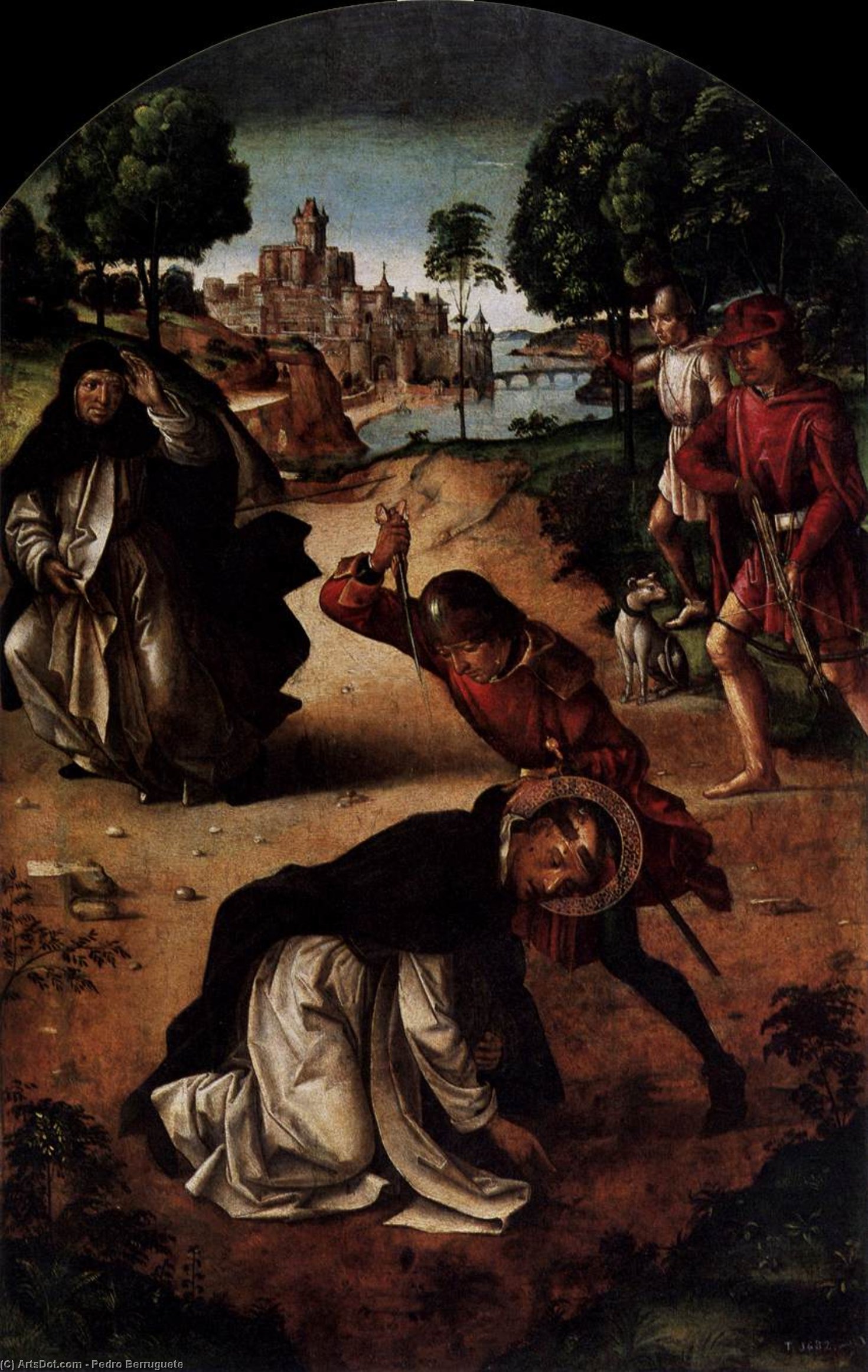
The Death of Saint Peter Martyr
 Acrylic On Canvas
- WallArt
- Hispano-Flemish Renaissance
 1495
1495 128.0 x 82.0 cm
 Museo del Prado
 Read More
Purchase a high-resolution, enhanced digital image, far superior to the online preview.
Each file is meticulously prepared by our in-house specialists using advanced tools and expert manual retouching. We ensure every image has exceptional clarity, precise color accuracy, and fine detail.
The final file is delivered via email within 72 hours, optimized for immediate use in professional, editorial, and print environments. This is the same quality trusted by top-tier design studios, publishers, and galleries.
Digital Image
Download a high-resolution file for personal display, printing, and creative projects. ( Buy Print Buy Hand Made Painting)
Included in Every Digital Image Order
Expert Digital Delivery, Guaranteed
When you choose ArtsDot.com, you're not just getting an image - you're receiving a professionally enhanced digital artwork, crafted with precision and backed by a satisfaction guarantee. Here's everything that comes with your order, automatically:

Fast Email Delivery
Your high-resolution digital image file will be emailed to you within 72 hours of ordering - ready for immediate use.

AI-Enhanced Digital File
Your artwork is professionally optimized using advanced AI tools and manual editing, ensuring maximum detail, clarity, and color accuracy.

Free Lifetime Re-Delivery
Accidentally deleted or lost your file? No worries - we'll resend it to you anytime, free of charge.

No Import Fees - Ever
Enjoy your artwork instantly with zero customs, duties, or delivery fees - digital downloads are always tax-free.

Color Accuracy Guarantee
We ensure your digital image reflects the original colors as closely as possible using professional tools and color management.

60-Day Satisfaction Guarantee
If you're not satisfied with your digital image, we'll revise it or refund 100% within 60 days - no questions asked.

100% Money-Back Guarantee
Not satisfied? Get a full refund within 60 days of receiving your digital file - no questions asked.

Bulk Order Discounts
Buy 3 images, save 10% - Buy 5, save 15% - Buy 10+, save 20%. Great for creative projects, galleries, and agencies.
Collectible Description
The Death of Saint Peter Martyr: A Testament to Faith and Suffering
Pedro Berruguete’s “The Death of Saint Peter Martyr” is not merely a depiction of martyrdom; it's a profoundly moving tableau of faith, sacrifice, and the agonizing beauty of human suffering. Painted in 1495 during the cusp of the High Renaissance in Spain, this monumental work transcends its religious subject matter to become a universal meditation on mortality and devotion. Berruguete, a pivotal figure bridging the Gothic and Renaissance traditions, masterfully employs the emotional intensity of the late Gothic style while simultaneously embracing the burgeoning humanist ideals that would define the era. The painting’s power resides not just in its dramatic composition but also in the palpable sense of realism—a startling departure from the idealized representations common at the time—that draws the viewer into the heart of this pivotal moment.
The scene unfolds with brutal immediacy. Saint Peter, clad in simple robes and a crimson cloak, kneels before Emperor Nero’s executioners, his head bowed in acceptance of his impending fate. The sword poised to deliver the final blow is rendered with unsettling detail—the glint of steel, the tension in the hand wielding it—a stark contrast to the serene expressions often found in depictions of saints. Around him, figures react with varying degrees of grief and horror: a woman wails in despair, while others recoil in shock. The composition isn’t static; Berruguete captures the very essence of a violent event unfolding, imbuing it with a sense of urgency and raw emotion. Notice the careful attention to detail in the folds of the clothing, the textures of the skin, and the subtle shifts in expression—elements that contribute significantly to the painting's visceral impact.
A Masterclass in Technique: Berruguete’s Hybrid Style
Berruguete’s artistic approach is a fascinating blend of influences. He inherited the rich color palette and dramatic lighting characteristic of late Gothic art, particularly from his training in Spain. However, he also absorbed elements of the Italian Renaissance, notably in his use of perspective, anatomical accuracy (though still retaining a degree of stylized realism), and the dynamism of his figures. The painting’s tempera grassa technique—a mixture of egg yolk and oil—allowed for rich colors and subtle gradations of tone, contributing to the work's luminous quality. Observe how Berruguete uses light to sculpt the forms of the figures, creating a sense of volume and depth that is both dramatic and emotionally resonant.
The artist’s attention to detail extends beyond mere representation; he imbues each figure with psychological complexity. Saint Peter's posture—a mixture of resignation and quiet dignity—suggests not just physical suffering but also an acceptance of God’s will. Nero, depicted as a menacing figure consumed by cruelty, embodies the forces of evil confronting unwavering faith. The subtle gestures and facial expressions of the surrounding onlookers reveal their varied responses to the tragedy – fear, sorrow, disbelief, and even a glimmer of hope. Berruguete doesn't shy away from portraying the darker aspects of human nature, adding layers of moral complexity to the narrative.
Symbolism and Historical Context: A Reflection of Religious Anxiety
“The Death of Saint Peter Martyr” was created during a period of intense religious fervor and political instability in Spain. The Inquisition, established just a few years prior, cast a long shadow over the country, fueling anxieties about heresy and persecution. Saint Peter’s martyrdom—his execution by Emperor Nero for his unwavering faith—became a potent symbol of resistance against tyranny and a testament to the enduring power of belief. The painting served as a reminder of the sacrifices made in defense of religious principles.
The inclusion of the two horses, positioned strategically within the composition, adds another layer of symbolic meaning. Horses were often associated with imperial power and violence, suggesting the brutal nature of Nero’s reign and the ultimate triumph of faith over earthly authority. Furthermore, the reference to the “Credo or Credo in unum Deum” – "Believe or Believe in One God" - inscribed on the ground by Peter before his death underscores the central theme of the work: unwavering commitment to one's faith even in the face of imminent peril. This inscription is a powerful declaration of belief, echoing the core tenets of Christianity and serving as a lasting testament to Saint Peter’s sacrifice.
A Timeless Masterpiece: Reproductions and Artistic Legacy
“The Death of Saint Peter Martyr” remains one of Berruguete's most celebrated works, admired for its dramatic intensity, technical skill, and profound emotional resonance. Reproductions offer a remarkable opportunity to experience the power of this iconic painting firsthand. When selecting a reproduction, consider the quality of materials used—a high-quality print on archival paper will ensure that the colors remain vibrant and true for generations to come. This artwork’s enduring appeal lies in its ability to evoke a deep sense of empathy and contemplation, reminding us of the timeless themes of faith, sacrifice, and the human condition.
Related Artworks
Artist Biography
Pedro Berruguete: Bridging Gothic Legacy and Renaissance Dawn
Pedro Berruguete (c. 1450 – 1504) stands as a pivotal figure in Spanish art history, marking the crucial transition between the solemn grandeur of Gothic painting and the burgeoning optimism of the Italian Renaissance. Born in Paredes de Nava, Castile, his exact birth year remains elusive, shrouded in the vagueness characteristic of artists whose lives were documented sparsely during their time. His lineage traced back to noble families, providing him with a foundation for artistic pursuits that would ultimately reshape the visual landscape of Spain. Despite the lack of definitive biographical details—a frustrating impediment for art historians—Berruguete’s oeuvre speaks volumes about his profound understanding and masterful execution of stylistic innovations. He emerged from the shadow of Gothic tradition, absorbing its expressive fervor and meticulous detail, yet simultaneously embracing the humanist ideals and geometric precision championed by Florentine masters like Brunelleschi and Donatello. This duality is palpable in his paintings, where stylized figures coexist with carefully rendered drapery and architectural elements—a hallmark of the emerging Renaissance aesthetic. His artistic journey gained momentum during a period marked by religious upheaval; Berruguete’s most celebrated works depict scenes from the early Inquisition, capturing the anxieties and moral dilemmas of the era with unflinching realism. Simultaneously, he produced breathtaking retablo panels for Castilian churches, demonstrating his technical prowess and ability to convey profound spiritual narratives. These commissions solidified his reputation as a leading artist of his time and cemented his place within the artistic canon. The speculation surrounding Berruguete’s travels to Italy in 1480 is particularly intriguing. Evidence suggests he spent time at Federico III da Montefeltro's court in Urbino, immersing himself in the vibrant artistic environment fostered by Lorenzo de Medici’s patronage. While attribution remains debated—with Justus van Gent also active in Urbino during that period—the influence of Italian Renaissance artists undoubtedly permeated Berruguete’s thinking and technique. He returned to Spain in 1482, establishing studios in Toledo and Ávila, where he continued to refine his style and produce monumental artworks. Perhaps most importantly, Berruguete is recognized as the father of Alonso Berruguete (c. 1475–1561), arguably Spain’s greatest sculptor during the Renaissance. This familial connection further elevates Berruguete's significance—his son’s sculptural achievements served as a testament to his artistic legacy and established a powerful tradition within Spanish art. The distinction between “Pedro” and “Alonso” reflects the broader cultural shift occurring in Spain, where older masters nurtured younger talents, propelling artistic innovation forward. The attribution of Berruguete's paintings remains challenging due to the absence of signatures and comprehensive documentation. However, stylistic analysis—coupled with circumstantial evidence—has convincingly linked him to numerous masterpieces, including “David,” “Ezekiel,” and “Salomon.” These works exemplify his distinctive approach: a careful balance between Gothic solemnity and Renaissance dynamism, characterized by expressive drapery, monumental scale, and meticulous attention to detail. Berruguete’s contribution to Spanish art is undeniable—he stands as a beacon of artistic transition, embodying the spirit of a nation embracing new horizons while honoring its venerable past.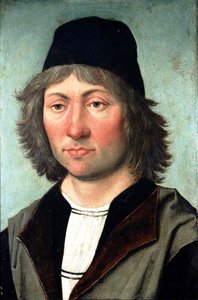
Pedro Berruguete
1450 - 1504 , Spain
Quick Facts
- Artistic Movement Or Style: Transition between Gothic & Renaissance
- Artists Or Movements Influenced By This Artist: ['']
- Artists Who Influenced This Artist: ['']
- Date Of Birth: c. 1450
- Date Of Death: 1504
- Full Name: Pedro Berruguete
- Nationality: Spanish
- Notable Artworks:
- David
- Ezekiel
- Salomon
- Place Of Birth: Paredes de Nava, Spain

