 Preview
 Send
Send Share
Share
 Details

 Download
 Similars
 X-Ray
X-Ray Diaporama
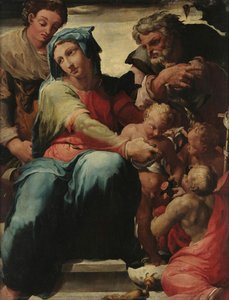
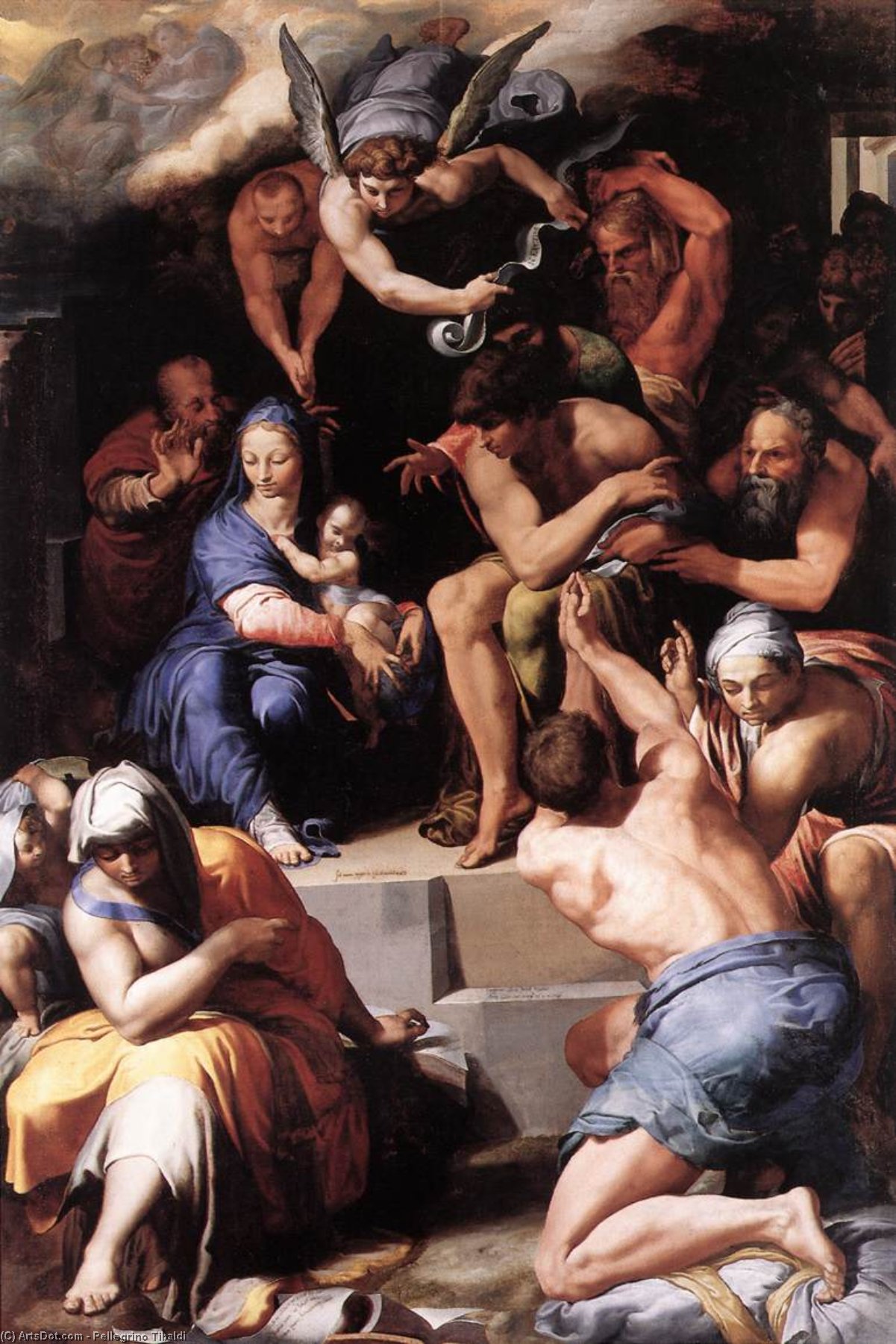
Adoration of the Christ Child
 Acrylic On Canvas
- WallArt
- Late Mannerism Baroque
 1548
1548 159.0 x 106.0 cm
 Galleria Borghese
 Read More
Hand Made Oil Reproduction
Hand-painted oil on canvas in your size and frame, made to order by our artists. ( Buy Print Buy Image)




P118B $10

P118H $10

P118W $10

P438Z $10

P508JH $12

P508YH $12

P805H $10

P805Z $10

P919BZ $10

P919G $10

P919XJ $10

P959ZH $10

P968JZ $12

W106C $8

W218G $10

W218JH $8

W218Y $10

W307PJ $10

W316G $10

W316PJ $8

W316Y $10

W398PJ $8

W4111J $10

W500HY $15

W500JH $15

W692G $12

W849H $8

W940BG $15

W953PJ $8




Pick from our preset sizes that match the artwork's original proportions.

You may enter your own dimensions to fit a specific frame or space. If your selected size does not match the original image's proportions, we will either crop the artwork or extend the painting with additional hand-painted elements. A digital mockup will be sent for your approval before production begins.
Please note that the on-screen preview does not reflect the actual cropping or extension. Only the mockup will accurately show the final composition.
While custom sizes are available, we recommend selecting a dimension from the predefined list to preserve the original proportions.
After order, ArtsDot.com team will email client for instructions and provide a mockup preview
Worldwide Delivery () in 3/4 weeks instead of standard 5 weeks. (16 August). No compromise on quality.

Free Worldwide Express Shipping

High-Quality Linen Canvas

Full Shipping Insurance

Customs Tax Refund Guarantee

True Color Matching Guarantee

60-Day Return Policy (Defects Only)

100% Money-Back Guarantee

Bulk Discount Offer
 Glass option is only available in size under 110 CM

Adoration of the Christ Child
Reproduction Medium
Reproduction Size
-


Total Price
$ 263
Artwork Description
Adoration of the Christ Child – A Masterpiece Bridging Mannerism and Baroque
Pellegrino Tibaldi’s “Adoration of the Christ Child,” completed in 1548, stands as a remarkable testament to the artistic fervor of late Mannerism and its nascent embrace of Baroque principles. Executed during his formative years under Giovanni Battista Falcone's tutelage—a period deeply rooted in classical ideals—the painting transcends mere representation, delving into profound theological contemplation and capturing an atmosphere of palpable emotion.
- Subject Matter: The scene depicts Mary cradling the infant Jesus amidst a congregation of figures, including angels and prophets. This iconography aligns closely with established Christian traditions yet possesses a distinctly Mannerist dynamism that distinguishes it from earlier depictions.
- Style & Technique: Tibaldi skillfully blends influences from Perino del Vaga—his mentor in Rome—with the expressive palette and sculptural qualities championed by Michelangelo. The use of oil paint on canvas allows for nuanced tonal gradations and textural detail, creating a visual richness that reflects the artist’s meticulous craftsmanship.
- Historical Context: Created during a period marked by papal patronage and artistic experimentation, “Adoration” embodies the spirit of its time—a desire to convey spiritual truths through heightened emotional intensity and dramatic composition. It represents one of Tibaldi's earliest works and serves as a crucial marker for understanding his evolving stylistic trajectory.
The painting’s central focus is dominated by swirling movements, mirroring the turbulent emotions conveyed by the figures surrounding Mary and Jesus. The Erythraean Sibyl—a rare inclusion in such scenes—proclaims prophetic visions, adding an element of mystery and intrigue to the narrative. Tibaldi's masterful handling of color contributes significantly to the painting’s emotive impact, fostering a sense of awe and reverence.
- Symbolism: Recurring motifs—such as the scroll bearing “Gloria in excelsis” and the book symbolizing divine wisdom—underscore the theological significance of the artwork. These symbols resonate with established Christian iconography, reinforcing the painting’s message of faith and redemption.
Today, “Adoration of the Christ Child” resides within the Galleria Borghese collection, offering visitors a captivating glimpse into the artistic achievements of Renaissance Italy. Its enduring appeal stems from its ability to evoke profound contemplation and convey the sublime beauty inherent in Christian devotion—a legacy that continues to inspire artists and collectors alike.
Additional Research:- Wikipedia Search: Adoration of the Christ Child (Bosch) – Explore similar depictions and artistic precedents.
- Pellegrino Tibaldi - Adoration of the Christ Child – Discover more about Tibaldi’s artistic style and biographical details.
- The Adoration of the Child - Galleria Borghese – Examine high-resolution images and delve deeper into the painting’s artistic features.
Related Artworks




Artist Biography
The Versatile Visionary: The Life and Legacy of Pellegrino Tibaldi
In the vibrant, transformative era of late Mannerism and the dawn of the Baroque, few figures embodied the spirit of Renaissance polymathy as completely as Pellegrino Tibaldi. Born in 1527 in Puras, near Brescia, Tibaldi emerged from a lineage where art was woven into the very fabric of family life; his father, a skilled sculptor, provided the foundational understanding of form and volume that would later define Tibaldi’s unique approach to both canvas and stone. His early training under the renowned sculptor Giovanni Battista Falcone instilled in him a rigorous devotion to classical ideals and a meticulous attention to craftsmanship. This sculptural grounding became the hallmark of his painterly style, allowing him to imbue his figures with a monumental presence that seemed to transcend the flat surface of the fresco or oil painting.
As his career flourished, Tibaldi’s genius expanded far beyond the confines of the easel. He became a master of spatial harmony, bridging the gap between the two-dimensional world of painting and the three-dimensional reality of architecture. His architectural contributions reshaped the urban landscape of Milan, where he designed prestigious structures such as the Spinola Palace, the Erba Odescalchi Palace, and the Prospero Visconti Palace. In these works, Tibaldi demonstrated an exceptional ability to marry grandeur with geometric precision, creating environments that reflected the elegance and power of his patrons. Perhaps his most breathtaking achievement in this realm was his involvement with the Villa d'Este on Lake Como. Commissioned by Cardinal Tolomeo Gallio, Tibaldi oversaw a design that seamlessly integrated classical architectural elements with innovative landscaping, pushing the boundaries of how man-made structures could interact with the natural world.
A Master of Light, Drama, and Mannerist Elegance
Tibaldi’s painterly output is characterized by a captivating tension between the structured elegance of Mannerism and the burgeoning emotional intensity of the Baroque. His works often feature a sophisticated use of color and light to guide the viewer through complex, crowded compositions. In masterpieces such as The Adoration of the Christ Child (1568), one can witness his ability to blend classical grace with a new, more dramatic colorism. The way he depicts Mary and Jesus, surrounded by a celestial assembly of angels and sibyls, showcases a dynamic energy that was revolutionary for its time. This mastery of light is equally evident in his frescoes, such as the stunning depiction of the Raising of Lazarus, where dramatic lighting serves to heighten the spiritual gravity of the scene.
The artist's ability to manipulate texture and detail further distinguishes his oeuvre. Whether it is the intricate gold accents and delicate bird motifs found in his architectural details or the robust, muscular forms that echo his sculptural training, Tibaldi’s work invites deep contemplation. His compositions often utilize a sense of movement—a swirling, rhythmic quality that keeps the eye wandering through layers of symbolic meaning and anatomical precision. This stylistic fluidity allowed him to navigate the complex demands of various religious and noble patrons, moving effortlessly between the solemnity required for sacred altarpieces and the opulence necessary for palatial decorations.
Historical Significance and Artistic Endurance
The historical importance of Pellegrino Tibaldi lies in his role as a bridge between eras. He stood at the crossroads of the late Renaissance, carrying forward the refined traditions of his predecessors while simultaneously laying the groundwork for the theatricality and emotional depth of the Baroque period. His influence stretched across Europe, reaching into the royal courts of Spain and leaving an indelible mark on the artistic culture of Italy. Through his dual mastery of architecture and painting, he redefined the concept of the artist as a total creator of environments—one who does not merely decorate a space but fundamentally shapes its soul.
Today, Tibaldi’s legacy is preserved in some of the world's most prestigious collections and sacred sites. His works continue to inspire awe through their:
- Structural Integrity: A unique ability to bring sculptural weight and three-dimensional presence to two-dimensional surfaces.
- Architectural Innovation: The creation of lasting urban landmarks that balanced classical geometry with aesthetic splendor.
- Narrative Depth: The use of dramatic lighting and complex compositions to convey profound theological and mythological themes.

Pellegrino Tibaldi
1527 - 1596 , Italy
Quick Facts
- Artistic Movement Or Style: Mannerist Art
- Artists Or Movements Influenced By This Artist: ['Renaissance Painting']
- Artists Who Influenced This Artist: ['Federico Zuccaro']
- Date Of Birth: 1527
- Date Of Death: 1596
- Full Name: Pellegrino Tibaldi
- Nationality: Italian
- Notable Artworks:
- The Holy Family
- Pelleg
- Place Of Birth: Puras, Italy
Related Articles

The Dramatic Dialogue: Baroque Mannerism & the Synthesis of Emotion, Form, and Artistic Rebellion
Explore the dramatic world of Baroque Mannerism! Discover its history, iconic artists like Rubens & El Greco, and lasting influence on art. Expert insights for collectors & enthusiasts at ArtsDot.

Baroque Masterpieces: 10 Paintings That Defined an Era |
Journey through the drama & grandeur of Baroque art! Explore 10 masterpieces by Caravaggio, Rembrandt, Rubens & more. Discover stunning oil paintings, rich colors & timeless stories. Find museum-quality reproductions at .
Mannerism: Bridging Renaissance Harmony & Baroque Drama – A Study of Style & Affectation
Explore the fascinating world of Mannerism! Discover its key characteristics, pioneering artists like Pontormo & Bronzino, and its pivotal role in bridging Renaissance harmony to Baroque drama. A comprehensive guide for art enthusiasts.

Baroque Drama: Bringing Opulence & Emotion into Contemporary Interiors
Explore the opulent world of Baroque interior design! Discover key elements, modern applications & how to bring dramatic elegance into your home with 's authentic reproductions.

The Dramatic Flourish: Exploring the Baroque Movement's Enduring Legacy in Art History
Explore the dramatic world of Baroque art! Discover iconic artists like Caravaggio & Rubens, defining techniques, and its lasting impact on art history. Expert insights for collectors & enthusiasts at ArtsDot.