

 Preview
 Send
Send Share
Share
 Details

 Download
 Similars
 X-Ray
X-Ray Diaporama
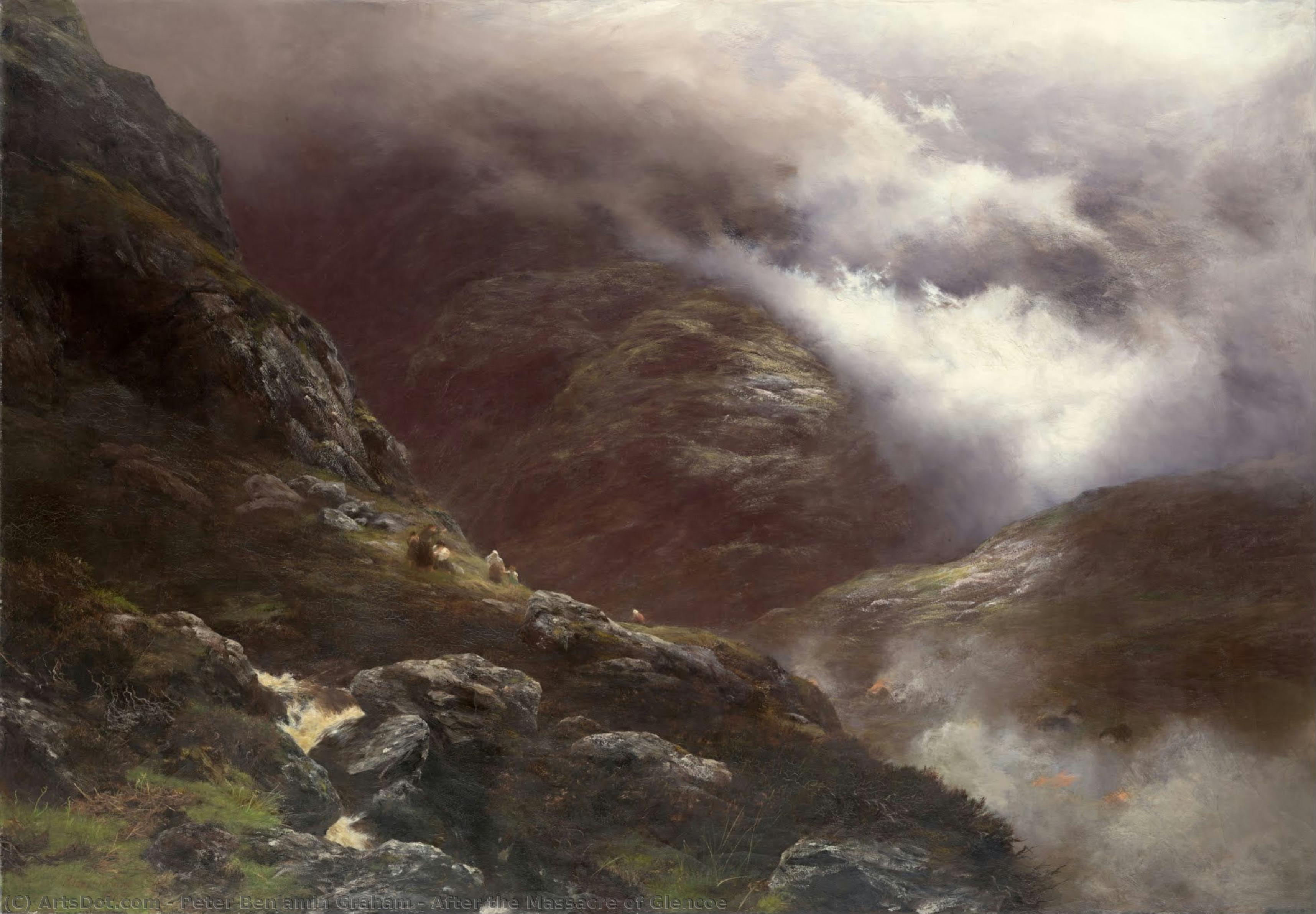
After the Massacre of Glencoe
 Acrylic On Canvas
- WallArt
 1889
1889 123.0 x 175.0 cm
 National Gallery of Victoria
 Read More
Purchase a high-resolution, enhanced digital image, far superior to the online preview.
Each file is meticulously prepared by our in-house specialists using advanced tools and expert manual retouching. We ensure every image has exceptional clarity, precise color accuracy, and fine detail.
The final file is delivered via email within 72 hours, optimized for immediate use in professional, editorial, and print environments. This is the same quality trusted by top-tier design studios, publishers, and galleries.
Digital Image
Download a high-resolution file for personal display, printing, and creative projects. ( Buy Print Buy Hand Made Painting)
Included in Every Digital Image Order
Expert Digital Delivery, Guaranteed
When you choose ArtsDot.com, you're not just getting an image - you're receiving a professionally enhanced digital artwork, crafted with precision and backed by a satisfaction guarantee. Here's everything that comes with your order, automatically:

Fast Email Delivery
Your high-resolution digital image file will be emailed to you within 72 hours of ordering - ready for immediate use.

AI-Enhanced Digital File
Your artwork is professionally optimized using advanced AI tools and manual editing, ensuring maximum detail, clarity, and color accuracy.

Free Lifetime Re-Delivery
Accidentally deleted or lost your file? No worries - we'll resend it to you anytime, free of charge.

No Import Fees - Ever
Enjoy your artwork instantly with zero customs, duties, or delivery fees - digital downloads are always tax-free.

Color Accuracy Guarantee
We ensure your digital image reflects the original colors as closely as possible using professional tools and color management.

60-Day Satisfaction Guarantee
If you're not satisfied with your digital image, we'll revise it or refund 100% within 60 days - no questions asked.

100% Money-Back Guarantee
Not satisfied? Get a full refund within 60 days of receiving your digital file - no questions asked.

Bulk Order Discounts
Buy 3 images, save 10% - Buy 5, save 15% - Buy 10+, save 20%. Great for creative projects, galleries, and agencies.
Collectible Description
Related Artworks
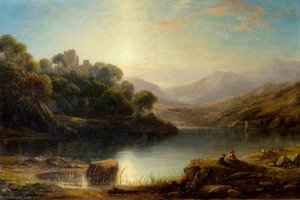
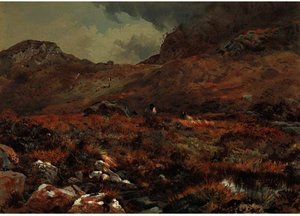
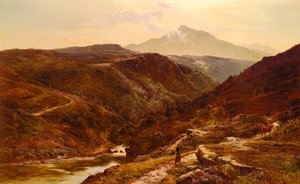
Artist Biography
A Maverick of Abstraction: The Life and Art of Peter Benjamin Graham
Peter Benjamin Graham, born in Glasgow in 1925 and passing away in 1987, was an Australian artist whose career defied easy categorization. He wasn’t simply a painter; he was a printer, a theorist, and ultimately, a visual innovator who challenged the very foundations of how we perceive and create imagery. His journey began across continents, shaped by both European artistic traditions and a deep engagement with the unique landscape and cultural heritage of Australia. Graham's early life provided a foundation in technical skill – an apprenticeship in photogravure honed his understanding of reproduction processes – but it was his move to Australia that truly ignited his creative spirit. He quickly became captivated by the native wildlife, particularly kangaroos, and began exploring Aboriginal themes, not through imitation, but as a catalyst for re-evaluating Western artistic conventions. This initial phase saw him blending figurative modernism with emerging abstract tendencies, laying the groundwork for the radical developments to come.The Birth of Thematic Orchestration and New Epoch Art
Around 1960, Graham embarked on a path that would define his legacy: the development of *Thematic Orchestration*. This wasn’t merely another style; it was a fundamentally new approach to image-making inspired by the burgeoning field of chaos theory. He sought to move beyond conscious control, allowing images to “grow” organically from underlying principles, resulting in compositions brimming with almost infinite possibilities. It was a deliberate rejection of traditional compositional rules and an embrace of emergent order. This groundbreaking technique led directly to his most significant innovation: *Notation Painting*, later renamed *New Epoch Art* in 1964. Graham pioneered a sophisticated visual notation system – a kind of visual language – for pure imagery, effectively creating a framework for generating art based on logical structures rather than subjective expression. This placed him at the forefront of the Australian artist-run initiative movement, fostering a spirit of experimentation and independence within the art community. He wasn’t just making art; he was inventing a new system *for* making art.A Catalyst for Change: Galleries and Influence
Graham's commitment to artistic innovation extended beyond his studio practice. From 1973 to 1978, he ran the Queensberry Street Gallery in Melbourne, in association with the Victorian Printmakers’ Group. This gallery became a vital hub for experimental art, providing a platform for emerging artists and challenging established norms. It was more than just an exhibition space; it was a laboratory where ideas were exchanged, boundaries pushed, and new artistic voices nurtured. His influence resonated throughout the Australian art scene, inspiring generations of artists to question conventional approaches and explore uncharted territories. While his work wasn’t always widely recognized during his lifetime, its impact has grown steadily in recent decades as scholars and artists alike have come to appreciate the depth and originality of his vision.Legacy and Continuing Relevance
Peter Benjamin Graham's artistic legacy is one of intellectual rigor, technical mastery, and unwavering dedication to pushing the boundaries of visual expression. He wasn’t content to simply paint a picture; he sought to understand the underlying principles that govern image-making itself. His *Thematic Orchestration* and *New Epoch Art* remain profoundly relevant in an age increasingly fascinated by complexity, systems thinking, and the intersection of art and science. His work continues to inspire contemporary artists, prompting them to explore new ways of generating imagery and challenging traditional notions of authorship and control. Graham’s contribution lies not just in the artworks he created, but in the conceptual framework he provided for future generations. His exploration of chaos theory before it became a mainstream concept demonstrates a remarkable prescience, solidifying his position as a true visionary within the history of modern art.- Explore more about Peter Benjamin Graham’s work at: https://ArtsDot.com/@/peter-benjamin-graham
- Discover artworks featured in historic locations like Dunfermline City Chambers: https://ArtsDot.com/@@/a@d3bpmx
- Learn about Broughton House - Garden Museum, Kirkcudbright: https://ArtsDot.com/@@/a@d3ckcf
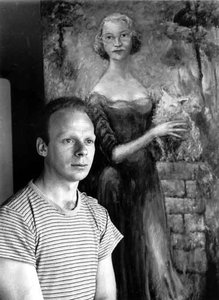
Peter Benjamin Graham
1925 - 1987 , United Kingdom
Quick Facts
- Artistic Movement Or Style: Abstract, Figurative Modernism
- Artists Or Movements Influenced By This Artist: ['Contemporary artists']
- Date Of Birth: 1925
- Date Of Death: 1987
- Full Name: Peter Benjamin Graham
- Nationality: Australian
- Notable Artworks: ['After the Massacre of Glencoe']
- Place Of Birth: Glasgow, UK

