 Preview
 Send
Send Share
Share
 Details

 Download
 Similars
 X-Ray
X-Ray Diaporama
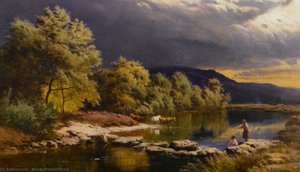
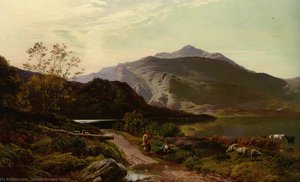
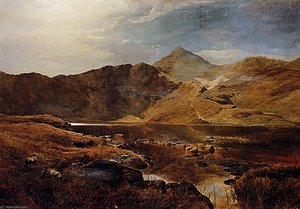
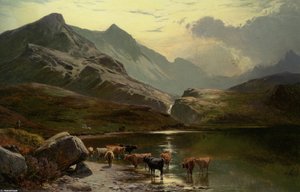
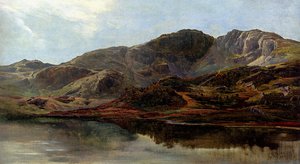
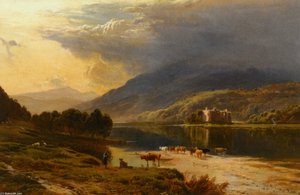
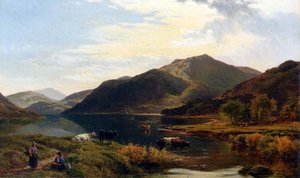
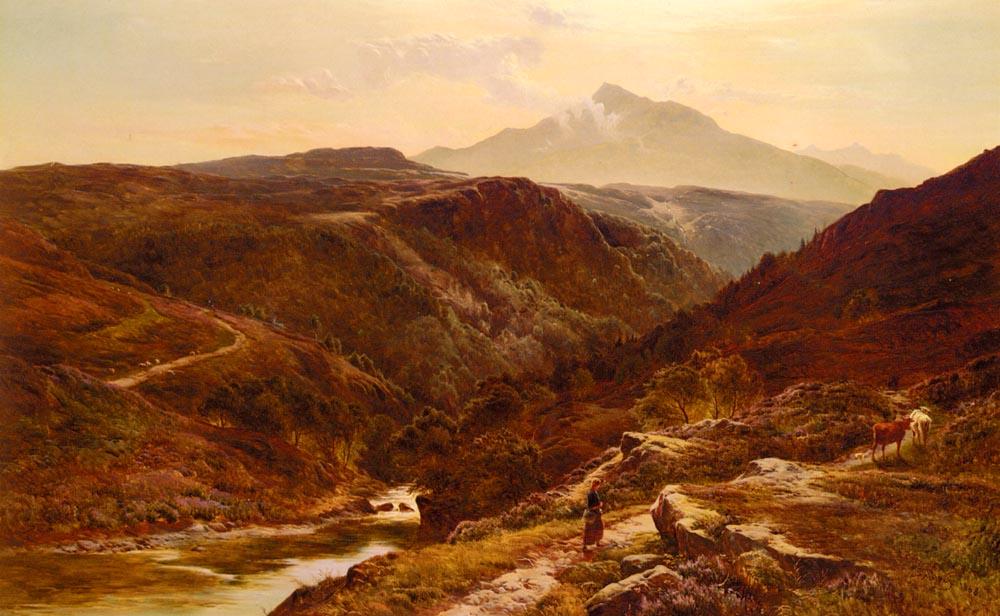
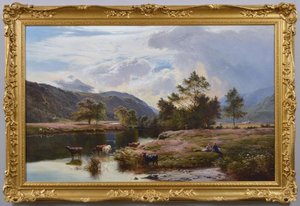
Moel Siabab, North Wales

 Read More
Hand Made Oil Reproduction
Hand-painted oil on canvas in your size and frame, made to order by our artists. ( Buy Print Buy Image)




































Pick from our preset sizes that match the artwork's original proportions.

You may enter your own dimensions to fit a specific frame or space. If your selected size does not match the original image's proportions, we will either crop the artwork or extend the painting with additional hand-painted elements. A digital mockup will be sent for your approval before production begins.
Please note that the on-screen preview does not reflect the actual cropping or extension. Only the mockup will accurately show the final composition.
While custom sizes are available, we recommend selecting a dimension from the predefined list to preserve the original proportions.
After order, ArtsDot.com team will email client for instructions and provide a mockup preview
Worldwide Delivery () in 3/4 weeks instead of standard 5 weeks. (17 August). No compromise on quality.

Free Worldwide Express Shipping

High-Quality Linen Canvas

Full Shipping Insurance

Customs Tax Refund Guarantee

True Color Matching Guarantee

60-Day Return Policy (Defects Only)

100% Money-Back Guarantee

Bulk Discount Offer
 Glass option is only available in size under 110 CM

Moel Siabab, North Wales
Reproduction Medium
Reproduction Size
-


Total Price
$ 263
Related Artworks
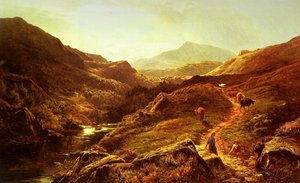
Artist Biography
The Legacy of Sidney Richard Percy: Master of the Barnes School
Sidney Richard Percy (1821–1886) stands as a cornerstone of the Barnes School, an artistic movement that flourished in London’s southwest during the Victorian era. Born into a family steeped in artistic tradition—his father, Edward Williams, was himself a celebrated painter—Percy inherited not only talent but also a profound connection to the rural landscapes of Britain. This familial lineage shaped his oeuvre with meticulous observation and a distinctive aesthetic that would eventually define much of the 19th-century English landscape tradition.
His upbringing within the Williams family fostered an environment where artistic pursuits were deeply valued. The siblings—including Henry John Boddington and Arthur Gilbert—all pursued careers as artists, establishing a remarkable familial tradition. While Percy’s development was largely self-directed, his apprenticeship under Thomas Hilliard, a respected gilder and engraver in Carnaby Street, provided him with invaluable technical insights. This early exposure to the precision of engraving profoundly influenced his approach to composition, allowing him to master the delicate interplay of light and shadow that characterizes his most celebrated works.
Atmospheric Landscapes and the Romantic Spirit
The relocation to Barnes, a tranquil village bordering the Thames River, marked a pivotal moment in Percy’s artistic life. Surrounded by marshes, farms, and rolling hills, this landscape provided an unparalleled source of inspiration. Embracing the Romantic tradition championed by masters such as James Ward and George Moront, Percy prioritized atmospheric perspective to capture the sublime beauty of the British countryside. His work often transcends mere documentation, instead evoking a sense of nostalgia and peace through the use of soft, luminous light and earthy tones.
Percy’s technical mastery is most evident in his ability to render diverse terrains with emotional depth:
- The English Countryside: In works like Harvest Time and The road across the common, he captures the serene, idyllic rhythms of rural life.
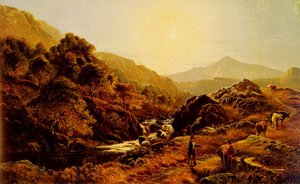
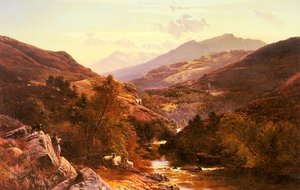
- The Welsh Mountains: His paintings of North Wales, such as Moel Siabab, utilize vastness and golden light to evoke the grandeur of nature.
- The Scottish Highlands: In pieces like Williams cattle and sheep in a scottish highland landscape, he employs an impasto texture and warm palette to recreate the rugged majesty of the north.
- Cumbrian Vistas: His depictions of Styhead Pass demonstrate his skill in portraying the interaction between livestock and the untamed elements of the Lake District.
Historical Significance and Artistic Achievement
Throughout his career, Percy achieved significant recognition within the British art establishment. Debuting at the Royal Academy in 1842, he quickly established himself as a professional force, launching his career with vigor during the 1840s. His ability to blend the realism of the landscape with the emotional resonance of Luminism allowed his work to resonate with both contemporary Victorian audiences and modern collectors alike.
The historical significance of Sidney Richard Percy lies in his role as a chronicler of a vanishing era. As the Industrial Revolution began to reshape the British landscape, Percy’s paintings preserved the memory of an untouched, pastoral England. Through his detailed depictions of grazing cattle, winding paths, and misty valleys, he created a timeless visual record of the sublime. Today, his work remains a testament to the enduring beauty of the natural world and a definitive contribution to the legacy of English landscape painting.
Sidney Richard Percy
1821 - 1886 , United Kingdom
Quick Facts
- Artistic Movement Or Style: Victorian Landscape Painting
- Artists Or Movements Influenced By This Artist: ['Romanticism']
- Artists Who Influenced This Artist: ['James Ward']
- Date Of Birth: March 22, 1822
- Date Of Death: April 13, 1886
- Full Name: Sidney Richard Percy Williams
- Nationality: English
- Notable Artworks: ['A Rest on the Roadside']
- Place Of Birth: London, United Kingdom
Related Articles

Romantic Landscapes: 10 Masterpieces for Your Home | ArtsDot
Journey through 10 Romantic landscape masterpieces by Friedrich, Turner & Cole. Explore emotional art, sublime nature scenes & iconic 19th-century paintings. Find museum-quality reproductions for your home at ArtsDot.com – discover the full collection online!

Beyond the Horizon: 10 Landscape Masterpieces for Your Home Decor
Journey through 10 breathtaking landscape paintings by Monet, Van Gogh & more! Explore iconic artworks, artistic techniques & find inspiration for your home decor. Museum-quality reproductions at ArtsDot.com. Discover all masterpieces on ArtsDot.com

Evocations of Place: A Historical Journey Through Landscape Art
Explore the rich history of landscape art with ArtsDot. Discover renowned artists, movements like Impressionism & Romanticism, and expert guidance for collecting timeless pieces. Find your perfect serene escape today!
The Sublime and the Picturesque: Exploring Emotion & Nature in Romantic Landscape Painting
Explore the emotional power of Romantic landscape painting! Discover the sublime & picturesque traditions, key artists like Friedrich & Cole, and find your perfect artwork at ArtsDot.
Evocations of Place: A Historical Journey Through Landscape Art
Explore the rich history of landscape art with ArtsDot. Discover renowned artists, movements like Impressionism & tonalism, and expert guidance for collecting timeless pieces. Find your perfect serene escape today!