

 Preview
 Send
Send Share
Share
 Details

 Download
 Similars
 X-Ray
X-Ray Diaporama
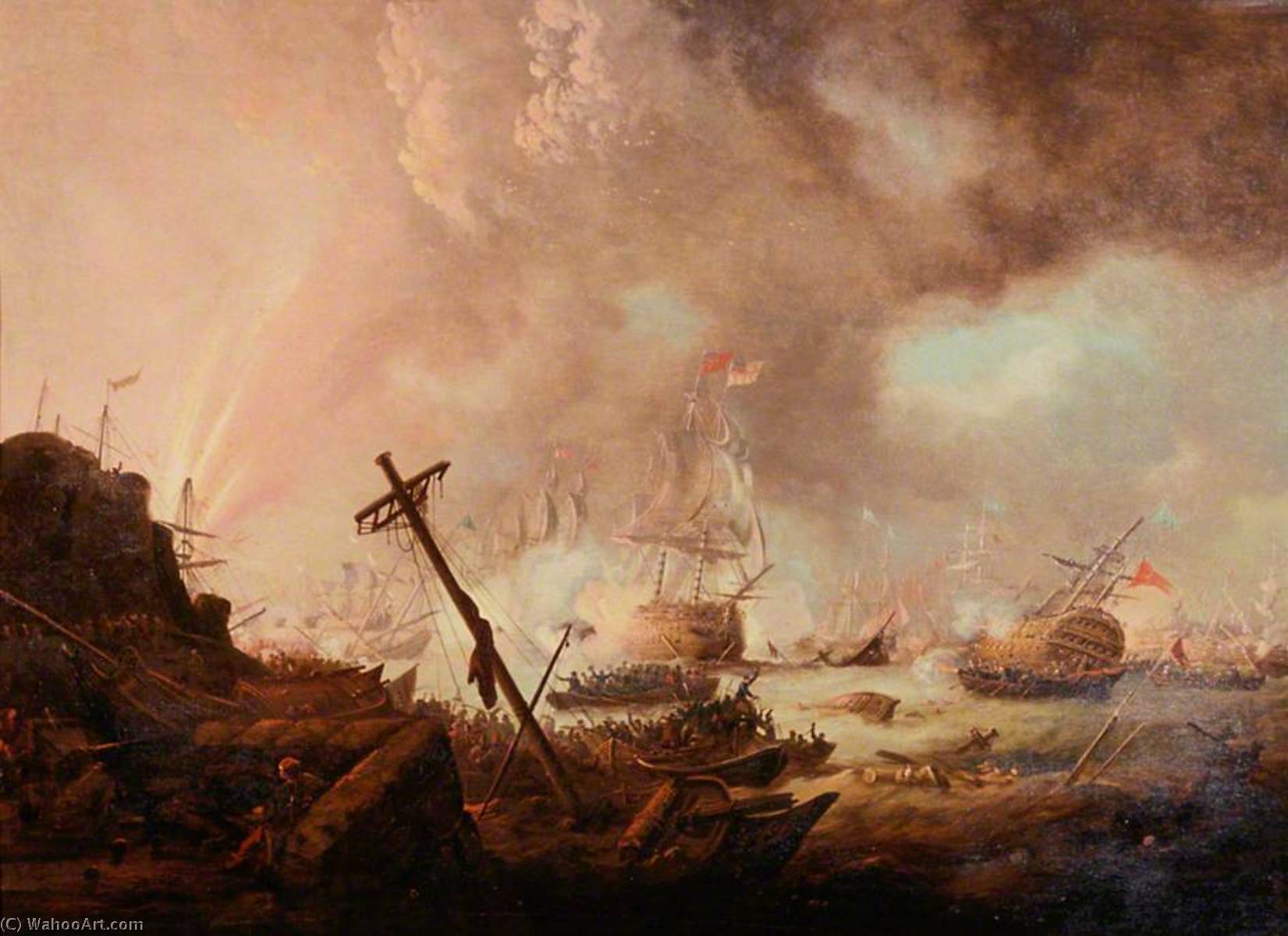
Admiral Sir John Duckworth Forcing Pass through the Dardanelles, 1807
 Oil On Canvas
- WallArt
- Romanticism
 1808
1808- 19th Century
 61.0 x 83.0 cm
 Government Art Collection
 Read More
Purchase a high-resolution, enhanced digital image, far superior to the online preview.
Each file is meticulously prepared by our in-house specialists using advanced tools and expert manual retouching. We ensure every image has exceptional clarity, precise color accuracy, and fine detail.
The final file is delivered via email within 72 hours, optimized for immediate use in professional, editorial, and print environments. This is the same quality trusted by top-tier design studios, publishers, and galleries.
Digital Image
Download a high-resolution file for personal display, printing, and creative projects. ( Buy Print Buy Hand Made Painting)
Included in Every Digital Image Order
Expert Digital Delivery, Guaranteed
When you choose ArtsDot.com, you're not just getting an image - you're receiving a professionally enhanced digital artwork, crafted with precision and backed by a satisfaction guarantee. Here's everything that comes with your order, automatically:

Fast Email Delivery
Your high-resolution digital image file will be emailed to you within 72 hours of ordering - ready for immediate use.

AI-Enhanced Digital File
Your artwork is professionally optimized using advanced AI tools and manual editing, ensuring maximum detail, clarity, and color accuracy.

Free Lifetime Re-Delivery
Accidentally deleted or lost your file? No worries - we'll resend it to you anytime, free of charge.

No Import Fees - Ever
Enjoy your artwork instantly with zero customs, duties, or delivery fees - digital downloads are always tax-free.

Color Accuracy Guarantee
We ensure your digital image reflects the original colors as closely as possible using professional tools and color management.

60-Day Satisfaction Guarantee
If you're not satisfied with your digital image, we'll revise it or refund 100% within 60 days - no questions asked.

100% Money-Back Guarantee
Not satisfied? Get a full refund within 60 days of receiving your digital file - no questions asked.

Bulk Order Discounts
Buy 3 images, save 10% - Buy 5, save 15% - Buy 10+, save 20%. Great for creative projects, galleries, and agencies.
Collectible Description
The Drama of Naval Might: A Glimpse into Napoleonic Conflict
To stand before this depiction of Admiral Sir John Duckworth Forcing Pass through the Dardanelles, 1807 is to be swept away by the sheer kinetic energy of history. This painting does not merely record an event; it immerses the viewer within its tumultuous heart. The canvas pulses with the drama of naval warfare, capturing a moment where human ingenuity and military might clashed against the formidable backdrop of geopolitical struggle. One can almost hear the splintering wood, the shouted commands echoing across the choppy waters, and feel the bracing salt spray on one's face. It is a masterful confluence of historical documentation and high artistic drama.
Mastery in Depicting Action and Scale
Philip James de Loutherbourg, an artist celebrated for his dramatic flair across various mediums, has employed his considerable skill to render the chaos with remarkable clarity. The composition is dominated by the imposing presence of the British ships, particularly the large vessel anchoring the center, which serves as a visual anchor against the surrounding turmoil. Notice how the artist handles scale; from the colossal hulls filling the foreground to the smaller, more vulnerable boats scattered further out, every element contributes to a profound sense of depth and scope. The inclusion of numerous figures—sailors manning ropes, soldiers observing from decks, and men navigating in the smaller craft—is crucial. These individuals transform the scene from an abstract battle into a visceral human experience, lending an undeniable realism that speaks volumes about the grit and determination required during such perilous passages.
Historical Resonance and Artistic Technique
Dating to 1808, this work places us squarely in the aftermath of some of Europe's most defining conflicts. The subject matter itself—the passage through the Dardanelles—is steeped in strategic importance, making the painting a potent artifact of early nineteenth-century military history. Technically, Loutherbourg’s handling suggests an understanding of atmospheric perspective; the distant elements are softened by haze and distance, contrasting sharply with the richly detailed foreground action. The technique employed is characteristic of grand historical narrative painting, utilizing deep tonal contrasts to heighten the emotional stakes while maintaining a meticulous attention to nautical detail.
Symbolism of Passage and Resilience
Beyond the immediate spectacle of battle, there lies a deeper symbolic resonance within this piece. The Dardanelles itself represents a bottleneck, a passage that must be forced through sheer will against overwhelming odds. This struggle mirrors broader themes of human resilience—the determination to advance despite danger. The ships are not just wood and canvas; they symbolize national resolve. For the collector or designer, owning such a reproduction is acquiring more than mere decoration; it is an emblem of enduring spirit, a powerful conversation piece that speaks to courage and strategic perseverance.
Bringing the Epic Home
For those seeking art with narrative weight, this reproduction offers unparalleled depth. The dimensions of 61 x 83 cm allow the drama to unfold without feeling cramped, providing an ideal focal point for a grand hall, library, or study. It invites contemplation on themes of duty, conflict, and ultimate passage. To reproduce such a monumental work is to bring the epic scale of history into the intimate setting of modern life, allowing its dramatic energy to enrich your space.
Related Artworks
Artist Biography
Philip James de Loutherbourg: A Life of Art, Theatre, and Intrigue
- Born: Strasbourg, France (1740)
- Died: 1812
Philip James de Loutherbourg, also known as Philip Jacques de Loutherbourg, was a Franco-British painter celebrated for his dramatic depictions of naval battles, expansive landscapes, and innovative contributions to theatre design. His career spanned several decades, marked by artistic versatility, a brief foray into the occult, and significant influence on subsequent generations of artists.
Early Life and Artistic Training
Born in Strasbourg in 1740, Loutherbourg’s early life was shaped by his father, an engraver and miniaturist. Initially destined for the ministry, he abandoned this path to pursue a career in art. His formal training began in Paris under Charles-André van Loo and Francesco Giuseppe Casanova. Loutherbourg quickly demonstrated exceptional talent, gaining recognition at the Salon of 1763 with his landscape featuring figures and animals. He continued to exhibit successfully at subsequent Salons, earning praise from influential critics like Denis Diderot. In 1767, he was elected to the French Academy, a testament to his burgeoning reputation.
Career in England: Naval Scenes, Landscapes, and Theatre
In 1771, Loutherbourg relocated to London, where he quickly established himself as a prominent artist. A key introduction by David Garrick led to significant commissions for stage designs at the Drury Lane Theatre. His theatrical innovations were groundbreaking, including the creation of the Eidophusikon in 1781 – a mechanical theatre that utilized perspective and illusionistic effects to create immersive scenes. This invention showcased his ingenuity and marked him as a pioneer in theatrical technology.
Simultaneously, Loutherbourg gained renown for his history paintings, particularly his depictions of naval battles. His most famous work, Lord Howe's Action, or the Glorious First of June (1795), commemorated a significant British victory and established him as a leading chronicler of maritime events. His landscapes, while sometimes criticized for being somewhat theatrical, captured the picturesque beauty of the English countryside and reflected contemporary aesthetic ideals.
- Notable Works: Lord Howe's Action, or the Glorious First of June, The Destruction of the Armada, Coalbrookdale by Night
A Period of Occult Interests and Later Years
In a surprising turn, Loutherbourg temporarily abandoned painting in 1789 to pursue an interest in alchemy and the supernatural. He became associated with Alessandro di Cagliostro, a notorious figure known for his fraudulent claims of immortality and occult powers. Loutherbourg traveled with Cagliostro before his condemnation to death, though details of this period remain somewhat obscure. Following public opposition to his faith-healing practices, he returned to painting, focusing on history subjects and continuing to produce landscapes and portraits.
Legacy and Influence
Philip James de Loutherbourg left a lasting legacy as a versatile artist who bridged the gap between history painting, landscape art, and theatrical design. His innovative Eidophusikon influenced later developments in stagecraft, while his dramatic naval scenes captured the spirit of an era defined by maritime power. His work can be found in numerous museums worldwide, including the National Maritime Museum and the British Museum. He is also recognized for influencing artists like J.M.W. Turner, demonstrating his significant contribution to the development of Romantic art in Britain.
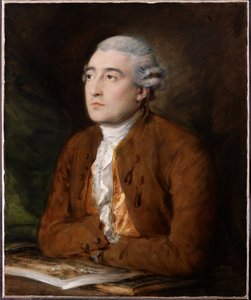
Philip James de Loutherbourg
1740 - 1812 , France
Quick Facts
- Artistic Movement Or Style: Romanticism
- Artists Or Movements Influenced By This Artist: ['Turner']
- Date Of Birth: 1740-10-31
- Date Of Death: 1812-03-11
- Full Name: Philip James de Loutherbourg
- Nationality: Franco-British
- Notable Artworks:
- Lord Howe's Action, or the Glorious First of June
- The Destruction of the Armada
- Coalbrookdale by Night
- Horseman and Cattle in a Thunderstorm
- Place Of Birth: Strasbourg, France

