

 Preview
 Send
Send Share
Share
 Details

 Download
 Similars
 X-Ray
X-Ray Diaporama
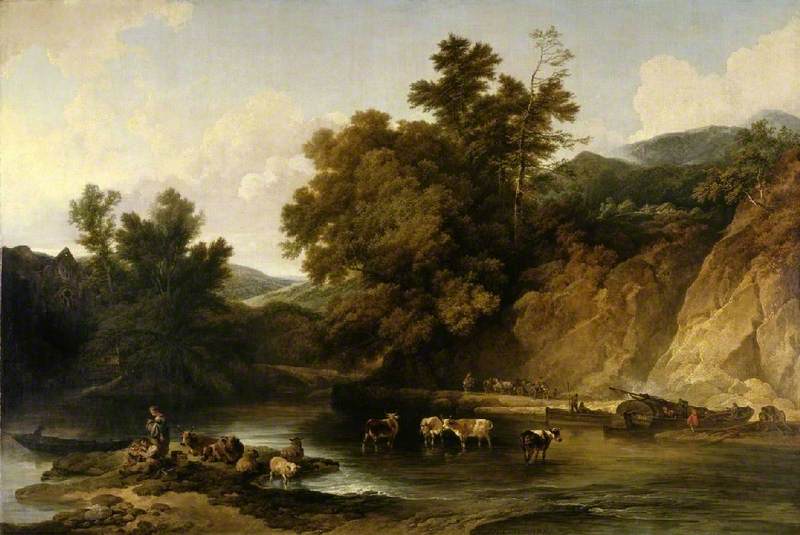
The River Wye at Tintern Abbey
 Acrylic On Canvas
- WallArt
- Romanticism
 1805
1805 108.0 x 162.0 cm
 Fitzwilliam College
 Read More
Purchase a high-resolution, enhanced digital image, far superior to the online preview.
Each file is meticulously prepared by our in-house specialists using advanced tools and expert manual retouching. We ensure every image has exceptional clarity, precise color accuracy, and fine detail.
The final file is delivered via email within 72 hours, optimized for immediate use in professional, editorial, and print environments. This is the same quality trusted by top-tier design studios, publishers, and galleries.
Digital Image
Download a high-resolution file for personal display, printing, and creative projects. ( Buy Print Buy Hand Made Painting)
Included in Every Digital Image Order
Expert Digital Delivery, Guaranteed
When you choose ArtsDot.com, you're not just getting an image - you're receiving a professionally enhanced digital artwork, crafted with precision and backed by a satisfaction guarantee. Here's everything that comes with your order, automatically:

Fast Email Delivery
Your high-resolution digital image file will be emailed to you within 72 hours of ordering - ready for immediate use.

AI-Enhanced Digital File
Your artwork is professionally optimized using advanced AI tools and manual editing, ensuring maximum detail, clarity, and color accuracy.

Free Lifetime Re-Delivery
Accidentally deleted or lost your file? No worries - we'll resend it to you anytime, free of charge.

No Import Fees - Ever
Enjoy your artwork instantly with zero customs, duties, or delivery fees - digital downloads are always tax-free.

Color Accuracy Guarantee
We ensure your digital image reflects the original colors as closely as possible using professional tools and color management.

60-Day Satisfaction Guarantee
If you're not satisfied with your digital image, we'll revise it or refund 100% within 60 days - no questions asked.

100% Money-Back Guarantee
Not satisfied? Get a full refund within 60 days of receiving your digital file - no questions asked.

Bulk Order Discounts
Buy 3 images, save 10% - Buy 5, save 15% - Buy 10+, save 20%. Great for creative projects, galleries, and agencies.
Collectible Description
The River Wye at Tintern Abbey: A Romantic Vision Embodied
Philip James de Loutherbourg’s “The River Wye at Tintern Abbey,” completed in 1805, stands as a cornerstone of British Romantic landscape painting—a testament to the movement's fascination with sublime beauty and its profound engagement with philosophical ideas about nature. More than just a depiction of a picturesque riverside scene, it represents an attempt to capture the very essence of emotion and experience, reflecting Wordsworth’s own transformative encounter with this iconic location.
Subject Matter and Composition
The painting portrays the River Wye as viewed from Tintern Abbey, Worcestershire—a site revered by Wordsworth and Coleridge during their influential walking tour. Loutherbourg meticulously rendered the valley landscape, emphasizing its dramatic contours and atmospheric haze. Dominating the composition is a sweeping vista of rolling hills interspersed with trees and meadows, converging towards the distant abbey ruins. Scattered figures on horseback add scale to the scene and subtly convey the dynamism of human presence within this vast expanse.
Style and Technique: Romantic Impressionism
Loutherbourg’s approach aligns closely with Romantic Impressionism—a stylistic trend that prioritized capturing fleeting moments of light and color rather than striving for photographic realism. He employed loose brushstrokes and blended hues to create an ethereal atmosphere, mirroring Wordsworth's poetic description of the “tranquil restoration” he experienced upon revisiting Tintern Abbey after five years apart. The artist skillfully utilized tonal gradations—particularly in the depiction of the distant hills—to convey depth and luminosity, characteristic features of Romantic painting.
Historical Context: Wordsworthian Influence
“The River Wye at Tintern Abbey” emerged during a period marked by intellectual ferment and artistic experimentation. Wordsworth’s poem had profoundly impacted the sensibilities of his contemporaries, inspiring artists to explore themes of emotion, imagination, and communion with nature. Loutherbourg's painting directly responded to this poetic impulse, aiming to translate Wordsworth’s philosophical insights into visual form—a deliberate effort to evoke a similar feeling of awe and contemplation in viewers.
Symbolism and Emotional Impact
Beyond its aesthetic qualities, the painting carries symbolic weight. The River Wye itself represents the flow of time and memory, while Tintern Abbey symbolizes spiritual solace and enduring beauty. Loutherbourg’s depiction captures Wordsworth's profound conviction that nature possesses a capacity to elevate human consciousness—a belief encapsulated in his celebrated phrase about “something far more deeply interfused,/ Whose dwelling is the light of setting suns.” The painting succeeds in conveying a palpable sense of serenity, wonder, and emotional resonance—a legacy that continues to inspire admiration for its artistic merit.
Provenance and Display
Currently housed at the Fitzwilliam Museum in Cambridge, “The River Wye at Tintern Abbey” exemplifies the museum’s commitment to preserving and showcasing masterpieces of British Romantic art. Its prominent position within the gallery underscores its significance as a pivotal work of artistic expression—a visual embodiment of Wordsworth's poetic vision and a lasting symbol of the Romantic aesthetic.
Related Artworks
Artist Biography
Philip James de Loutherbourg: A Life of Art, Theatre, and Intrigue
- Born: Strasbourg, France (1740)
- Died: 1812
Philip James de Loutherbourg, also known as Philip Jacques de Loutherbourg, was a Franco-British painter celebrated for his dramatic depictions of naval battles, expansive landscapes, and innovative contributions to theatre design. His career spanned several decades, marked by artistic versatility, a brief foray into the occult, and significant influence on subsequent generations of artists.
Early Life and Artistic Training
Born in Strasbourg in 1740, Loutherbourg’s early life was shaped by his father, an engraver and miniaturist. Initially destined for the ministry, he abandoned this path to pursue a career in art. His formal training began in Paris under Charles-André van Loo and Francesco Giuseppe Casanova. Loutherbourg quickly demonstrated exceptional talent, gaining recognition at the Salon of 1763 with his landscape featuring figures and animals. He continued to exhibit successfully at subsequent Salons, earning praise from influential critics like Denis Diderot. In 1767, he was elected to the French Academy, a testament to his burgeoning reputation.
Career in England: Naval Scenes, Landscapes, and Theatre
In 1771, Loutherbourg relocated to London, where he quickly established himself as a prominent artist. A key introduction by David Garrick led to significant commissions for stage designs at the Drury Lane Theatre. His theatrical innovations were groundbreaking, including the creation of the Eidophusikon in 1781 – a mechanical theatre that utilized perspective and illusionistic effects to create immersive scenes. This invention showcased his ingenuity and marked him as a pioneer in theatrical technology.
Simultaneously, Loutherbourg gained renown for his history paintings, particularly his depictions of naval battles. His most famous work, Lord Howe's Action, or the Glorious First of June (1795), commemorated a significant British victory and established him as a leading chronicler of maritime events. His landscapes, while sometimes criticized for being somewhat theatrical, captured the picturesque beauty of the English countryside and reflected contemporary aesthetic ideals.
- Notable Works: Lord Howe's Action, or the Glorious First of June, The Destruction of the Armada, Coalbrookdale by Night
A Period of Occult Interests and Later Years
In a surprising turn, Loutherbourg temporarily abandoned painting in 1789 to pursue an interest in alchemy and the supernatural. He became associated with Alessandro di Cagliostro, a notorious figure known for his fraudulent claims of immortality and occult powers. Loutherbourg traveled with Cagliostro before his condemnation to death, though details of this period remain somewhat obscure. Following public opposition to his faith-healing practices, he returned to painting, focusing on history subjects and continuing to produce landscapes and portraits.
Legacy and Influence
Philip James de Loutherbourg left a lasting legacy as a versatile artist who bridged the gap between history painting, landscape art, and theatrical design. His innovative Eidophusikon influenced later developments in stagecraft, while his dramatic naval scenes captured the spirit of an era defined by maritime power. His work can be found in numerous museums worldwide, including the National Maritime Museum and the British Museum. He is also recognized for influencing artists like J.M.W. Turner, demonstrating his significant contribution to the development of Romantic art in Britain.
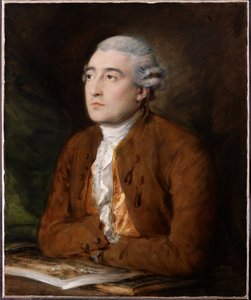
Philip James de Loutherbourg
1740 - 1812 , France
Quick Facts
- Artistic Movement Or Style: Romanticism
- Artists Or Movements Influenced By This Artist: ['Turner']
- Date Of Birth: 1740-10-31
- Date Of Death: 1812-03-11
- Full Name: Philip James de Loutherbourg
- Nationality: Franco-British
- Notable Artworks:
- Lord Howe's Action, or the Glorious First of June
- The Destruction of the Armada
- Coalbrookdale by Night
- Horseman and Cattle in a Thunderstorm
- Place Of Birth: Strasbourg, France

