 Preview
 Send
Send Share
Share
 Details

 Download
 Similars
 X-Ray
X-Ray Diaporama
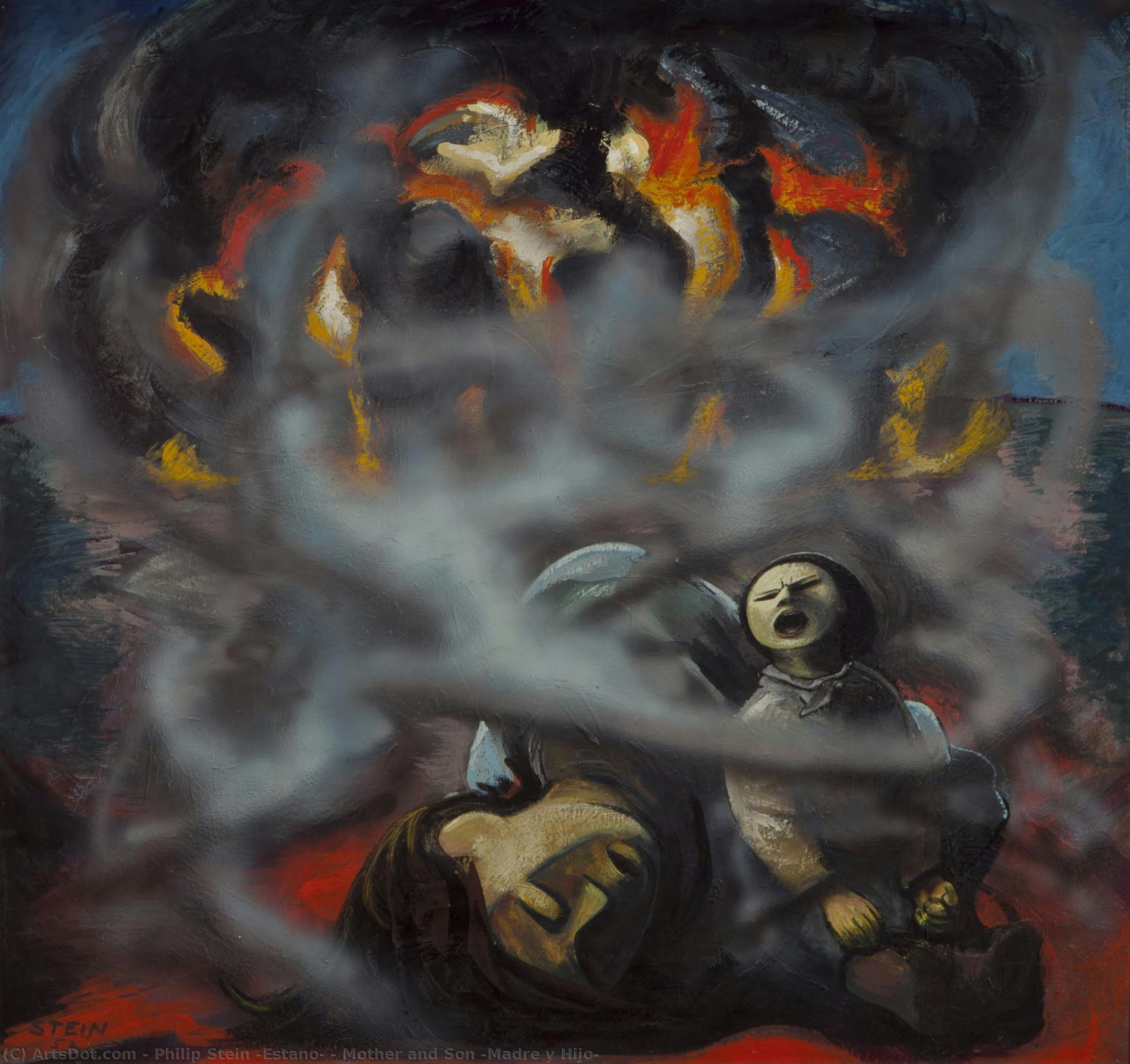
Mother and Son (Madre y Hijo)


 Read More
Giclée / Art Print
Museum-quality giclée or canvas print with fast production and flexible finish options. ( Buy Hand Made Painting Buy Image)




































Pick from our preset sizes that match the artwork's original proportions.

You may enter your own dimensions to fit a specific frame or space. If your selected size does not match the original image's proportions, we will either crop the artwork or extend the image with a mirrored or solid-fill edge. A digital mockup will be sent for your approval before production begins.
Please note that the on-screen preview does not reflect the actual cropping or extension. Only the mockup will accurately show the final composition.
While custom sizes are available, we recommend selecting a dimension from the predefined list to preserve the original proportions.
Worldwide Delivery () in 2 weeks instead of standard 4/5 weeks. (25 August)

Free Worldwide Express Shipping

High-Quality Linen Canvas

Full Shipping Insurance

Customs Tax Refund Guarantee

True Color Matching Guarantee

60-Day Return Policy (Defects Only)

100% Money-Back Guarantee

Bulk Discount Offer
 Glass option is only available in size under 110 CM

Mother and Son (Madre y Hijo)
Giclée / Art Print
Reproduction Size
-


Total Price
$ 63
Related Artworks





Artist Biography
Pierre-Auguste Renoir: A Celebration of Light and Life
Born in Limoges, France, in 1841, Pierre-Auguste Renoir emerged as one of the most pivotal figures in the Impressionist movement. His life was a testament to artistic dedication, marked by both personal challenges and an unwavering pursuit of capturing the ephemeral beauty of everyday moments. From humble beginnings, Renoir’s career blossomed through relentless experimentation with color, light, and brushwork, ultimately establishing him as a master of depicting human emotion and the joys of Parisian social life.
Renoir's early artistic training was somewhat unconventional. Initially apprenticed to Ernest Nouy, a lithographer, he quickly gravitated towards painting. However, his father, a porcelain manufacturer, initially discouraged his artistic ambitions, viewing it as an unsuitable profession for a young man of his social standing. It wasn’t until Renoir's older brother, Charles, encouraged him to pursue his passion that he began formal studies at the Académie Suisse in 1862. This institution provided a crucial foundation, exposing him to the burgeoning artistic circles and techniques of the time.
His early works, such as “The Meeting,” exhibited a darker, more academic style influenced by the Barbizon School. However, Renoir’s true breakthrough came with his involvement in the formation of the Société des Artistes Indépendants in 1874. This group, dedicated to rejecting the rigid conventions of the Salon and embracing innovative approaches, provided a fertile ground for experimentation and collaboration. It was within this environment that Renoir began to develop his signature Impressionistic style – characterized by loose brushstrokes, vibrant colors, and an emphasis on capturing fleeting moments of light and atmosphere.
The Rise of Impressionism: Color, Light, and the Parisian Scene
Renoir’s artistic evolution was inextricably linked to the rise of Impressionism. He embraced the movement's core tenets – a rejection of academic tradition, an interest in capturing the effects of light and atmosphere, and a focus on depicting modern life. Unlike some of his contemporaries who sought to portray grand historical or mythological subjects, Renoir turned his attention to the vibrant world of Parisian society.
His paintings frequently depicted scenes of leisure, entertainment, and social gatherings – balls, picnics, cafes, and dance halls. He skillfully captured the atmosphere of these events, conveying a sense of joy, movement, and intimacy. Works like “Bal au moulin de la Galette” (1876) are iconic examples of this approach, showcasing his ability to render dappled sunlight filtering through trees and the lively energy of a Parisian dance hall. The use of broken color and short brushstrokes creates an illusion of shimmering light and movement, drawing the viewer into the scene.
Renoir’s palette was particularly noteworthy. He favored bright, luminous colors – pinks, blues, greens, and yellows – often applied in pure, unmixed tones. This technique created a sense of vibrancy and immediacy, reflecting his fascination with capturing the fleeting effects of light. He meticulously studied the way light interacted with surfaces, experimenting with different brushstrokes to mimic the textures and reflections he observed in nature and urban environments.
Influences and Artistic Development
Renoir’s artistic development was shaped by a diverse range of influences. He admired the works of artists such as Eugène Boudin, who taught him about painting outdoors (“en plein air”), and Claude Monet, whose exploration of light and color profoundly impacted his own approach. He also drew inspiration from Japanese prints, particularly their use of flat planes of color and simplified forms.
As the years passed, Renoir’s style evolved subtly. In the 1880s, he began to incorporate elements of classical art into his work, influenced by his travels to Italy. His paintings became more polished and refined, with a greater emphasis on form and composition. However, he never abandoned his Impressionistic roots entirely, retaining his characteristic use of color and light.
During World War I, Renoir’s health declined, and he suffered from cataracts. Despite these challenges, he continued to paint until his death in 1919. His later works, though less vibrant than his earlier paintings, still reflected his remarkable talent and artistic vision.
Major Achievements and Legacy
Pierre-Auguste Renoir’s contributions to the art world are undeniable. He played a central role in shaping the Impressionist movement, demonstrating its potential for capturing modern life with sensitivity and innovation. His paintings continue to delight audiences today with their vibrant colors, joyful subjects, and evocative atmosphere.
Some of his most celebrated works include “Bal au moulin de la Galette,” “Luncheon of the Boating Party” (1880-82), “Dance at Le Côte des Dunes” (1876), and “Girl with a Parasol – Madame Monet and Her Son” (1875). These paintings, along with many others, are housed in major museums around the world, testament to Renoir’s enduring artistic legacy.
Renoir's influence extends far beyond Impressionism. His emphasis on capturing the beauty of everyday life and his innovative use of color and brushwork paved the way for subsequent generations of artists. He remains a beloved figure in the art world, celebrated for his ability to infuse his paintings with warmth, joy, and an appreciation for the simple pleasures of life.
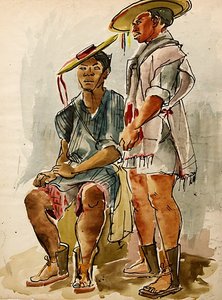
philip stein (estano)
1919 - 2009 , United States of America
Quick Facts
- Artistic Movement Or Style: Impressionism
- Artists Or Movements Influenced By This Artist:
- Post-Impressionism
- Modern Art
- Artists Who Influenced This Artist:
- Eugène Boudin
- Alfred Sisley
- Camille Pissarro
- Date Of Birth: February 25, 1841
- Date Of Death: November 30, 1919
- Full Name: Pierre-Auguste Renoir
- Nationality: French
- Notable Artworks:
- Dance at Le Moulin de la Galette
- Bal du moulin de la Galette
- Luncheon of the Boating Party
- Place Of Birth: Limoges, France