 Preview
 Send
Send Share
Share
 Details

 Download
 Similars
 X-Ray
X-Ray Diaporama
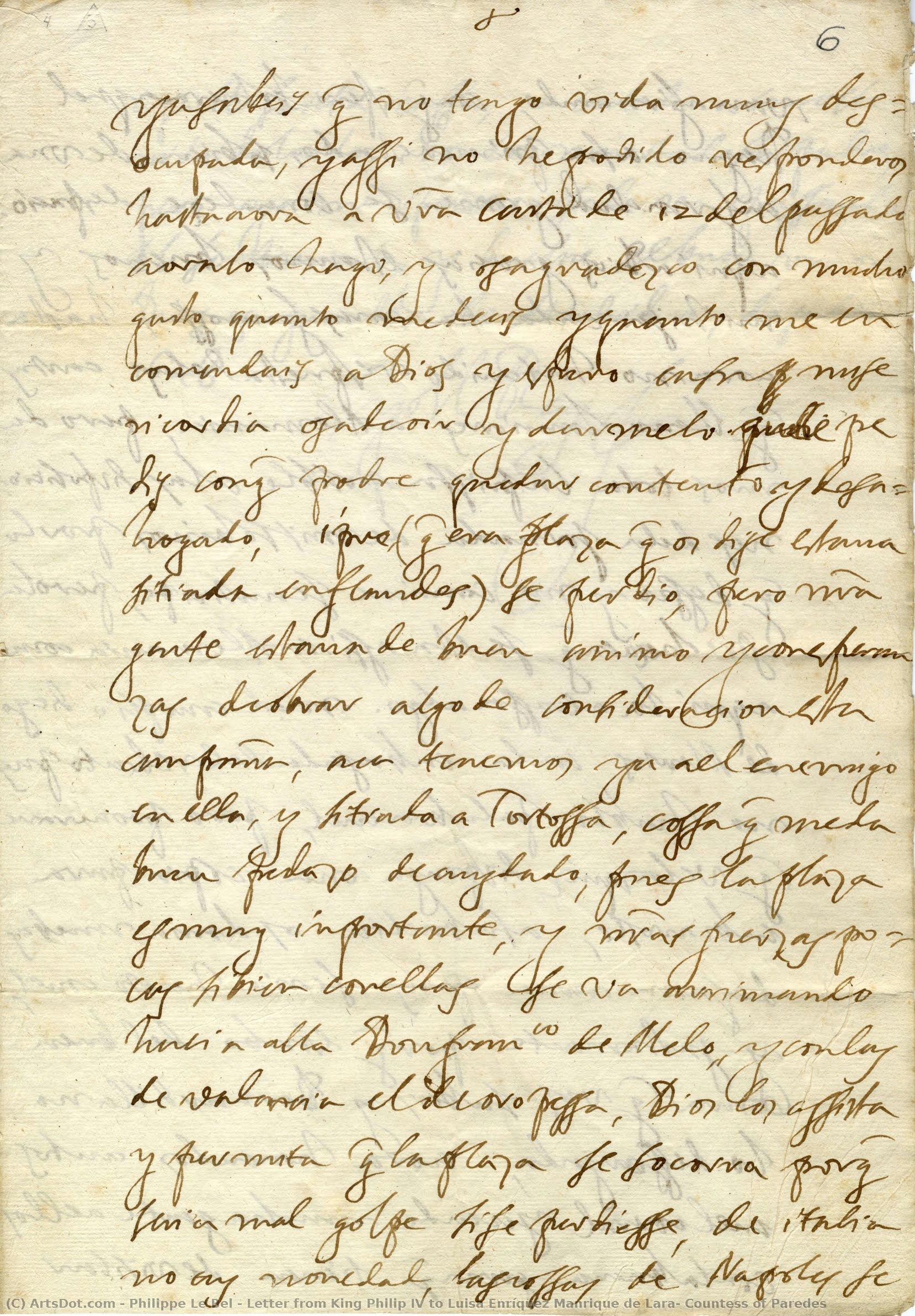
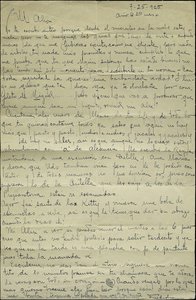
Letter from King Philip IV to Luisa Enríquez Manrique de Lara, Countess of Paredes
 Acrylic On Paper
- Baroque
 1648
1648- Early Modern
 31.0 x 21.0 cm
 Andalusian Archives
 Read More
Giclée / Art Print
Museum-quality giclée or canvas print with fast production and flexible finish options. ( Buy Hand Made Painting Buy Image)




P118B $10

P118H $10

P118W $10

P438Z $10

P508JH $12

P508YH $12

P805H $10

P805Z $10

P919BZ $10

P919G $10

P919XJ $10

P959ZH $10

P968JZ $12

W106C $8

W218G $10

W218JH $8

W218Y $10

W307PJ $10

W316G $10

W316PJ $8

W316Y $10

W398PJ $8

W4111J $10

W500HY $15

W500JH $15

W692G $12

W849H $8

W940BG $15

W953PJ $8




Pick from our preset sizes that match the artwork's original proportions.

You may enter your own dimensions to fit a specific frame or space. If your selected size does not match the original image's proportions, we will either crop the artwork or extend the image with a mirrored or solid-fill edge. A digital mockup will be sent for your approval before production begins.
Please note that the on-screen preview does not reflect the actual cropping or extension. Only the mockup will accurately show the final composition.
While custom sizes are available, we recommend selecting a dimension from the predefined list to preserve the original proportions.
Worldwide Delivery () in 2 weeks instead of standard 4/5 weeks. (27 August)

Free Worldwide Express Shipping

High-Quality Linen Canvas

Full Shipping Insurance

Customs Tax Refund Guarantee

True Color Matching Guarantee

60-Day Return Policy (Defects Only)

100% Money-Back Guarantee

Bulk Discount Offer
 Glass option is only available in size under 110 CM

Letter from King Philip IV to Luisa Enríquez Manrique de Lara, Countess of Paredes
Giclée / Art Print
Reproduction Size
-


Total Price
$ 63
A Window Into Royal Sentiment: Decoding Philip IV’s Letter to Luisa Enríquez
The artwork before us—a meticulously rendered facsimile of King Philip IV's handwritten correspondence with Luisa Enríquez Manrique de Lara, Countess of Paredes—offers more than just a glimpse into the personal life of two prominent figures during the tumultuous reign of the Habsburg monarch. It’s a microcosm of 17th-century Spain itself: grappling with military defeats, political intrigue, and shifting alliances amidst the backdrop of European power struggles. Produced in 1648, shortly after Yprés fell to the French army and Tortosa remained besieged—events that profoundly impacted Philip IV's morale—the letter transcends mere factual reporting; it embodies a poignant expression of royal vulnerability and unwavering hope.- Subject Matter: The correspondence delves into matters of considerable importance – military setbacks, diplomatic negotiations concerning Naples, and reflections on artistic endeavors. Notably, Philip IV recounts his admiration for Velázquez’s portraiture skills and expresses concern for the well-being of Juan Rana, a celebrated actor who held a special place in the King's affections. These details illuminate not only the daily concerns of the royal court but also reveal Philip IV’s humanist sensibilities and appreciation for cultural achievement.
- Style & Technique: Executed with remarkable precision on aged paper—a testament to the archival preservation efforts undertaken by the Andalusian Archives in Seville—the letter exemplifies the prevailing artistic style of the period. The handwriting itself is deliberately varied, suggesting multiple scribes or perhaps deliberate stylistic choices intended to convey different moods and perspectives. This attention to detail speaks volumes about the standards of craftsmanship prevalent during Philip IV’s reign.
- Historical Context: Understanding the significance of this letter requires appreciating the broader context of Spain under Philip IV. The Habsburg dynasty faced mounting challenges from Protestant rivals, particularly Louis XIV's France, and internal dissent fueled by religious tensions. Despite these difficulties, Philip IV maintained a steadfast belief in divine providence and sought solace in artistic pursuits—a reflection of the intellectual currents shaping European culture at the time.
- Symbolism & Emotion: Beyond its explicit content, the letter resonates with deeper symbolic meanings. The mention of Tortosa symbolizes Spain’s vulnerability to French aggression, while Velázquez's portrait represents an idealized vision of artistic excellence—a pursuit of beauty and harmony amidst chaos. Most powerfully, Philip IV’s heartfelt concern for Rana embodies a humanist impulse to recognize and celebrate human dignity, even in the face of adversity.
- Interior Design Considerations: For discerning collectors and interior designers, this reproduction offers an opportunity to introduce a piece of Spanish history into contemporary spaces. Its understated elegance—captured in the meticulous detail of the facsimile—harmonizes beautifully with minimalist palettes and creates a contemplative atmosphere reminiscent of royal courts. Consider framing it within a simple wooden frame to accentuate its textural qualities and evoke the grandeur of Philip IV’s era.
Related Artworks
Artist Biography
The Reign of Philippe le Bel: A King’s Shadow Over French Art
Philippe le Bel, or Philip IV as he is known to history, remains a figure shrouded in both power and paradox. Born in 1268 at the royal residence of Fontainebleau, his life unfolded during a period of immense transformation for France, a shift from medieval feudalism towards a more centralized state. While not an artist himself, Philippe’s influence on the artistic landscape of his time was profound, though often indirect. His reign, stretching from 1285 to 1314, wasn't marked by patronage in the traditional sense—he didn’t commission grand paintings or sculptures for personal glory. Instead, it was a period where the very foundations of French governance were being reshaped, and with them, the conditions that would nurture artistic development. The mystery surrounding his early years only adds to the enigmatic aura of this king, whose ambition and often ruthless pragmatism left an indelible mark on France. He ascended the throne amidst simmering tensions with England over territories in southwestern France, a conflict that would define much of his foreign policy. Simultaneously, he embarked on a deliberate strategy to curtail the power of both the nobility and the clergy, replacing their influence with a network of skilled civil servants loyal directly to the crown. This centralization of authority wasn’t merely political; it had economic ramifications, impacting the resources available for artistic endeavors and subtly shifting the focus of cultural production.A Kingdom Transformed: The Indirect Patronage of Art
Philippe le Bel's legacy isn’t etched in brushstrokes or sculpted forms but rather in the institutions he fostered—or allowed to flourish—during his reign. While not directly commissioning artworks, his policies created an environment where artistic centers could begin to take shape. Two prominent examples stand as testaments to this indirect patronage: the Musée Baron Gérard in Bayeux and the Musée Maurice Denis in Saint-Germain-en-Laye. The Musée Baron Gérard, established during this period, amassed a remarkable collection spanning from prehistoric artifacts to 20th-century masterpieces, reflecting the broadening cultural horizons of France. Similarly, the Musée Maurice Denis, though emerging later, benefited from the groundwork laid during Philippe’s era—a growing appreciation for artistic expression and a more structured approach to preserving cultural heritage. These museums weren't simply repositories of art; they were symbols of a nation consolidating its identity and asserting its place on the European stage. The king’s focus on strengthening royal authority inadvertently provided stability, allowing these institutions to develop and attract artists and collectors. It is important to note that during his reign, significant architectural projects also took place, such as the construction of the Tour Philippe le Bel in Villeneuve-lès-Avignon, a testament to his ambition and control over territory.Artists Emerging from the King’s Shadow
Though not directly linked by commission, several artists flourished during Philippe le Bel's reign, their works reflecting the evolving aesthetic sensibilities of the time. Claude Labrèche de Carpentras, for instance, is remembered for his exquisite painting *French Harpsichord*, a stunning example of French artistry that captures the elegance and refinement of the era. Marc Chagall, though centuries removed from Philippe’s time, represents a continuation of artistic exploration—his work *Study to ‘Song of Songs IV’* embodies a captivating blend of naiveté and spiritual depth. Camille Pissarro, with his impressionistic masterpiece *The Pont-Neuf*, demonstrates the shift towards capturing fleeting moments and atmospheric effects. Claude Monet's *Roses*, an ode to natural beauty rendered in oil paints, exemplifies the growing appreciation for color and light. And William Adolphe Bouguereau’s *Soul Carried to Heaven* showcases a masterful blend of neoclassical realism, reflecting the enduring influence of classical ideals. These artists, while not directly employed by the king, benefited from the relative stability and cultural ferment that characterized his reign. Their works stand as evidence of the artistic vitality simmering beneath the surface of a kingdom undergoing profound political change.A Lasting Legacy: Beyond Politics and Into Art History
Philippe le Bel’s impact on French history is undeniable. His efforts to consolidate royal power, though often controversial—particularly his suppression of the Knights Templar and conflicts with the papacy—laid the groundwork for a more unified and centralized France. While he may not be celebrated as a patron of the arts in the traditional sense, his reign created an environment where artistic expression could flourish. The development of institutions like the Musée Baron Gérard and the Musée Maurice Denis, coupled with the emergence of talented artists such as Labrèche de Carpentras, Chagall, Pissarro, Monet, and Bouguereau, demonstrates the enduring legacy of this complex and often misunderstood king. He reshaped France’s governance, leaving an imprint on its cultural landscape that continues to resonate today. Exploring the art of his era—and those who followed in its wake—offers a unique window into the world shaped by Philippe le Bel, a world where power, politics, and artistic innovation intertwined to forge a new chapter in French history. The echoes of his reign can still be felt within the walls of France’s great museums, inviting us to discover the wonders of European art and appreciate the subtle yet significant influence of a king who ruled with an iron hand but whose legacy extends far beyond the realm of politics.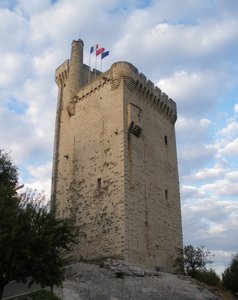
Philippe le Bel
1268 - 1314 , France
Quick Facts
- Artists Or Movements Influenced By This Artist:
- Claude Labrèche de Carpentras
- Marc Chagall
- Camille Pissarro
- Claude Monet
- Bouguereau
- Date Of Birth: 1268
- Date Of Death: 1314
- Full Name: Philippe le Bel
- Nationality: French
- Notable Artworks:
- Letter to Countess Luisa
- Palace Remains
- Philippe le Bel's Tower
- Place Of Birth: Fontainebleau, France
Related Articles

Giclée Prints: Archival Quality & Aesthetic Nuances for the Discerning Collector
Explore the world of giclée prints with ArtsDot. Learn about archival quality, aesthetic nuances & investment potential. Expert guidance for discerning art collectors seeking museum-quality reproductions and lasting value.

The Enduring Legacy of Fine Art Prints: Technique, History & Aesthetic Impact
Explore the rich history & techniques of fine art prints. Discover investment potential, assess authenticity, and learn how to preserve your collection with expert guidance. Trusted insights for discerning collectors.

Echoes of Time: Exploring the Enduring Appeal & Historical Context of Vintage Art Prints
Explore the captivating world of vintage art prints! Discover their history, collecting tips & enduring appeal. Expert insights on chromolithography and building a legacy collection with ArtsDot.
The Enduring Legacy of Printmaking: Techniques, Themes & Artistic Innovation Across Centuries
Explore the rich history of printmaking with ArtsDot. Discover techniques from intaglio to lithography, learn about collecting valuable prints & find museum-quality reproductions. Expert insights for art enthusiasts and collectors.
The Enduring Legacy of Woodblock Printmaking: Technique, History & Artistic Expression
Explore the rich history of woodblock printmaking – from ancient techniques to Ukiyo-e masterpieces. Discover expert insights on collecting, preserving & appreciating this enduring art form.