 Send
Send Share
Share
 Details

 Download
 Similars
 Diaporama
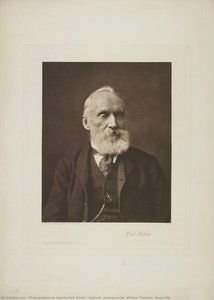
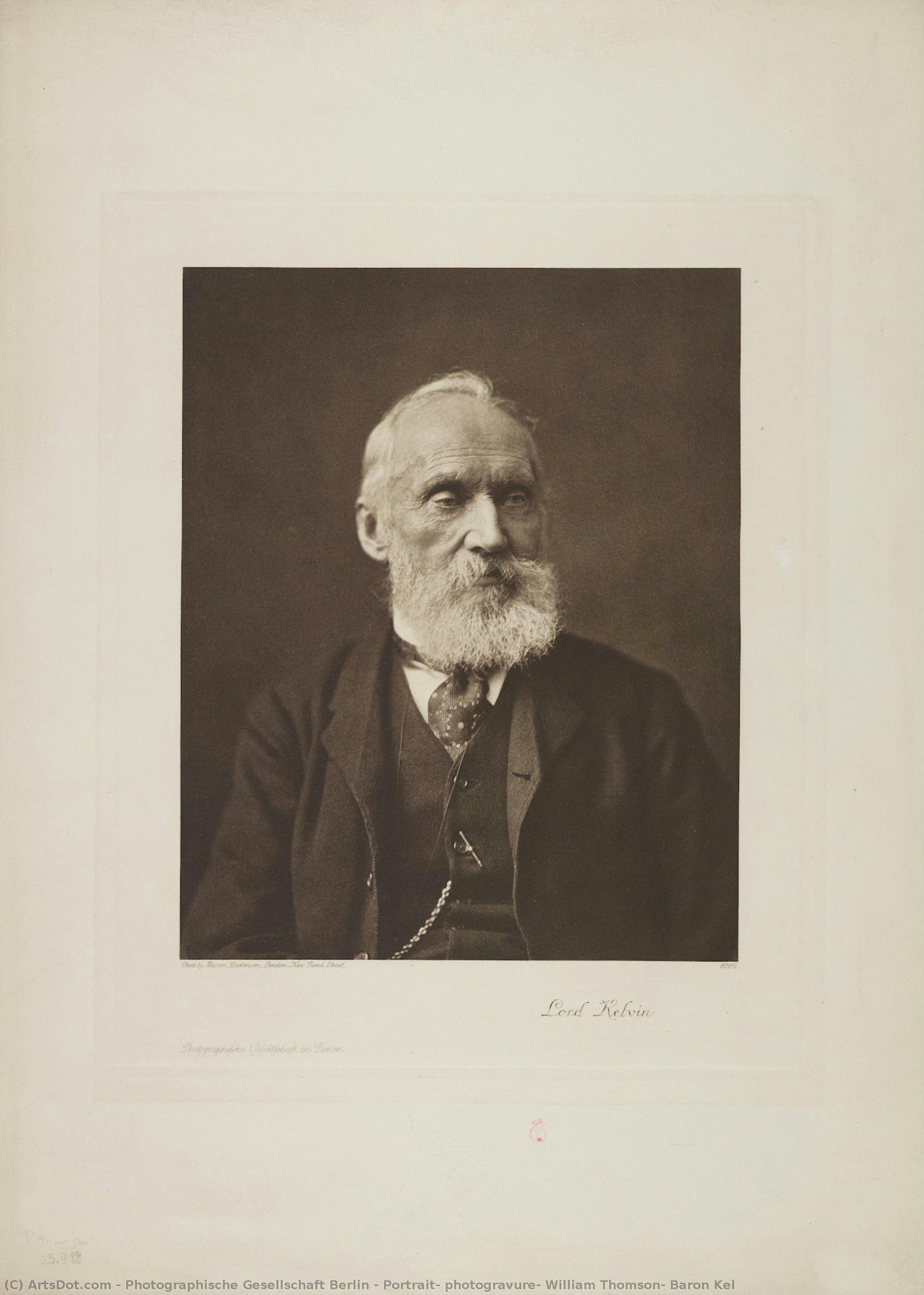
Portrait, photogravure, William Thomson, Baron Kel


 Read More
Hand Made Oil Reproduction
Hand-painted oil on canvas in your size and frame, made to order by our artists. ( Buy Print Buy Image)




































Pick from our preset sizes that match the artwork's original proportions.

You may enter your own dimensions to fit a specific frame or space. If your selected size does not match the original image's proportions, we will either crop the artwork or extend the painting with additional hand-painted elements. A digital mockup will be sent for your approval before production begins.
Please note that the on-screen preview does not reflect the actual cropping or extension. Only the mockup will accurately show the final composition.
While custom sizes are available, we recommend selecting a dimension from the predefined list to preserve the original proportions.
After order, ArtsDot.com team will email client for instructions and provide a mockup preview
Worldwide Delivery () in 3/4 weeks instead of standard 5 weeks. (2 September). No compromise on quality.

Free Worldwide Express Shipping

High-Quality Linen Canvas

Full Shipping Insurance

Customs Tax Refund Guarantee

True Color Matching Guarantee

60-Day Return Policy (Defects Only)

100% Money-Back Guarantee

Bulk Discount Offer
 Glass option is only available in size under 110 CM

Portrait, photogravure, William Thomson, Baron Kel
Reproduction Medium
Reproduction Size
-


Total Price
$ 263
A Window Into Victorian Intellect: The Portrait of William Thomson
The Photographische Gesellschaft Berlin’s output represents more than just photographic documentation; it embodies a fervent pursuit of elevating photography to the realm of fine art. This remarkable portrait, meticulously crafted in photogravure around 1919, offers a rare glimpse into the life and intellect of Sir William Thomson, later Baron Kelvin – a titan of Victorian science and engineering. The image transcends a simple likeness, becoming a carefully constructed tableau that speaks volumes about the era’s fascination with scientific progress, societal standing, and the burgeoning power of visual representation.
The photograph itself is a testament to the photogravure process—a technique demanding immense skill and patience. Unlike the immediate results achievable through albumen printing, photogravure involved creating a reversed image on a copper plate using a photographic negative, then meticulously etching it with acid. This painstaking method yielded astonishingly rich tonal gradations and unparalleled detail, capturing the subtle nuances of texture in Thomson’s suit, the weight of his gaze, and the dignified lines etched upon his face. The resulting print possesses an almost velvety quality, a tangible demonstration of the medium's capacity to reproduce photographic realism with exceptional depth and subtlety.
The Man Behind the Numbers: Contextualizing Thomson
William Thomson’s life was inextricably linked to the defining scientific advancements of his time. Known as “Lord Kelvin,” he made groundbreaking contributions to thermodynamics, electromagnetism, and naval engineering. He served as President of the Royal Society and held numerous prestigious positions, embodying the intellectual leadership of Victorian Britain. The photograph captures him not merely as a scientist, but as a symbol of national pride – a man who had shaped the technological landscape of his era. The backdrop, bearing his name, subtly reinforces this symbolic weight, positioning him within the hallowed halls of scientific achievement.
Furthermore, the portrait reflects the broader cultural anxieties and aspirations of the period. The late 19th and early 20th centuries witnessed a growing belief in science as the key to unlocking progress and solving humanity’s problems. Thomson, representing this ethos, embodies the Victorian ideal of the rational, objective mind – a figure whose intellect was believed to hold the answers to complex challenges. The formality of his attire and pose speaks to the importance placed on decorum and respectability within scientific circles.
Symbolism in Detail: A Study in Restraint
Beyond its technical brilliance, the portrait is rich with subtle symbolic details. Thomson’s serious expression conveys a sense of profound contemplation – an intellectual engagement that demands careful observation. The dark suit, impeccably tailored, signifies his status and authority, while the tie, neatly knotted, suggests order and discipline. The lighting, carefully controlled to minimize glare and highlight key features, directs the viewer's attention to Thomson’s face, emphasizing his intelligence and gravitas.
Notably, the photograph eschews overt displays of emotion or personality. This deliberate restraint is characteristic of portraiture during this period, reflecting a belief that true character could be revealed through actions and achievements rather than outward expressions. The composition itself—a straightforward frontal view—further reinforces this sense of objectivity, presenting Thomson as an exemplar of rational thought and scientific rigor.
A Legacy in Print: Reproduction and Artistic Resonance
The Photographische Gesellschaft Berlin’s photogravures remain highly prized today not only for their technical mastery but also for their evocative power. Reproductions of this portrait offer a unique opportunity to experience the beauty and sophistication of early photographic art, transporting viewers back to a pivotal moment in the history of visual culture. Whether displayed in a private collection or incorporated into an interior design scheme, this image serves as a potent reminder of Victorian intellectualism, scientific innovation, and the enduring legacy of one of Britain’s greatest minds.
Related Artworks
Artist Biography
The Pioneering Vision of the Photographische Gesellschaft Berlin
In the burgeoning landscape of 19th-century photography, a collective spirit took root in Berlin that would profoundly shape the medium’s trajectory – the Photographische Gesellschaft Berlin. Founded in 1862, this wasn't merely a society of photographers; it was an incubator of innovation, a crucible where artistic ambition met technological advancement. Emerging at a time when photography was striving to establish itself as more than just a mechanical reproduction of reality, the Gesellschaft played a pivotal role in elevating it to the status of a recognized art form and a burgeoning commercial enterprise. The story of this organization is inextricably linked to the broader narrative of photographic history, reflecting the rapid evolution of techniques and aesthetics during a period of intense experimentation.Forging New Paths: Technology and Artistic Exploration
The Photographische Gesellschaft Berlin distinguished itself from its contemporaries through a dual commitment to artistic expression and technical mastery. While many early photographic societies focused primarily on one or the other, this group actively pursued both avenues simultaneously. They weren’t content simply to capture images; they sought to refine the processes that made those images possible. This dedication led to significant contributions in the development of photographic technologies, particularly in the realm of photogravure – a sophisticated etching process allowing for incredibly detailed and tonally rich reproductions. This technique became something of a hallmark for the Gesellschaft, enabling them to produce prints of exceptional quality and nuance. The pursuit of technical excellence wasn’t an end in itself, however; it was always viewed as a means to enhance artistic possibilities. The society fostered a vibrant environment where photographers could experiment with different approaches, pushing creative boundaries and exploring the unique aesthetic qualities inherent in the medium. This spirit of innovation attracted talented individuals, including the notable figure of Heinrich Zille, who served as a technician for the organization from 1877 to 1907. His contributions were instrumental in maintaining the Gesellschaft’s technical prowess and his own work mirrored the evolving photographic landscape of Berlin.A Legacy Etched in Portraits and Publications
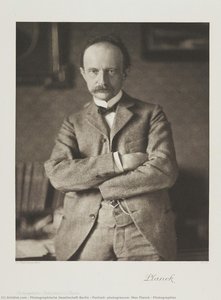
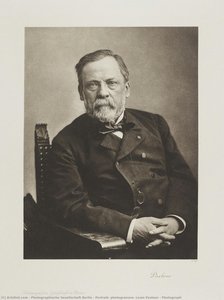
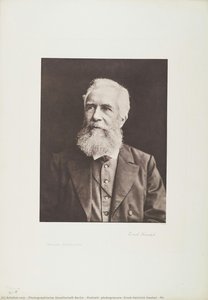
The Photographische Gesellschaft Berlin's artistic output was remarkably diverse, but they became particularly renowned for their portrait photogravures. These weren’t simply likenesses; they were carefully crafted representations of prominent figures from the scientific, intellectual, and cultural spheres. Portraits of luminaries such as Max Planck, William Thomson (Baron Kelvin), Ernst Heinrich Haeckel, Wilhelm Konrad Röntgen, Dmitri Mendeleev, and Gustav Theodor Fechner stand as testaments to the society’s skill in capturing not only physical appearance but also a sense of personality and intellectual gravitas. These portraits weren't merely exercises in technical proficiency; they were statements about the value of knowledge and achievement, reflecting the Gesellschaft’s commitment to celebrating human intellect. Beyond individual works, the society actively disseminated its expertise through catalogues and exhibitions. Publications like “Catalogue of an Exhibition of Contemporary German Graphic Art” and “A Selection of the publications of the Berlin Photographic Co.” served as vital platforms for showcasing their work and promoting photography as a legitimate art form to a wider audience.Enduring Influence and Historical Significance
Though the Photographische Gesellschaft Berlin dissolved in 1927, its impact continues to resonate today. The society’s influence extended far beyond its own lifespan, inspiring generations of photographers who carried forward its traditions of artistic excellence and technical innovation. Its work can be found in numerous museums and galleries worldwide, including the Kunstsammlungen und Museen Augsburg, serving as a tangible link to a pivotal moment in photographic history. The Gesellschaft’s legacy lies not only in the beautiful prints it produced, but also in its role in fundamentally changing perceptions of photography. By demonstrating the medium's capacity for artistic expression and commercial viability, they helped pave the way for its widespread acceptance and enduring popularity. The organization stands as a powerful example of how collaboration, innovation, and dedication can converge to shape an art form and leave an indelible mark on cultural history. The spirit of inquiry and artistic ambition that defined the Photographische Gesellschaft Berlin continues to inspire photographers and art enthusiasts alike, reminding us of the transformative power of this remarkable medium.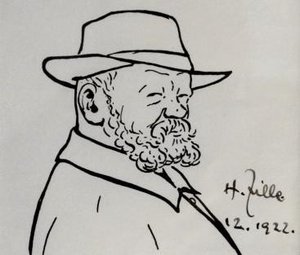
Photographische Gesellschaft Berlin
1862 - 1927 , Germany
Quick Facts
- Artistic Movement Or Style: Photographic Art
- Artists Or Movements Influenced By This Artist: ['Subsequent photographers']
- Date Of Birth: 1862
- Date Of Death: 1927
- Full Name: Photographische Gesellschaft Berlin
- Nationality: German
- Notable Artworks:
- Paracelsus portrait
- Pasteur portrait
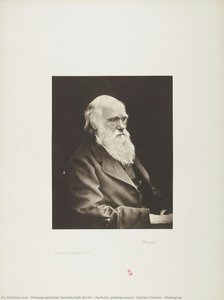
- Darwin portrait
- Place Of Birth: Berlin, Germany
Related Articles

Beyond the Lens: Photography's Enduring Influence on Modern & Contemporary Art
Explore photography's pivotal role in shaping modern & contemporary art. Discover key movements, influential artists like Stieglitz, and expert collecting advice from ArtsDot.

Monochrome Visions: Exploring the Aesthetic & Historical Significance of Black & White Photography
Explore the rich history & artistic power of black and white photography. From early techniques to iconic masters like Ansel Adams, discover why monochrome continues to captivate art lovers today. Expert insights for collectors.

Pictorialism: A Search for Artistic Photography's Soul – Aesthetics, Techniques & Legacy
Explore the captivating world of Pictorialism – a pivotal movement that transformed photography into fine art. Discover key artists like Stieglitz & Käsebier, techniques, and collecting tips from experts.
Witnessing History Through Lens & Light: Documentary Photography's Enduring Legacy
Explore the powerful history of documentary photography – from its origins to contemporary masters like Gordon Parks & W. Eugene Smith. Discover how this art form shapes our understanding of society and witness pivotal moments in time.
Staatliche Museen Berlin: 25 Masterpieces for Your Home | ArtsDot
Journey through 25 iconic artworks at Staatliche Museen Berlin! Explore Nefertiti, Pergamon Altar & masterpieces of German art history. Find museum-quality reproductions & curated decor ideas to bring timeless beauty home. Discover all masterpieces on ArtsDot.com.