

 Preview
 Send
Send Share
Share
 Details

 Download
 Similars
 X-Ray
X-Ray Diaporama
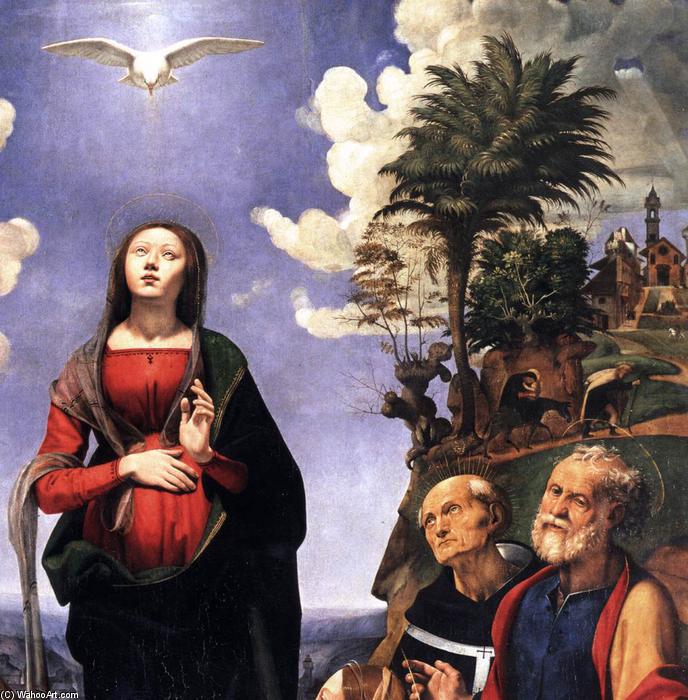
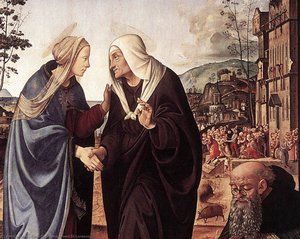
Incarnation of Jesus (detail)


 Read More
Purchase a high-resolution, enhanced digital image, far superior to the online preview.
Each file is meticulously prepared by our in-house specialists using advanced tools and expert manual retouching. We ensure every image has exceptional clarity, precise color accuracy, and fine detail.
The final file is delivered via email within 72 hours, optimized for immediate use in professional, editorial, and print environments. This is the same quality trusted by top-tier design studios, publishers, and galleries.
Digital Image
Download a high-resolution file for personal display, printing, and creative projects. ( Buy Print Buy Hand Made Painting)
Included in Every Digital Image Order
Expert Digital Delivery, Guaranteed
When you choose ArtsDot.com, you're not just getting an image - you're receiving a professionally enhanced digital artwork, crafted with precision and backed by a satisfaction guarantee. Here's everything that comes with your order, automatically:

Fast Email Delivery
Your high-resolution digital image file will be emailed to you within 72 hours of ordering - ready for immediate use.

AI-Enhanced Digital File
Your artwork is professionally optimized using advanced AI tools and manual editing, ensuring maximum detail, clarity, and color accuracy.

Free Lifetime Re-Delivery
Accidentally deleted or lost your file? No worries - we'll resend it to you anytime, free of charge.

No Import Fees - Ever
Enjoy your artwork instantly with zero customs, duties, or delivery fees - digital downloads are always tax-free.

Color Accuracy Guarantee
We ensure your digital image reflects the original colors as closely as possible using professional tools and color management.

60-Day Satisfaction Guarantee
If you're not satisfied with your digital image, we'll revise it or refund 100% within 60 days - no questions asked.

100% Money-Back Guarantee
Not satisfied? Get a full refund within 60 days of receiving your digital file - no questions asked.

Bulk Order Discounts
Buy 3 images, save 10% - Buy 5, save 15% - Buy 10+, save 20%. Great for creative projects, galleries, and agencies.
The Enfolding Mystery: Piero di Cosimo’s “Incarnation of Jesus” (Detail)
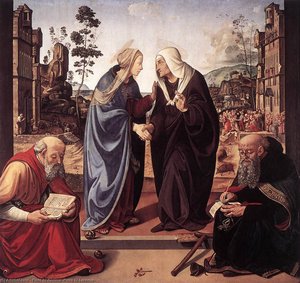
Piero di Cosimo’s “Incarnation of Jesus,” a captivating detail from the original painting housed in the Uffizi Gallery, Florence, offers a profound glimpse into the burgeoning artistic and intellectual currents of 16th-century Italy. More than simply a depiction of a pivotal religious event, this work embodies a unique synthesis of Renaissance realism, fantastical imagination, and deeply considered symbolism – a hallmark of Cosimo’s distinctive style. The image captures a moment pregnant with spiritual significance, inviting the viewer to contemplate the divine mystery at its heart.
The focal point is undoubtedly Mary, rendered in rich crimson robes that immediately draw the eye. Her posture—hands clasped in prayer or deep contemplation—evokes a sense of humility and reverence. Above her head floats a radiant white dove, an unmistakable symbol of the Holy Spirit, frequently employed in Christian iconography to represent divine grace and illumination. This visual element elevates the scene beyond a mere earthly portrayal, suggesting a transcendent encounter.
A Scholarly Chorus: Interpreting the Figures
Flanking Mary are two figures who add layers of intellectual and philosophical depth to the composition. These men, likely representing scholars or philosophers, are dressed in robes indicative of their learned status – long sleeves, flowing garments, and subtle embellishments all contribute to this impression. The man on the left, distinguished by his baldness and beard, gazes intently forward, while the one on the right, with his flowing hair and full beard, holds a book, suggesting an active engagement in contemplation or debate. Their presence isn’t merely decorative; they represent the human intellect grappling with the profound implications of the Incarnation – a dialogue between faith and reason.
The inclusion of these figures speaks to the humanist ideals prevalent during this period, where classical learning was being re-examined alongside religious belief. Cosimo masterfully integrated these elements, creating a scene that transcends simple narrative and invites viewers to ponder the relationship between earthly wisdom and divine revelation. It’s worth noting that Piero di Cosimo's artistic lineage can be traced back to Andrea del Verrocchio, a pivotal figure in Florentine art who himself was influenced by the humanist movement.
Renaissance Landscape and Symbolic Echoes
The background landscape, dominated by palm trees and a distant European village nestled beneath a dramatic sky, establishes a setting evocative of the East – a deliberate choice that alludes to the biblical accounts of Jesus’ birth in Bethlehem. The presence of palm trees is not merely geographical; they are potent symbols of paradise and eternal life, reinforcing the painting's overarching theme of redemption and divine grace. The village itself, with its pitched roofs and chimneys, grounds the scene in a recognizable European reality, providing a visual anchor for the fantastical elements.
The cloudy sky adds to the dramatic intensity of the composition, creating an atmosphere of solemn reverence and spiritual anticipation. Cosimo’s masterful use of light – particularly the soft illumination highlighting Mary and the dove – directs the viewer's attention to the central figures and reinforces their importance within the narrative. This careful orchestration of visual elements demonstrates a sophisticated understanding of artistic technique and its ability to convey profound meaning.
A Window into a Renaissance Mind
“Incarnation of Jesus” is more than just a beautiful painting; it’s a window into the complex intellectual and spiritual landscape of 16th-century Florence. Piero di Cosimo's ability to seamlessly blend realistic detail with imaginative symbolism reflects the era’s fascination with both classical antiquity and Christian theology. The work stands as a testament to his artistic genius, offering viewers an opportunity to engage with a timeless narrative of faith, humanity, and divine mystery. ArtsDot offers meticulously crafted reproductions that allow you to experience the beauty and depth of this extraordinary masterpiece in your own space.
Related Artworks

Artist Biography
Piero di Cosimo (1462-1522): Bridging Fantasy and Realism in Florentine Renaissance Painting
Piero di Cosimo, born Piero di Lorenzo Battista around 1462 in Florence, Italy, stands as a singular figure within the vibrant tapestry of the Florentine Renaissance. Unlike many of his contemporaries who adhered rigidly to classical ideals, Cosimo possessed an imaginative spirit that infused his artwork with fantastical elements alongside meticulous observation of nature—a distinctive blend that cemented his reputation as one of the era’s most innovative painters. His artistic journey unfolded against a backdrop of burgeoning humanist thought and artistic experimentation, mirroring the broader cultural transformations reshaping Europe during this period.- Early Life & Training: Precise biographical details surrounding Cosimo's formative years remain elusive, primarily relying on fragmentary references in Vasari’s Lives of Artists. He apprenticed under Andrea del Verrocchio, a renowned sculptor and painter whose workshop served as a crucible for artistic talent. This association exposed Cosimo to the techniques of fresco painting and sculpture, shaping his foundational skillset.
- Influences & Artistic Style: Cosimo’s style was profoundly impacted by Botticelli and Giovanni Battista Van Eyck—artists who championed both beauty and psychological depth. Botticelli's graceful lines and ethereal figures instilled in Cosimo a penchant for elegance and idealized representation, while Van Eyck’s mastery of oil paint encouraged him to explore nuanced tonal gradations and textural richness. These influences combined to produce an artistic idiom characterized by luminous colors, delicate brushwork, and a captivating fusion of mythological narratives with realistic landscapes.
Notable Works & Artistic Achievements
Cosimo’s oeuvre comprises a remarkable collection of paintings that showcase his exceptional talent and imaginative vision. Among his most celebrated creations are “Vulcan and Aeolus,” a monumental circular oil painting depicting the mythological confrontation between Zeus's son and Poseidon—a testament to Cosimo’s ability to convey dramatic emotion within a carefully constructed composition. Similarly, "Madonna and Sleeping Christ Child with the Infant St John the Baptist" exemplifies his meticulous attention to detail and profound understanding of religious iconography. Furthermore, “Adoration of the Child,” another circular masterpiece, embodies the serene beauty and spiritual contemplation characteristic of Early Renaissance art.Legacy & Historical Significance
Piero di Cosimo’s contribution to Florentine painting transcends mere stylistic innovation; he represents a pivotal moment in artistic history. By rejecting the constraints of strict academic convention and embracing imaginative storytelling alongside realistic depiction, Cosimo paved the way for subsequent generations of artists—including Raphael and Michelangelo—to explore new expressive possibilities. His work continues to inspire admiration for its harmonious blend of fantasy and realism, securing his place as an enduring symbol of Renaissance creativity and artistic genius. He is remembered not only for his individual masterpieces but also for shaping the broader trajectory of European art.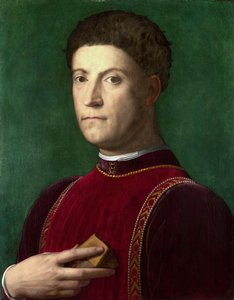
piero di cosimo (piero di lorenzo)
1462 - 1522 , Italy
Quick Facts
- Artistic Movement Or Style: Renaissance art
- Artists Who Influenced This Artist:
- Botticelli
- van der Goes
- Date Of Birth: 1462
- Full Name: Piero di Lorenzo
- Nationality: Italian
- Notable Artworks:
- Vulcan and Aeolus
- Madonna and Sleeping Christ Child with the Infant St John the Baptist
- Adoration of the Child
- Place Of Birth: Florence, Italy

