 Preview
 Send
Send Share
Share
 Details

 Download
 Similars
 X-Ray
X-Ray Diaporama
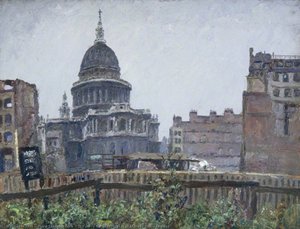
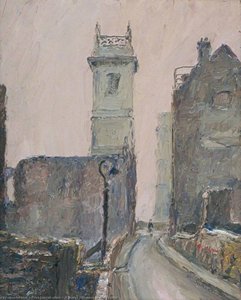
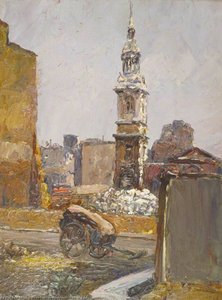
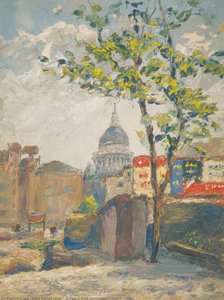
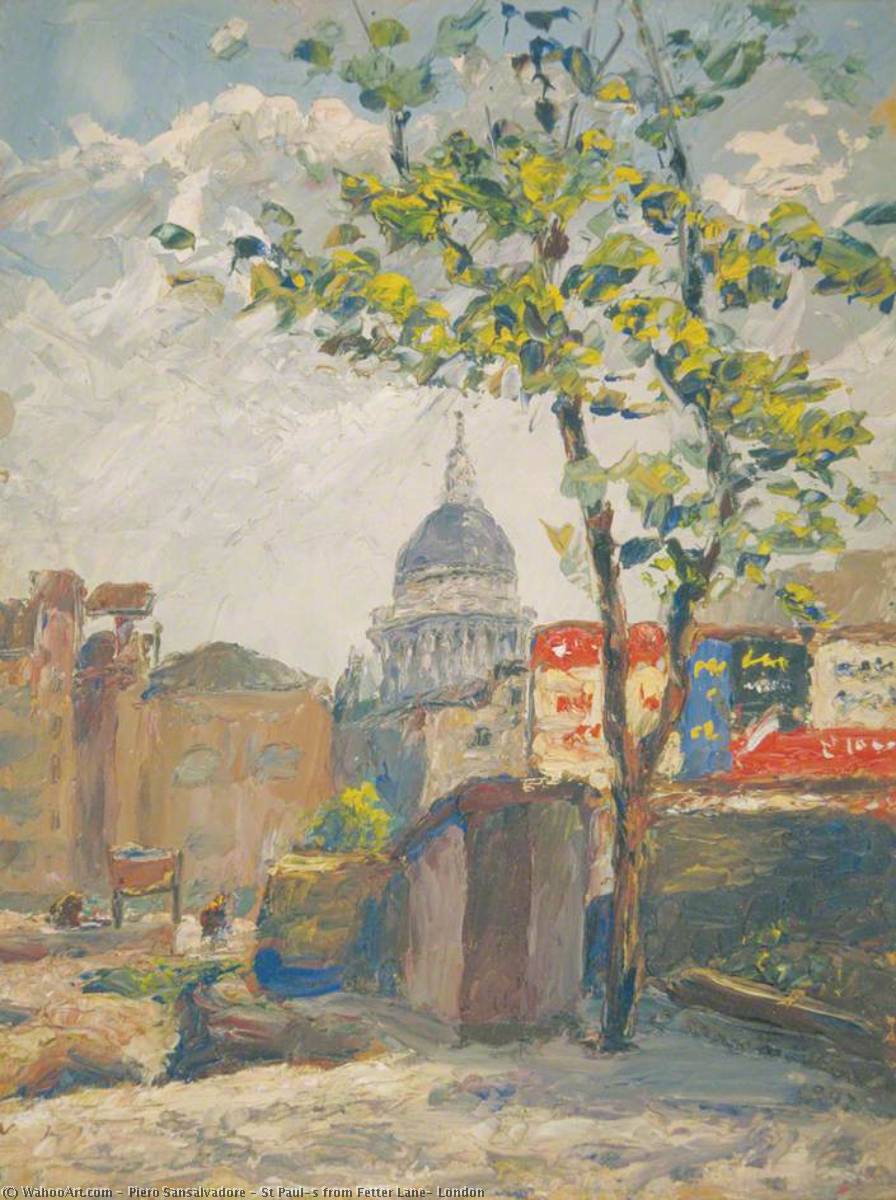
St Paul's from Fetter Lane, London
 Impressionism
 1947
1947 23.0 x 18.0 cm
 Guildhall Art Gallery
 Read More
Hand Made Oil Reproduction
Hand-painted oil on canvas in your size and frame, made to order by our artists. ( Buy Print Buy Image)




































Pick from our preset sizes that match the artwork's original proportions.

You may enter your own dimensions to fit a specific frame or space. If your selected size does not match the original image's proportions, we will either crop the artwork or extend the painting with additional hand-painted elements. A digital mockup will be sent for your approval before production begins.
Please note that the on-screen preview does not reflect the actual cropping or extension. Only the mockup will accurately show the final composition.
While custom sizes are available, we recommend selecting a dimension from the predefined list to preserve the original proportions.
After order, ArtsDot.com team will email client for instructions and provide a mockup preview
Worldwide Delivery () in 3/4 weeks instead of standard 5 weeks. (26 August). No compromise on quality.

Free Worldwide Express Shipping

High-Quality Linen Canvas

Full Shipping Insurance

Customs Tax Refund Guarantee

True Color Matching Guarantee

60-Day Return Policy (Defects Only)

100% Money-Back Guarantee

Bulk Discount Offer
 Glass option is only available in size under 110 CM

St Paul's from Fetter Lane, London
Reproduction Medium
Reproduction Size
-


Total Price
$ 263
Related Artworks
Artist Biography
The Melodic Canvas of Piero Sansalvadore
Piero Sansalvadore was a rare polymath whose creative spirit refused to be confined by a single medium. Born in Turin, Italy, on April 7, 1892, his life was a tapestry woven from the delicate strings of a violin and the rugged textures of oil paint. While he is often remembered as an Italian-born musician and writer who eventually embraced British citizenship, his true essence lay in the intersection of sound and sight. His early years were defined by musical discipline; having mastered the violin by age seven, he began composing complex works for violin and piano by the time he was seventeen. This deep-seated understanding of harmony and rhythm would later become the silent conductor of his visual artistry, lending a rhythmic vitality to every brushstroke he placed upon a panel.
The trajectory of Sansalvadore’s life was irrevocably altered by the shadows of the First World War. Having served in the conflict, he emerged with physical injuries to his head and legs, and a profound psychological struggle. It was during his recovery from a nervous breakdown that he discovered painting—a vocation that would provide a silent sanctuary for his turbulent emotions. Moving his studio from Turin to Venice in 1928, and later finding himself drawn to the vibrant energy of London in 1930, Sansalvadore began to develop a visual language that was as much about feeling as it was about form. His arrival in England marked the beginning of a transformative period where his European sensibilities met the atmospheric landscapes of the British Isles.
A Symphony of Texture and Light
Sansalvadore’s technical evolution is perhaps most striking in his departure from traditional canvas toward more intimate, tactile surfaces. He developed a distinctive method of applying paint directly onto small panels of bare wood using a palette knife. This technique allowed him to achieve a sculptural depth, creating an impasto that mirrored the physical resilience of the landscapes he sought to capture. His work often felt less like a window and able to be touched, with layers of pigment building up to create a luminous, rugged terrain. This approach drew inspiration from the Impressionist masters, yet Sansalvadore infused his work with a unique, melancholic soul that was distinctly his own.
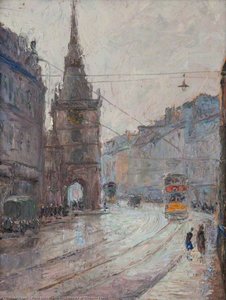
Between 1930 and 1933, the artist found profound inspiration in the dramatic vistas of Scotland. The misty lochs and the somber grandeur of Glencoe became central themes in his repertoire. His paintings from this era, such as the evocative Trongate at Glasgow Cross, demonstrate a masterful use of muted colors and rich textures to depict the rainy, atmospheric streets of Glasgow. Whether he was capturing the iconic silhouette of St. Paul’s Cathedral from Fetter Lane or the quiet solitude of a Scottish glen, his work remained anchored in an emotional truth—a sense of connection to the natural world that resonated with the same intensity as his musical compositions.
Legacy and Artistic Significance
The significance of Piero Sansalvadore lies in his ability to bridge disparate worlds. He was an artist who could translate the ephemeral beauty of light into a physical, wooden relief, and the fleeting notes of a guitar melody into a lasting visual legacy. His exhibitions at prestigious venues such as the Royal Academy, the Fine Art Society, and the Walker Gallery cemented his reputation within the British art scene, while his etchings were celebrated in publications like Fine Prints of the Year.
Though his life ended in Turin in 1955, the echoes of his creative journey continue to resonate through the collections of institutions like the Tate and Art UK. He remains a poignant figure in early 20th-century art—a man who transformed personal hardship into a profound exploration of beauty, texture, and the enduring spirit of the landscapes he loved. His work stands as a testament to the idea that art is not merely a representation of life, but a rhythmic, textured response to the very soul of existence.
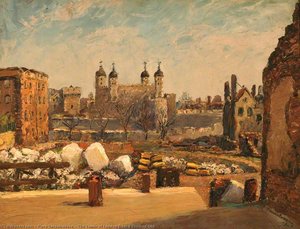
piero sansalvadore
1892 - 1955
Quick Facts
- Artistic Movement Or Style: Wood panel painting
- Artists Or Movements Influenced By This Artist: ['BBC']
- Artists Who Influenced This Artist: ['']
- Date Of Birth: 1892
- Date Of Death: 1955
- Full Name: Piero Sansalvadore
- Nationality: Italian
- Notable Artworks: ['The Scottish Landscape']
- Place Of Birth: Italy
Related Articles
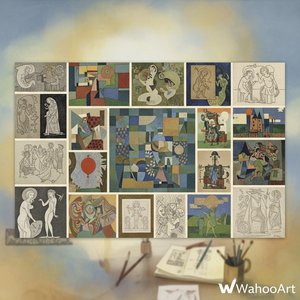
Paul Klee's Masterpieces: Explore 25 Iconic Paintings & Prints | ArtsDot
Journey through Paul Klee's 25 most iconic paintings & prints. Explore his abstract style, Bauhaus influence, and vibrant color palettes. Find museum-quality art reproductions & decor ideas at ArtsDot.com. Discover all masterpieces online.

Cézanne's Masterpieces: 25 Iconic Artworks to Transform Your Space
Journey through 25 iconic artworks by Paul Cézanne – a master of Impressionism and Post-Impressionism. Explore his landscapes, still lifes, and the stories behind these timeless masterpieces. Discover museum-quality reproductions & curated decor at ArtsDot.com.
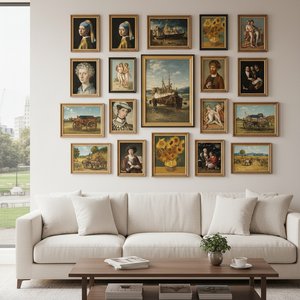
National Gallery London's Masterpieces: 25 Iconic Paintings for Your Home Decor
Journey through the National Gallery London's 25 most iconic paintings! Explore Van Gogh, Monet, Rembrandt & more. Discover art history, techniques & find museum-quality reproductions for your home decor on ArtsDot.com.
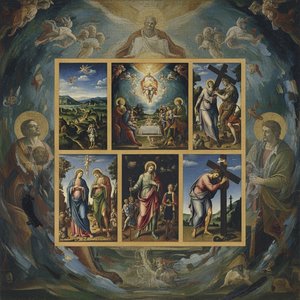
El Greco's Masterpieces: Explore 25 Iconic Paintings & Spiritual Visions | ArtsDot
Journey through El Greco's 25 most iconic paintings! Explore the spiritual depth & dramatic beauty of this Spanish Renaissance master. Discover art history, techniques & find museum-quality reproductions for your home at ArtsDot.com.
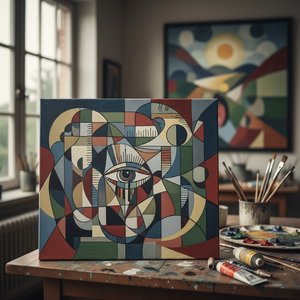
Paul Klee: A Poetics of Form and Color – Exploring the Inner Landscape of a Modern Master
Explore the captivating world of Paul Klee! Discover his innovative art, Bauhaus influence, & unique symbolic language. Expert analysis & high-quality reproductions at ArtsDot.