 Preview
 Send
Send Share
Share
 Details

 Download
 Similars
 X-Ray
X-Ray Diaporama
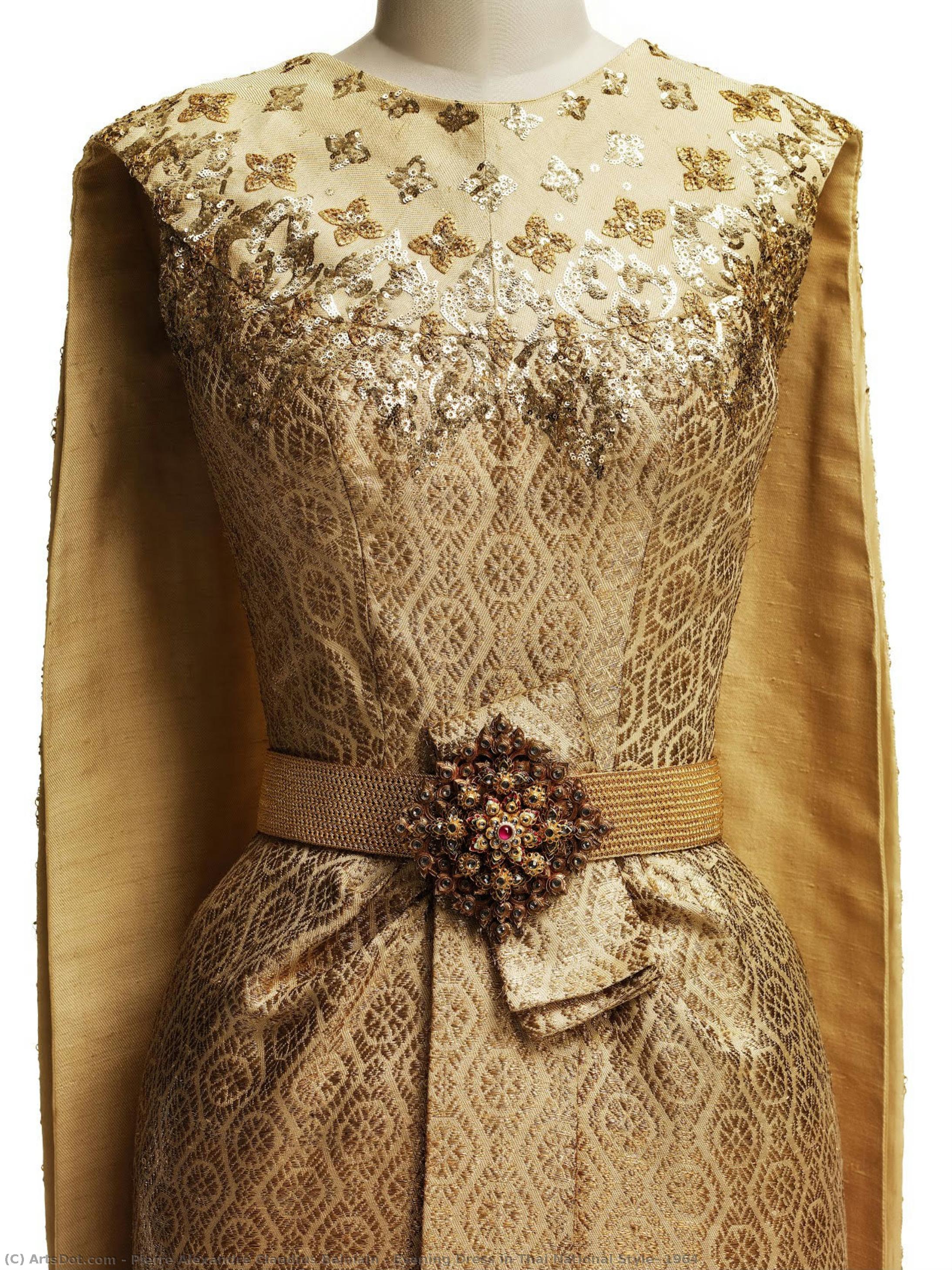
Evening Dress in Thai National Style, 1964


 Read More
Giclée / Art Print
Museum-quality giclée or canvas print with fast production and flexible finish options. ( Buy Hand Made Painting Buy Image)




P118B $10

P118H $10

P118W $10

P438Z $10

P508JH $12

P508YH $12

P805H $10

P805Z $10

P919BZ $10

P919G $10

P919XJ $10

P959ZH $10

P968JZ $12

W106C $8

W218G $10

W218JH $8

W218Y $10

W307PJ $10

W316G $10

W316PJ $8

W316Y $10

W398PJ $8

W4111J $10

W500HY $15

W500JH $15

W692G $12

W849H $8

W940BG $15

W953PJ $8




Pick from our preset sizes that match the artwork's original proportions.

You may enter your own dimensions to fit a specific frame or space. If your selected size does not match the original image's proportions, we will either crop the artwork or extend the image with a mirrored or solid-fill edge. A digital mockup will be sent for your approval before production begins.
Please note that the on-screen preview does not reflect the actual cropping or extension. Only the mockup will accurately show the final composition.
While custom sizes are available, we recommend selecting a dimension from the predefined list to preserve the original proportions.
Worldwide Delivery () in 2 weeks instead of standard 4/5 weeks. (24 August)

Free Worldwide Express Shipping

High-Quality Linen Canvas

Full Shipping Insurance

Customs Tax Refund Guarantee

True Color Matching Guarantee

60-Day Return Policy (Defects Only)

100% Money-Back Guarantee

Bulk Discount Offer
 Glass option is only available in size under 110 CM

Evening Dress in Thai National Style, 1964
Giclée / Art Print
Reproduction Size
-


Total Price
$ 63
Collectible Description
A Symphony of Silk and Sovereignty
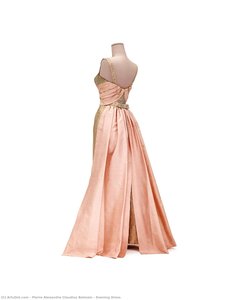
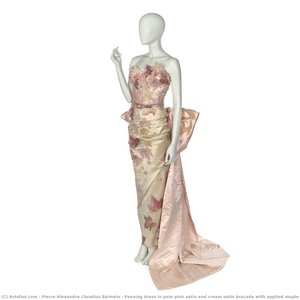
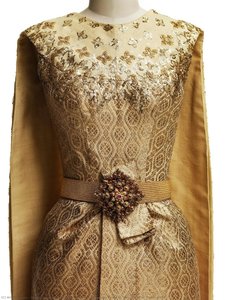
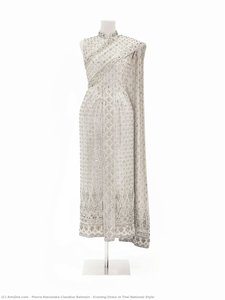
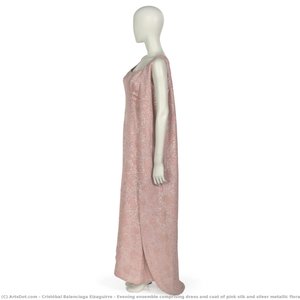
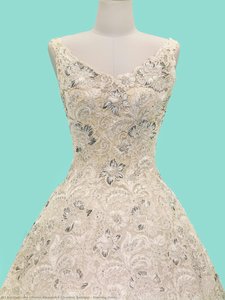
In the grand tapestry of twentieth-century fashion, few garments command as much reverence as the Evening Dress in Thai National Style, 1964. This exquisite creation, a masterpiece born from the collaborative genius of Pierre Alexandre Claudius Balmain and the legendary embroidery house Lesage, serves as more than mere attire; it is a profound intersection of French haute couture and Thai cultural identity. The garment captures a moment of diplomatic grace, specifically commissioned for an official visit to Austria, where it functioned as a silent yet powerful ambassador of Thai heritage. As one gazes upon this work, the eye is immediately drawn to the luminous interplay of textures—the structured elegance of the bodice paired with the fluid, regal weight of the phaa yok skirt.
The artistry of the piece lies in its meticulous technical execution and the luxurious materials employed. The bodice, crafted from fine Thai silk, is elevated by a delicate dance of sequin embroidery that catches the light with every imagined movement. This shimmering detail is balanced by the substantial presence of the skirt, woven from silk and gold-meta thread brocade. Such intricate weaving techniques represent a centuries-old tradition of craftsmanship, here reimagined through the lens of Parisian sophistication. The addition of a second trailing shoulder cloth adds a layer of architectural complexity, creating a silhouette that is both commanding and ethereal, much like the royal presence it was designed to adorn.
The Intersection of Tradition and Couture
To understand this work is to appreciate the historical dialogue between East and West. During the mid-1960s, the world of fashion was undergoing a metamorphosis, yet Balmain remained a steadfast guardian of structured elegance. By integrating traditional Thai elements—such as the solid-color silk and specific brocade patterns—into the framework of French couture, the designer achieved a seamless fusion of two distinct aesthetic languages. This piece embodies the "New Look" philosophy of structure and luxury, but breathes with the soul of Thailand. For the collector or the discerning interior designer, this artwork represents a rare specimen of fashion history that transcends seasonal trends, offering a timeless narrative of diplomacy and sartorial excellence.
Beyond its physical splendor, the dress evokes an emotional resonance of dignity and poise. It is a visual poem dedicated to the concept of national pride expressed through beauty. The gold accents and the meticulous embroidery do not merely decorate; they symbolize the richness of a culture and the enduring legacy of a royal tradition. For those seeking to adorn a space with a reproduction of this caliber, the piece offers an infusion of warmth, prestige, and historical depth. It serves as a captivating focal point that invites conversation, reminding all who view it of a time when fashion was used to weave the very fabric of international relations.
Related Artworks
Artist Biography
A Legacy of Post-War Elegance: The World of Pierre Balmain
Pierre Alexandre Claudius Balmain, a name synonymous with post-war Parisian couture, emerged as a beacon of refinement and elegance in a world yearning for beauty after the austerity of conflict. Born in 1914 in Saint-Jean-de-Maurienne, France, Balmain’s path to becoming one of fashion's most celebrated designers was subtly shaped by his upbringing. His mother, Françoise, managed a fashionable boutique, Galeries Parisiennes, and this early exposure ignited within him a fascination with the artistry of dressmaking. While he initially pursued studies in architecture at the École des Beaux-Arts in 1933, it wasn’t long before Balmain found himself drawn to the more immediate allure of fashion, beginning freelance work sketching designs for Robert Piguet. This shift marked the true commencement of a career that would redefine post-war style.From Apprenticeship to Independent Vision
Balmain's formative years were spent honing his skills under the tutelage of established designers. He worked with Edward Molyneux for five years, absorbing invaluable experience in haute couture techniques and construction. A pivotal moment arrived when he joined Lucien Lelong during World War II, a period that also saw him forge a connection with a rising star – Christian Dior. This wartime collaboration proved significant, as both men would soon become leading figures in the revitalization of French fashion. In 1945, Balmain boldly established his own fashion house, an act of entrepreneurial spirit and artistic confidence. His debut collection immediately captured attention, presenting designs that embraced a distinctly feminine silhouette – long, bell-shaped skirts nipped at the waist, embodying a return to luxury and grace. This aesthetic resonated deeply with a public eager to shed the constraints of wartime practicality and embrace a renewed sense of optimism and glamour.Defining the ‘New Look’ and Expanding Horizons
Balmain's designs quickly became emblematic of what would be known as the “New Look,” though he was not its sole originator, his contribution was undeniably significant. He masterfully blended structure with fluidity, creating garments that celebrated the female form while maintaining an air of sophisticated restraint. His signature style featured impeccably tailored jackets with defined waists and accentuated shoulders, luxurious fabrics like velvet and silk, and a meticulous attention to detail. Beyond clothing, Balmain expanded his creative vision into fragrance, launching successful perfumes such as *Vent Vert* and *Elysees 64-83*, which further solidified the brand’s identity as a purveyor of refined elegance. His influence extended beyond the Parisian ateliers; in 1951, he brought his designs to the United States, earning recognition with a Neiman Marcus Fashion Award in 1955. Throughout the 1960s and 70s, Balmain’s reach broadened further as he designed uniforms for TWA and Malaysia-Singapore Airlines cabin crews, demonstrating his ability to seamlessly blend fashion with functionality. Even Air France's first female pilot donned a Balmain uniform in 1975, a testament to the brand’s prestige and versatility.A Lasting Impression: Legacy and Enduring Style
Pierre Balmain passed away in 1982, leaving behind a legacy that continues to inspire designers and captivate fashion enthusiasts today. His clientele read like a roll call of royalty and Hollywood stars – the Duchess of Windsor, Marlene Dietrich, Katharine Hepburn, and Queen Sirikit of Thailand were among those who favored his creations. Even decades after his death, Balmain’s vintage couture gowns are still sought after by celebrities such as Angelina Jolie, Penélope Cruz, and Kate Moss, proving the timeless appeal of his designs. His emphasis on impeccable tailoring, luxurious fabrics, and a celebration of feminine form remains a cornerstone of modern fashion. Balmain's vision wasn’t merely about creating beautiful clothes; it was about crafting an experience of elegance and sophistication that empowered women and reflected a renewed sense of hope in the post-war era. He understood that dressmaking was, as he himself eloquently stated, “the architecture of movement,” and his designs continue to move and inspire generations.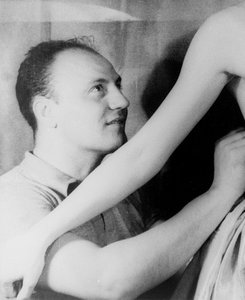
Pierre Alexandre Claudius Balmain
1914 - 1982 , France
Quick Facts
- Artistic Movement Or Style: Haute Couture, New Look
- Artists Or Movements Influenced By This Artist:
- Fashion design
- Post-war elegance
- Artists Who Influenced This Artist:
- Robert Piguet
- Edward Molyneux
- Lucien Lelong
- Christian Dior
- Date Of Birth: May 18, 1914
- Date Of Death: June 29, 1982
- Full Name: Pierre Alexandre Claudius Balmain
- Nationality: French
- Notable Artworks:
- Ball gown of coral velvet
- Suit
- Coat
- Evening Dress in Thai Style
- Place Of Birth: Saint-Jean-de-Maurienne, France
Related Articles
Golden Glow: How to Use Metallic Gold Artworks to Elevate Your Home Decor with Timeless Luxury
Discover how to elevate your home with the timeless elegance of metallic gold artworks. From sculptural metal pieces to gilded oil paintings, learn expert interior design tips for integrating luxurious gold accents into your space with sophistication and grace.
The Allure of Gold in Art History: Symbolism, Technique & Cultural Significance
Explore the rich history of gold in art! Discover symbolism, techniques & cultural significance from ancient civilizations to Klimt's masterpieces. Expert insights for collectors at ArtsDot.

Golden Masterpieces: 10 Paintings That Define Art History | ArtsDot
Explore 10 breathtaking paintings where gold leaf shines! From Klimt to Byzantine icons, discover art history’s most gilded masterpieces. Find museum-quality reproductions & elevate your home decor with ArtsDot. Explore the full collection online.

Crimson Threads of Narrative: Exploring Symbolism & Representation in Artworks Featuring the Red Dress
Explore the rich symbolism of the red dress in art history! From ancient power displays to iconic portraits like Cézanne’s 'Madame Cezanne', discover the cultural and artistic significance behind this captivating color. Expert analysis & insights.
Azure Visions: Exploring Representations of the Blue Dress in Western Art History
Explore the rich history of the blue dress in Western art! Discover its symbolism, from Renaissance masterpieces to modern interpretations by artists like Martin & Schiele. Uncover cultural meanings and artistic techniques.