 Preview
 Send
Send Share
Share
 Details

 Download
 Similars
 X-Ray
X-Ray Diaporama
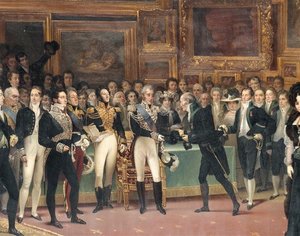
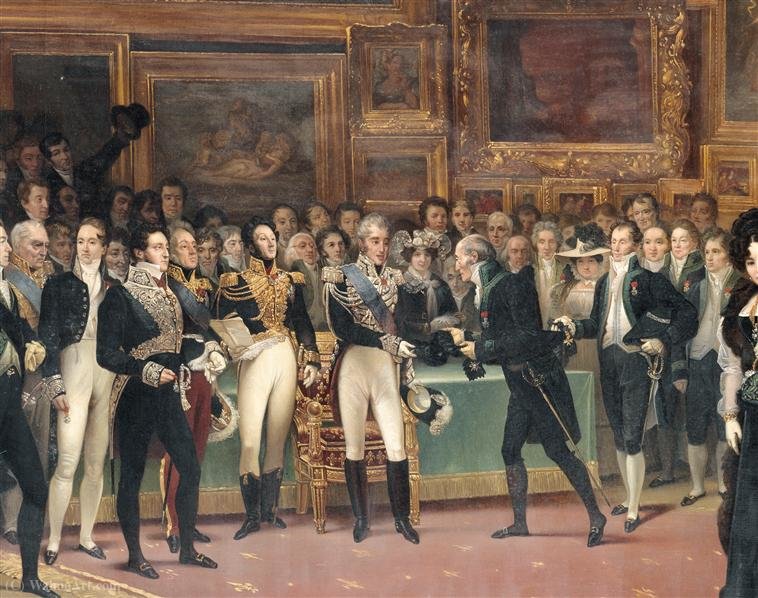
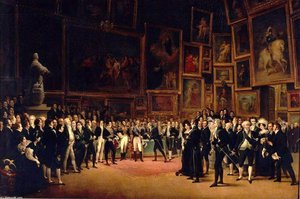
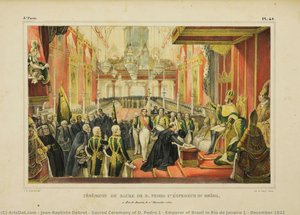
Distribution of prizes to the artists at the end of the Show

 Read More
Hand Made Oil Reproduction
Hand-painted oil on canvas in your size and frame, made to order by our artists. ( Buy Print Buy Image)




P118B $10

P118H $10

P118W $10

P438Z $10

P508JH $12

P508YH $12

P805H $10

P805Z $10

P919BZ $10

P919G $10

P919XJ $10

P959ZH $10

P968JZ $12

W106C $8

W218G $10

W218JH $8

W218Y $10

W307PJ $10

W316G $10

W316PJ $8

W316Y $10

W398PJ $8

W4111J $10

W500HY $15

W500JH $15

W692G $12

W849H $8

W940BG $15

W953PJ $8




Pick from our preset sizes that match the artwork's original proportions.

You may enter your own dimensions to fit a specific frame or space. If your selected size does not match the original image's proportions, we will either crop the artwork or extend the painting with additional hand-painted elements. A digital mockup will be sent for your approval before production begins.
Please note that the on-screen preview does not reflect the actual cropping or extension. Only the mockup will accurately show the final composition.
While custom sizes are available, we recommend selecting a dimension from the predefined list to preserve the original proportions.
After order, ArtsDot.com team will email client for instructions and provide a mockup preview
Worldwide Delivery () in 3/4 weeks instead of standard 5 weeks. (3 September). No compromise on quality.

Free Worldwide Express Shipping

High-Quality Linen Canvas

Full Shipping Insurance

Customs Tax Refund Guarantee

True Color Matching Guarantee

60-Day Return Policy (Defects Only)

100% Money-Back Guarantee

Bulk Discount Offer
 Glass option is only available in size under 110 CM

Distribution of prizes to the artists at the end of the Show
Reproduction Medium
Reproduction Size
-


Total Price
$ 263
Related Artworks
Artist Biography
Antonio Canova: The Sculptor of Serenity
Antonio Canova (1757–1822) stands as a towering figure in the history of art, universally recognized as the greatest Neoclassical sculptor of his era. His work, characterized by an almost unsettling serenity and a profound understanding of human form, continues to captivate viewers centuries after its creation. Born in Possagno, a small village nestled in the foothills of the Alps near Venice, Canova’s artistic journey began within a family steeped in stonemasonry – his grandfather, Pasino Canova, was himself a skilled sculptor specializing in elaborate tomb monuments. This early immersion in the craft laid the foundation for a career that would ultimately redefine aesthetic ideals and establish a new standard of elegance in sculpture.Early Years and Artistic Training
Canova’s childhood was marked by an extraordinary aptitude for sculpting, often recounted as a tale of youthful ingenuity: at just nine years old, he reportedly carved a miniature lion from butter during a family dinner – a story dismissed by modern scholars but indicative of his innate talent. Despite this early demonstration of skill, Canova's formal training began modestly, apprenticed first to Giuseppe Bernardi in Pagnano and then to Giovanni Ferrari in Venice. These formative years exposed him to the techniques of carving marble and provided an introduction to the artistic conventions of the time. Crucially, however, it was his exposure to casts of ancient Greek and Roman sculptures that truly ignited his passion and shaped his future direction. The collections housed in Venice, particularly those amassed by Filippo Farsetti, offered a direct connection to the classical world – a source of inspiration that would profoundly influence his work.The Rise to Prominence: Rome and Neoclassicism
In 1779, Canova embarked on a pivotal journey to Rome, a city then at the heart of artistic innovation and intellectual ferment. This move marked a decisive shift in his style, moving away from the dramatic theatricality prevalent in Baroque sculpture towards the restrained elegance of Neoclassicism. He quickly established himself within a vibrant artistic community, forging connections with archaeologists, antiquarians, and fellow sculptors like Gavin Hamilton, who championed a return to classical ideals. His early Roman works, such as *Theseus and the Minotaur* (1782), immediately signaled this new direction – a sculpture that was not merely an imitation of antiquity but a reimagining of classical forms imbued with a sense of calm dignity and intellectual depth. This piece became a cornerstone of his reputation, establishing him as a leading voice in the Neoclassical movement.A Diverse Portfolio: Portraits, Mythology, and Funerary Monuments
Canova’s career spanned several decades, during which he produced an astonishingly diverse range of works. He was equally adept at portraiture, religious subjects, mythological scenes, and elaborate funerary monuments commissioned by the Papal court. His portraits were particularly renowned for their ability to capture not just physical likeness but also the inner character of his sitters – a testament to his profound understanding of human psychology. The monumental papal tombs he created for Clement XIII and Clement XIV are among his most ambitious achievements, showcasing his mastery of marble carving and his capacity to evoke a sense of solemn grandeur. These works, characterized by their simplicity and elegance, reflected the prevailing Neoclassical aesthetic – a rejection of excessive ornamentation in favor of clarity and restraint.Legacy and Influence
Antonio Canova’s influence on subsequent generations of sculptors is immeasurable. His meticulous attention to detail, his profound understanding of anatomy, and his ability to imbue marble with an almost palpable sense of life established a new standard for sculptural excellence. He was not simply replicating the forms of antiquity; he was interpreting them through a distinctly modern sensibility. His work continues to be studied and admired today, serving as a powerful reminder of the enduring legacy of classical art and the transformative power of artistic vision. His commitment to capturing an idealized serenity—a sense of balance, grace, and inner peace—remains profoundly relevant in our own time, solidifying his place as one of history’s greatest sculptors.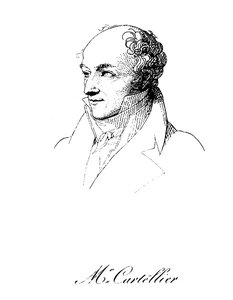
pierre cartellier
1757 - 1831 , France
Quick Facts
- Artistic Movement Or Style: Neoclassical Sculpture
- Artists Or Movements Influenced By This Artist: ['Neoclassicism']
- Artists Who Influenced This Artist:
- Jacques Louis David
- Baroque artists
- Date Of Birth: November 1, 1757
- Date Of Death: October 13, 1822
- Full Name: Antonio Canova
- Nationality: Italian
- Notable Artworks:
- Theseus and the Minotaur
- Daedalus and Icarus
- The Three Graces
- Place Of Birth: Possagno, Italy
Related Articles
Renoir's Masterpieces: Explore 25 Iconic Paintings & Bring Art Home | ArtsDot
Explore 25 iconic Pierre-Auguste Renoir paintings! Discover the stories behind Impressionist masterpieces like 'Dance at Le Moulin de la Galette' & 'Luncheon of the Boating Party'. Find museum-quality art reproductions and elevate your home decor with ArtsDot.com.

Georges Seurat's Masterpieces: 25 Paintings That Defined Pointillism | ArtsDot
Explore 25 iconic Georges Seurat paintings & discover the brilliance of Pointillism. From 'La Grande Jatte' to his harbor scenes, delve into art history with ArtsDot.com. Find museum-quality reproductions for your home decor. Explore the full collection online!
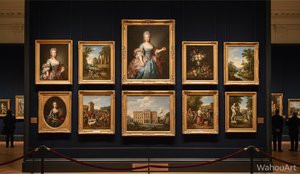
18th Century Masters: 10 Artworks That Define an Era | ArtsDot
Journey through 18th century art! Explore 10 iconic paintings – from Rococo elegance to Neoclassical grandeur. Discover Fragonard, David & more. Find museum-quality reproductions and elevate your home decor on ArtsDot.com.
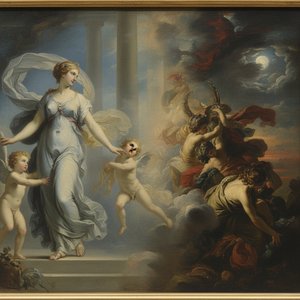
Pierre-Paul Prud'hon: Exploring Neoclassical Sensibility & Romantic Precursors
Explore the captivating world of Pierre-Paul Prud'hon, a pivotal French painter bridging Neoclassicism & Romanticism. Discover his allegorical masterpieces and lasting influence on 19th-century art history.
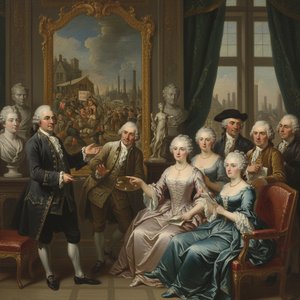
Reflections of an Age: Social Commentary & Artistic Representation in 18th-Century Society
Explore the social commentary & artistic representation of 18th-century society. Discover Rococo masterpieces, portraiture's power, and shifting historical perspectives. Expert insights for art lovers.