 Preview
 Send
Send Share
Share
 Details

 Download
 Similars
 X-Ray
X-Ray Diaporama
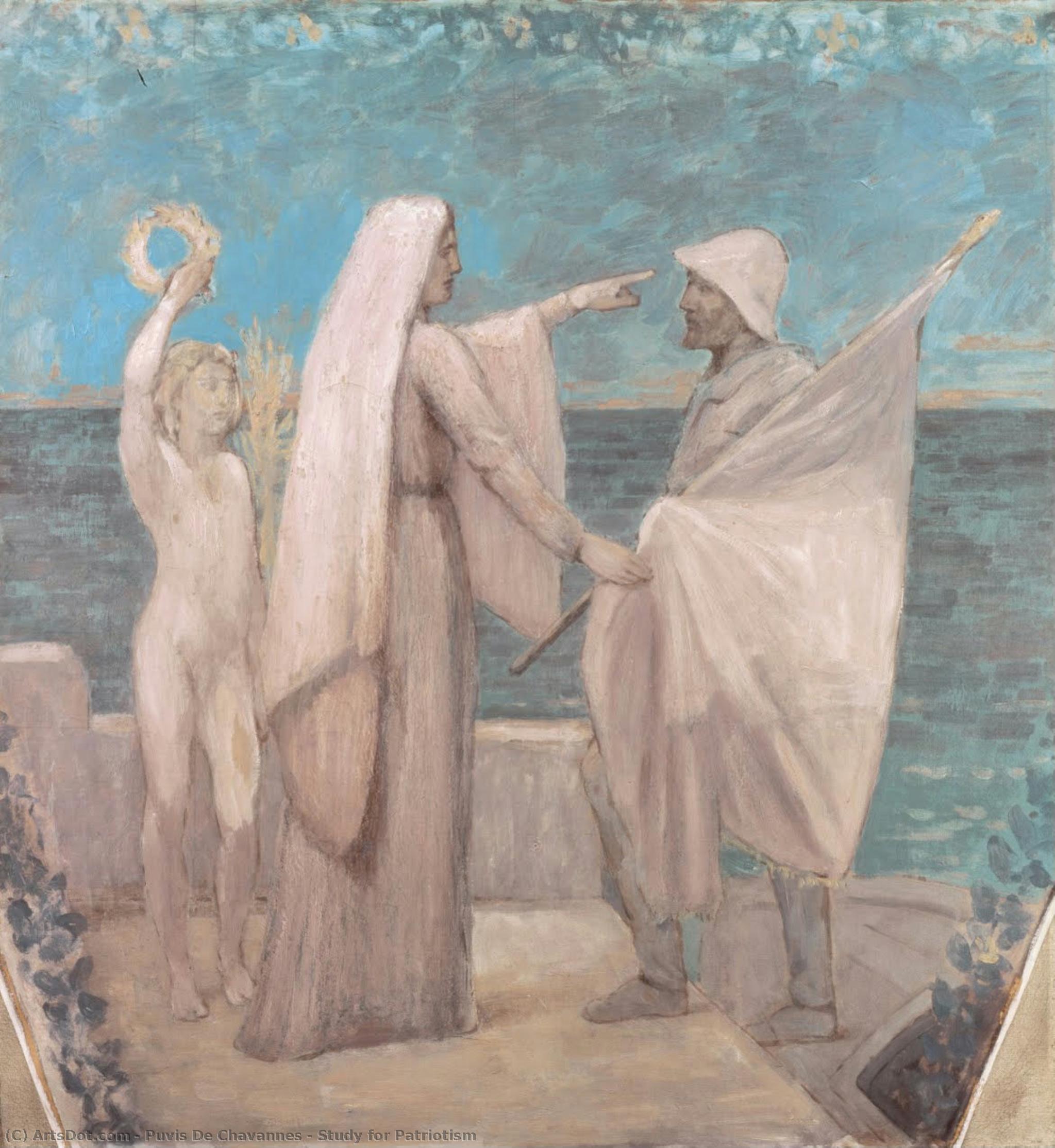
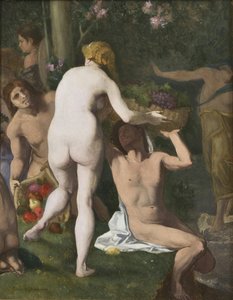
Study for Patriotism
 Oil On Canvas
- WallArt
- Symbolic Impressionism
 1893
1893 94.0 x 102.0 cm
 Ohara Museum of Art
 Read More
Hand Made Oil Reproduction
Hand-painted oil on canvas in your size and frame, made to order by our artists. ( Buy Print Buy Image)




P118B $10

P118H $10

P118W $10

P438Z $10

P508JH $12

P508YH $12

P805H $10

P805Z $10

P919BZ $10

P919G $10

P919XJ $10

P959ZH $10

P968JZ $12

W106C $8

W218G $10

W218JH $8

W218Y $10

W307PJ $10

W316G $10

W316PJ $8

W316Y $10

W398PJ $8

W4111J $10

W500HY $15

W500JH $15

W692G $12

W849H $8

W940BG $15

W953PJ $8




Pick from our preset sizes that match the artwork's original proportions.

You may enter your own dimensions to fit a specific frame or space. If your selected size does not match the original image's proportions, we will either crop the artwork or extend the painting with additional hand-painted elements. A digital mockup will be sent for your approval before production begins.
Please note that the on-screen preview does not reflect the actual cropping or extension. Only the mockup will accurately show the final composition.
While custom sizes are available, we recommend selecting a dimension from the predefined list to preserve the original proportions.
After order, ArtsDot.com team will email client for instructions and provide a mockup preview
Worldwide Delivery () in 3/4 weeks instead of standard 5 weeks. (17 August). No compromise on quality.

Free Worldwide Express Shipping

High-Quality Linen Canvas

Full Shipping Insurance

Customs Tax Refund Guarantee

True Color Matching Guarantee

60-Day Return Policy (Defects Only)

100% Money-Back Guarantee

Bulk Discount Offer
 Glass option is only available in size under 110 CM

Study for Patriotism
Reproduction Medium
Reproduction Size
-


Total Price
$ 313
Artwork Description
A Study for Patriotism: Exploring Puvis de Chavannes’ Vision of National Identity
The artwork "Study for Patriotism," executed by Pierre Cécile Puvis de Chavannes in 1893, stands as a cornerstone of French Symbolist art—a testament to an era deeply invested in reimagining the role of art within the nation's cultural landscape. More than just a depiction of figures, it’s a carefully constructed meditation on virtue, leadership, and the enduring spirit of civic responsibility, reflecting the anxieties and aspirations of France following its tumultuous republican beginnings.Composition and Form: Balanced Serenity Amidst Uncertainty
Puvis de Chavannes' masterful compositional choices immediately establish a sense of calm amidst the broader political turbulence of his time. The painting presents three figures arranged in a triangular configuration—a deliberate device that harkens back to classical ideals of harmony and stability. A female figure, draped in flowing white robes, dominates the right side of the canvas, her outstretched arm conveying an invitation to contemplate noble aspirations. To her left stands a male figure similarly adorned, holding aloft a staff or rod – a symbol of authority and guidance—pointing towards the same horizon as his counterpart. At the base of this triangle is a youthful figure offering a wreath, representing honor and triumph; these gestures converge toward a central point, reinforcing the painting’s balanced symmetry. The flattened perspective contributes to an ethereal atmosphere, prioritizing emotional resonance over realistic representation.Color Palette and Texture: Subtle Hints of Emotion
The artist eschews vibrant hues in favor of a muted palette dominated by shades of white, grey, and pale blue—a characteristic stylistic decision that aligns perfectly with the Symbolist preoccupation with inner states rather than external appearances. Delicate ochre and brown accents appear within the figures’ clothing and subtly illuminate the landscape background, adding warmth without disrupting the overall tranquility. Puvis de Chavannes achieves remarkable textural subtlety through his technique; he employs thin glazes of oil paint layered upon canvas to create a surface that appears smooth and blended—a deliberate rejection of Impressionistic brushstrokes in favor of conveying mood and atmosphere. The hazy landscape backdrop hints at distant vistas, furthering the painting’s dreamlike quality.Symbolism and Allegory: Embodied Ideals of French Citizenship
“Study for Patriotism” transcends mere visual beauty; it operates on a symbolic level, embodying core tenets of French republican values. The female figure embodies feminine virtue—wisdom, compassion, and moral fortitude—while the male figure represents masculine strength and leadership—a deliberate invocation of classical archetypes designed to inspire civic pride. The wreath proffered by the youthful figure symbolizes honor and victory—affirming the belief that France’s future rests upon upholding noble ideals. Puvis de Chavannes' intention was not simply to depict individuals but to elevate them into emblems of national identity, cementing his place as a champion of artistic expression serving the greater good.Historical Context: Puvis de Chavannes and the Republican Spirit
Puvis de Chavannes’ work emerged during a pivotal moment in French history—the establishment of the Third Republic following decades of monarchy and upheaval. Artists like Puvis sought to articulate the anxieties and aspirations of this new era, grappling with questions of national unity and moral renewal. His monumental canvases served as visual affirmations of republican ideals—a deliberate effort to shape public perception and instill a sense of collective purpose. He collaborated extensively with medallists, contributing his artistic vision to commemorative projects that aimed to commemorate significant historical events and solidify the republic’s legacy.Concluding Reflection: An Enduring Legacy
“Study for Patriotism” remains an enduring testament to Puvis de Chavannes' singular artistic genius—a masterpiece of Symbolist art that continues to captivate viewers with its serene beauty and profound symbolic depth. Its understated elegance speaks volumes about the artist’s conviction that art could serve as a conduit for moral inspiration, fostering a shared understanding of France’s values and aspirations. It stands as an invitation to contemplate the enduring power of idealized form and tranquil composition—a timeless reminder of Puvis de Chavannes' profound contribution to the artistic heritage of his nation.Related Artworks
Artist Biography
A Life Dedicated to Monumental Visions
Pierre Cécile Puvis de Chavannes, a name often simply rendered as Puvis de Chavannes, occupies a unique and pivotal position in 19th-century French art. Born in Lyon in 1824, he rose to become known as “the painter for France,” a testament to his profound impact on public art during the early years of the Third Republic. His legacy extends far beyond mere decoration; Puvis de Chavannes crafted visual narratives that embodied national ideals and resonated with a generation grappling with political and social transformation. He wasn’t merely illustrating history, but actively shaping its visual memory for the future. His influence on subsequent artists, particularly those aligned with Symbolism and Art Nouveau, is undeniable, and his collaborative spirit extended to working alongside medallists, offering designs and insightful suggestions.From Engineering Aspirations to Artistic Devotion
The early life of Pierre-Cécile Puvis was marked by a trajectory that initially diverged from the world of art. Born into a family of modest means – his father an engineer descended from Burgundy nobility – he received an education at Amiens College and Lycée Henri IV in Paris, preparing him for a career following in his father’s footsteps. However, a serious illness proved to be a turning point, forcing a period of convalescence that allowed space for introspection and the burgeoning of artistic inclinations. A transformative journey to Italy ignited within him a passion for painting, prompting a decisive shift away from engineering and towards a life dedicated to creative expression. He embraced his ancestral heritage by incorporating “de Chavannes” into his name, a subtle assertion of identity and lineage. His formal training included brief mentorships under luminaries like Eugène Delacroix, Henri Scheffer, and Thomas Couture, yet he ultimately favored independent study, establishing a spacious studio near the Gare de Lyon that became a hub for artistic exploration. He diligently honed his understanding of anatomy through classes at the Académie des Beaux Arts, laying a solid foundation for his later monumental works.The Genesis of a Symbolist Style
Puvis de Chavannes’s artistic style is generally categorized as Symbolist, though it evolved from roots in Romanticism. His work is instantly recognizable by its simplified forms, rhythmic linear compositions, and a distinctive, muted palette reminiscent of fresco painting. He wasn't interested in photographic realism; instead, he sought to distill essence, to capture the underlying spirit of his subjects. He frequently drew inspiration from classical antiquity and idealized landscapes, weaving allegorical themes into grand narratives. His early commissions, beginning in the 1860s at the Musée de Picardie in Amiens – including *Concordia*, *Bellum*, *Le Travail* (Work), and *Le Repos* (Rest) – established his reputation for large-scale mural paintings. These weren’t simply decorative elements; they were carefully considered statements about civic virtue, labor, and the pursuit of harmony. Later, a significant series of murals commissioned for the Museum of Fine Arts in Lyon further cemented his position as a leading figure in public art. Notable works like *The Woodcutters* (1873), currently housed at the San Antonio Museum of Art, demonstrate his ability to imbue everyday scenes with symbolic weight and poetic grace. Paintings such as *Massilia, Greek Colony*, and *Sacred Grove* exemplify his characteristic style and thematic interests, showcasing nude figures within evocative landscapes that invite contemplation.A Lasting Legacy: Influence and Historical Significance
The impact of Puvis de Chavannes on the artistic landscape of France – and beyond – was profound. He is credited with influencing an entire generation of painters and sculptors, particularly those associated with Modernism. His emphasis on simplified forms, decorative patterns, and allegorical themes resonated deeply with artists seeking to break away from traditional academic constraints. Georges de Feure was among his notable protégés, benefiting directly from his guidance and mentorship. Beyond painting, Puvis actively collaborated with medallists, providing designs and suggestions that enriched their work. Émile Zola eloquently lauded his art as “an art made of reason, passion, and will,” capturing the intellectual and emotional depth inherent in his creations. His most celebrated achievement lies in his contribution to the development of public art during a period of significant political and social change in France. His murals weren’t merely aesthetic enhancements; they were intended to embody national ideals and provide visual narratives for civic spaces, fostering a sense of collective identity and shared values. The monumental murals at the Panthéon in Paris, illustrating the life of St. Geneviève, stand as enduring testaments to his skill and vision. Puvis de Chavannes remains an important figure in 19th-century French art, bridging the gap between Romanticism and Symbolism and paving the way for the artistic innovations of the modern era. His work continues to inspire awe and admiration, reminding us of the power of art to shape our understanding of history, culture, and the human condition.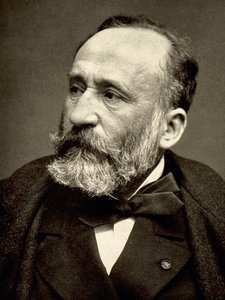
Pierre Cécile Puvis de Chavannes
1824 - 1898 , France
Quick Facts
- Artistic Movement Or Style: Symbolism
- Artists Or Movements Influenced By This Artist:
- Robert Genin
- Art Nouveau
- Modernism
- Artists Who Influenced This Artist:
- Delacroix
- Scheffer
- Couture
- Date Of Birth: December 14, 1824
- Date Of Death: 1898
- Full Name: Pierre Cécile Puvis de Chavannes
- Nationality: French
- Notable Artworks:
- The Woodcutters
- Massilia
- Sacred Grove
- Peace
- Study for Patriotism
- Place Of Birth: Lyon, France
Related Articles
Pierre Puvis de Chavannes: Symbolism, Mural Painting, and the Pursuit of Ideal Beauty
Explore the life & work of Pierre Puvis de Chavannes, a pivotal Symbolist painter renowned for his monumental murals. Discover his aesthetic principles, key artworks like 'Hope,' and lasting influence on modern art. A deep dive into 19th-century French painting.

Demandes Commerciales
APS ofrece reproducciones de bellas artes y encargos personalizados desde 2004. Confían en nosotros corporaciones, hoteles y coleccionistas selectos para obras de arte de calidad museística, servicio discreto y soluciones artísticas completas. ¡Póngase en contacto con nosotros para obtener un presupuesto personalizado!

Goya's Masterpieces: Explore 25 Iconic Paintings & Art Prints | ArtsDot
Delve into the world of Francisco Goya with ArtsDot. Explore 25 iconic paintings – from 'The Third of May' to his haunting Black Paintings. Discover the stories, techniques & emotions behind these Spanish masterpieces. Find museum-quality art reproductions for your home at ArtsDot.com!

A riguardo di noi
Découvrez notre histoire ! Nous apportons l'art de classe mondiale dans votre vie grâce à une sélection experte, des créations personnalisées et des aperçus gratuits. Approuvé par les particuliers et les entreprises depuis 2000.
Charles Le Brun: Master of French Baroque Classicism & His Enduring Legacy
Explore the life & art of Charles Le Brun, master of French Baroque Classicism. Discover his royal commissions, influence on Versailles, and enduring legacy through detailed analysis & stunning artworks.