 Preview
 Send
Send Share
Share
 Details

 Download
 Similars
 X-Ray
X-Ray Diaporama
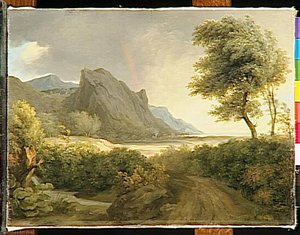
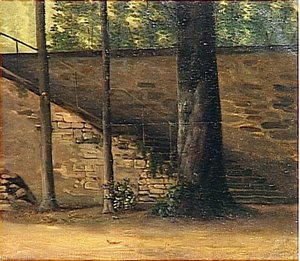
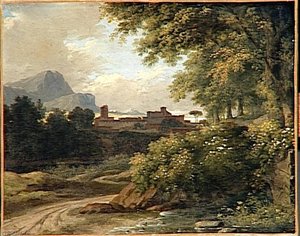
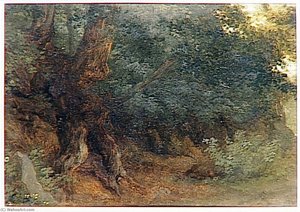
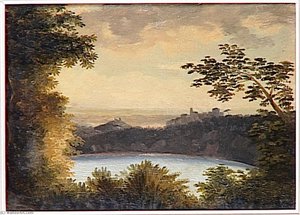
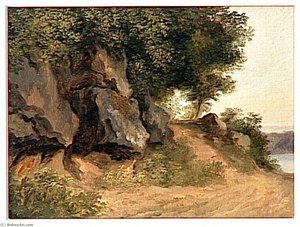
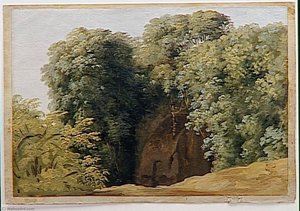
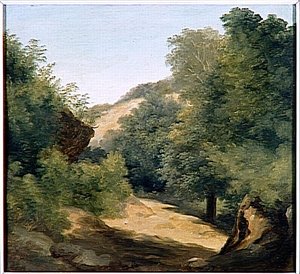
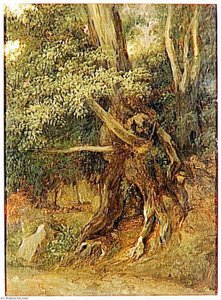
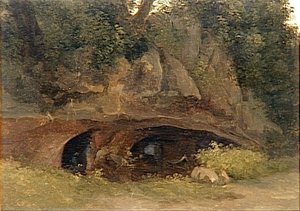
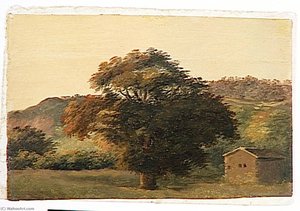
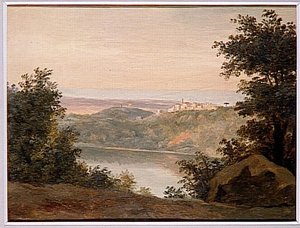
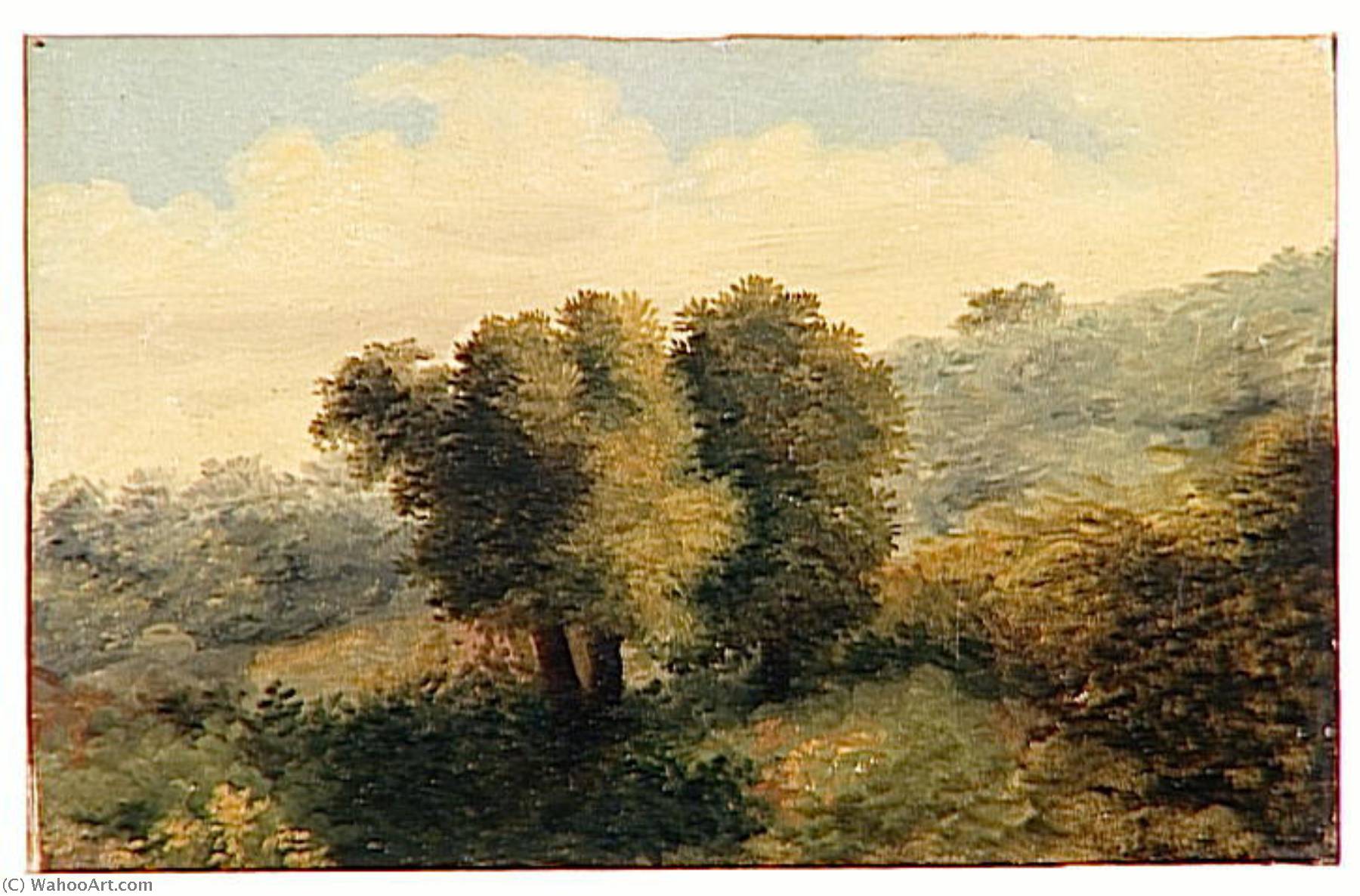
ENVIRONS DU LAC DE NEMI LES TROIS ARBRES


 Read More
Giclée / Art Print
Museum-quality giclée or canvas print with fast production and flexible finish options. ( Buy Hand Made Painting Buy Image)




P118B $10

P118H $10

P118W $10

P438Z $10

P508JH $12

P508YH $12

P805H $10

P805Z $10

P919BZ $10

P919G $10

P919XJ $10

P959ZH $10

P968JZ $12

W106C $8

W218G $10

W218JH $8

W218Y $10

W307PJ $10

W316G $10

W316PJ $8

W316Y $10

W398PJ $8

W4111J $10

W500HY $15

W500JH $15

W692G $12

W849H $8

W940BG $15

W953PJ $8




Pick from our preset sizes that match the artwork's original proportions.

You may enter your own dimensions to fit a specific frame or space. If your selected size does not match the original image's proportions, we will either crop the artwork or extend the image with a mirrored or solid-fill edge. A digital mockup will be sent for your approval before production begins.
Please note that the on-screen preview does not reflect the actual cropping or extension. Only the mockup will accurately show the final composition.
While custom sizes are available, we recommend selecting a dimension from the predefined list to preserve the original proportions.
Worldwide Delivery () in 2 weeks instead of standard 4/5 weeks. (26 August)

Free Worldwide Express Shipping

High-Quality Linen Canvas

Full Shipping Insurance

Customs Tax Refund Guarantee

True Color Matching Guarantee

60-Day Return Policy (Defects Only)

100% Money-Back Guarantee

Bulk Discount Offer
 Glass option is only available in size under 110 CM

ENVIRONS DU LAC DE NEMI LES TROIS ARBRES
Giclée / Art Print
Reproduction Size
-


Total Price
$ 63
Collectible Description
A Serene Embrace of Nature's Majesty
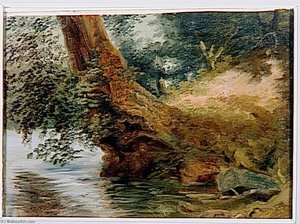
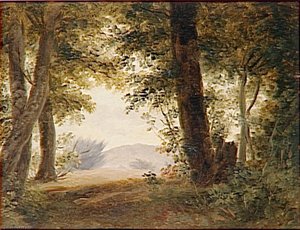
To gaze upon this depiction of the environs surrounding Lake de Nemi is to step across a threshold into a moment suspended in time—a breath drawn deep within nature’s quiet embrace. The scene unfolds with an almost palpable tranquility, dominated by the soft interplay of greens, earthy browns, and the cool, reflective blues of the water. At the heart of the composition stand three venerable trees, clustered near the gentle curve of the lake's edge. They serve not merely as decorative elements, but as anchors for the viewer’s eye, drawing us into the intimate drama of this natural vista. The overall impression is one of profound peace, a visual balm for the modern soul weary from the clamor of urban life.
The Hand of Pierre de Valenciennes: Romantic Vision
This work channels the spirit of Romanticism, an era that elevated nature from a mere backdrop to a subject worthy of deep contemplation. The artist, Pierre de Valenciennes, was a pioneer who championed the very act of painting outdoors, allowing the ephemeral light and shifting moods of the landscape to dictate the brushstroke. His approach imbues the scene with a sense of the sublime—that feeling of awe mixed with gentle reverence when confronted by nature's vastness. While the perspective retains a certain flatness characteristic of the period’s academic training, it is counterbalanced by an undeniable atmospheric quality achieved through his masterful handling of light. It speaks to a time when art sought not just to replicate reality, but to evoke feeling.
Technique and Texture: A Study in Atmosphere
Observe closely the surface; the texture itself tells a story of skilled application. The paint appears layered, built up through loose yet deliberate brushwork that gives the foliage and bark a tangible roughness. Valenciennes utilized oil paint on what seems to be a wooden panel, allowing the pigments to mingle and deepen where they meet the linseed oil binder. This technique is crucial to the painting's success; it prevents the scene from feeling sterile or overly polished. Instead, the soft, diffused lighting suggests an overcast day or perhaps the golden hour just before dusk, bathing everything in a gentle, unifying glow that binds the disparate elements—the water, the trees, the distant foliage—into one cohesive, breathing whole.
Symbolism and Emotional Resonance for the Modern Collector
For the contemporary collector or designer seeking to infuse a space with character and calm, this piece offers more than mere decoration. The lake itself has historically symbolized reflection and the passage of time, while the steadfast grouping of trees suggests enduring strength and rootedness. It is an invitation to pause. When considering a reproduction for your home or gallery, know that you are acquiring not just paint on wood, but a carefully curated emotional experience—a tangible connection to the restorative power of the natural world as interpreted by one of history's great landscape visionaries.
Related Artworks

Artist Biography
The Pioneer of the Open Air: The Life and Vision of Pierre de Valenciennes
In the grand tapestry of art history, certain figures act as quiet architects of revolution, laying the foundations for movements that would later define entire eras. Pierre Henri de Valenciennes (1750–1819) was precisely such a pioneer. Born in Toulouse, his journey from the classical traditions of France to the sun-drenched landscapes of Italy represents a profound shift in the Western artistic consciousness. While many of his contemporaries remained tethered to the controlled environments of the studio, Valenciennes sought a more visceral connection with the natural world. He was not merely interested in depicting scenery; he sought to capture the very breath of the earth through what he termed "landscape portraits," a concept that would eventually pave the way for the Impressionist revolution.
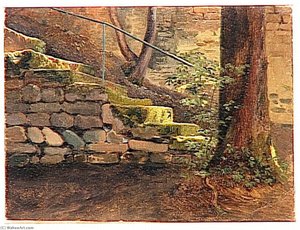
His formative years were marked by a rigorous pursuit of mastery, beginning under the guidance of the history painter Gabriel-François Doyen. This early training in traditional subject matter provided him with a robust technical foundation, yet his soul yearned for something more immediate. His travels to Rome in the late 1770s proved to be the transformative catalyst of his career. Immersed in the Roman Campagna and the serene environs of Lake Nemi, Valenciennes began to move away from the grand, idealized panoramas favored by the Academy. Instead, he turned his gaze toward the humble and the ephemeral: a moss-covered stone wall, the way light filters through a thicket of trees, or the melancholic beauty of overgrown ruins. This period of direct observation allowed him to develop an acute sensitivity to atmosphere and light, treating the landscape not as a backdrop for historical drama, but as the protagonist itself.
Technique, Theory, and the Mastery of Perspective
Valenciennes’s artistic evolution was uniquely driven by a marriage of scientific precision and poetic intuition. His time in Italy was not solely spent sketching; he dedicated himself to the study of perspective under mathematical professors, an endeavor that would later inform his most significant intellectual contribution to art. In 1800, he published his influential treatise, Elémens de perspective pratique à l’usage des artistes. This work was far more than a technical manual; it was a manifesto for a new way of seeing. He argued passionately that the landscape painter must become an expert observer of nature, urging artists to move their easels outdoors to capture the true essence of light and shadow.
This theoretical rigor was matched by a breathtakingly nuanced technique. Influenced by the dramatic chiaroscuro of masters like Caravaggio and Rembrandt, Valenciens mastered the art of tonal gradation. His works often feature a delicate balance of light and dark, where shadows are not merely absences of light but rich, textured spaces that hold depth and mystery. Whether he was painting the misty, cloud-shrouded mountains of La Rocca di Papa or the tranquil, sun-dappled paths near Nemi, his brushwork possessed an ability to evoke the tactile qualities of nature—the roughness of bark, the dampness of moss, and the ethereal quality of morning mist. His ability to blend these mathematical certainties with emotional resonance earned him the respect of the French Academy and solidified his reputation as a master of paysage historique.
Legacy: The Bridge to Modernity
The historical significance of Pierre de Valenciennes lies in his role as a bridge between the structured classicism of the 18th century and the emotive, sensory-driven art of the 19th century. Though he was celebrated at the Paris Salon for his large-scale historical landscapes—works that often integrated mythological or classical themes into natural settings—it is his smaller, more intimate studies that resonate most powerfully with the modern eye. These "landscape portraits" served as a vital precursor to the plein air movement, influencing generations of artists who would later seek to dissolve the boundaries between the canvas and the living world.
To look upon a Valenciennes landscape is to witness the birth of a new way of perceiving reality. His legacy can be summarized through several key contributions:
- The Introduction of Direct Observation: He championed the practice of painting outdoors, moving beyond studio-bound imagination to capture authentic environmental truths.
- Theoretical Innovation: Through his writings on perspective, he provided the technical vocabulary necessary for artists to translate complex three-dimensional spaces onto a two-dimensional surface.
- The Elevation of the Mundane: By finding profound beauty in ruins, woods, and simple lakeside scenes, he shifted the focus of landscape painting from the monumental to the intimate.
- A Foundation for Impressionism: His obsession with the ephemeral qualities of light and atmosphere laid the essential groundwork for the later explorations of Monet and his contemporaries.
Ultimately, Pierre de Valenciennes remains a figure of immense quiet power. He did not seek to destroy the traditions of the past, but rather to expand them, infusing the rigid structures of classical painting with the vibrant, unpredictable spirit of the natural world.
pierre de valenciennes
1750 - 1819
Quick Facts
- Artistic Movement Or Style: Romantic Landscape Painting
- Artists Or Movements Influenced By This Artist: ['Romantic Landscape Painting']
- Artists Who Influenced This Artist:
- Hubert Robert
- Pierre-Athanaise Chauvin
- Achille Etna Michallon
- Date Of Death: 1819
- Full Name: Pierre Henri de Valenciennes
- Nationality: French
- Notable Artworks:
- Le Lac de Nemi et Genzano
- L’Escalier de Pierres Recouvert de Mousse
- Les Envirs de Genzano
- Place Of Birth: Toulouse
Related Articles
Renoir's Masterpieces: Explore 25 Iconic Paintings & Bring Art Home | ArtsDot
Explore 25 iconic Pierre-Auguste Renoir paintings! Discover the stories behind Impressionist masterpieces like 'Dance at Le Moulin de la Galette' & 'Luncheon of the Boating Party'. Find museum-quality art reproductions and elevate your home decor with ArtsDot.com.

Romantic Landscapes: 10 Masterpieces for Your Home | ArtsDot
Journey through 10 Romantic landscape masterpieces by Friedrich, Turner & Cole. Explore emotional art, sublime nature scenes & iconic 19th-century paintings. Find museum-quality reproductions for your home at ArtsDot.com – discover the full collection online!

Goya's Masterpieces: Explore 25 Iconic Paintings & Art Prints | ArtsDot
Delve into the world of Francisco Goya with ArtsDot. Explore 25 iconic paintings – from 'The Third of May' to his haunting Black Paintings. Discover the stories, techniques & emotions behind these Spanish masterpieces. Find museum-quality art reproductions for your home at ArtsDot.com!

Evocations of Place: A Historical Journey Through Landscape Art
Explore the rich history of landscape art with ArtsDot. Discover renowned artists, movements like Impressionism & Romanticism, and expert guidance for collecting timeless pieces. Find your perfect serene escape today!
The Sublime and the Picturesque: Exploring Emotion & Nature in Romantic Landscape Painting
Explore the emotional power of Romantic landscape painting! Discover the sublime & picturesque traditions, key artists like Friedrich & Cole, and find your perfect artwork at ArtsDot.