 Preview
 Send
Send Share
Share
 Details

 Download
 Similars
 X-Ray
X-Ray Diaporama
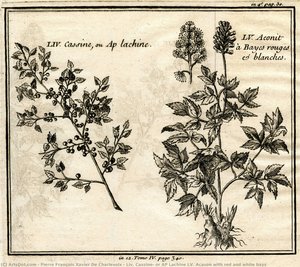
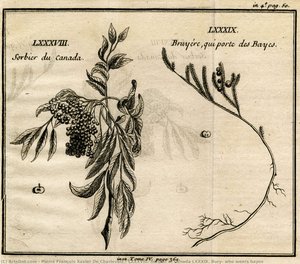
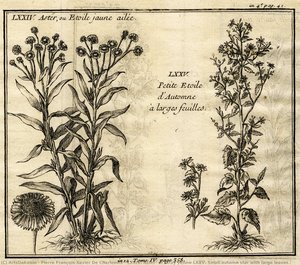
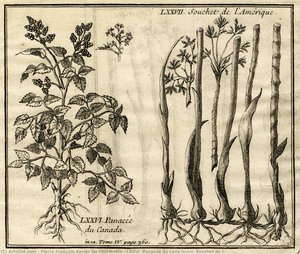
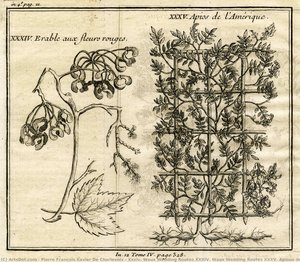
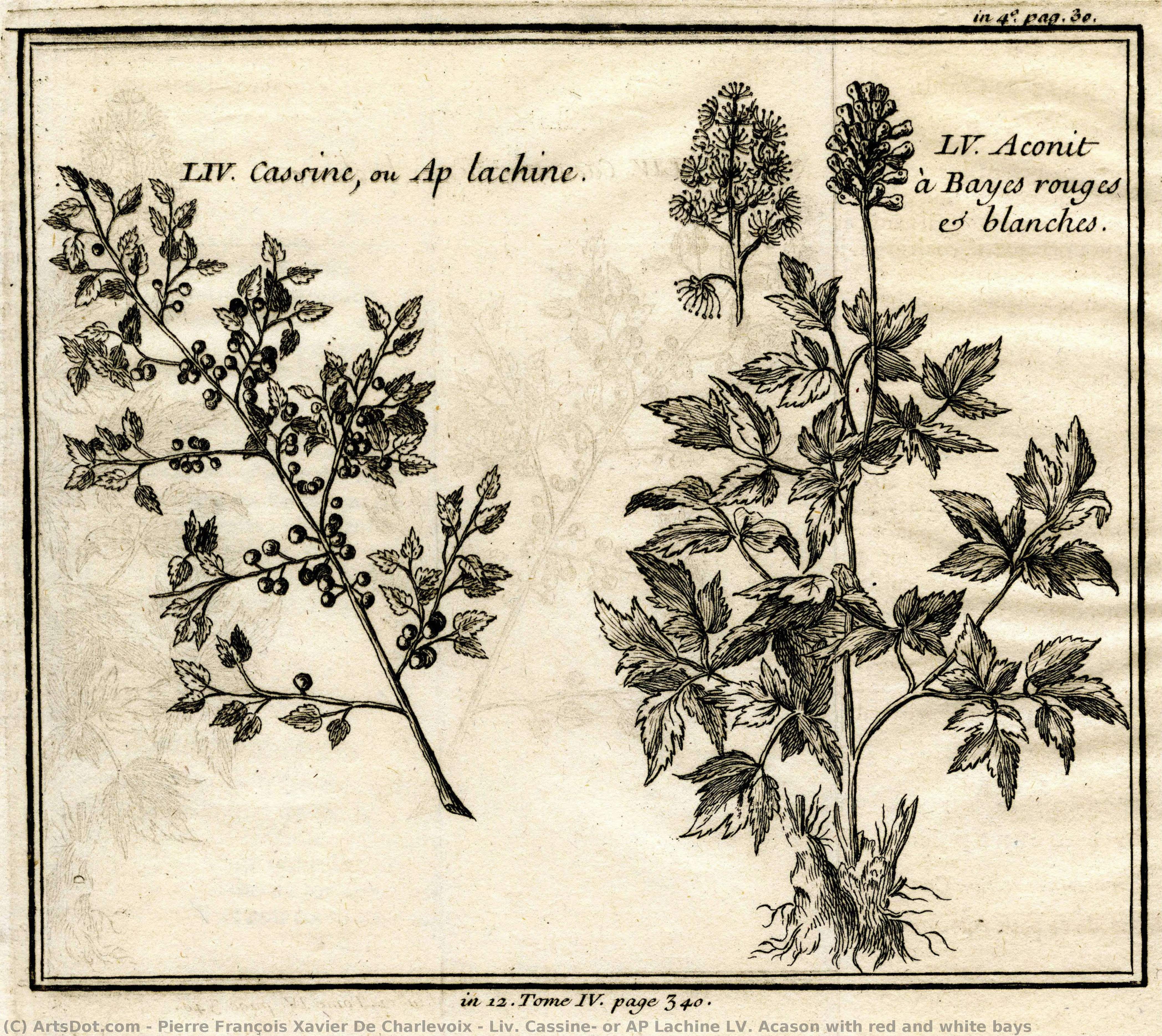
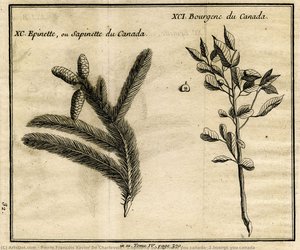
Liv. Cassine, or AP Lachine LV. Acason with red and white bays
 Engraving
 1744
1744- Early Modern
 16.0 x 18.0 cm
 Canadian Museum of Nature
 Read More
Giclée / Art Print
Museum-quality giclée or canvas print with fast production and flexible finish options. ( Buy Hand Made Painting Buy Image)




P118B $10

P118H $10

P118W $10

P438Z $10

P508JH $12

P508YH $12

P805H $10

P805Z $10

P919BZ $10

P919G $10

P919XJ $10

P959ZH $10

P968JZ $12

W106C $8

W218G $10

W218JH $8

W218Y $10

W307PJ $10

W316G $10

W316PJ $8

W316Y $10

W398PJ $8

W4111J $10

W500HY $15

W500JH $15

W692G $12

W849H $8

W940BG $15

W953PJ $8




Pick from our preset sizes that match the artwork's original proportions.

You may enter your own dimensions to fit a specific frame or space. If your selected size does not match the original image's proportions, we will either crop the artwork or extend the image with a mirrored or solid-fill edge. A digital mockup will be sent for your approval before production begins.
Please note that the on-screen preview does not reflect the actual cropping or extension. Only the mockup will accurately show the final composition.
While custom sizes are available, we recommend selecting a dimension from the predefined list to preserve the original proportions.
Worldwide Delivery () in 2 weeks instead of standard 4/5 weeks. (3 September)

Free Worldwide Express Shipping

High-Quality Linen Canvas

Full Shipping Insurance

Customs Tax Refund Guarantee

True Color Matching Guarantee

60-Day Return Policy (Defects Only)

100% Money-Back Guarantee

Bulk Discount Offer
 Glass option is only available in size under 110 CM

Liv. Cassine, or AP Lachine LV. Acason with red and white bays
Giclée / Art Print
Reproduction Size
-


Total Price
$ 63
A Botanical Window into the Past
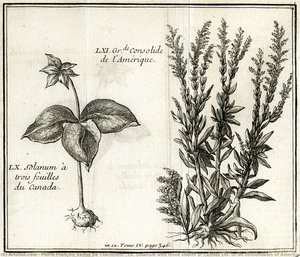
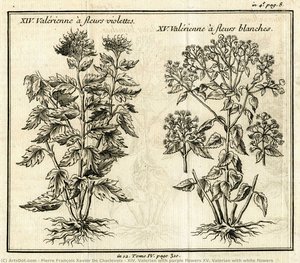
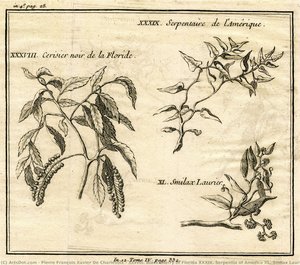
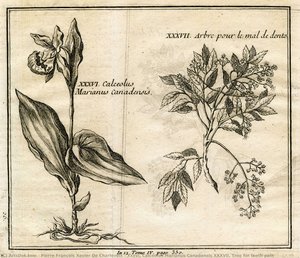
In the delicate dance of line and shadow, "Liv. Cassine, or AP Lachine LV. Acason with red and white bays" offers a profound glimpse into the botanical wonders of the eighteenth century. Created in 1744 by the esteemed French Jesuit priest and historian Pierre François Xavier De Charlevoix, this exquisite engraving serves as more than just a scientific record; it is a poetic encounter with the natural world. The work presents a meticulous study of two distinct botanical specimens, captured with an anatomical precision that speaks to the era's burgeoning passion for natural history. Through the medium of black and white engraving, De Charlevoix invites the viewer to slow down, observing the intricate architecture of leaves and the subtle textures of branches that seem to pulse with a quiet, dormant life.
The artistry lies in the masterful use of contrast and fine detail. Without the distraction of color, the eye is drawn to the rhythmic patterns of the foliage and the structural elegance of the plant forms. The engraving technique allows for a sophisticated play of light, where every vein and serrated edge is rendered with such clarity that one can almost feel the organic texture of the specimens. This monochromatic approach lends the piece a timeless, archival quality, evoking the atmosphere of an ancient naturalist's study. For the discerning collector or interior designer, this work provides a sense of intellectual depth and classical sophistication, making it a perfect centerpiece for spaces that value heritage, quiet contemplation, and the enduring beauty of scientific discovery.
The Legacy of New France
To understand this piece is to understand the spirit of exploration that defined the life of De Charlevoix. As the first historian to document the vast landscapes of New France, his work was deeply intertwined with the act of witnessing and recording the unknown. This engraving is a fragment of that larger historical tapestry, representing the intersection of scientific curiosity and colonial documentation. The botanical subjects depicted are not merely plants; they are symbols of the discovery and the meticulous cataloging of a "new" world by European eyes. There is an inherent romanticism in these lines—a sense of the explorer’s hand reaching out to touch and define the wilderness.
Integrating such a reproduction into a contemporary environment offers a unique opportunity to bridge the gap between history and modernity. Whether framed as a singular statement piece in a minimalist gallery-style room or arranged in a botanical gallery wall, this artwork brings an air of academic prestige and organic grace. It serves as a reminder of a time when art and science were inseparable, and when every sketch was a vital step toward understanding our place within the natural order. For those seeking to infuse their interiors with a sense of narrative and historical weight, De Charlevoix’s botanical study remains an incomparable choice.
Related Artworks
Artist Biography
early life and education
pierre françois xavier de charlevoix, a french jesuit priest, traveller, and historian, was born in saint-quentin, france in 1682. he passed away in la flèche, france in 1761, leaving behind a legacy as the first historian of new france.contributions to art and history
charlevoix is best known for his contributions to the study of new france, including his histoire et description générale de la nouvelle-france, published in 1744. this work showcases his expertise as a historian and provides valuable insights into the early history of new france.artistic works
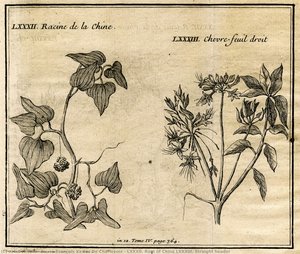
some of charlevoix's notable artistic works include:- xxxiv. waux wedding routes xxxiv. waux wedding routes xxxv. apious de l (engraving, canadian museum of nature, ottawa, canada)
- other artworks, such as his sketches and paintings, demonstrate his skill as an artist and his ability to capture the essence of new france.
museums featuring charlevoix's work
charlevoix's artwork can be found in various museums, including:- canadian museum of nature, ottawa, canada
- the musée baron gérard (france), bayeux, france (features european art from prehistory to the 20th century)
relevance and impact
charlevoix's work has been recognized for its historical significance, and his artistic style continues to inspire artists and historians alike. his contributions to the study of new france have made him a pioneer in both art and history. discover more about pierre françois xavier de charlevoix on ArtsDot.com: [https://ArtsDot.com/@/pierre-francois-xavier-de-charlevoix](https://ArtsDot.com/@/pierre-francois-xavier-de-charlevoix) explore the musée baron gérard (france) and its masterpieces on ArtsDot.com: [https://ArtsDot.com/@@/9avcev-ArtsDot-in-your-pocket](https://ArtsDot.com/@@/9avcev-ArtsDot-in-your-pocket)references
- pierre françois xavier de charlevoix, ArtsDot.com
- musée baron gérard (france), ArtsDot.com
- wikipedia: pierre françois xavier de charlevoix, wikipedia.org
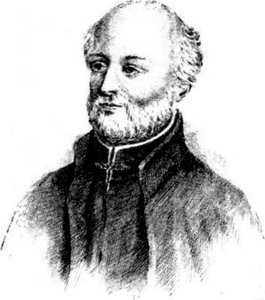
pierre françois xavier de charlevoix
1682 - 1761 , France
Quick Facts
- Artistic Movement Or Style: Rococo
- Date Of Birth: Saint-Quentin, France (1682)
- Date Of Death: La Flèche, France (1761)
- Full Name: Pierre François Xavier de Charlevoix
- Nationality: French
- Notable Artworks:
- Iupatoire du cane
- Angélique with purple flowers
- Alcea de la Florida
- Place Of Birth: Saint Quentin
Related Articles

White on Canvas: 10 Masterpieces & Timeless Elegance for Your Home Decor
Explore 10 iconic white paintings by Monet, Whistler & Rothko! Discover the stories behind these serene masterpieces and their impact on art history. Find museum-quality reproductions for your home decor at .
Engraving's Golden Age: 10 Masterpieces That Redefined Art | ArtsDot
Journey through art history with our Top 10 Legendary Engravings! Explore masterpieces by Dürer, Rembrandt & Goya. Discover the stories behind these iconic prints and find museum-quality reproductions for your home at ArtsDot.com.
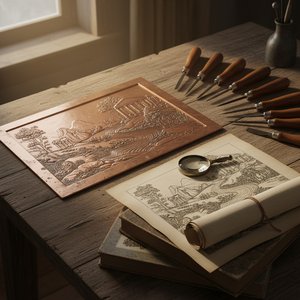
Engraving: A Historical Survey of Technique, Artistic Expression & Enduring Legacy
Explore the rich history of engraving with ArtsDot. Discover techniques, iconic artists like Dürer & Callot, collecting tips, and expert guidance for preserving your art investment. Learn about intaglio printing & more!

Crimson Threads of Narrative: Exploring Symbolism & Representation in Artworks Featuring the Red Dress
Explore the rich symbolism of the red dress in art history! From ancient power displays to iconic portraits like Cézanne’s 'Madame Cezanne', discover the cultural and artistic significance behind this captivating color. Expert analysis & insights.
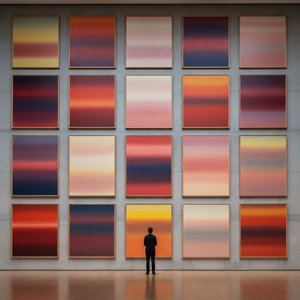
Mark Rothko's Masterpieces: 25 Paintings That Define Abstract Expressionism | ArtsDot
Explore 25 iconic Mark Rothko paintings that define Abstract Expressionism. Discover the stories, colors & emotions behind these masterpieces. Find museum-quality art reproductions and curated decor ideas at ArtsDot.com.