 Preview
 Send
Send Share
Share
 Details

 Download
 Similars
 X-Ray
X-Ray Diaporama
 Stats
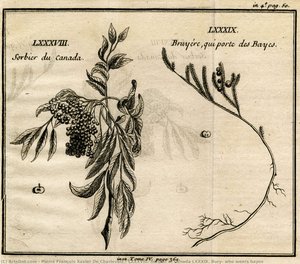
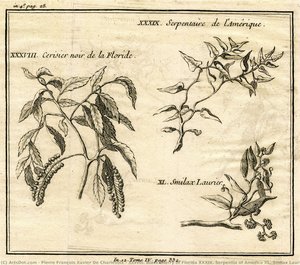
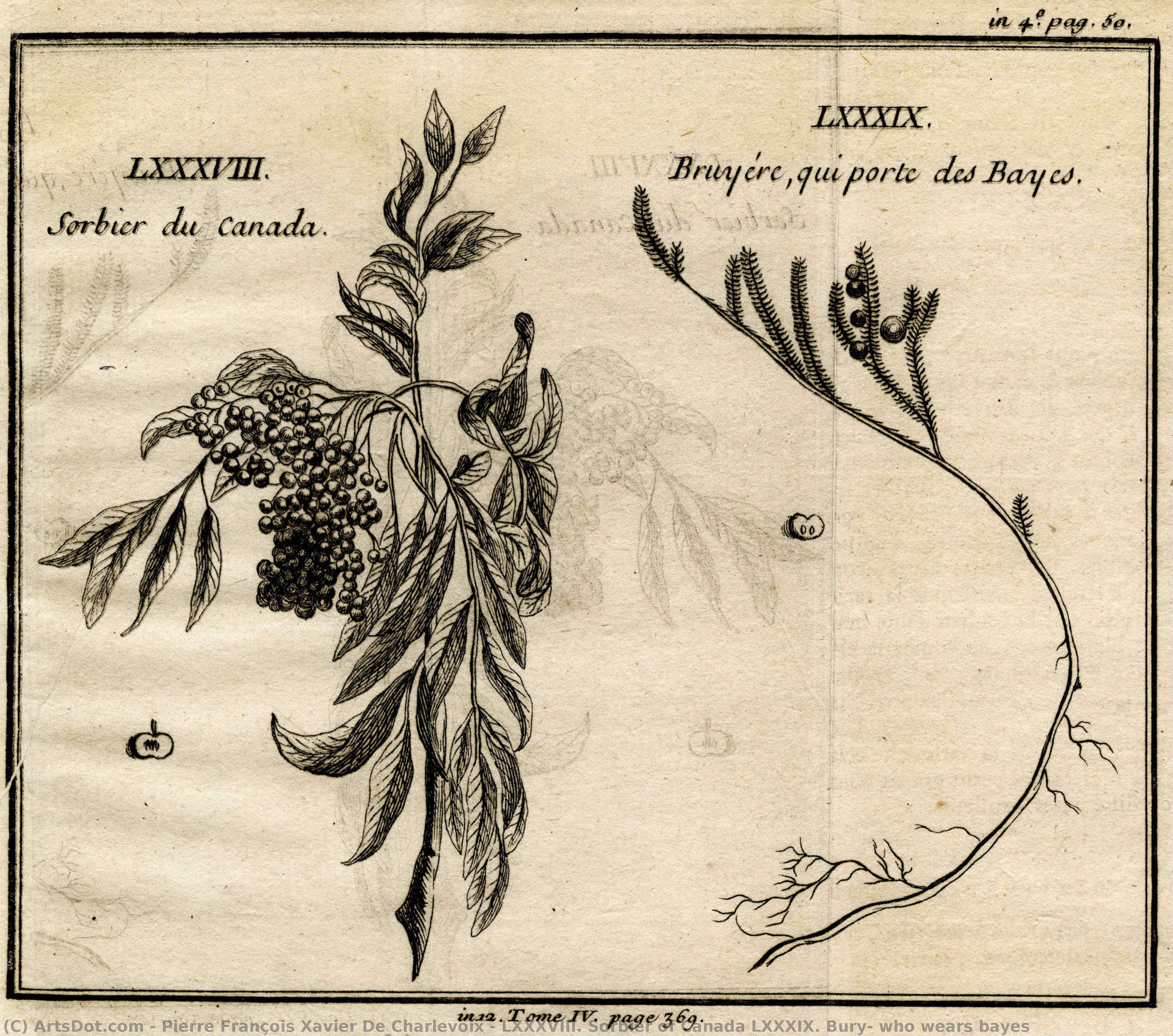
StatsLXXXVIII. Sorbier of Canada LXXXIX. Bury, who wears bayes
 Engraving
 1744
1744- Early Modern
 16.0 x 18.0 cm
 Canadian Museum of Nature
 Read More
Giclée / Art Print
Museum-quality giclée or canvas print with fast production and flexible finish options. ( Buy Hand Made Painting Switch to Digital Image)




P118B $10

P118H $10

P118W $10

P438Z $10

P508JH $12

P508YH $12

P805H $10

P805Z $10

P919BZ $10

P919G $10

P919XJ $10

P959ZH $10

P968JZ $12

W106C $8

W218G $10

W218JH $8

W218Y $10

W307PJ $10

W316G $10

W316PJ $8

W316Y $10

W398PJ $8

W4111J $10

W500HY $15

W500JH $15

W692G $12

W849H $8

W940BG $15

W953PJ $8




Pick from our preset sizes that match the artwork's original proportions.

You may enter your own dimensions to fit a specific frame or space. If your selected size does not match the original image's proportions, we will either crop the artwork or extend the image with a mirrored or solid-fill edge. A digital mockup will be sent for your approval before production begins.
Please note that the on-screen preview does not reflect the actual cropping or extension. Only the mockup will accurately show the final composition.
While custom sizes are available, we recommend selecting a dimension from the predefined list to preserve the original proportions.
Worldwide Delivery () in 2 weeks instead of standard 4/5 weeks. (10 September)

Free Worldwide Express Shipping

High-Quality Linen Canvas

Full Shipping Insurance

Customs Tax Refund Guarantee

True Color Matching Guarantee

100-Day Return Policy (Defects Only)

100% Money-Back Guarantee

Bulk Discount Offer
 Glass option is only available in size under 110 CM

LXXXVIII. Sorbier of Canada LXXXIX. Bury, who wears bayes
Giclée / Art Print
Reproduction Size
-


Total Price
$ 63
A Botanical Window into New France
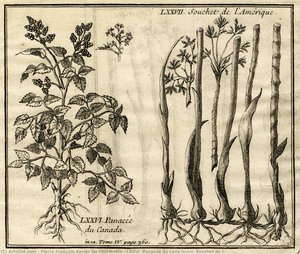
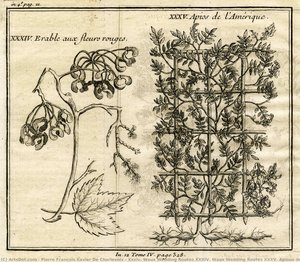
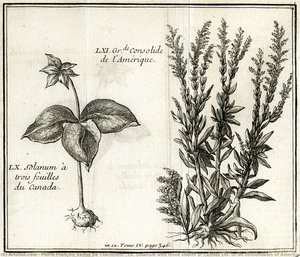
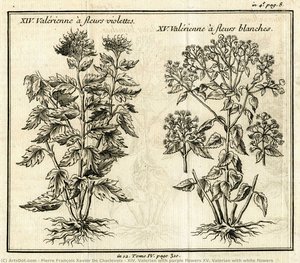
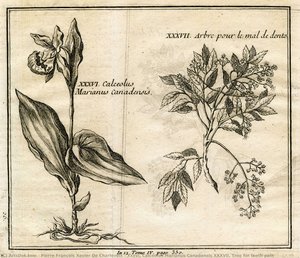
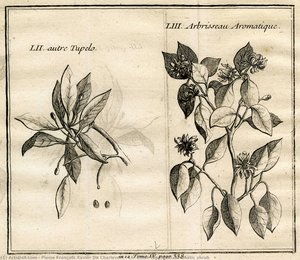
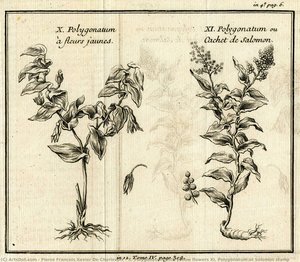
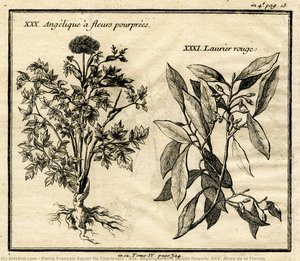
In the delicate dance of ink and paper, there exists a profound connection between the natural world and the human desire to document it. The engraving LXXXVIII. Sorbier of Canada LXXXIX. Bury, who wears bayes, dating back to 1744, serves as an exquisite portal into the botanical wonders of a bygone era. Created by the renowned French Jesuit priest, traveler, and historian Pierre François Xavier de Charlevoix, this piece is far more than a mere scientific illustration; it is a poetic encounter with the flora of New France. Through the meticulous medium of black and white engraving, the artist captures the structural elegance of two distinct botanical specimens, presenting them with a clarity that transcends the centuries.
The composition is a masterclass in balance and contrast. On one side, we encounter the Sorbier of Canada, depicted as a leafy, robust presence, its branches adorned with small, hanging berries that suggest the quiet abundance of the Canadian wilderness. Opposite this, the Bury presents a more ethereal, delicate silhouette, offering a rhythmic counterpoint to its sturdier companion. The use of fine line work and hatching creates a sense of depth and texture, allowing the viewer to almost feel the roughness of the bark and the softness of the foliage. This interplay of light and shadow, achieved through the disciplined technique of engraving, lends the work a sculptural quality that remains striking even in its monochromatic form.
The Legacy of Exploration and Scientific Artistry
To understand this artwork is to understand the spirit of the 18th-century Enlightenment. Charlevoix was not merely an observer but a chronicler of a new world. His work, particularly his monumental Histoire et description générale de la Nouvelle-France, sought to bring the untamed landscapes of North America into the intellectual salons of Europe. This engraving represents the intersection of scientific inquiry and artistic expression; it is a piece born from the necessity of documentation, yet elevated by an aesthetic sensibility that finds beauty in the minute details of nature.
For the discerning collector or interior designer, this reproduction offers a sophisticated touch of historical gravity. The presence of French inscriptions throughout the plate adds an air of academic prestige and old-world charm, making it an ideal centerpiece for a library, a study, or a curated gallery wall. It evokes a sense of nostalgia for the age of discovery, inviting contemplation on our enduring relationship with the environment. Whether framed as a singular statement of elegance or integrated into a larger collection of botanical prints, this work brings a timeless, scholarly grace to any interior space, celebrating the enduring allure of the natural world through the lens of history.
Related Artworks



Artist Biography
early life and education
pierre françois xavier de charlevoix, a french jesuit priest, traveller, and historian, was born in saint-quentin, france in 1682. he passed away in la flèche, france in 1761, leaving behind a legacy as the first historian of new france.contributions to art and history
charlevoix is best known for his contributions to the study of new france, including his histoire et description générale de la nouvelle-france, published in 1744. this work showcases his expertise as a historian and provides valuable insights into the early history of new france.artistic works
some of charlevoix's notable artistic works include:- xxxiv. waux wedding routes xxxiv. waux wedding routes xxxv. apious de l (engraving, canadian museum of nature, ottawa, canada)
- other artworks, such as his sketches and paintings, demonstrate his skill as an artist and his ability to capture the essence of new france.
museums featuring charlevoix's work
charlevoix's artwork can be found in various museums, including:- canadian museum of nature, ottawa, canada
- the musée baron gérard (france), bayeux, france (features european art from prehistory to the 20th century)
relevance and impact
charlevoix's work has been recognized for its historical significance, and his artistic style continues to inspire artists and historians alike. his contributions to the study of new france have made him a pioneer in both art and history. discover more about pierre françois xavier de charlevoix on ArtsDot.com: [https://ArtsDot.com/@/pierre-francois-xavier-de-charlevoix](https://ArtsDot.com/@/pierre-francois-xavier-de-charlevoix) explore the musée baron gérard (france) and its masterpieces on ArtsDot.com: [https://ArtsDot.com/@@/9avcev-ArtsDot-in-your-pocket](https://ArtsDot.com/@@/9avcev-ArtsDot-in-your-pocket)references
- pierre françois xavier de charlevoix, ArtsDot.com
- musée baron gérard (france), ArtsDot.com
- wikipedia: pierre françois xavier de charlevoix, wikipedia.org
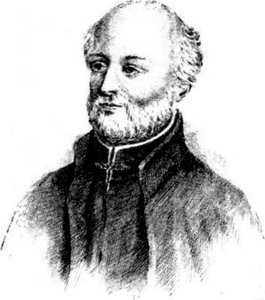
pierre françois xavier de charlevoix
1682 - 1761 , France
Quick Facts
- Artistic Movement Or Style: Rococo
- Date Of Birth: Saint-Quentin, France (1682)
- Date Of Death: La Flèche, France (1761)
- Full Name: Pierre François Xavier de Charlevoix
- Nationality: French
- Notable Artworks:
- Iupatoire du cane
- Angélique with purple flowers
- Alcea de la Florida
- Place Of Birth: Saint Quentin
Related Articles

Dark Masterpieces: 10 Iconic Paintings Dominated by Black Tones |
Explore 10 iconic paintings dominated by black tones, from Rembrandt’s chiaroscuro to Goya's dark expressions. Discover the stories behind these masterpieces & find museum-quality art reproductions for your home at .
Engraving's Golden Age: 10 Masterpieces That Redefined Art | ArtsDot
Journey through art history with our Top 10 Legendary Engravings! Explore masterpieces by Dürer, Rembrandt & Goya. Discover the stories behind these iconic prints and find museum-quality reproductions for your home at ArtsDot.com.

White on Canvas: 10 Masterpieces & Timeless Elegance for Your Home Decor
Explore 10 iconic white paintings by Monet, Whistler & Rothko! Discover the stories behind these serene masterpieces and their impact on art history. Find museum-quality reproductions for your home decor at .

Monochrome Visions: Exploring the Aesthetic & Historical Significance of Black & White Photography
Explore the rich history & artistic power of black and white photography. From early techniques to iconic masters like Ansel Adams, discover why monochrome continues to captivate art lovers today. Expert insights for collectors.
Engraving: A Historical Survey of Technique, Artistic Expression & Enduring Legacy
Explore the rich history of engraving with ArtsDot. Discover techniques, iconic artists like Dürer & Callot, collecting tips, and expert guidance for preserving your art investment. Learn about intaglio printing & more!