 Preview
 Send
Send Share
Share
 Details

 Download
 Similars
 X-Ray
X-Ray Diaporama
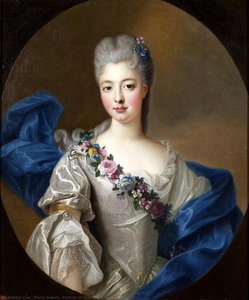
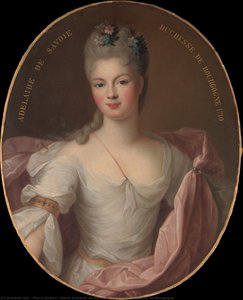
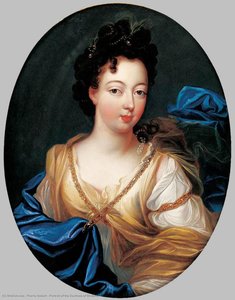
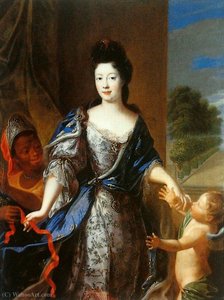
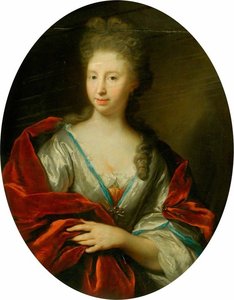
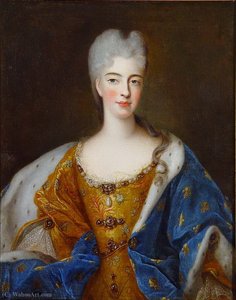
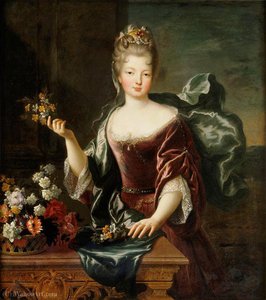
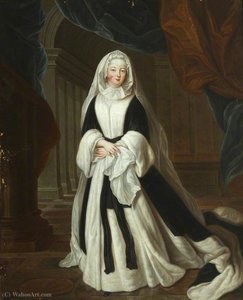
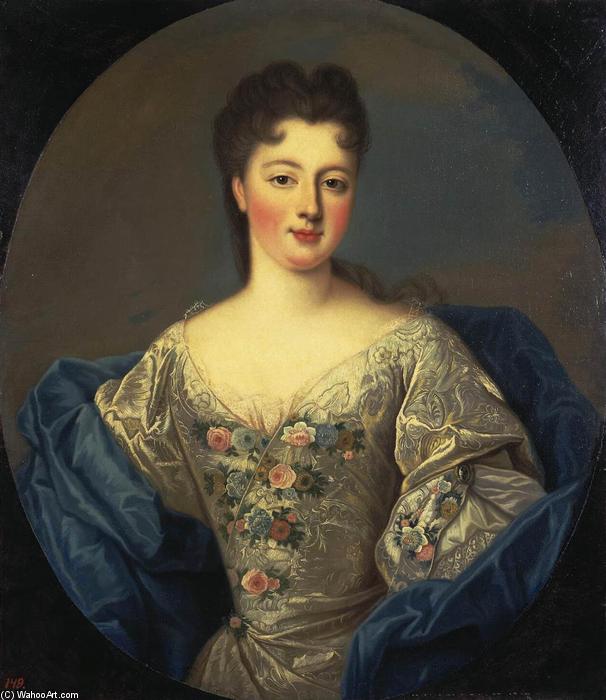
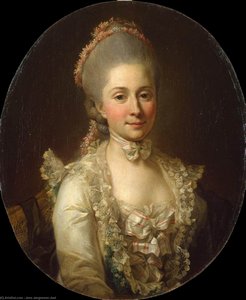
Portrait of Luiza Adelaida of Orleans
 Oil On Canvas
- WallArt
- 18th Century Rococo
 80.0 x 69.0 cm
 Hermitage Museum
 Read More
Hand Made Oil Reproduction
Hand-painted oil on canvas in your size and frame, made to order by our artists. ( Buy Print Buy Image)




P118B $10

P118H $10

P118W $10

P438Z $10

P508JH $12

P508YH $12

P805H $10

P805Z $10

P919BZ $10

P919G $10

P919XJ $10

P959ZH $10

P968JZ $12

W106C $8

W218G $10

W218JH $8

W218Y $10

W307PJ $10

W316G $10

W316PJ $8

W316Y $10

W398PJ $8

W4111J $10

W500HY $15

W500JH $15

W692G $12

W849H $8

W940BG $15

W953PJ $8




Pick from our preset sizes that match the artwork's original proportions.

You may enter your own dimensions to fit a specific frame or space. If your selected size does not match the original image's proportions, we will either crop the artwork or extend the painting with additional hand-painted elements. A digital mockup will be sent for your approval before production begins.
Please note that the on-screen preview does not reflect the actual cropping or extension. Only the mockup will accurately show the final composition.
While custom sizes are available, we recommend selecting a dimension from the predefined list to preserve the original proportions.
After order, ArtsDot.com team will email client for instructions and provide a mockup preview
Worldwide Delivery () in 3/4 weeks instead of standard 5 weeks. (16 August). No compromise on quality.

Free Worldwide Express Shipping

High-Quality Linen Canvas

Full Shipping Insurance

Customs Tax Refund Guarantee

True Color Matching Guarantee

60-Day Return Policy (Defects Only)

100% Money-Back Guarantee

Bulk Discount Offer
 Glass option is only available in size under 110 CM

Portrait of Luiza Adelaida of Orleans
Reproduction Medium
Reproduction Size
-


Total Price
$ 263
Artwork Description
Portrait of Luiza Adelaida of Orleans: A Window into 18th-Century French Aristocracy
Pierre Gobert’s “Portrait of Luiza Adelaida of Orleans,” painted circa 1704, is more than a simple likeness; it's a meticulously crafted window into the opulent world of 18th-century French aristocracy. Executed in oil on canvas, this oval masterpiece transcends mere representation, offering a glimpse into the refined sensibilities and carefully constructed social narratives of its subject and era. Measuring a substantial 80 x 69 cm, the painting commands attention with its balanced composition and subtle yet powerful details.
Gobert’s style during this period leaned heavily towards incorporating elements of mythology and classical allegory into his portraits – a hallmark that elevates these works beyond straightforward likenesses. Here, we see this influence subtly manifested in Luiza Adelaida's attire and the carefully chosen backdrop. The princess is presented in a pink silk gown, a color associated with youth, grace, and virtue—qualities highly valued in aristocratic women of the time. Her powdered wig, a symbol of status and fashionable elegance, frames her face, while delicate lace trim adds to the overall impression of refined luxury. The inclusion of a pectoral cross, a common motif in portraits intended to convey piety and social standing, further reinforces this message.
A Study in Light and Shadow: Gobert’s Technique
Gobert's mastery lies not just in his subject matter but also in his skillful application of light and shadow. The painting is bathed in a soft, diffused illumination that highlights Luiza Adelaida’s features without resorting to harsh contrasts. This technique creates a sense of serenity and composure, reflecting the princess’s dignified bearing. Notice how Gobert uses subtle gradations of tone to model the fabric of her gown, suggesting its luxurious texture and weight. The dark blue background serves as a sophisticated foil, drawing the viewer's eye directly to the subject and emphasizing her presence within the composition.
The artist’s attention to detail is remarkable. From the delicate embroidery on the dress to the subtle sheen of the pearls adorning her hair, every element contributes to the overall sense of realism and refinement. Gobert’s ability to capture the nuances of human expression—the slight tilt of Luiza Adelaida's head, the gentle curve of her lips—reveals a deep understanding of his subject and a remarkable talent for portraying personality through visual means.
Historical Context: The Reign of Louis XIV and Courtly Life
“Portrait of Luiza Adelaida of Orleans” was created during the height of Louis XIV’s reign, a period often referred to as the “Age of Gold.” The French court at Versailles was renowned for its extravagance, sophistication, and elaborate rituals. Portraits like this one were not merely decorative; they served as powerful tools for asserting social status, reinforcing dynastic legitimacy, and projecting an image of wealth and power. Luiza Adelaida’s position within the royal family—as a princess—ensured that her portrait would be displayed prominently in aristocratic circles, serving as a visual testament to her lineage and influence.
The painting's provenance – now held at the Hermitage Museum in St. Petersburg – speaks volumes about its historical significance and enduring appeal. It represents a significant example of Gobert’s work during his most prolific period, showcasing his ability to capture the essence of aristocratic life while subtly incorporating elements of mythological symbolism.
A Timeless Masterpiece: Reproduction Possibilities
Today, “Portrait of Luiza Adelaida of Orleans” remains a captivating example of 18th-century portraiture. Reproductions offer an accessible way to experience the beauty and artistry of this remarkable painting in your own home or office. Available in various sizes and framing options, a high-quality reproduction allows you to bring a touch of French aristocratic elegance into any space. Consider commissioning a custom frame to perfectly complement the artwork’s rich colors and intricate details – a truly rewarding way to honor Gobert's legacy.
Related Artworks
Artist Biography
A Painter of Nobility: The Life and Art of Pierre Gobert
Pierre Gobert, born in Fontainebleau, France in 1662, emerged as a defining portraitist of the French aristocracy during the late Baroque and early Rococo periods. As the son of sculptor Jean II Gobert, he inherited an artistic lineage that fostered his keen eye for form and detail. While his father worked with three-dimensional representations, Pierre translated this sensibility into capturing the likenesses – and more importantly, the *essence* – of those who graced the court of Louis XIV and beyond. His entry into the prestigious Royal Academy of Painting and Sculpture on December 31st, 1701, formally recognized his talent and signaled the beginning of a successful career dedicated to portraying the elite.The Court’s Preferred Portraitist
Gobert quickly ascended to become the favored painter of the great ladies surrounding Louis XIV. This wasn't merely about technical skill; it was about understanding and conveying status, personality, and the carefully constructed image each noblewoman wished to project. The sheer volume of portraits Gobert executed during this period – a testament to his popularity and ability to satisfy discerning patrons – speaks volumes about his position within the courtly hierarchy. He wasn’t simply documenting faces; he was crafting enduring symbols of power and refinement. His work offered more than just resemblance, it provided an idealized vision of beauty and grace, tailored to each sitter's desires.Blending Mythology with Reality
What truly distinguished Gobert’s style was his innovative incorporation of mythological elements into his portraits. This wasn’t a haphazard addition; rather, it was a deliberate strategy to elevate the status of his subjects and imbue their likenesses with deeper meaning. A noblewoman might be depicted alongside allegorical figures representing virtues like fidelity or wisdom, subtly reinforcing her moral character and social standing. This practice reflected the broader artistic trends of the time – a fascination with classical antiquity and a desire to connect contemporary figures with timeless ideals. Gobert masterfully balanced realistic portraiture with symbolic imagery, creating works that were both visually striking and intellectually engaging.Portraying the Régent and Successors
Gobert’s commissions extended beyond the inner circle of Louis XIV's court. He received prestigious assignments to paint portraits of the *Régent* of France, Philippe II, Duke of Orléans, alongside his daughter Marie Louise Élisabeth d'Orléans. This demonstrated a continuity of patronage as power shifted within the French monarchy. He continued to be sought after during the reign of Louis XV, capturing the likenesses of Anne Louise Bénédicte de Bourbon and even the King himself, along with his wife, Marie Leszczyńska. Perhaps most touching are his portraits of Louis XV’s twin daughters, Princess Marie Louise Élisabeth and Princess Henriette Anne, painted in their infancy – delicate depictions that reveal a softer side to Gobert's artistic repertoire.Legacy and Historical Significance
Pierre Gobert died in Paris, leaving behind a substantial body of work that provides invaluable insight into the lives and aesthetics of 18th-century French nobility. His paintings are not merely historical documents; they are carefully constructed narratives about power, status, and identity. His ability to blend realistic portraiture with mythological symbolism, coupled with his technical skill in capturing likenesses and textures, cemented his reputation as one of the leading portraitists of his time. Gobert’s work continues to captivate audiences today, offering a glimpse into a world of opulence, refinement, and artistic innovation. His paintings remain highly prized for their historical significance, aesthetic beauty, and ability to transport viewers back to the glittering courts of France's golden age.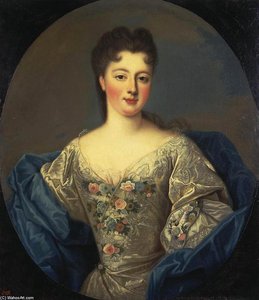
Pierre Gobert
1662 - 1744 , France
Quick Facts
- Artistic Movement Or Style: Rococo
- Artists Or Movements Influenced By This Artist: ['Classical French Art']
- Artists Who Influenced This Artist: ['Jean II Gobert']
- Date Of Birth: Fontainebleau, France (1662)
- Date Of Death: Paris
- Full Name: Pierre Gobert
- Nationality: French
- Notable Artworks:
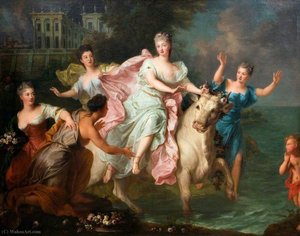
- Europa Carried off by Jupiter
- The Family of the Duke of Valentinois
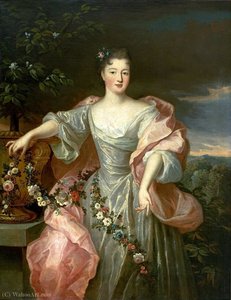
- Portrait of the Duchess of Modena
- Place Of Birth: Fontainebleau
Related Articles

Renoir's Masterpieces: Explore 25 Iconic Paintings & Bring Art Home | ArtsDot
Explore 25 iconic Pierre-Auguste Renoir paintings! Discover the stories behind Impressionist masterpieces like 'Dance at Le Moulin de la Galette' & 'Luncheon of the Boating Party'. Find museum-quality art reproductions and elevate your home decor with ArtsDot.com.
Simon Vouet: A Baroque Master's Journey from Italian Influence to French Classicism
Explore the life & art of Simon Vouet, a pivotal French Baroque painter who introduced Italian styles to France. Discover his masterpieces and lasting influence on 17th-century art.

Baroque Drama: Bringing Opulence & Emotion into Contemporary Interiors
Explore the opulent world of Baroque interior design! Discover key elements, modern applications & how to bring dramatic elegance into your home with 's authentic reproductions.
Charles Le Brun: Master of French Baroque Classicism & His Enduring Legacy
Explore the life & art of Charles Le Brun, master of French Baroque Classicism. Discover his royal commissions, influence on Versailles, and enduring legacy through detailed analysis & stunning artworks.

The Dramatic Flourish: Exploring the Baroque Movement's Enduring Legacy in Art History
Explore the dramatic world of Baroque art! Discover iconic artists like Caravaggio & Rubens, defining techniques, and its lasting impact on art history. Expert insights for collectors & enthusiasts at ArtsDot.