

 Preview
 Send
Send Share
Share
 Details

 Download
 Similars
 X-Ray
X-Ray Diaporama
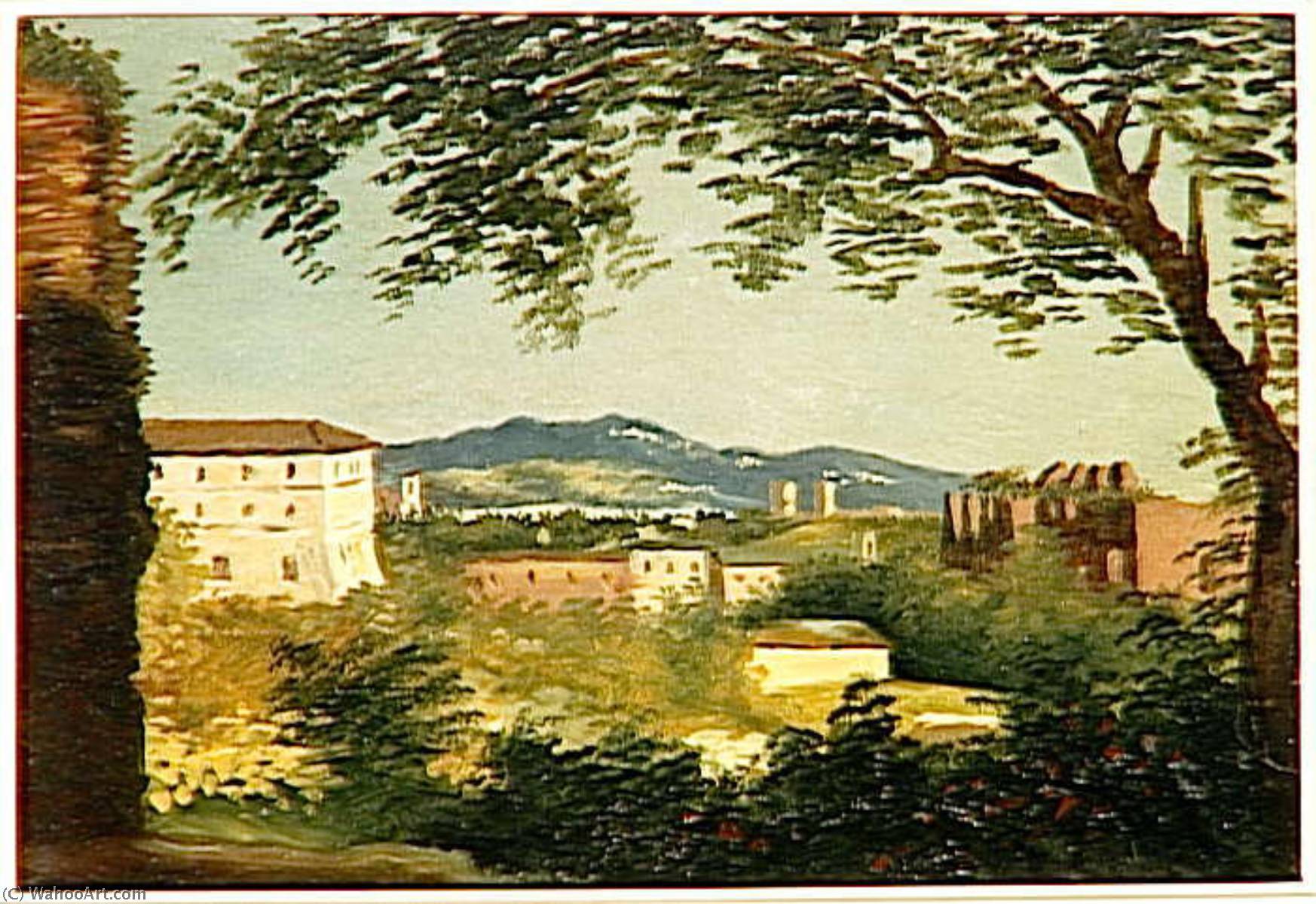
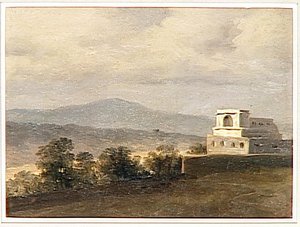
A LA VILLA FARNESE


 Read More
Purchase a high-resolution, enhanced digital image, far superior to the online preview.
Each file is meticulously prepared by our in-house specialists using advanced tools and expert manual retouching. We ensure every image has exceptional clarity, precise color accuracy, and fine detail.
The final file is delivered via email within 72 hours, optimized for immediate use in professional, editorial, and print environments. This is the same quality trusted by top-tier design studios, publishers, and galleries.
Digital Image
Download a high-resolution file for personal display, printing, and creative projects. ( Buy Print Buy Hand Made Painting)
Included in Every Digital Image Order
Expert Digital Delivery, Guaranteed
When you choose ArtsDot.com, you're not just getting an image - you're receiving a professionally enhanced digital artwork, crafted with precision and backed by a satisfaction guarantee. Here's everything that comes with your order, automatically:

Fast Email Delivery
Your high-resolution digital image file will be emailed to you within 72 hours of ordering - ready for immediate use.

AI-Enhanced Digital File
Your artwork is professionally optimized using advanced AI tools and manual editing, ensuring maximum detail, clarity, and color accuracy.

Free Lifetime Re-Delivery
Accidentally deleted or lost your file? No worries - we'll resend it to you anytime, free of charge.

No Import Fees - Ever
Enjoy your artwork instantly with zero customs, duties, or delivery fees - digital downloads are always tax-free.

Color Accuracy Guarantee
We ensure your digital image reflects the original colors as closely as possible using professional tools and color management.

60-Day Satisfaction Guarantee
If you're not satisfied with your digital image, we'll revise it or refund 100% within 60 days - no questions asked.

100% Money-Back Guarantee
Not satisfied? Get a full refund within 60 days of receiving your digital file - no questions asked.

Bulk Order Discounts
Buy 3 images, save 10% - Buy 5, save 15% - Buy 10+, save 20%. Great for creative projects, galleries, and agencies.
Collectible Description
A Study in Tranquility: Exploring Pierre-Henri Valenciennes’ “À la Villa Farnèse”
“À la villa Farnèse,” painted by Pierre-Henri de Valenciennes around 1780, stands as a testament to the burgeoning Romantic movement's embrace of plein air painting and its fascination with idealized landscapes. More than just a depiction of an architectural marvel—the Villa Farnese in Rome—it’s a carefully crafted meditation on beauty, serenity, and the sublime power of observation. Valenciennes, recognizing the limitations of studio artifice, championed the revolutionary concept of the ‘landscape portrait,’ prioritizing direct engagement with nature to capture its fleeting essence.- Subject Matter: The artwork focuses squarely on Villa Farnese itself, rendered against a backdrop of rolling hills and distant mountains. Valenciennes’ meticulous attention to detail—evident in the depiction of foliage, architectural structures, and even a pathway leading towards the viewer—reflects the prevailing artistic ethos of the era.
- Style: Valenciennes' approach aligns seamlessly with Neoclassical ideals tempered by Romantic sensibilities. While adhering to classical compositional principles – notably the balanced arrangement of buildings and vegetation – he eschews rigid formalism in favor of looser brushstrokes and a palpable sense of atmosphere. This stylistic blend speaks to the broader cultural shift toward valuing emotion and experience alongside intellectual contemplation.
- Technique: Valenciennes employed oil paint on canvas, utilizing a technique characterized by impasto—thickly applied pigment—to imbue the surface with textural richness. The visible brushstrokes aren’t merely decorative; they actively contribute to conveying the dynamism of light and shadow across the landscape, mirroring the Romantic preoccupation with capturing transient moments of beauty.
- Historical Context: Painted during a period marked by significant artistic experimentation, Valenciennes' work represents a pivotal moment in the evolution of landscape painting. It anticipates later developments in Impressionism, where artists similarly sought to capture immediate sensory impressions rather than striving for photographic accuracy. The villa Farnese itself was a symbol of papal grandeur and aristocratic taste—a subject ripe for artistic interpretation during the Enlightenment.
- Symbolic Significance & Emotional Impact: Beyond its visual splendor, “À la Villa Farnèse” evokes a profound sense of tranquility and contemplation. The framing foliage subtly isolates the villa, creating an intimate space that invites viewers to immerse themselves in the scene’s serene beauty. Valenciennes' masterful rendering captures not just what is seen but also what is felt—a nostalgic yearning for harmony with nature and an appreciation for timeless architectural grandeur.
- Louvre Site des Collections: À la villa Farnèse: les ruines
- Online Art Databases: Consult reputable art databases (Artstor, Google Arts & Culture) for high-resolution images and scholarly articles on Valenciennes’ oeuvre.
Related Artworks


Artist Biography
early life and training
pierre-henri de valenciennes, a french painter, was born on december 6, 1750. his birthplace is not specified in available records, but his contributions to the art world are well-documented. de valenciennes' early training and education are not extensively recorded, but it is known that he worked in rome from 1778 to 1782, where he made a number of landscape studies directly from nature.contributions to en plein air painting
de valenciennes was influential in elevating the status of en plein air (open-air painting). his work in rome led to the development of his theory, which he outlined in his 1800 treatise reflections and advice to a student on painting, particularly on landscape. this concept introduced the idea of a 'landscape portrait,' where an artist paints a landscape directly while looking upon it, capturing its particular details. this approach allowed de valenciennes to capture the fleeting changes of a landscape due to light and weather.notable students and influence
among his notable students were jean-victor bertin, achille etna michallon, louis étienne watelet, louis-françois lejeune, and the first french panorama painter pierre prévost. de valenciennes' influence on these artists and his contributions to the development of en plein air painting have left a lasting impact on the art world.later life and death
de valenciennes passed away in paris on february 16, 1819. he is buried in the père lachaise cemetery, a famous cemetery in paris known for its notable residents.- view pierre-henri de valenciennes's artwork on ArtsDot.com
- explore the musée des beaux-arts valence, a museum featuring european paintings and sculptures, on ArtsDot.com
- discover more about french art and its history on wikipedia
legacy
pierre-henri de valenciennes's legacy in the art world is undeniable. his pioneering work in en plein air painting has inspired generations of artists, and his influence can still be seen today. through his treatise and his students, de valenciennes has left an indelible mark on the world of art.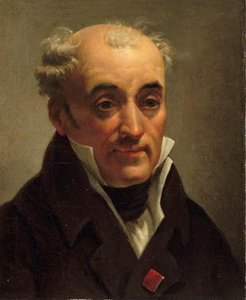
Pierre-Henri de Valenciennes
1750 - 1819 , France
Quick Facts
- Artistic Movement Or Style: En plein air painting
- Artists Or Movements Influenced By This Artist: ['Pierre Chauvin']
- Artists Who Influenced This Artist:
- Jean Victor Bertin
- Achille Etna Michallon
- Date Of Birth: December 6, 1750
- Date Of Death: February 16, 1819
- Full Name: Pierre Henri de Valenciennes
- Nationality: French
- Notable Artworks:
- Village de Nemi
- A LA Villa Borghese Chemin borde d'arbres
- Place Of Birth: Toulouse, France

