 Preview
 Send
Send Share
Share
 Details

 Download
 Similars
 X-Ray
X-Ray Diaporama
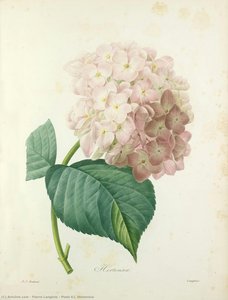
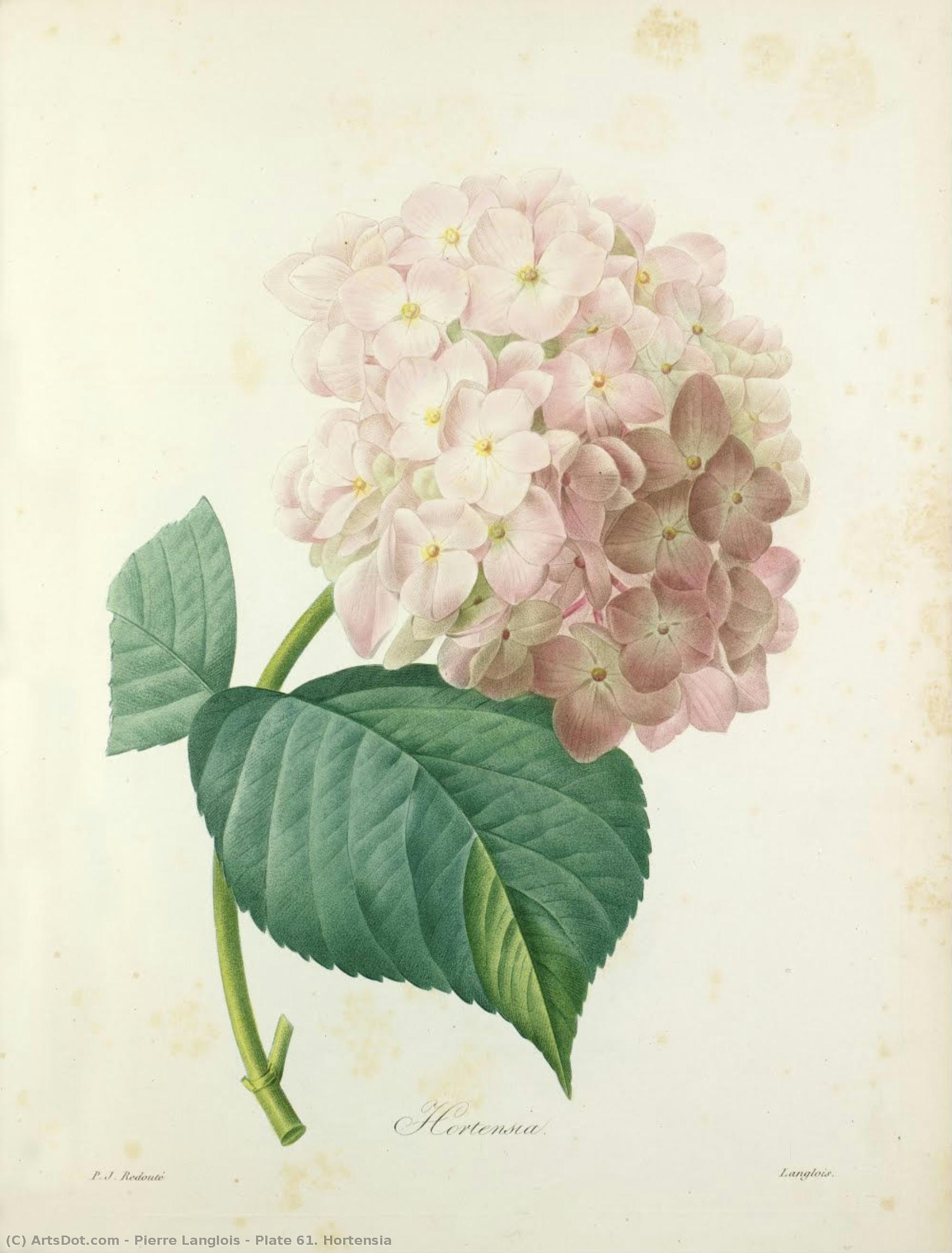
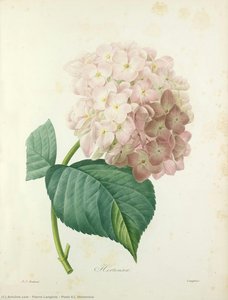
Plate 61. Hortensia


 Read More
Giclée / Art Print
Museum-quality giclée or canvas print with fast production and flexible finish options. ( Buy Hand Made Painting Buy Image)




































Pick from our preset sizes that match the artwork's original proportions.

You may enter your own dimensions to fit a specific frame or space. If your selected size does not match the original image's proportions, we will either crop the artwork or extend the image with a mirrored or solid-fill edge. A digital mockup will be sent for your approval before production begins.
Please note that the on-screen preview does not reflect the actual cropping or extension. Only the mockup will accurately show the final composition.
While custom sizes are available, we recommend selecting a dimension from the predefined list to preserve the original proportions.
Worldwide Delivery () in 2 weeks instead of standard 4/5 weeks. (31 August)

Free Worldwide Express Shipping

High-Quality Linen Canvas

Full Shipping Insurance

Customs Tax Refund Guarantee

True Color Matching Guarantee

60-Day Return Policy (Defects Only)

100% Money-Back Guarantee

Bulk Discount Offer
 Glass option is only available in size under 110 CM

Plate 61. Hortensia
Giclée / Art Print
Reproduction Size
-


Total Price
$ 63
Related Artworks

Artist Biography
The Weaver of Renaissance Echoes
Pierre Langlois (1909–1990) occupied a unique space in the twentieth-century artistic landscape, acting as a bridge between the scientific precision of chemistry and the tactile grandeur of French textile traditions. While history often remembers him through his passion for philately, his true legacy resides in the intricate threads of his Aubusson tapestries. Born in France during an era of profound intellectual revival, Langlois possessed a dual fascination with the empirical and the aesthetic. His early academic pursuits in chemistry provided him with a rare, technical advantage; his expertise in pigment analysis and material conservation allowed him to approach the loom not just as a weaver, but as a master of color stability and textural depth.
His artistic evolution began with the delicate, fluid strokes of watercolor landscapes, yet he soon found himself drawn to the monumental scale and structural complexity of tapestry weaving. This transition required a profound immersion into the history of art, specifically the Renaissance masters. Langlois became deeply enamored with the sfumato technique pioneered by Leonardo da Vinci, seeking ways to translate that smoky, seamless blending of tones into the distinct, interlaced fibers of the Aubusson tradition. By studying the way light interacts with pigment, he learned to manipulate muted hues and layered textures to create a sense of luminosity that seemed to emanate from within the fabric itself.
Mastery of Thread and Tradition
The pinnacle of Langlois’s career was marked by his ability to breathe dramatic life into historical narratives. His most celebrated achievement, Plate 61 ‘Hortensia’, commissioned by the Amboise Museum, stands as a testament to his skill. In this monumental work, Langlois moved beyond mere decoration to capture the theatrical intensity of Shakespearean drama. Depicting a scene from Henry VIII, the tapestry captures the tension and emotion of the royal court with a precision that rivals classical painting. Through meticulous color blending, he achieved a sense of atmospheric depth, making the woven threads appear as fluid as oil paint.
Beyond his individual masterpieces, Langlois was a tireless guardian of French heritage. His commitment to the preservation of artisanal techniques led him to serve as the president of the Société Française d'Études Aubussoniennes. In this role, he became a scholar-artist, illuminating the complex symbolism and historical importance of weaving for future generations. His life’s work was a continuous dialogue between the past and the present, ensuring that the ancient art of Aubusson would not fade into obscurity but would instead continue to resonate with the same splendor as the Renaissance era that so deeply inspired him.
pierre langlois
1909 - 1990 , France
Quick Facts
- Artistic Movement Or Style: Aubusson Tapestries
- Artists Or Movements Influenced By This Artist: ['Renaissance Art']
- Artists Who Influenced This Artist: ['Leonardo da Vinci']
- Date Of Birth: 1909
- Full Name: Pierre Langlois
- Nationality: French
- Notable Artworks: ['Plate 61 Hortensia']
- Place Of Birth: France