 Preview
 Send
Send Share
Share
 Details

 Download
 Similars
 X-Ray
X-Ray Diaporama
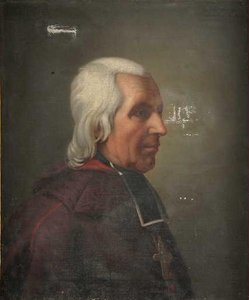
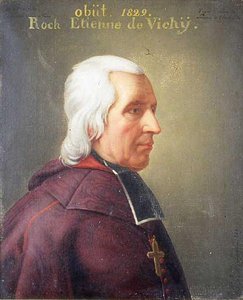
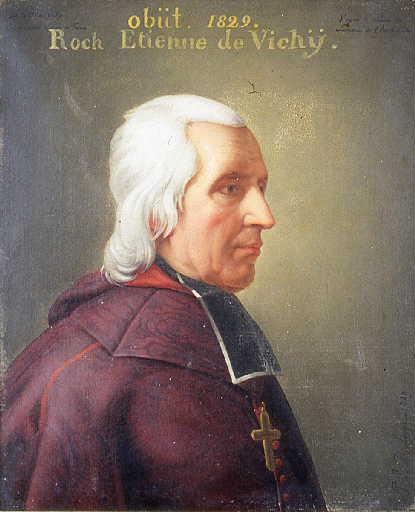
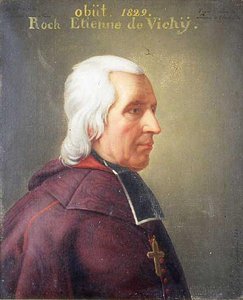
Portrait de Roch Etienne de Vichy Roch Etienne de Vichy, évêque d'Autun de 1819 à 1829 (autre titre)

 Read More
Hand Made Oil Reproduction
Hand-painted oil on canvas in your size and frame, made to order by our artists. ( Buy Print Buy Image)




































Pick from our preset sizes that match the artwork's original proportions.

You may enter your own dimensions to fit a specific frame or space. If your selected size does not match the original image's proportions, we will either crop the artwork or extend the painting with additional hand-painted elements. A digital mockup will be sent for your approval before production begins.
Please note that the on-screen preview does not reflect the actual cropping or extension. Only the mockup will accurately show the final composition.
While custom sizes are available, we recommend selecting a dimension from the predefined list to preserve the original proportions.
After order, ArtsDot.com team will email client for instructions and provide a mockup preview
Worldwide Delivery () in 3/4 weeks instead of standard 5 weeks. (24 August). No compromise on quality.

Free Worldwide Express Shipping

High-Quality Linen Canvas

Full Shipping Insurance

Customs Tax Refund Guarantee

True Color Matching Guarantee

60-Day Return Policy (Defects Only)

100% Money-Back Guarantee

Bulk Discount Offer
 Glass option is only available in size under 110 CM

Portrait de Roch Etienne de Vichy Roch Etienne de Vichy, évêque d'Autun de 1819 à 1829 (autre titre)
Reproduction Medium
Reproduction Size
-


Total Price
$ 263
Related Artworks
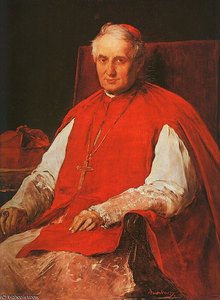
Artist Biography
Pierre Louis Delaval: A Master of the French Aristocratic Portrait
The world of 19th-century European art is rich with portraits, yet few possess the subtle grace and profound psychological insight of Pierre Louis Delaval. Born in ArtsDot in 1790, Delaval’s career unfolded during a period of immense social and political change in France – from the Napoleonic era to the rise of Romanticism – shaping his artistic vision and influencing his distinctive style. He wasn't merely a recorder of likeness; he was an astute observer of character, meticulously capturing not just physical appearance but also the nuances of personality, social standing, and inner life within the confines of the formal portrait.
Delaval’s early training remains somewhat shrouded in mystery, though it is believed he received instruction from his father, Louis-Joseph de Laval, a renowned painter who served as court painter to King Louis XVI. This lineage instilled in him a deep appreciation for classical techniques and a commitment to academic precision. However, unlike his father, Delaval quickly developed a unique approach, characterized by a remarkable sensitivity to light, color, and texture. His early works demonstrate a mastery of traditional oil painting methods, yet they already hint at the burgeoning Romantic tendencies that would later define his oeuvre.
Delaval’s most significant period of artistic activity occurred in the decades following the Restoration of the Bourbon monarchy in 1814. He established himself as one of the leading portraitists of his time, attracting a prestigious clientele comprised of members of the French aristocracy, nobility, and prominent figures from various spheres – military officers, diplomats, and even opera singers. His commissions were not simply about vanity; they reflected a genuine interest in documenting the social fabric of post-revolutionary France. He was commissioned to paint portraits for many important families, including the Condé family, whose history is detailed on Wikipedia (link provided below).
- Key Subjects: Delaval’s subjects were predominantly members of the French aristocracy and nobility, reflecting his position within Parisian society. He frequently depicted figures from prominent families like the Orleans, Bourbon, and Condé dynasties.
- Technique: His technique was characterized by a meticulous attention to detail, particularly in rendering fabrics, jewelry, and facial features. He employed subtle gradations of light and shadow to create a sense of volume and depth, while his use of color was remarkably restrained yet evocative.
- Psychological Insight: Perhaps Delaval’s greatest strength lay in his ability to capture the psychological essence of his subjects. His portraits are not merely representations of appearance; they convey a sense of character, mood, and inner life. He skillfully used pose, expression, and background elements to reveal the personalities of those he depicted.
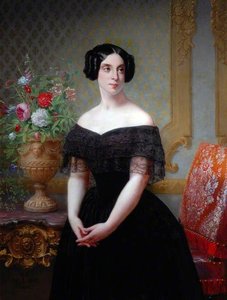
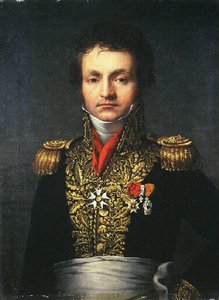
Among Delaval’s most celebrated works is “Portrait of a Lady in Black,” a stunning example of his neoclassical style (link provided). The painting exemplifies his mastery of light and shadow, as well as his ability to capture the elegance and sophistication of his subject. Similarly, "Portrait du Général de brigade Pierre de Pelleport" showcases his skill in depicting military figures with dignity and authority. These works, along with numerous others, demonstrate Delaval’s versatility and his capacity to adapt his style to suit the specific requirements of each commission.
Delaval's work is also available for purchase through various online platforms such as Media Storehouse (link provided). This demonstrates the continued interest in his art and its enduring appeal. His portraits offer a valuable window into the social, cultural, and artistic landscape of 19th-century France, providing insights into the lives and aspirations of those who shaped that era.
Influences and Artistic Development
Delaval’s artistic development was undoubtedly influenced by the prevailing trends of his time. The Neoclassical movement, with its emphasis on classical forms, idealized beauty, and moral virtue, exerted a significant impact on his early work. However, he also absorbed elements from the emerging Romantic style, particularly in his use of dramatic lighting, expressive brushwork, and emotional intensity. The influence of artists like Jacques-Louis David, whose works were widely admired during Delaval’s formative years, is evident in his meticulous attention to detail and his commitment to academic precision.
Furthermore, Delaval's exposure to the vibrant artistic scene of Paris played a crucial role in shaping his style. He frequented art galleries, attended salon gatherings, and engaged with fellow artists, absorbing new ideas and techniques. His travels throughout Europe also broadened his artistic horizons, exposing him to diverse cultural influences and inspiring him to experiment with different approaches.
Major Achievements and Legacy
Pierre Louis Delaval’s career spanned several decades, during which he produced a vast body of work that is considered among the finest examples of 19th-century French portraiture. He was recognized as one of the leading portraitists of his time, commanding high fees for his commissions and enjoying the patronage of some of France's most influential figures. His portraits are now housed in prestigious museums and private collections around the world, testament to their enduring artistic merit.
Delaval’s legacy extends beyond his individual achievements. He helped to establish a tradition of portraiture that emphasized psychological insight and emotional depth. His work influenced subsequent generations of artists, who continued to explore the complexities of human character through the medium of painting. His meticulous technique and sensitivity to detail continue to inspire admiration among art historians and collectors alike.
Resources for Further Exploration
- Mutual Art: Pierre-Louis de Laval Biography
- Artprice.com: Pierre Louis Delaval Profile
- Media Storehouse: Pierre Louis Delaval Art Prints
- Wikipedia: Louis Henri, Prince of Condé
Note: Links provided are for informational purposes and may change over time.
pierre louis delaval
1790 - 1870
Quick Facts
- Artistic Movement Or Style: Neoclassical Portraiture
- Date Of Birth: 1790
- Date Of Death: 1881
- Full Name: Pierre Louis Delaval
- Nationality: French
- Notable Artworks:
- Portrait of a Lady in Black
- Portrait du Général de brigade Pierre de Pelleport
- Place Of Birth: WahooArt
Related Articles

The Enduring Legacy of Oil on Canvas: Technique, History & Aesthetic Impact
Explore the rich history & techniques of oil painting – from Renaissance masters to Impressionism. Discover pigments, layering methods, and why this timeless medium endures. Expert insights for artists & art enthusiasts.

Oil on Canvas: A Historical & Technical Exploration of a Timeless Artistic Medium
Explore the rich history & enduring techniques of oil painting on canvas. Discover the science behind its longevity, conservation practices, and contemporary relevance. Expert insights for art enthusiasts.
19th Century Masterpieces: 10 Paintings That Defined an Era | ArtsDot
Journey through 19th century art with ArtsDot! Explore 10 iconic paintings – from Monet & Renoir to Courbet – and discover the stories behind Romanticism, Realism & Impressionism. Find museum-quality reproductions for your home decor. Explore the full collection online!

The Enduring Power of Painting: A Historical & Contemporary Exploration of Form and Emotion
Explore the rich history & enduring techniques of oil painting with ArtsDot. Discover masterpieces, learn about art collecting, and find authentic handmade reproductions crafted by skilled artists.

The Enduring Legacy of Oil on Canvas: Technique, History & Contemporary Practice
Explore the rich history & enduring techniques of oil painting on canvas. Discover the science behind its longevity, conservation practices, and contemporary relevance. Expert insights for art enthusiasts.