 Preview
 Send
Send Share
Share
 Details

 Download
 Similars
 X-Ray
X-Ray Diaporama
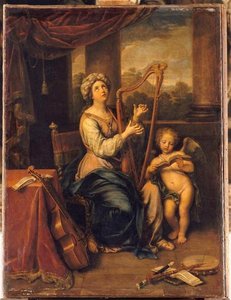
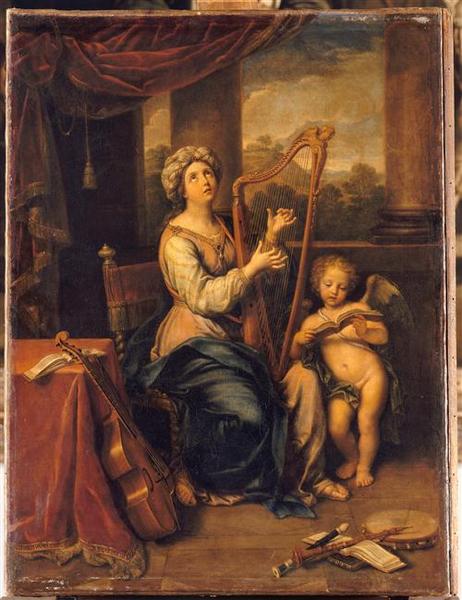
Sainte Cécile chantant les louanges du Seigneur


 Read More
Giclée / Art Print
Museum-quality giclée or canvas print with fast production and flexible finish options. ( Buy Hand Made Painting Buy Image)




P118B $10

P118H $10

P118W $10

P438Z $10

P508JH $12

P508YH $12

P805H $10

P805Z $10

P919BZ $10

P919G $10

P919XJ $10

P959ZH $10

P968JZ $12

W106C $8

W218G $10

W218JH $8

W218Y $10

W307PJ $10

W316G $10

W316PJ $8

W316Y $10

W398PJ $8

W4111J $10

W500HY $15

W500JH $15

W692G $12

W849H $8

W940BG $15

W953PJ $8




Pick from our preset sizes that match the artwork's original proportions.

You may enter your own dimensions to fit a specific frame or space. If your selected size does not match the original image's proportions, we will either crop the artwork or extend the image with a mirrored or solid-fill edge. A digital mockup will be sent for your approval before production begins.
Please note that the on-screen preview does not reflect the actual cropping or extension. Only the mockup will accurately show the final composition.
While custom sizes are available, we recommend selecting a dimension from the predefined list to preserve the original proportions.
Worldwide Delivery () in 2 weeks instead of standard 4/5 weeks. (22 August)

Free Worldwide Express Shipping

High-Quality Linen Canvas

Full Shipping Insurance

Customs Tax Refund Guarantee

True Color Matching Guarantee

60-Day Return Policy (Defects Only)

100% Money-Back Guarantee

Bulk Discount Offer
 Glass option is only available in size under 110 CM

Sainte Cécile chantant les louanges du Seigneur
Giclée / Art Print
Reproduction Size
-


Total Price
$ 63
Collectible Description
A Baroque Masterpiece: Sainte Cécile Chantant les Louanges du Seigneur by Pierre Mignard
Pierre Mignard’s “Sainte Cécile chantant les louanges du Seigneur” – Saint Cecilia praising the Lord – is more than just a painting; it's a luminous window into the heart of 17th-century French Baroque artistry. Created around 1691, this exquisite work, now housed within the Louvre Museum in Paris, captures a pivotal moment of devotion and musical ecstasy, embodying the grandeur and emotional intensity that defined Mignard’s distinctive style. The painting isn't merely a depiction of a saint; it’s an immersive experience, inviting the viewer to participate in her act of worship.
Mignard, born in Troyes in 1612 and later earning the moniker “Mignard le Romain” for his extensive time spent in Rome, was a pivotal figure in French art. His artistic journey began with training under Jean Boucher, absorbing the influence of Mannerism before finding his true voice through study with Simon Vouet, who instilled a deep appreciation for classical principles while encouraging a distinctly personal approach. This dual education – rooted in tradition yet driven by innovation – is powerfully evident in “Sainte Cécile,” where the idealized forms and dramatic lighting recall the grandeur of Italian masters, tempered by a subtle French elegance.
A Symphony of Color and Form
The composition immediately draws the eye to Saint Cecilia herself, seated gracefully within what appears to be a richly appointed interior – perhaps a palace or temple. Her posture exudes serenity and focused devotion as she plays the harp, her fingers poised above the strings, seemingly channeling divine inspiration. An angel, positioned slightly off-center to the right, holds a book open, suggesting the sacred text that fuels her praise. Scattered around the base of the scene are musical instruments – a violin, a drum, and sheets of music – creating a vibrant tableau of harmonious worship. The color palette is dominated by warm earth tones—deep reds, browns, and golds—interspersed with cooler blues and greens, lending the painting an atmosphere of both opulence and tranquility.
Mignard’s masterful use of line further enhances the composition's dynamism. Strong vertical lines delineate the columns supporting the architectural setting, providing stability and grounding the scene. The flowing curves of Saint Cecilia’s gown and the angel’s robes create a sense of movement and grace. The artist skillfully employs layering techniques, building up colors in delicate glazes to achieve a remarkable level of detail and luminosity. Notice particularly the subtle variations in tone across the fabric—the way light catches on the folds of drapery—demonstrating Mignard's meticulous attention to texture and surface.
Symbolism and Spiritual Resonance
“Sainte Cécile” is rich with symbolic meaning. Saint Cecilia, traditionally recognized as the patron saint of music, embodies the power of art to elevate the soul. Her act of playing the harp represents a direct connection to the divine—a conduit for expressing gratitude and praise. The angel’s presence reinforces the sacred nature of the scene, signifying God's guidance and blessing. The musical instruments themselves are potent symbols of harmony, unity, and spiritual enlightenment. The overall effect is one of profound reverence and emotional uplift.
Furthermore, the painting reflects the Baroque fascination with drama and emotion. The lighting—diffused yet dramatic—casts a warm glow upon the figures, highlighting their expressions of devotion. The composition’s balanced arrangement creates a sense of visual harmony, while the subtle use of perspective draws the viewer into the scene, inviting them to share in Saint Cecilia's spiritual experience. It is a painting that speaks not just to the eye but also to the heart.
A Legacy of Baroque Grandeur
Pierre Mignard’s “Sainte Cécile chantant les louanges du Seigneur” stands as a testament to the enduring power and beauty of Baroque art. Its masterful composition, rich color palette, and profound symbolism continue to captivate viewers centuries after its creation. Reproductions of this iconic work offer an exceptional opportunity to bring this exquisite masterpiece into your home or office, allowing you to experience firsthand the artistry and spiritual resonance that define Mignard’s legacy.
Related Artworks

Artist Biography
A Life Immersed in Baroque Splendor
Pierre Mignard, born in Troyes, France, in 1612, was a pivotal figure in the French Baroque painting scene, though often overshadowed by his contemporary and rival, Charles Le Brun. From humble beginnings within a family of artisans, Mignard demonstrated an early artistic inclination that led him to Bourges for initial training under Jean Boucher, a painter steeped in Mannerist traditions. This foundational period instilled in him a sensitivity to form and composition, which he further refined through diligent copying of works at the Château de Fontainebleau – a veritable schoolroom of established artistic principles. Crucially, his studies continued within the Parisian studio of Simon Vouet, a master who championed classical influences and possessed extensive international connections. These formative experiences laid the groundwork for Mignard’s distinctive style, one that would blend Italianate grandeur with French elegance.Roman Reverie and the Birth of “Mignardises”
A defining chapter in Mignard's artistic journey began in 1635 with his relocation to Rome. For approximately twenty-two years, he immersed himself in the vibrant heart of Italian Baroque art. It was here that he truly blossomed, gaining renown for his tender and captivating depictions of the Madonna and Child – images so charming and delicate they became affectionately known as “mignardises,” a testament to their sweet and refined quality. The influence of Italian masters is palpable in his Roman works; dramatic compositions, masterful use of light and shadow, and an overall sense of theatricality characterize this period. Beyond religious commissions, Mignard honed his technical skills through reproductive engraving, meticulously copying the works of Annibale Carracci, deepening his understanding of artistic principles. His talent extended to portraiture as well, securing commissions from prominent Roman figures – popes, cardinals, and members of the elite – establishing a reputation for capturing not only likeness but also character with both skill and grace.Return to Paris and Artistic Contention
Around 1657, Mignard returned to Paris, summoned by Cardinal Mazarin, marking his entry into the competitive world of French court painting. He quickly gained patronage from influential figures, including King Louis XIV himself, yet his ascent coincided with the dominance of Charles Le Brun, who held the prestigious title of *peintre du roi*. This inevitably led to a protracted and often bitter rivalry between the two artists. Mignard actively opposed the authority of the Académie Royale de Peinture et Sculpture, distancing himself from its established hierarchy and advocating for artistic independence. Despite this conflict, he flourished as a portraitist, immortalizing prominent individuals such as Turenne, Molière, Bossuet, and Madame de Maintenon on canvas. His portraits are celebrated not merely for their accurate representation but also for the psychological insight they reveal – capturing the essence of his sitters with remarkable sensitivity.Legacy and Lasting Influence
Pierre Mignard’s artistic legacy rests primarily upon his exquisite portraits, admired for their elegance, meticulous detail, and ability to convey character. His religious works, particularly those depicting the Madonna and Child created during his Roman period, also hold a significant place in art history. Following Le Brun's death in 1690, Mignard assumed many of his former positions, demonstrating the respect he commanded within artistic circles – a testament to his enduring talent. While often overshadowed by Le Brun’s greater fame and official recognition, Mignard remains an important figure in French Baroque painting. He represents a distinct stylistic approach characterized by classical grace, refined technique, and a meticulous attention to detail that set him apart. His influence can be seen in subsequent generations of French portraitists who sought to emulate his ability to capture both the physical likeness and inner life of their subjects. Mignard le Romain, as he was known, left behind a body of work that continues to captivate and inspire, offering a glimpse into the opulent world of 17th-century France and the artistry of a master portraitist.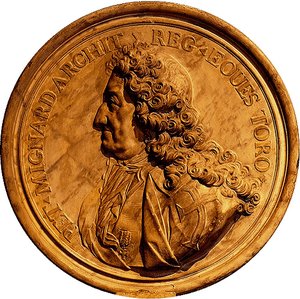
Pierre Mignard
1612 - 1695 , France
Quick Facts
- Artistic Movement Or Style: Baroque
- Artists Or Movements Influenced By This Artist: ['French portraitists']
- Artists Who Influenced This Artist:
- Simon Vouet
- Annibale Carracci
- Date Of Birth: 1612
- Date Of Death: 1695
- Full Name: Pierre Mignard
- Nationality: French
- Notable Artworks:
- God the Father
- Virgin of the Grapes
- La Fortune
- Place Of Birth: Troyes, France
Related Articles
Renoir's Masterpieces: Explore 25 Iconic Paintings & Bring Art Home | ArtsDot
Explore 25 iconic Pierre-Auguste Renoir paintings! Discover the stories behind Impressionist masterpieces like 'Dance at Le Moulin de la Galette' & 'Luncheon of the Boating Party'. Find museum-quality art reproductions and elevate your home decor with ArtsDot.com.
Discover the Divine: Inspiring Saint Anthony Artworks to Elevate Your Home Decor
Transform your home with the profound beauty of Saint Anthony artworks. Explore exquisite Baroque reproductions by Murillo and Zurbarán, hand-painted on 100% cotton canvas to bring divine serenity and timeless elegance to your interior design.
Harmonies on Canvas: Exploring the Visual Representation of Music in Art History
Explore the fascinating history of music's visual representation in art! From ancient symbolism to modern abstraction, discover how artists have captured sound and emotion on canvas. Expert insights & stunning examples.

The Dramatic Flourish: Exploring the Baroque Movement's Enduring Legacy in Art History
Explore the dramatic world of Baroque art! Discover iconic artists like Caravaggio & Rubens, defining techniques, and its lasting impact on art history. Expert insights for collectors & enthusiasts at ArtsDot.

Baroque Masterpieces: 10 Paintings That Defined an Era |
Journey through the drama & grandeur of Baroque art! Explore 10 masterpieces by Caravaggio, Rembrandt, Rubens & more. Discover stunning oil paintings, rich colors & timeless stories. Find museum-quality reproductions at .