

 Preview
 Send
Send Share
Share
 Details

 Download
 Similars
 X-Ray
X-Ray Diaporama
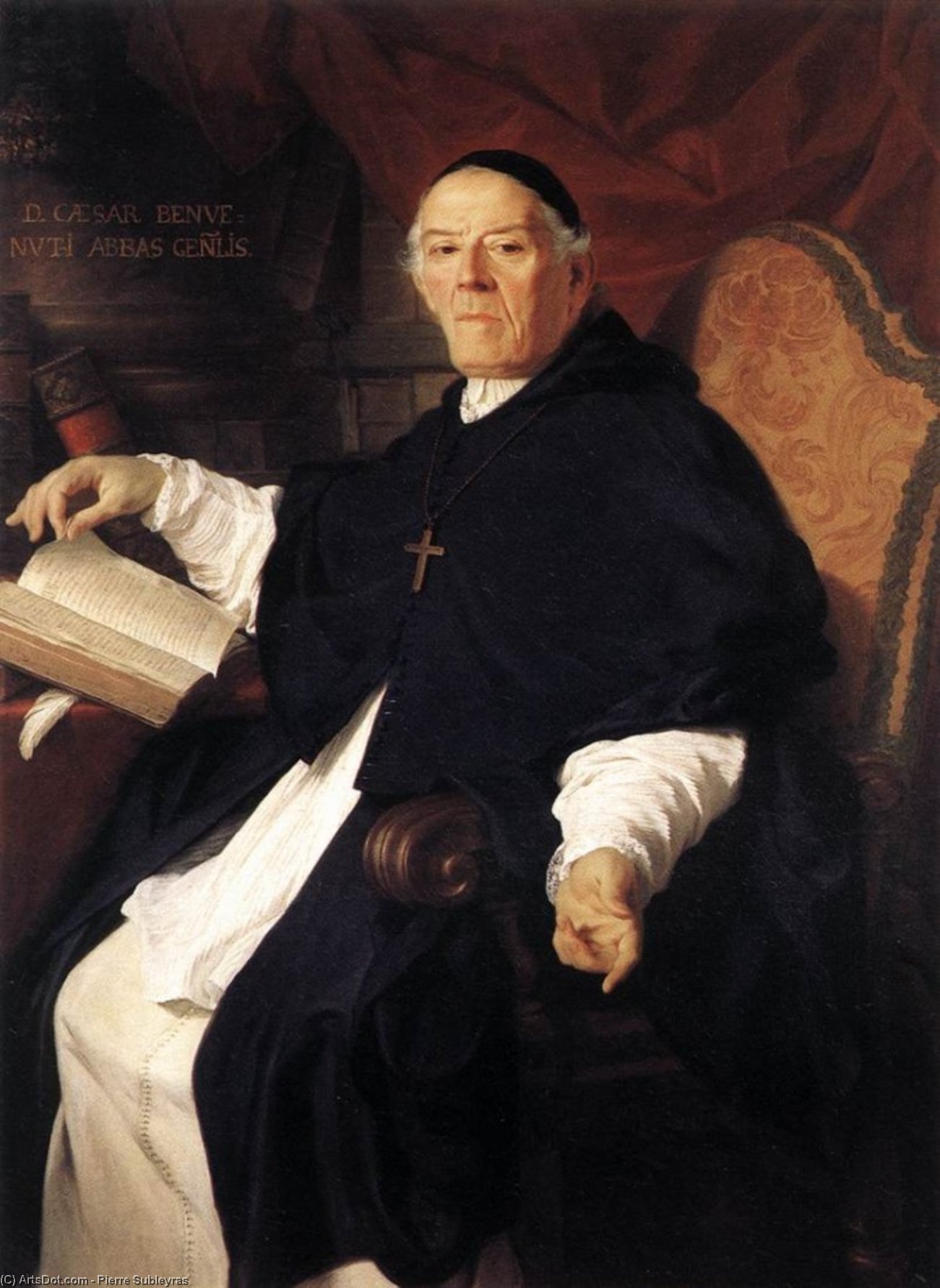
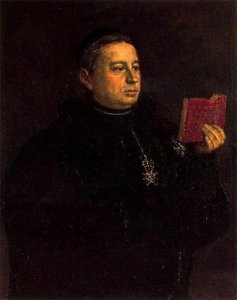
Don Cesare Benvenuti
 Oil On Canvas
- WallArt
- Baroque Neoclassicism Fusion
 1742
1742- Early Modern
 138.0 x 101.0 cm
 The Louvre
 Read More
Purchase a high-resolution, enhanced digital image, far superior to the online preview.
Each file is meticulously prepared by our in-house specialists using advanced tools and expert manual retouching. We ensure every image has exceptional clarity, precise color accuracy, and fine detail.
The final file is delivered via email within 72 hours, optimized for immediate use in professional, editorial, and print environments. This is the same quality trusted by top-tier design studios, publishers, and galleries.
Digital Image
Download a high-resolution file for personal display, printing, and creative projects. ( Buy Print Buy Hand Made Painting)
Included in Every Digital Image Order
Expert Digital Delivery, Guaranteed
When you choose ArtsDot.com, you're not just getting an image - you're receiving a professionally enhanced digital artwork, crafted with precision and backed by a satisfaction guarantee. Here's everything that comes with your order, automatically:

Fast Email Delivery
Your high-resolution digital image file will be emailed to you within 72 hours of ordering - ready for immediate use.

AI-Enhanced Digital File
Your artwork is professionally optimized using advanced AI tools and manual editing, ensuring maximum detail, clarity, and color accuracy.

Free Lifetime Re-Delivery
Accidentally deleted or lost your file? No worries - we'll resend it to you anytime, free of charge.

No Import Fees - Ever
Enjoy your artwork instantly with zero customs, duties, or delivery fees - digital downloads are always tax-free.

Color Accuracy Guarantee
We ensure your digital image reflects the original colors as closely as possible using professional tools and color management.

60-Day Satisfaction Guarantee
If you're not satisfied with your digital image, we'll revise it or refund 100% within 60 days - no questions asked.

100% Money-Back Guarantee
Not satisfied? Get a full refund within 60 days of receiving your digital file - no questions asked.

Bulk Order Discounts
Buy 3 images, save 10% - Buy 5, save 15% - Buy 10+, save 20%. Great for creative projects, galleries, and agencies.
Collectible Description
Don Cesare Benvenuti by Pierre Subleyras: A Portrait of Quiet Reflection
Pierre Hubert Subleyras’s “Don Cesare Benvenuti,” completed in 1742, stands as a testament to the burgeoning Neoclassical style emerging from Rome during the mid-18th century. Now housed within the Musée du Louvre, this oil on canvas masterpiece captures not merely likeness but an essence of contemplative dignity—a hallmark of Subleyras’s oeuvre and a captivating glimpse into aristocratic life.
The Artist's Vision: Pierre Subleyras (1699-1749) ascended to prominence thanks to the prestigious Prix de Rome, securing him invaluable access to artistic training and fostering his distinctive style. He swiftly established himself within Rome’s vibrant art scene, becoming a member of Accademia di San Luca and earning patronage from influential figures like Frederick Christian Saxe, elector of Saxony.
A Detailed Examination: The painting depicts Don Cesare Benvenuti, a clergyman distinguished by his serene countenance and scholarly pursuits. He sits upright in a chair, illuminated by soft light emanating from the left side—a compositional choice that lends an intimacy to the scene and directs the viewer’s gaze towards the subject's inner world.
Technical Mastery: Subleyras’s meticulous attention to detail is evident throughout “Don Cesare Benvenuti.” The artist skillfully employs chiaroscuro – dramatic contrasts between light and shadow – to sculpt the figure’s form, emphasizing musculature and conveying a palpable sense of stillness. Notice the subtle folds in his robe, rendered with painstaking accuracy, mirroring the prevailing stylistic trends of the period.
Symbolism and Context: The pectoral cross adorning Benvenuti's neck symbolizes religious authority and piety—a common motif in portraits commissioned by ecclesiastical patrons during this era. Furthermore, the Latin texts visible on the wall behind him subtly reinforce the painting’s intellectual atmosphere, reflecting the Enlightenment’s emphasis on reason and erudition.
Emotional Resonance: “Don Cesare Benvenuti” transcends mere representation; it evokes a feeling of quiet contemplation—a profound reflection on faith and intellect. The artist's ability to capture this intangible quality elevates the portrait beyond a simple likeness, transforming it into an enduring symbol of aristocratic dignity and intellectual serenity.
Further Exploration: For deeper insights into Pierre Subleyras’s artistic journey and his contribution to Neoclassical art, visit Wikipedia. You can also discover more about the artist's life and style on Wikidata.
To immerse yourself in the Musée du Louvre’s impressive collection of artworks, explore Discovering the Artworks of Kendal Museum, United Kingdom.
Related Artworks

Artist Biography
Pierre Subleyras: A Roman Master Bridging Baroque and Neoclassicism
Born in Saint-Gilles-du-Gard, France, in 1699, Pierre Subleyras’s life was a testament to the allure of Rome and the enduring power of artistic ambition. His early training under Antoine Rivalz in Toulouse laid a solid foundation, but it was his departure for Paris at age seventeen that truly ignited his career – securing him the prestigious Prix de Rome in 1728. This scholarship, a coveted prize offered by the French Academy, granted him access to the heart of European art and culture: the Eternal City. Subleyras’s journey wasn't merely geographical; it marked a profound shift from provincial France to the epicenter of artistic innovation, setting the stage for a remarkable career that would span nearly two decades.
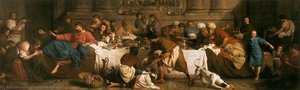
Subleyras’s time in Rome was transformative. He quickly established himself within the city’s vibrant art scene, gaining patronage from influential figures like the Elector of Saxony, Frederick Christian, and later, Cardinal Valenti Gonzaga. His early work, notably “Christ’s Visit to the House of Simon,” a dramatic narrative painting, secured his admission into the esteemed Roman artists guild, Accademia di San Luca – a significant validation of his talent and skill. This period witnessed the development of Subleyras's distinctive style: a masterful blend of Baroque dynamism and emerging Neoclassical clarity. He was particularly adept at capturing emotion and movement within complex compositions, utilizing rich color palettes and dramatic lighting to create visually arresting scenes.
Religious Grandeur and Papal Favor
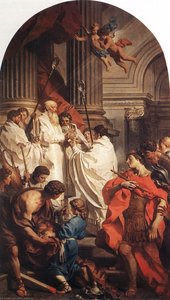
Subleyras’s artistic output during his Roman years was overwhelmingly devoted to religious subjects, reflecting the demands of the Catholic patronage that sustained him. His most celebrated commission, undertaken in 1745, was the monumental “Mass of St. Basil” for the Canons Regular of the Lateran at Santa Maria Nuova in Asti, a vast mosaic depicting the liturgical ceremony. This ambitious undertaking showcased his technical prowess and compositional skill on an unprecedented scale. Beyond this masterpiece, he produced numerous altarpieces, devotional panels, and frescoes for churches throughout Rome, demonstrating a consistent commitment to religious art.
His work for Pope Benedict XIV was particularly noteworthy. The Pope himself commanded two significant paintings: “The Marriage of St. Catherine” and “The Ecstasy of St. Camilla,” both placed within the private apartments of the papal residence. These commissions underscored Subleyras’s position as a favored artist within the highest echelons of Roman society. Furthermore, his execution of the intricate mosaic for St. Peter's Basilica – a project that involved collaboration with skilled artisans – cemented his legacy as one of Rome’s most important artists of the era.
Portraiture and Genre Scenes: A Dual Talent
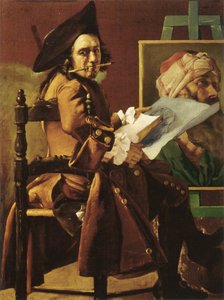
While primarily known for his religious works, Subleyras possessed a remarkable versatility as a portraitist. His portraits are characterized by their insightful character studies and subtle psychological depth. Notable examples include his striking depiction of the obese Cardinal Valenti Gonzaga – a work that captures both the subject’s physical presence and inner personality with impressive acuity. The Pope himself commissioned portraits, including one of Subleyras himself, further highlighting the artist's standing within the papal court.
Beyond portraiture, Subleyras also produced a significant body of genre scenes – intimate depictions of everyday life that reveal a more playful and individualistic side to his artistic sensibility. These works, often exhibited in the Louvre, demonstrate his ability to capture human emotion and social dynamics with remarkable sensitivity. Illustrations for works by La Fontaine and Boccaccio further showcased this talent, blending classical influences with contemporary themes.
A Curious Legacy: Drawings and Travels
Subleyras’s artistic practice extended beyond painting to include drawing, where he demonstrated a keen eye for detail and an appreciation for natural forms. His drawings, often characterized by their precise observation and skillful rendering of light and shadow, are considered particularly noteworthy. A study of a man draped in a heavy cloak, housed at the British Museum, exemplifies his ability to capture texture and form with remarkable realism.
Despite his success in Rome, Subleyras experienced a period of exhaustion and sought a change of scenery, venturing to Naples towards the end of his life. However, he ultimately returned to Rome, where he succumbed to illness in 1749 at the age of fifty. His wife, Maria Felice Tibaldi – herself a celebrated miniature painter and sister of Isabella Trémolières – provided unwavering support throughout his career. Subleyras’s legacy endures as a testament to the enduring influence of Baroque and Neoclassical styles, and his works continue to captivate viewers with their dramatic compositions, rich colors, and profound emotional resonance.
Pierre Subleyras
1699 - 1749 , France
Quick Facts
- Artistic Movement Or Style: Late Baroque & Neoclassical
- Artists Or Movements Influenced By This Artist: ['Classical tradition']
- Artists Who Influenced This Artist: ['Antoine Rivalz']
- Date Of Birth: November 25, 1699
- Date Of Death: May 28, 1749
- Full Name: Pierre Hubert Subleyras
- Nationality: French
- Notable Artworks:
- Christ's Visit to Simon
- Mass of St. Basil
- Portrait of Pope Benedict XIV
- Don Cesare Benvenuti
- Courtesan in love
- Place Of Birth: Saint-Gilles-du-Gard, France

