 Preview
 Send
Send Share
Share
 Details

 Download
 Similars
 X-Ray
X-Ray Diaporama
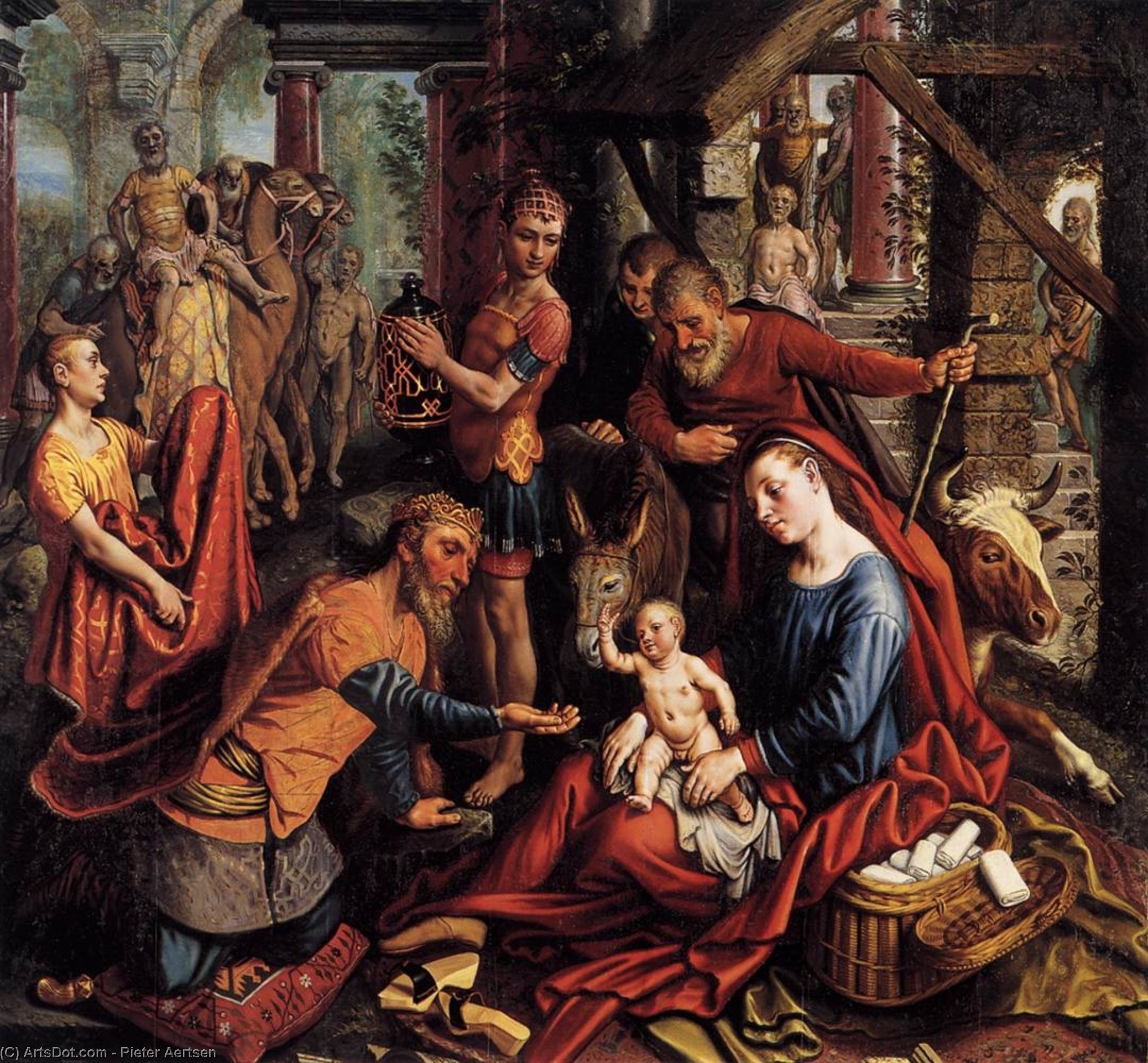
Triptych with the Adoration of the Magi (central panel)
 Northern Mannerism
 1560
1560 190.0 x 73.0 cm
 Rijksmuseum
 Read More
Hand Made Oil Reproduction
Hand-painted oil on canvas in your size and frame, made to order by our artists. ( Buy Print Buy Image)




P118B $10

P118H $10

P118W $10

P438Z $10

P508JH $12

P508YH $12

P805H $10

P805Z $10

P919BZ $10

P919G $10

P919XJ $10

P959ZH $10

P968JZ $12

W106C $8

W218G $10

W218JH $8

W218Y $10

W307PJ $10

W316G $10

W316PJ $8

W316Y $10

W398PJ $8

W4111J $10

W500HY $15

W500JH $15

W692G $12

W849H $8

W940BG $15

W953PJ $8




Pick from our preset sizes that match the artwork's original proportions.

You may enter your own dimensions to fit a specific frame or space. If your selected size does not match the original image's proportions, we will either crop the artwork or extend the painting with additional hand-painted elements. A digital mockup will be sent for your approval before production begins.
Please note that the on-screen preview does not reflect the actual cropping or extension. Only the mockup will accurately show the final composition.
While custom sizes are available, we recommend selecting a dimension from the predefined list to preserve the original proportions.
After order, ArtsDot.com team will email client for instructions and provide a mockup preview
Worldwide Delivery () in 3/4 weeks instead of standard 5 weeks. (27 August). No compromise on quality.

Free Worldwide Express Shipping

High-Quality Linen Canvas

Full Shipping Insurance

Customs Tax Refund Guarantee

True Color Matching Guarantee

60-Day Return Policy (Defects Only)

100% Money-Back Guarantee

Bulk Discount Offer
 Glass option is only available in size under 110 CM

Triptych with the Adoration of the Magi (central panel)
Reproduction Medium
Reproduction Size
-


Total Price
$ 263
Artwork Description
A Window into Medieval Life: Pieter Aertsen’s Triptych
Pieter Aertsen, a name often whispered in the halls of art history, stands as a pivotal figure bridging the gap between Northern Mannerism and the burgeoning realism of the Dutch Golden Age. Born in Amsterdam around 1508 and tragically dying in the same city in 1575, Aertsen’s legacy isn't defined by grand religious commissions or heroic portraits, but rather by his revolutionary approach to genre painting – a deliberate elevation of everyday life, imbued with layers of symbolism and narrative depth. He wasn’t merely depicting scenes; he was constructing miniature worlds, inviting viewers into a complex tapestry of human experience. His work, particularly this central panel from the “Triptych with the Adoration of the Magi,” offers a remarkably intimate glimpse into 16th-century domesticity, far removed from the idealized representations common in earlier religious art.

The scene unfolds within a humble dwelling, meticulously rendered with an almost photographic realism that was unprecedented for its time. A young Mary cradles the infant Jesus, her expression serene and protective. Surrounding them are twelve figures – a mix of adults and children – engaged in various activities: some offer gifts, others gaze upon the miraculous event, while still others tend to domestic chores. A striking detail is the presence of a horse on the left side of the panel, adding an unexpected element of rustic charm and hinting at the importance of rural life within this urban setting. Two birds, one near the top right corner and another towards the bottom right corner, further enrich the composition with subtle details that draw the eye.
The Language of Genre: Symbolism and Narrative
Aertsen’s genius lies not just in his technical skill but in his masterful deployment of symbolism. Each element within the painting carries a deeper meaning, inviting viewers to decipher the narrative layers embedded within the scene. The gifts offered by the Magi – gold, frankincense, and myrrh – are not merely decorative; they represent the spiritual riches bestowed upon humanity through Christ’s birth. The presence of the animals—the horse, the birds—are also laden with symbolic weight, often associated with humility, innocence, or even prophecy. The ruined palace in the background, a recurring motif in Aertsen's work, serves as a potent reminder of the fallibility of earthly power and the triumph of divine grace.
A Master of Northern Mannerism
Pieter Aertsen’s style is firmly rooted in Northern Mannerism, a movement characterized by its emphasis on detail, complex compositions, and often unsettling psychological realism. His figures are rendered with an almost sculptural quality, their poses deliberately theatrical and imbued with a sense of emotional intensity. The use of muted colors and dramatic lighting further enhances the painting’s evocative atmosphere. Aertsen's work reflects his training under Allaert Claesz, but he quickly developed a distinctive style that combined meticulous observation with a keen understanding of symbolism and narrative.
A Window into a Lost World
The “Triptych with the Adoration of the Magi” offers more than just a visual representation of a biblical scene; it provides a rare glimpse into the daily lives, beliefs, and anxieties of 16th-century Europeans. Through his masterful use of genre painting, Aertsen transformed ordinary domestic scenes into profound meditations on faith, humanity, and the mysteries of the divine. Reproductions of this work capture not only its visual beauty but also the enduring power of its narrative depth—a testament to Pieter Aertsen’s legacy as a pioneering artist who redefined the possibilities of genre painting.
Related Artworks
Artist Biography
Pieter Aertsen: The Architect of Domestic Narrative
Pieter Aertsen, a name often whispered in the halls of art history, stands as a pivotal figure bridging the gap between Northern Mannerism and the burgeoning realism of the Dutch Golden Age. Born in Amsterdam around 1508 and tragically dying in the same city in 1575, Aertsen’s legacy isn't defined by grand religious commissions or heroic portraits, but rather by his revolutionary approach to genre painting – a deliberate elevation of everyday life, imbued with layers of symbolism and narrative depth. He wasn’t merely depicting scenes; he was constructing miniature worlds, inviting viewers into a complex tapestry of human experience.
Aertsen's early training under Allaert Claesz provided him with a solid foundation in traditional Flemish techniques. However, it was his relocation to Antwerp, the vibrant heart of artistic innovation during the mid-16th century, that truly shaped his distinctive style. Antwerp’s bustling atmosphere, its diverse population, and its position as a crossroads of European trade fostered an environment ripe for experimentation – a stark contrast to the more rigidly defined religious conventions of the time. Here, he joined the esteemed Guild of Saint Luke, earning the moniker “Langhe Peter,” or Tall Peter, reflecting his imposing stature, a detail often incorporated into his portraits.
The Invention of Monumental Genre
Aertsen’s most significant contribution to art lies in his pioneering work – the creation of what is now recognized as monumental genre scenes. Unlike earlier depictions of domestic life that were relegated to smaller, secondary spaces within religious compositions, Aertsen placed everyday activities—market scenes, butcher shops, still lifes— squarely at the forefront of his canvases. This wasn’t simply a shift in subject matter; it represented a fundamental change in artistic priorities. He deliberately blurred the lines between different genres – still life, landscape, and narrative – creating complex compositions that demanded active engagement from the viewer.
His most famous example, the *Butcher's Shop with the Flight into Egypt* (1551), exemplifies this revolutionary approach. The scene is dominated by a meticulously rendered butcher’s stall overflowing with meat, vegetables, and tools – an astonishingly detailed still life that immediately grabs the viewer’s attention. Yet, subtly interwoven within this seemingly mundane setting are elements of biblical narrative: the Holy Family fleeing into Egypt, depicted in miniature on a small panel above the counter. This layering of realities—the tangible world of commerce juxtaposed with the spiritual realm of faith – became a hallmark of Aertsen's work and profoundly influenced generations of artists to come.
Symbolism and the Language of Objects
Aertsen’s scenes are not merely visually arresting; they are rich in symbolic meaning. Each object, each gesture, carries weight and contributes to a larger narrative or moral commentary. The arrangement of items within a still life, for instance, could represent earthly pleasures versus spiritual rewards, wealth versus poverty, or even the fleeting nature of time. The *Butcher’s Shop* is particularly laden with symbolism: the abundance of food represents worldly prosperity, while the presence of oysters and mussels – associated with lust – serves as a cautionary tale.
Furthermore, Aertsen drew inspiration from earlier artists like Joachim Patinir, who had pioneered the use of landscape elements within religious scenes to create atmospheric depth and visual interest. Aertsen adopted this technique, integrating miniature landscapes—a church window, a pastoral scene—into his genre compositions, further expanding the scope of his narratives and inviting viewers to contemplate multiple realities simultaneously.
Influence and Legacy
Pieter Aertsen’s influence on subsequent generations of artists is undeniable. His innovative approach to genre painting paved the way for the rise of Dutch still life as a distinct artistic genre, influencing figures like Jan Sanders van Hemessen and, crucially, his son, Pieter Pietersz the Elder. Aertsen's emphasis on realistic detail, combined with his masterful use of symbolism and narrative layering, set a precedent for later artists who sought to capture the complexities of everyday life.
Even more remarkably, Aertsen’s work anticipated developments in Italian painting. The Renaissance humanist Hadrianus Junius (Adriaen de Jonghe) compared Aertsen to Peiraikos, an ancient Greek painter celebrated for his ability to depict ordinary subjects with extraordinary realism and symbolic depth. This comparison underscored Aertsen's pioneering role in challenging traditional artistic conventions and elevating the status of genre painting.
Despite the destruction of many of his works during the iconoclasm of the Beeldenstorm (the Protestant Reformation’s icon-smashing movement) in Amsterdam, Aertsen’s legacy endures. His paintings continue to fascinate art historians and viewers alike, offering a glimpse into a world where the mundane becomes profound and everyday life is transformed into a rich tapestry of meaning.
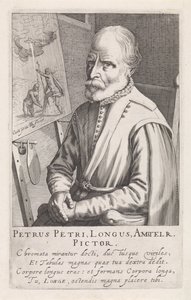
Pieter Aertsen
1508 - 1575 , Netherlands
Quick Facts
- Artistic Movement Or Style: Northern Mannerism
- Artists Or Movements Influenced By This Artist:
- Joachim Patinir
- Flemish Baroque
- Artists Who Influenced This Artist: ['Allaert Claesz']
- Date Of Birth: 1508, Amsterdam
- Date Of Death: 1575, Amsterdam
- Full Name: Pieter Aertsen
- Nationality: Dutch
- Notable Artworks:
- Butcher's Shop (Uppsala)
- Market Woman...
- Various altarpieces
- Place Of Birth: Amsterdam, Netherlands
Related Articles
Hieronymus Bosch's Masterpieces: 25 Visions of Art & Morality | ArtsDot
Delve into the enigmatic world of Hieronymus Bosch! Explore 25 iconic paintings – from 'The Garden of Earthly Delusions' to his haunting triptychs. Discover the symbolism, history & artistry behind these Renaissance masterpieces. Find museum-quality art reproductions at ArtsDot.com.
Hieronymus Bosch: Decoding the Visions of a Netherlandish Master
Explore the captivating world of Hieronymus Bosch! Delve into the symbolism, religious context, and artistic innovation of this Netherlandish master with ArtsDot's expert analysis. Discover his iconic paintings & lasting influence.
Prado Masterpieces: Explore 25 Iconic Artworks & Bring Spanish Beauty Home
Journey through 25 Prado Museum masterpieces! Explore Velázquez, Goya & El Greco's iconic Spanish art. Discover the stories behind these timeless paintings and find museum-quality reproductions for your home at ArtsDot.com.
Staatliche Museen Berlin: 25 Masterpieces for Your Home | ArtsDot
Journey through 25 iconic artworks at Staatliche Museen Berlin! Explore Nefertiti, Pergamon Altar & masterpieces of German art history. Find museum-quality reproductions & curated decor ideas to bring timeless beauty home. Discover all masterpieces on ArtsDot.com.
Sacred Narratives Embodied: A Comprehensive Exploration of Religious Iconography in Art History
Explore the rich history of religious iconography in art! Discover symbolism, movements & masterpieces from Byzantine to Renaissance periods. Expert insights for collectors and enthusiasts at ArtsDot.